Why Monsoon Is the Best Time to Travel India — And Exactly What to Pack to Enjoy Every Drop of It


Sunscreen Spray for Body | SPF 50+ PA+++ | Sweat & Water-Resistant | Broad Spectrum UVA/UVB Protection | Clear Matte Formula | Aloe Vera | 100ml
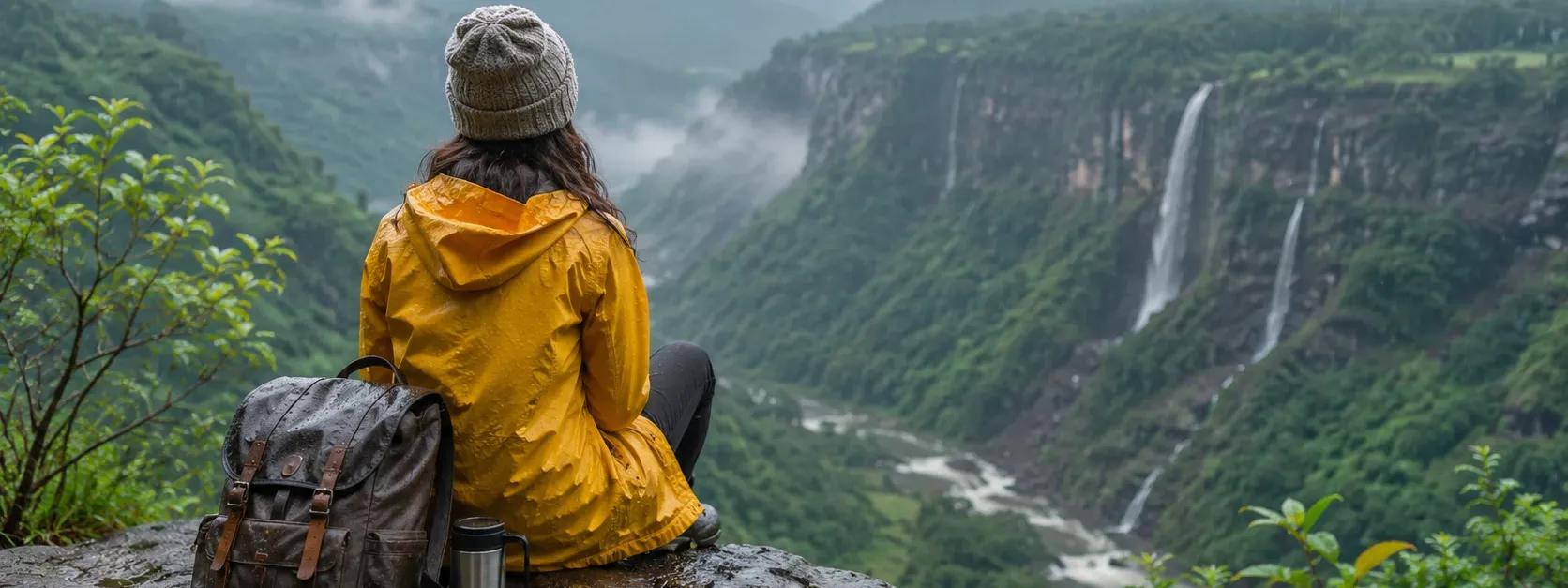
There is a particular kind of traveller who loves the monsoon — who finds something deeply romantic in the green-drenched Western Ghats after July rains, who seeks out Kerala backwaters when the water is high and the air is cool, who drives through Coorg or Munnar specifically because the mist and the rain make those landscapes extraordinary in a way no other season can replicate. If you're that traveller, you already know that monsoon in India is one of the most beautiful times to move through the country.
You also know that being unprepared for it is genuinely miserable.
Wet shoes that don't dry overnight. A phone that died because rain got into the charging port. A bag that seemed waterproof until it absolutely wasn't. Clothes that smell like damp for the rest of the trip because they didn't dry in the humidity. Monsoon travel in India demands its own specific set of essentials — different from summer travel, different from winter travel, and significantly more demanding of waterproofing, quick-dry materials, and health precautions than any other travel season.
This is everything you need.
India's monsoon season runs broadly from June through September, arriving first in Kerala in early June and progressing northward and eastward across the country over the following weeks. The character of the monsoon varies dramatically by region — the Western Ghats receive extraordinary rainfall that makes them lush and dramatic but also brings landslide risk and road closures. Rajasthan, relatively dry even in monsoon, becomes accessible and beautiful with occasional dramatic storms. The Northeast — Meghalaya, Assam, Sikkim — receives some of the world's heaviest rainfall during this period and requires particularly serious waterproofing.
Understanding your specific destination's monsoon character shapes your essentials list more precisely than any generic guide can. Check road conditions, landslide advisories, and destination-specific travel alerts before departure — monsoon travel in India rewards preparation and punishes assumptions.
Bags and luggage

Even Tone Underarm Mist | Brightening Spray for Dark Underarms | 48H Odour Protection | 7% Glycolic + 3% Lactic Acid | Pack of 2 | 100ml
The most fundamental monsoon travel essential is waterproof baggage. A bag that is not waterproof in Indian monsoon conditions is a bag that will eventually get wet — and everything inside it with it. A dedicated waterproof backpack or a high-quality rain cover that fits your existing bag is the foundation of monsoon travel preparation. Dry bags — lightweight, fully waterproof sacks available in various sizes — provide an additional layer of protection for electronics, documents, and anything that cannot get wet. Store your phone, charger, power bank, and documents in a dry bag inside your main bag even if the main bag claims to be waterproof.
A waterproof day pack for sightseeing days is equally important — your full luggage may be safely stored at the hotel while you're out exploring in the rain with electronics and valuables on your person.
Clothing — the quick-dry imperative
Cotton clothing is a liability in the monsoon. It absorbs water readily, takes hours or days to dry in high humidity, and develops an unpleasant smell when wet. Quick-dry synthetic fabrics — polyester and nylon blends — are the essential monsoon travel wardrobe. They repel light rain, dry within an hour even in humid conditions, and don't hold odour the way wet cotton does.
Pack fewer items than you think you need and rely on quick-dry properties to make each item usable across multiple days. Two or three quick-dry t-shirts, one or two pairs of quick-dry trousers or shorts, and lightweight layers for cooler hill station evenings cover most monsoon travel scenarios efficiently. Avoid denim entirely — wet denim is heavy, uncomfortable, chafing, and takes an entire day to dry even with good airflow.
Footwear — the most critical monsoon decision
Footwear is where monsoon travel most visibly separates prepared travellers from unprepared ones. Closed shoes and leather footwear become saturated in rain, develop mould, and cause blisters when wet. The monsoon travel footwear hierarchy is straightforward: waterproof trekking sandals for general use, dedicated waterproof hiking boots if trekking is planned, and a pair of comfortable flip flops for accommodation and very light use.
Waterproof trekking sandals — Teva, Merrell, or their Indian-market equivalents — are arguably the single most valuable monsoon travel essential. They handle wet paths, streams, and sudden rain without becoming saturated, drain quickly, and provide enough grip for uneven terrain that is inevitably slippery in the monsoon.
Never pack only leather or canvas shoes for monsoon travel. You will regret it within hours of the first rainfall.

Fluid SPF 50 Sunscreen for Oily Skin | No White Cast | Matte, Ultra-Light & Non-Greasy | Niacinamide + Vitamin C | 50ml
Mosquito protection — non-negotiable
Monsoon dramatically increases mosquito populations across India — standing water from rainfall creates breeding conditions that make mosquito-borne diseases including dengue, malaria, and chikungunya significantly more prevalent during and after the monsoon months. Mosquito repellent containing DEET or picaridin in adequate supply is a non-negotiable monsoon travel essential. Full-coverage clothing in the evenings — long sleeves and trousers in quick-dry fabric — provides additional protection. A travel mosquito net is valuable for accommodation in rural or jungle areas where window screens are unreliable.
Waterborne illness prevention
Monsoon increases the risk of waterborne illness significantly — flooding contaminates water supplies, and food safety in outdoor markets and roadside stalls is more variable during heavy rainfall periods. Oral rehydration salts, antidiarrheal medication, and a water purification solution or SteriPen are essential additions to a monsoon medical kit. Carry a reusable water bottle and rely on sealed packaged water or purified water rather than local tap water across all monsoon destinations.
Antifungal protection
Extended dampness in monsoon conditions — wet shoes, humid air, sweating under rain gear — creates ideal conditions for fungal skin infections including athlete's foot and jock itch. An antifungal powder or cream, clean socks changed daily even if the shoes remain wet, and allowing feet to dry completely whenever possible prevents the persistent foot infections that plague underprepared monsoon travellers.
First aid additions for monsoon travel
Beyond the standard travel medical kit, monsoon travel specifically benefits from: antiseptic solution for minor cuts that are slower to heal in humid conditions, blister plasters for wet-footwear friction, oral rehydration salts in higher quantity given increased illness risk, and antihistamines for insect bite reactions.
Electronics and Indian monsoon conditions are a genuinely dangerous combination. Beyond the dry bag approach for storage, carrying electronics safely during active travel requires specific precautions. A waterproof phone case or pouch — fully sealed rather than merely splash-resistant — protects your primary device during sightseeing and outdoor activities. Most phone cases rated IP67 or higher handle monsoon rain adequately but are not designed for submersion — avoid the assumption that your water-resistant phone needs no additional protection in heavy rainfall.

Mineral Sunscreen SPF 50 | Matte Finish | No White Cast | Non-Nano Zinc Oxide | Cica | Pregnancy Safe | All Skin Types | 50ml
Keep your power bank in a dry bag at all times — power banks are not water-resistant and a single rain exposure can permanently damage them. Carry a sealed ziplock bag as a minimum emergency protection for electronics when better options aren't available.
Monsoon travel rewards packing light more than any other travel season — wet clothing and gear adds significant weight, and frequent repacking is necessary when moving between destinations with varying rainfall intensity. The layering strategy that works best involves a waterproof outer shell — a packable rain jacket that compresses to fist size — over quick-dry base layers, with a light fleece or midlayer for hill station evenings.
A packable rain jacket is the single most space-efficient monsoon travel essential available. Full waterproof coverage, compresses to fit in a side pocket, and weighs under 300 grams in quality versions. It is more practical than an umbrella for active travel — it keeps your hands free, doesn't invert in wind, and covers your daypack simultaneously.
Carry a compact travel umbrella as backup for urban destinations where you'll be moving between covered areas — it is less practical for outdoor and active use but more comfortable for city sightseeing in light rain.
Documents in a waterproof document folder. Phone in a waterproof case, power bank and charger in a dry bag. Three to four quick-dry t-shirts. Two pairs quick-dry trousers or shorts. One light fleece or warm layer. One packable rain jacket. Waterproof trekking sandals. Flip flops. Quick-dry socks — four to five pairs. Microfibre towel — dries in thirty minutes versus four hours for a cotton towel. Mosquito repellent. Basic medical kit with antidiarrheal, ORS, antifungal, and antihistamines. Waterproof daypack. Dry bags in two sizes. Sealed ziplock bags as backup. Sunscreen — even in monsoon, UV exposure is significant on partly cloudy days. Compact travel umbrella.
Is it safe to travel in India during monsoon? Yes, with appropriate preparation and destination awareness. Most popular monsoon destinations — Kerala, Coorg, Western Ghats, Northeast India — are safe and extraordinarily beautiful during the season. Specific risks including landslides on mountain roads and flooding in low-lying areas require checking current advisories for your exact route and staying informed through local sources during travel.
What is the most important single monsoon travel essential? A packable waterproof rain jacket — it provides full coverage, keeps hands free, protects your daypack, compresses to almost nothing, and handles the widest range of monsoon scenarios of any single item. If forced to choose one monsoon-specific addition to a standard packing list, this is it.
Can I trek during monsoon in India? Yes — many popular treks are at their most beautiful during monsoon, including Valley of Flowers, Coorg trails, and Western Ghats routes. The terrain is wet, slippery, and more physically demanding. Waterproof hiking boots with good grip, trekking poles, and awareness of flash flood and landslide risk are essential for any monsoon trekking.
