What Are the Best Foods for Gut Health? The Answer Is Already in Your Indian Kitchen


Peptide Moisturizer | Brightens Skin & Boosts Collagen | Vitamin C + Niacinamide + Peptide Complex | Non-Comedogenic | For All Skin Types | 50g
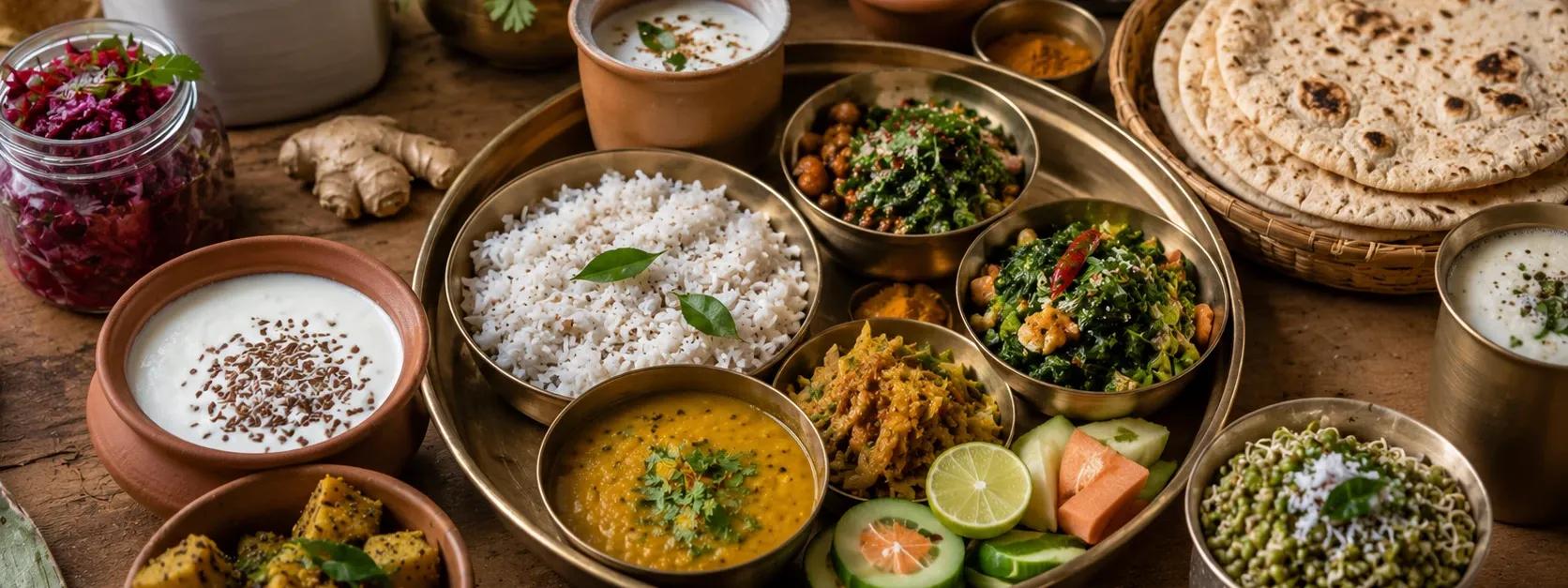
The supplement industry would have you believe that improving your gut health requires a carefully curated stack of probiotic capsules, prebiotic powders, and gut-healing protocols that cost more per month than your grocery bill. The reality — supported by a growing and compelling body of nutritional research — is considerably more accessible. The most powerful gut health foods on the planet are not exotic imports or expensive supplements. Many of them are already sitting in your kitchen, used daily in Indian cooking that has been quietly supporting digestive health for centuries without needing a scientific study to justify it.
Understanding which foods actively nourish your gut — and which quietly undermine it — is one of the most practical and impactful nutritional frameworks you can apply to your daily eating. This is where to begin.
Your gut microbiome — the trillions of bacteria, fungi, and microorganisms living in your digestive tract — is shaped more directly by what you eat than by almost any other factor in your control. Every meal either feeds beneficial bacteria, feeds harmful ones, or starves both. The composition of your microbiome shifts measurably within days of changing your diet — which means that every meal is, in a very literal sense, an opportunity to either improve or compromise your gut health.
The two categories of food that matter most for the gut microbiome are probiotics — foods containing live beneficial bacteria — and prebiotics — foods containing fibre that feeds and sustains those bacteria. Both are essential. Probiotics without prebiotics are like planting seeds without watering them. Prebiotics without probiotics build a habitat with nobody to inhabit it. The most effective gut health food approach combines both consistently, across every day.
Dahi (curd)
Dahi is the single most accessible and consistently effective probiotic food in the Indian diet. Made through bacterial fermentation of milk, quality homemade or fresh curd contains live Lactobacillus cultures that directly contribute to gut microbiome diversity. Eating a small bowl of plain, unsweetened dahi daily — with lunch, as a raita, or as a standalone snack — is one of the most evidence-supported dietary habits for gut health. Avoid heavily processed, commercially sweetened yoghurts — the added sugar undermines the probiotic benefit.
Chaas (buttermilk)
Chaas — churned curd diluted with water and seasoned with jeera, curry leaves, and ginger — delivers probiotic benefit in a lighter, more easily digestible form than full curd. It also supports hydration and provides a small quantity of digestion-supporting spices simultaneously. A glass of chaas after lunch is a traditional Indian practice with genuine gut health rationale.

Target & Fade Duo for Hyperpigmentation | Even-Tone Underarms, Inner Thighs & Bum | Refines Skin Texture | For All Skin Types
Idli and dosa
Traditionally prepared idli and dosa batter undergoes lacto-fermentation — the same process that produces yoghurt and sauerkraut — creating a product rich in beneficial bacteria and more bioavailable nutrients than unfermented rice and lentils. Idli is particularly gut-friendly — light, easily digestible, and genuinely probiotic when made from properly fermented batter rather than instant mixes.
Kanji
Kanji — a fermented drink made from black carrots or beetroot during winter months — is one of India's most potent traditional probiotic foods and one of the most underappreciated. Rich in beneficial bacteria developed through natural fermentation, it supports both gut health and immunity during the winter season.
Homemade achaar
Traditionally prepared achaar — particularly those made through natural lacto-fermentation rather than vinegar — contains beneficial bacteria alongside digestive spices. Commercially produced pickles are typically made with vinegar and preservatives rather than through fermentation and do not carry the same probiotic benefit. Small quantities of homemade fermented achaar with meals contribute to overall probiotic intake meaningfully.
Dal and legumes
Dal — in all its varieties — is the prebiotic backbone of the Indian diet. The indigestible fibres in lentils, chickpeas, rajma, and all other legumes pass through the small intestine intact and are fermented by gut bacteria in the large intestine, producing short-chain fatty acids that nourish the gut lining and reduce inflammation. Eating dal daily — rotating between moong, masoor, toor, chana, and rajma for dietary diversity — consistently feeds a healthy microbiome.
Garlic and onion
Garlic and onion contain fructooligosaccharides — prebiotic fibres that selectively feed beneficial Lactobacillus and Bifidobacterium bacteria. These are foundational ingredients in Indian cooking, present in virtually every savoury dish, which means a traditional Indian diet is naturally rich in these powerful prebiotics without any deliberate supplementation.

Mineral Sunscreen SPF 50 | Matte Finish | No White Cast | Non-Nano Zinc Oxide | Cica | Pregnancy Safe | All Skin Types | 50ml
Banana
Slightly underripe bananas contain particularly high levels of resistant starch — a form of prebiotic fibre that passes undigested to the large intestine where beneficial bacteria ferment it. Even ripe bananas provide meaningful prebiotic benefit alongside easily digestible natural sugars that provide quick energy.
Oats
Oats contain beta-glucan — a soluble prebiotic fibre with some of the strongest evidence for beneficial effects on gut microbiome composition and gut lining integrity. Overnight oats, oat upma, or oat porridge as a regular breakfast is a simple and effective prebiotic addition to an Indian diet.
Whole grains — jowar, bajra, ragi
Traditional Indian millets are significantly richer in fibre than refined wheat or white rice, providing both prebiotic benefit and sustained energy. Rotating jowar, bajra, and ragi rotis into your weekly meal plan is simultaneously one of the best things you can do for gut health and one of the most culturally rooted dietary choices available.
Ginger
Ginger contains gingerols and shogaols — compounds that directly support digestive motility, reduce gut inflammation, and inhibit harmful bacteria. Fresh ginger in cooking, ginger chai made with minimal sugar, or warm ginger water first thing in the morning are all effective delivery mechanisms for this remarkable gut health food.
Turmeric
Curcumin — turmeric's active compound — has direct anti-inflammatory effects on the gut lining and supports the growth of beneficial Bifidobacterium bacteria. Its absorption is significantly enhanced when consumed with black pepper — the combination present in most Indian cooking — and with fat. Dal and sabzi cooked with turmeric and a small quantity of oil delivers curcumin in its most bioavailable form.

Salicylic Acid Face Cleanser | Deep Cleansing Formula for Breakouts | Unclogs Pores & Controls Oil | For Oily & Acne-Prone Skin | 100ml
Amla
Amla's extraordinary antioxidant content reduces oxidative stress throughout the gut, while its fibre content feeds beneficial bacteria. Research suggests amla may also protect the gut lining from damage — making it a genuinely therapeutic gut health food beyond its general nutritional value.
Flaxseeds and chia seeds
Both flaxseeds and chia seeds provide soluble fibre that forms a gel in the gut, feeding beneficial bacteria and supporting regular bowel movements. A teaspoon of ground flaxseeds added to dahi, dal, or a smoothie daily is one of the easiest and most impactful gut health food additions available.
Understanding what damages gut health is as important as knowing what supports it. Ultra-processed foods — packaged snacks, instant noodles, commercially produced baked goods — contain emulsifiers and additives that research increasingly shows directly disrupt the gut lining and reduce microbiome diversity. Excess sugar feeds harmful bacteria and yeast at the expense of beneficial species. Refined carbohydrates — maida-based foods, white bread, sugary cereals — are rapidly absorbed before reaching the large intestine, leaving beneficial gut bacteria without adequate food. Alcohol in excess damages the gut lining and significantly reduces microbiome diversity.
Morning: warm water with ginger and lemon, followed by oat upma or idli with sambar. Mid-morning: a banana or a small handful of mixed nuts and seeds. Lunch: dal with seasonal vegetables, one jowar or wheat roti, a bowl of dahi, and a fresh salad with raw onion. Evening: a glass of chaas with jeera, and a small portion of roasted chana. Dinner: moong dal khichdi with vegetables cooked with turmeric and ginger, a small portion of homemade achaar. This single day delivers probiotics, prebiotics, diverse plant fibres, gut-healing spices, and meaningful dietary variety — all from entirely conventional Indian ingredients.
Are probiotic supplements better than probiotic foods? For most healthy individuals, probiotic foods deliver comparable or superior benefit to supplements because they come packaged with additional nutrients, prebiotic fibres, and compounds that support bacterial survival. Supplements deliver higher doses of specific strains — useful for targeted therapeutic purposes — but whole foods remain the foundation of long-term gut health.
How quickly do gut health foods make a difference? Measurable changes in gut microbiome composition occur within three to four days of dietary change. Subjective improvements — less bloating, better digestion, more regular bowel movements — are typically noticeable within two to three weeks of consistent dietary improvement.
Can I eat too much fermented food? For most people, increasing fermented food intake gradually produces no adverse effects. Introducing large quantities suddenly can cause temporary bloating and gas as the microbiome adjusts — a normal response that settles within one to two weeks. Start with one serving of fermented food daily and increase gradually.
