Your Guide to Achieving Skin Hydration with Dry Skin Cream


Hydrating Moisturizer | Non-Comedogenic | Boosts Collagen & Hydrates Deeply | Ceramides + Niacinamide | For Normal to Dry Skin | 50g
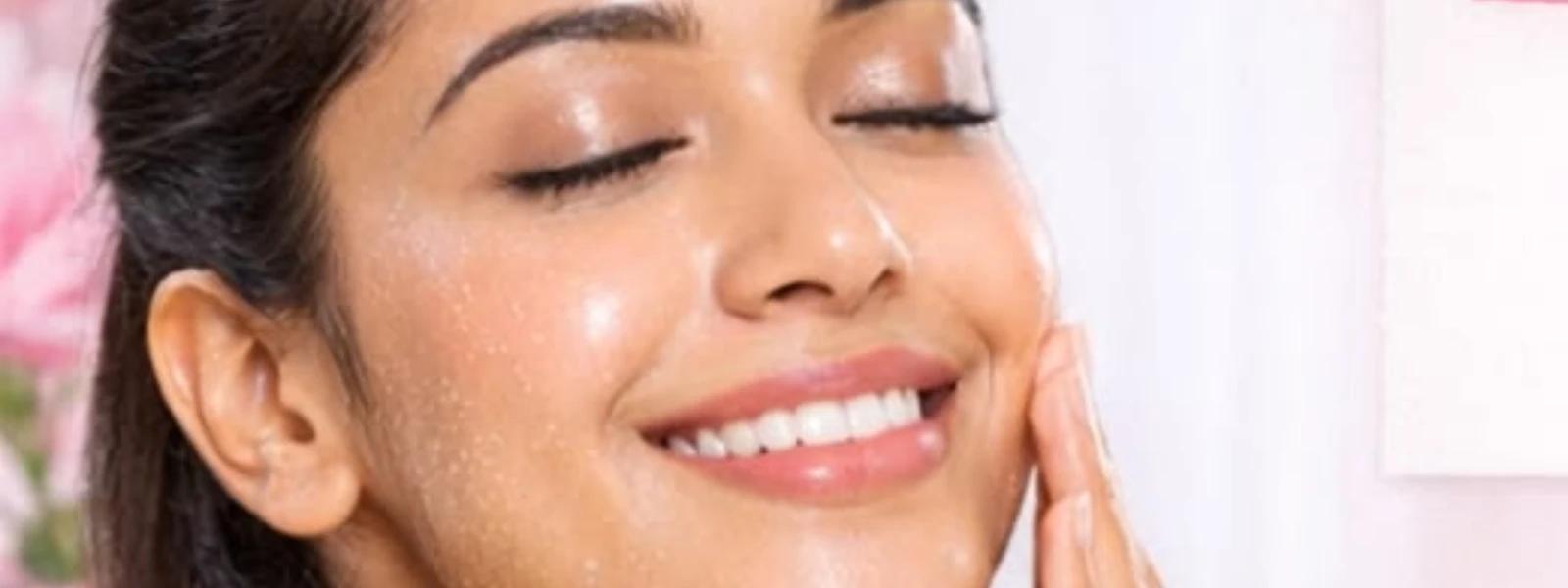
Picture this: you wake up, look in the mirror, and notice your skin feels tight, looks dull, and has those telltale flaky patches that seem to appear overnight. You're not alone—millions of people struggle with dry skin, especially during harsh weather months or in air-conditioned offices. The constant cycle of applying random creams that promise miracles but deliver disappointment can be exhausting. Your skin deserves better than quick fixes that barely scratch the surface. The truth is, achieving lasting skin hydration isn't about slathering on just any cream; it's about understanding what your skin actually needs and choosing the right moisturiser for dry skin that works with your skin's natural barrier. Let's dive into the science-backed strategies that will transform your dry, uncomfortable skin into the healthy, hydrated complexion you've been craving.
Understanding your skin type is the foundation of effective skincare, and dry skin has distinct characteristics that set it apart from oily, combination, or sensitive skin types. Dry skin occurs when your skin barrier is compromised, leading to increased water loss and reduced ability to retain moisture naturally. The science behind dry skin reveals that it produces less sebum (natural oils) than normal skin types, and often has a weakened lipid barrier that allows moisture to escape more easily.
This creates a cycle where your skin becomes increasingly dehydrated, leading to tightness, flakiness, and sometimes even cracking or irritation. Real talk—it's frustrating when your foundation sits oddly on rough patches or when your skin feels uncomfortable after every cleanse.
Recognising the early warning signs of dehydrated skin can help you address the issue before it becomes more severe. Dry skin typically feels tight immediately after cleansing, appears dull or lacklustre, and may develop fine lines more easily than well-hydrated skin. You might notice your makeup doesn't apply smoothly or that your skin looks ashy despite using products.
Beyond appearance, dry skin can significantly impact your daily comfort and confidence. Many people with dry skin report feeling self-conscious about flaking, experiencing discomfort when smiling or making facial expressions, and struggling to find makeup that applies smoothly over rough, dehydrated patches.
Not all moisturisers are created equal, and many products marketed as hydrating lotion simply don't deliver the deep, lasting moisture that truly dry skin requires. The problem lies in understanding the difference between hydration and moisturisation. Hydrating lotion should provide both water (hydration) and oils (moisturisation) to address dry skin comprehensively.
Many lightweight moisturisers focus only on surface-level hydration without providing the lipid support that dry skin desperately needs to repair and maintain its barrier function. It's like trying to fill a leaky bucket—without fixing the barrier, you're constantly fighting an uphill battle.

Ceramide Moisturizer for Pigmentation | Reduces Hyperpigmentation & Fades Spots | Targets Blemishes & Uneven Tone | For All Skin Types | 50g
Hydrating lotion and moisturising cream serve different purposes, though the terms are often used interchangeably. Hydration refers to water content in your skin cells, whilst moisturisation involves creating a protective barrier to prevent water loss and provide essential lipids. Your skin will notice when you get this balance right.
Many popular skincare ingredients can actually worsen dry skin conditions. Alcohol-based toners, harsh sulfates, and certain acids can strip away the natural oils that dry skin is already lacking, creating a cycle of increasing dryness and irritation. Worth checking your current products for these culprits.
Selecting the best moisturiser for dry skin requires understanding your specific skin concerns, lifestyle factors, and ingredient preferences. The best moisturiser for dry skin should contain a combination of humectants (to draw moisture), emollients (to smooth and soften), and occlusives (to prevent water loss). This triple-action approach ensures that your skin receives immediate relief whilst building long-term barrier strength and resilience.
Think about your daily routine—do you spend time in air-conditioned offices? Are you dealing with post-gym dryness? These real moments matter when choosing your perfect match.
Dry skin cream typically offers richer, more intensive hydration than lighter lotions, making it ideal for severely dehydrated skin or nighttime use. However, some people prefer the lighter feel of a hydrating lotion for daytime wear, especially under makeup or in humid climates.
For dry skin, fragrance-free formulations are generally recommended as fragrances can cause irritation and further compromise an already weakened skin barrier. However, some natural fragrances derived from skin-beneficial ingredients may be tolerable for those who prefer scented products.

Dark Spot Serum For Pigmentation | With Niacinamide, Alpha Arbutin & MelaMe Complex | Fades Melasma & Acne Marks | For Oily & Dry Skin | 30ml
The most effective dry skin cream contains scientifically-proven ingredients that work synergistically to restore and maintain your skin's natural barrier. Hyaluronic acid stands out as one of the most powerful hydrating ingredients, capable of holding up to 1,000 times its weight in water. When combined with ceramides, which help rebuild the skin barrier, and glycerin, a proven humectant, these ingredients create a powerful foundation for any effective moisturiser for dry skin.
Your skin will notice the difference when you choose products with these powerhouse ingredients working together.
Ceramides are naturally occurring lipids that make up about 50% of your skin's barrier. Dry skin cream containing ceramides helps replenish what your skin has lost, creating a stronger, more resilient barrier that retains moisture more effectively. Found it. Loved it—that's what many people say about ceramide-rich formulas.
Hyaluronic acid is a powerhouse ingredient that can dramatically improve skin hydration levels. This molecule works by drawing moisture from the environment and deeper layers of skin to the surface, creating a plumping effect that reduces the appearance of fine lines caused by dehydration.
Jojoba oil, squalane, and argan oil are excellent choices for dry skin cream formulations. These oils closely mimic your skin's natural sebum, providing nourishment without clogging pores or feeling greasy on the skin. Worth adding to your routine if you're looking for that extra boost.

Target & Fade Duo for Hyperpigmentation | Even-Tone Underarms, Inner Thighs & Bum | Refines Skin Texture | For All Skin Types
Most people begin to notice improvements in skin texture and comfort within 3-7 days of consistent use of an appropriate moisturiser for dry skin. However, significant improvements in skin hydration and barrier repair typically take 2-4 weeks of regular use. For severely compromised or chronically dry skin, it may take 6-8 weeks to see optimal results as your skin barrier rebuilds and strengthens.
Whilst many dry skin cream products are formulated for both face and body use, facial skin is typically more sensitive and may require gentler formulations. Body skin can often tolerate richer, more occlusive ingredients that might feel too heavy for facial use. It's generally recommended to choose products specifically formulated for facial use when treating dry skin on your face.
The effectiveness of a moisturiser for dry skin depends more on its ingredient profile than its price point. Many budget-friendly options contain the same active ingredients as premium brands, such as ceramides, hyaluronic acid, and glycerin. However, expensive products may offer more elegant textures, additional beneficial ingredients, or more sophisticated delivery systems that some users prefer.
Gentle exfoliation can actually benefit dry skin by removing dead skin cells that prevent hydrating lotion from penetrating effectively. However, over-exfoliation can worsen dryness and irritation. People with dry skin should limit exfoliation to 1-2 times per week using gentle chemical exfoliants like lactic acid rather than harsh physical scrubs.
Whilst staying hydrated is important for overall health, drinking more water alone won't significantly improve topical dry skin conditions. Skin hydration is primarily maintained through topical products like moisturiser for dry skin and protecting your skin barrier from environmental damage. However, severe dehydration can contribute to skin dryness, so maintaining adequate water intake supports overall skin health.
Achieving healthy, hydrated skin when dealing with dryness isn't about finding a miracle product—it's about understanding your skin's unique needs and building a consistent routine that supports your skin barrier over time. The journey to optimal skin hydration requires patience, the right moisturiser for dry skin, and often some trial and error to find what works best for your individual circumstances.
Remember that dry skin is a manageable condition, not a permanent sentence. With the right knowledge about ingredients, application techniques, and timing, you can transform uncomfortable, tight skin into a healthy, resilient complexion that feels comfortable throughout the day. The key lies in consistency and choosing products that truly address the underlying causes of dryness rather than just masking the symptoms.
For those exploring premium skincare options, platforms like Smytten offer access to carefully curated dry skin cream and hydrating lotion products from trusted brands, often with cashback opportunities that make trying new products more accessible. With over 28 million users discovering their perfect skincare matches, you're part of a community that understands the importance of finding products that truly work for your skin's unique needs. Your skin deserves the attention and care you're giving it—trust the process and celebrate the small improvements along the way.
