Why Sun Protection is Crucial for Indian Wedding Guests & Brides
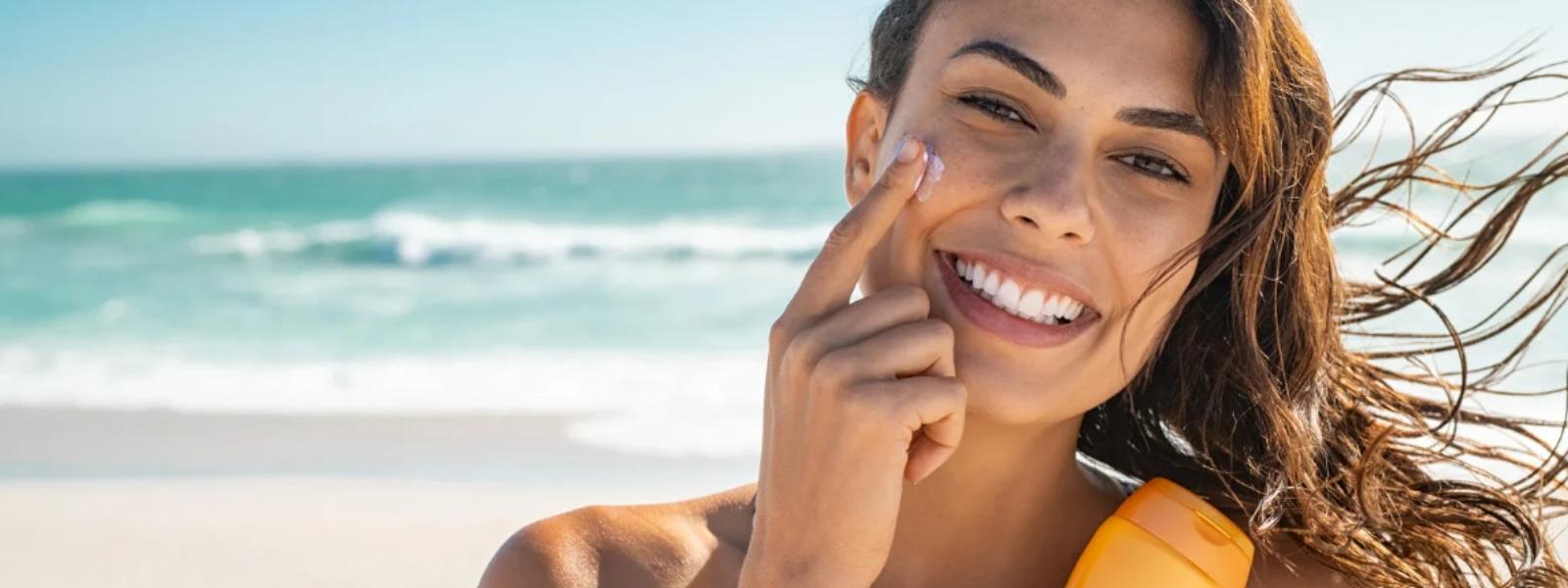


Tinted Sunscreen SPF 50 | Makeup-Friendly | No White Cast | Niacinamide + Titanium Dioxide | For Oily, Combination & Acne-Prone Skin | 40ml
Picture this: you've spent months planning the perfect wedding look, from your lehenga to your jewellery, but on the big day, you're dealing with unexpected tan lines, sunburn, or worse—hyperpigmentation that takes months to fade. Indian weddings are beautiful, elaborate affairs, but they're also marathons of sun exposure that can wreak havoc on your skin. Whether you're the bride, a family member, or a guest, understanding why sun protection is absolutely crucial can save your skin—and your photos—from lasting damage.
India's tropical and subtropical climate means we're dealing with intense UV radiation year-round, but wedding season brings unique challenges. The sun's rays are strongest between 10 AM and 4 PM—precisely when most outdoor wedding ceremonies take place. UV radiation doesn't just cause immediate sunburn; it penetrates deep into the skin, breaking down collagen and elastin fibres that keep your skin firm and youthful.
During a typical Indian wedding, you might spend 6-8 hours outdoors across multiple events. That's equivalent to several beach days without proper protection. The cumulative effect of this exposure accelerates premature ageing, causing fine lines, dark spots, and uneven skin tone that can take years to reverse. Real talk: your skin doesn't distinguish between a beach holiday and a wedding celebration—damage is damage.
What makes wedding season particularly risky is the combination of extended outdoor exposure with emotional stress and irregular skincare routines. Your skin's natural barrier function can become compromised, making it even more vulnerable to sun damage. This is why brides often notice new pigmentation or increased sensitivity in the weeks following their wedding.
There's a persistent myth that Indian skin doesn't need sun protection because melanin provides natural defence. Whilst it's true that darker skin tones have some built-in protection, it's nowhere near enough to shield against India's intense UV levels. In fact, Indian skin is particularly prone to hyperpigmentation when exposed to sun damage, creating dark spots that can persist for months or even years.
The reality is that melanin offers roughly SPF 4 protection—far below the recommended SPF 30 minimum for daily wear. During wedding season, when you're spending hours under direct sunlight, this natural protection becomes virtually meaningless. Post-inflammatory hyperpigmentation is especially common in Indian skin types, meaning any sun damage can trigger long-lasting dark spots that are notoriously difficult to treat.
Climate factors across India add another layer of complexity. From the humid coastal regions to the dry northern plains, different environments affect how your skin responds to sun exposure. High humidity can make you sweat more, washing away sunscreen faster, whilst dry climates can leave your skin more vulnerable to UV penetration. Understanding your local climate helps you choose the right sun protection strategy for your specific wedding venue.
Professional wedding photography often involves hours of outdoor shoots during peak sun hours. Photographers love golden hour light, but that same beautiful lighting can cause significant skin damage without proper protection. Many brides discover new freckles or dark spots weeks after their wedding, particularly on areas that received direct sun exposure during photo sessions.
Creating a comprehensive bride skincare routine means thinking about sun protection months in advance. Your skin needs time to build resilience and recover from any existing damage before your big day. Here's how to structure your approach for maximum protection and radiance.

Sunscreen Spray for Body | SPF 50+ PA+++ | Sweat & Water-Resistant | Broad Spectrum UVA/UVB Protection | Clear Matte Formula | Aloe Vera | 100ml
Six months before your wedding is when you should establish your daily SPF habit. This isn't just about preventing new damage—consistent sun protection allows your skin to begin repairing itself. Start with a broad-spectrum SPF 30 that you genuinely enjoy using, because consistency matters more than perfection. Your skin will thank you for this early investment when you're glowing in your wedding photos.
Three months out is prime time for intensive tanning prevention strategies. If you're planning outdoor pre-wedding events like engagement shoots or mehendi ceremonies, this is when you need to become militant about reapplication. Consider scheduling these events for early morning or late afternoon to minimise UV exposure. Your future self will appreciate avoiding the stress of trying to even out tan lines weeks before your wedding.
One month before your wedding, your sun protection routine should be locked in. No experimenting with new products that might cause reactions. Stick to formulas you know work well under makeup and don't cause breakouts. This is also when you should start thinking about protective accessories—elegant parasols, wide-brimmed hats for outdoor shoots, and UV-protective fabrics for pre-wedding events.
The week of your wedding requires extra vigilance. Apply sunscreen 30 minutes before any outdoor exposure, and reapply every two hours religiously. Keep blotting papers and powder handy for touch-ups that won't disturb your SPF layer. Remember, your neck, ears, and hands need protection too—these areas often show sun damage first and are prominently featured in wedding photos.
Not all sunscreens are created equal, especially when it comes to wedding events. Each celebration has unique requirements that affect which formula will serve you best. Understanding these differences helps you choose products that protect your skin whilst supporting your overall look.
Chemical sunscreens work well under makeup because they absorb into the skin without leaving a white cast. They're ideal for indoor-outdoor events where you need invisible protection that won't interfere with photography. However, they can cause sensitivity in some people, so test any new formula well in advance. Physical sunscreens containing zinc oxide or titanium dioxide provide immediate protection and are less likely to cause reactions, making them perfect for sensitive skin or the actual wedding day when you can't risk any adverse reactions.
For mehendi and haldi ceremonies, water-resistant formulas are non-negotiable. These events often involve water, oils, and lots of touching, which can remove regular sunscreen quickly. Look for formulas that maintain their protection for 80 minutes of water exposure. Reapply immediately after any water contact, even if you're within the stated protection window.
Reception events call for makeup-friendly SPF that photographs beautifully. Avoid formulas with high levels of zinc oxide if you'll be photographed with flash, as they can cause unwanted white cast in photos. Tinted sunscreens or those specifically formulated for photography work brilliantly for evening events that might extend into daylight hours.
Being a wedding guest doesn't mean you can skip sun protection—in fact, guests often spend more time outdoors than the couple themselves. You're likely attending multiple events, sitting through outdoor ceremonies, and participating in group photos under direct sunlight. Smart wedding guest skincare starts with choosing the right SPF level for each event.
For daytime outdoor ceremonies, SPF 30 is the absolute minimum, but SPF 50 provides better protection for extended exposure. The key is choosing a formula that won't interfere with your outfit or makeup. Gel-based sunscreens work well under traditional Indian wear, as they don't leave residue on fabrics. Cream formulas provide more moisture, which is helpful if you're dealing with air-conditioned venues that can dehydrate your skin.

Fluid SPF 50 Sunscreen for Oily Skin | No White Cast | Matte, Ultra-Light & Non-Greasy | Niacinamide + Vitamin C | 50ml
Reapplication techniques become crucial during long wedding days. Carry blotting papers to remove excess oil before reapplying sunscreen, and use a setting spray with SPF for quick touch-ups over makeup. If you're wearing heavy jewellery, pay extra attention to areas where metal meets skin—these spots can become irritated and more susceptible to sun damage.
Don't forget about protective accessories that complement traditional wedding attire. A beautiful dupatta can provide excellent sun protection when draped strategically. Sunglasses aren't just stylish—they protect the delicate eye area where signs of ageing appear first. Choose frames that complement your outfit whilst providing adequate coverage.
Even with the best intentions, certain sun protection mistakes can sabotage your wedding look. Understanding these pitfalls helps you avoid them when the stakes are highest. The most common error is applying sunscreen too close to makeup application, which can cause products to pill or separate.
Skipping SPF because you're wearing makeup with sun protection is another frequent mistake. Most makeup products don't provide adequate coverage or protection for extended outdoor exposure. You need a dedicated sunscreen as your base, with makeup SPF as supplementary protection. This layering approach ensures comprehensive coverage without compromising your look.
Flash photography can reveal sunscreen mistakes that aren't visible to the naked eye. Zinc oxide-heavy formulas can create white cast in flash photos, whilst inadequate blending can cause patchy appearance. Test your sunscreen under different lighting conditions before your wedding day, including flash photography, to ensure it photographs beautifully.
Timing is everything when it comes to sunscreen application. Applying it immediately before makeup can cause products to slide around, whilst waiting too long after application can reduce effectiveness. The sweet spot is 15-20 minutes between sunscreen and makeup application, allowing the SPF to set properly without compromising your look.
Professional makeup artists and dermatologists agree that the best sunscreen for weddings is one that works seamlessly with your specific skin type and makeup routine. For oily skin, gel-based or mattifying formulas prevent excess shine whilst providing protection. Dry skin benefits from cream formulas that offer additional hydration alongside sun protection.
Application technique matters as much as product choice. Use the two-finger rule: squeeze sunscreen along two fingers for your face and neck. This ensures you're using enough product for adequate protection. Blend in upward motions, paying special attention to often-missed areas like the hairline, ears, and around the eyes.
For long wedding days, strategic reapplication keeps you protected without ruining your look. Blot excess oil with tissue, apply a thin layer of sunscreen, and set with translucent powder. This technique maintains your makeup whilst refreshing your sun protection. Keep a small tube of sunscreen in your bridal emergency kit for touch-ups throughout the day.
Professional tip: apply sunscreen in thin layers rather than one thick application. This ensures better absorption, reduces the risk of white cast, and creates a smoother base for makeup. Allow each layer to absorb completely before applying the next, building up to your desired level of protection.

SPF 50 Sunscreen for Pigmentation | Lightweight, Non-Greasy, No White Cast | Fades Dark Spot & Acne Marks | For All Skin Types | 50g
Absolutely. Whilst melanin provides some natural protection, it's equivalent to only SPF 4—far below what's needed for India's intense UV radiation. Indian skin is particularly prone to hyperpigmentation from sun damage, making consistent sun protection essential for preventing dark spots and premature ageing. During wedding season, when you're spending hours outdoors, this protection becomes even more critical.
Yes, wearing SPF on your wedding day is non-negotiable. Choose a broad-spectrum SPF 30 or higher that's specifically formulated to work under makeup. Look for products that won't cause flashback in photography and won't interfere with your makeup's longevity. Your wedding day likely involves hours of outdoor exposure, making sun protection essential for both immediate comfort and long-term skin health.
Wedding ceremonies often involve 6-8 hours of outdoor exposure during peak UV hours. This extended sun exposure can cause immediate sunburn, long-term hyperpigmentation, and accelerated ageing. Sun protection prevents these issues whilst ensuring you look radiant in photos. Additionally, sunburned or damaged skin can affect how makeup applies and photographs, potentially impacting your wedding look.
Sunscreen doesn't remove existing hyperpigmentation, but it's crucial for preventing further darkening. UV exposure can worsen existing dark spots and trigger new pigmentation, making consistent sun protection essential for anyone dealing with hyperpigmentation. When combined with appropriate treatments, sunscreen allows your skin to heal and prevents setbacks in your skincare progress.
Reapply sunscreen every two hours, or immediately after sweating, swimming, or towelling off. During wedding events, this might mean reapplying 3-4 times throughout the day. Use blotting papers to remove excess oil before reapplication, and consider setting sprays with SPF for quick touch-ups over makeup. Don't forget often-missed areas like ears, neck, and hands.
Makeup with SPF provides supplementary protection but shouldn't replace dedicated sunscreen. Most people don't apply makeup thickly enough to achieve the stated SPF protection, and makeup alone rarely provides adequate coverage for extended outdoor exposure. Use a proper sunscreen as your base, with SPF makeup as an additional layer of protection.
Your wedding day should be about celebrating love, not worrying about sun damage. Proper sun protection ensures you look radiant in photos whilst protecting your skin's long-term health. Remember, the best sunscreen is the one you'll actually use consistently—find formulas you love and make them part of your daily routine well before your wedding.
The investment in quality sun protection pays dividends beyond your wedding day. Consistent SPF use prevents premature ageing, reduces hyperpigmentation risk, and maintains your skin's natural radiance for years to come. Whether you're planning your own wedding or attending as a guest, prioritising sun protection is one of the kindest things you can do for your future self.
For those exploring new skincare products and sun protection options, platforms like Smytten offer the opportunity to try premium brands before committing to full sizes. With over 28 million users discovering their perfect products through samples, you can find the ideal sunscreen for your skin type without the guesswork. Your skin deserves the best protection, especially during life's most important moments.
