Why PIH Worsens After Rainy Season India: FAQ


Dark Spot Reduction Set | 3-Step Routine for Hyperpigmentation & Even Skin Tone | Cleanser, Serum & Moisturizer | Skin Care Routine Kit
You've made it through another monsoon season, and your skin should be glowing from all that hydration, right? Instead, you're staring at dark spots and uneven patches that seem to have appeared out of nowhere. If you're wondering why PIH gets worse after rainy season India, you're not alone. Thousands of people across the country notice their post-inflammatory hyperpigmentation becoming more pronounced just as the humidity drops and the sun returns. The timing isn't coincidental—there's actual science behind why your skin decides to throw this curveball just when you thought monsoon troubles were over.
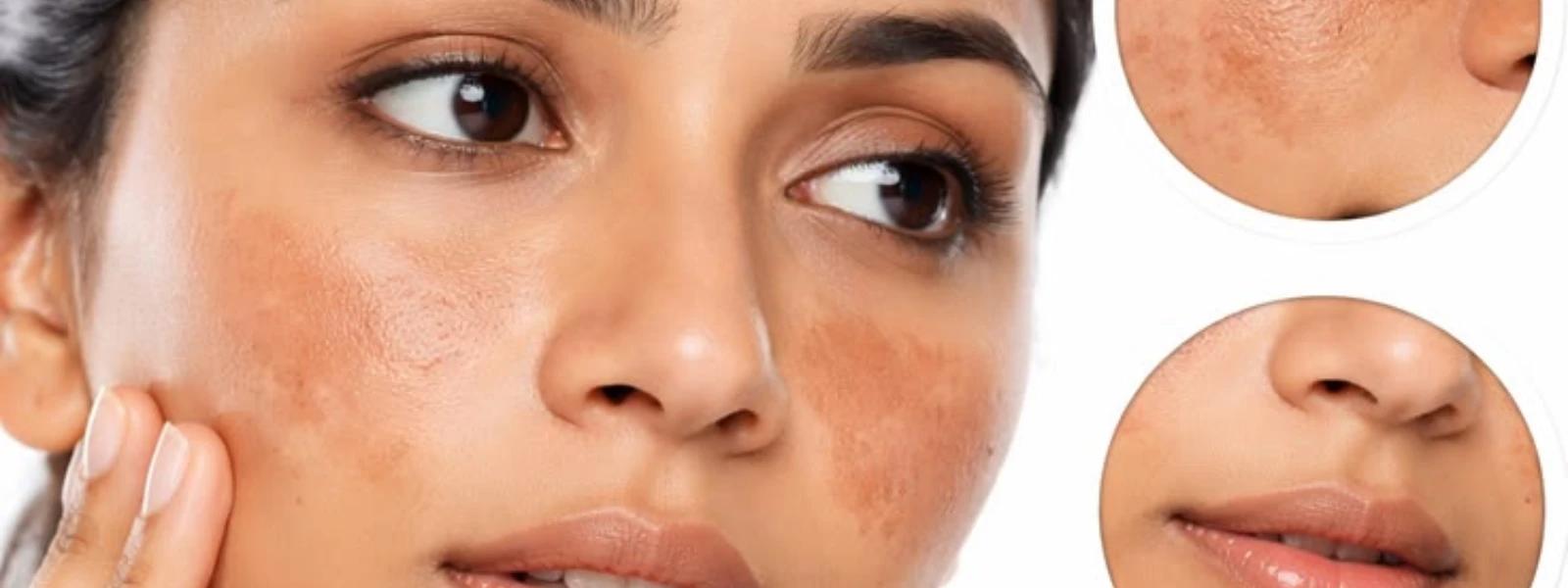
Post-inflammatory hyperpigmentation is your skin's way of responding to inflammation or injury by producing excess melanin. Think of it as an overenthusiastic healing response—instead of just repairing the damage, your skin decides to leave a dark mark as a reminder. This happens when acne, cuts, insect bites, or any form of skin irritation triggers melanocytes (pigment-producing cells) to go into overdrive.
People with darker skin tones, which includes most Indians, produce more melanin naturally. This means our skin is more reactive to inflammation and more likely to develop PIH after even minor skin trauma. What might heal invisibly on lighter skin often leaves a lasting mark on melanin-rich skin. It's not a flaw—it's just how our skin is designed to protect itself.
The key difference between PIH, melasma, and sun spots lies in their triggers. PIH always follows inflammation or injury, appearing exactly where the original problem occurred. Melasma tends to show up symmetrically on the face due to hormonal changes, whilst sun spots develop from cumulative UV damage over time. Understanding this distinction helps you target the right treatment approach.
India's monsoon season creates the perfect storm for skin inflammation, setting the stage for PIH to develop weeks later. The combination of extreme humidity, reduced sunlight, and environmental changes puts your skin through a stress test that often results in delayed pigmentation issues.
When humidity levels soar above 80% during monsoon months, your skin's natural barrier function gets disrupted. High humidity prevents proper moisture evaporation from your skin, leading to a compromised barrier that becomes more susceptible to irritation and inflammation. Your skin starts producing excess oil to compensate, which clogs pores and creates the perfect environment for acne breakouts.
The rainy season brings unique challenges that directly contribute to skin pigmentation India issues. Fungal infections thrive in damp conditions, causing itchy, inflamed patches that later develop into dark spots. Contact with contaminated rainwater introduces bacteria and pollutants that irritate sensitive skin. Even something as simple as wearing damp clothes for extended periods can trigger contact dermatitis, leading to PIH formation.
Reduced sunlight during monsoons also affects your skin's natural healing process. Vitamin D synthesis decreases, which impacts skin cell regeneration and repair mechanisms. This means any inflammation that occurs during this period takes longer to heal properly, increasing the likelihood of PIH development.
Here's the crucial part: PIH doesn't appear immediately after inflammation occurs. It typically shows up 2-4 weeks later, which explains why you notice dark spots after monsoon rather than during the rainy season itself. By the time you see the pigmentation, the original inflammation has often healed, making it harder to connect the dots between the monsoon trigger and the resulting dark spots.
The timing of PIH appearance after monsoon isn't random—it's based on how your skin processes inflammation and produces melanin. Understanding this timeline helps explain why prevention during monsoon is so much more effective than treatment after the fact.

Target & Fade Duo for Hyperpigmentation | Even-Tone Underarms, Inner Thighs & Bum | Refines Skin Texture | For All Skin Types
When your skin experiences inflammation during monsoon, it immediately starts the healing process. However, melanin production follows a different timeline. The inflammatory response triggers cytokines that signal melanocytes to produce more pigment. This process takes 2-6 weeks to become visible on the skin's surface, which is why you notice hyperpigmentation rainy season effects well after the humidity has dropped.
Post-monsoon sun exposure intensifies this process significantly. As clouds clear and UV levels increase, any existing inflammation gets worse, and newly formed melanin becomes more pronounced. Your skin, already compromised from months of humidity stress, struggles to handle the sudden increase in sun exposure.
The transition from high humidity to drier conditions creates additional stress for your skin. Sudden humidity drops can cause dehydration and barrier disruption, making existing PIH more noticeable. Temperature fluctuations between air-conditioned spaces and outdoor heat further compromise your skin's ability to heal evenly, leading to patchy pigmentation patterns.
Not every dark spot that appears after monsoon is PIH. Learning to identify the difference helps you choose the right treatment approach and avoid wasting time on ineffective solutions.
PIH appears as flat, dark spots that match the exact location of previous inflammation. They're usually brown or black on darker skin tones and can range from light tan to deep chocolate colours. The spots have well-defined borders and don't change texture—they're purely pigmentation changes, not raised or depressed areas.
Other common post-monsoon skin issues include melasma (symmetrical patches on the face), fungal infections (raised, scaly patches), and acne scars (textural changes with or without pigmentation). If you notice raised bumps, scaling, or symmetrical patterns that don't correspond to previous breakouts, you're likely dealing with something other than PIH.
Consult a dermatologist if dark spots appear suddenly without any memory of previous inflammation, if they're growing rapidly, or if they're accompanied by itching, bleeding, or changes in texture. These could indicate more serious skin conditions that require professional evaluation.
Treating PIH requires patience and the right approach for your skin type and budget. The good news is that several effective treatments are readily available in India, from dermatologist-prescribed options to over-the-counter solutions.
Professional PIH treatment India options include topical prescriptions like hydroquinone, tretinoin, and kojic acid. These ingredients work by either inhibiting melanin production or accelerating skin cell turnover to fade existing pigmentation. Hydroquinone is particularly effective but requires careful monitoring, whilst tretinoin helps with both PIH and overall skin texture.
Professional procedures like chemical peels and laser therapy offer faster results but require multiple sessions. Glycolic acid peels are popular for treating PIH on Indian skin, whilst Q-switched lasers can target specific dark spots. Expect to see improvement within 3-6 months with consistent treatment, though complete fading can take up to a year.

Mineral Sunscreen SPF 50 | Matte Finish | No White Cast | Non-Nano Zinc Oxide | Cica | Pregnancy Safe | All Skin Types | 50ml
For best skincare for PIH without prescription requirements, look for products containing niacinamide, vitamin C, arbutin, or azelaic acid. These ingredients are gentler than prescription options but still effective for mild to moderate PIH. Many Indian skincare brands now offer targeted pigmentation serums under ₹1000 that combine multiple active ingredients.
Consistent use of broad-spectrum SPF 30 or higher is non-negotiable when treating PIH. Sun exposure can darken existing spots and create new ones, undoing months of treatment progress. Look for sunscreens specifically formulated for Indian skin tones that don't leave a white cast.
Traditional natural remedies for PIH include turmeric, licorice extract, and neem, which have anti-inflammatory and skin-brightening properties. However, be cautious with DIY treatments—fresh turmeric can actually stain skin temporarily, and lemon juice can cause photosensitivity. Commercial products containing standardised extracts of these ingredients are generally safer and more effective than homemade preparations.
Preventing PIH is always easier than treating it after the fact. Building a monsoon-specific skincare routine can significantly reduce your risk of developing post-rainy season pigmentation issues.
Start strengthening your skin barrier 2-4 weeks before monsoon season begins. Focus on gentle exfoliation to remove dead skin cells, consistent moisturising to maintain barrier function, and introducing antioxidants like vitamin C to protect against environmental damage. A strong, healthy skin barrier is less likely to develop inflammation during humid conditions.
Adjust your routine for high humidity by switching to lighter, gel-based moisturisers and using oil-free cleansers twice daily. Keep your skin clean and dry, especially in areas prone to chafing or fungal infections. Change out of wet clothes immediately, and use antifungal powders in areas like underarms and feet where moisture tends to accumulate.
As humidity drops, gradually reintroduce active ingredients like retinoids or AHAs that you might have avoided during monsoon. Increase your moisturiser strength to combat the drier air, and be extra vigilant about sun protection as UV levels increase. This transition period is crucial for preventing PIH formation from any lingering inflammation.
Mild PIH can start fading within 3 months with consistent treatment, but complete resolution typically takes 6-12 months. The timeline depends on how dark the spots are, your skin type, and the treatment approach you're using. Patience and consistency are key to seeing results.

Salicylic Acid Face Cleanser | Deep Cleansing Formula for Breakouts | Unclogs Pores & Controls Oil | For Oily & Acne-Prone Skin | 100ml
Winter's dry air can make PIH appear more pronounced because dehydrated skin looks duller, creating more contrast with dark spots. Additionally, people often neglect sun protection in winter, allowing UV rays to darken existing pigmentation. Maintaining hydration and SPF use year-round helps prevent this worsening.
Absolutely. UV exposure is one of the biggest factors that darken existing PIH and slow down the fading process. Post-monsoon sun exposure is particularly problematic because your skin is already compromised from months of humidity stress. Daily SPF use is essential for preventing further darkening.
You're not suddenly getting PIH—you're seeing the delayed result of inflammation that occurred during monsoon season. PIH takes 2-6 weeks to become visible, which is why it appears to develop suddenly after the rainy season ends. Any acne, fungal infections, or skin irritation from monsoon conditions can trigger this delayed pigmentation response.
Without treatment, PIH can take 6-24 months to fade naturally, and some spots may never completely disappear on their own. The fading process is much slower without active intervention, which is why targeted treatments are recommended for faster, more complete results.
Humidity itself doesn't directly cause PIH, but it creates conditions that lead to inflammation—clogged pores, fungal infections, contact dermatitis from damp clothing, or increased sensitivity to environmental irritants. Any of these inflammatory responses can trigger PIH formation even without visible acne.
PIH is not permanent, but it can be very long-lasting without treatment. Some spots may fade significantly over 1-2 years, whilst others remain visible indefinitely. Early intervention with appropriate treatments dramatically improves outcomes and speeds up the fading process.
Acne scars involve textural changes—either raised (hypertrophic) or depressed (atrophic) areas where the skin structure has been damaged. PIH is purely a pigmentation change with no textural difference. You can have both scars and PIH from the same breakout, which is why professional evaluation is helpful for choosing the right treatment approach.
Understanding why PIH gets worse after rainy season India empowers you to take proactive steps for healthier skin. The delayed nature of PIH formation means prevention during monsoon season is your best strategy, but effective treatments are available if you're already dealing with post-monsoon pigmentation issues.
Remember that treating PIH is a marathon, not a sprint. Consistency with your chosen treatment approach, whether it's professional procedures or over-the-counter products, will give you the best results. Most importantly, never skip sun protection—it's the single most important factor in preventing existing PIH from getting worse and new spots from forming.
If you're exploring treatment options, platforms like Smytten Shop offer curated selections of skincare products from trusted brands, allowing you to try different approaches without committing to full-sized products immediately. With over 28 million users discovering effective skincare solutions, you can find products specifically formulated for Indian skin concerns, including targeted treatments for post-inflammatory hyperpigmentation. Your skin's journey through monsoon challenges and recovery is unique, and finding the right products to support that journey makes all the difference in achieving the clear, even-toned skin you're working towards.
