Why Do Pimples Leave Dark Marks on Indian Skin? FAQ


Rapid Dark Spot Correction Set | Reduces Dark Spots & Post-Acne Marks | Cleanser, Gel, Moisturizer & Sunscreen Kit
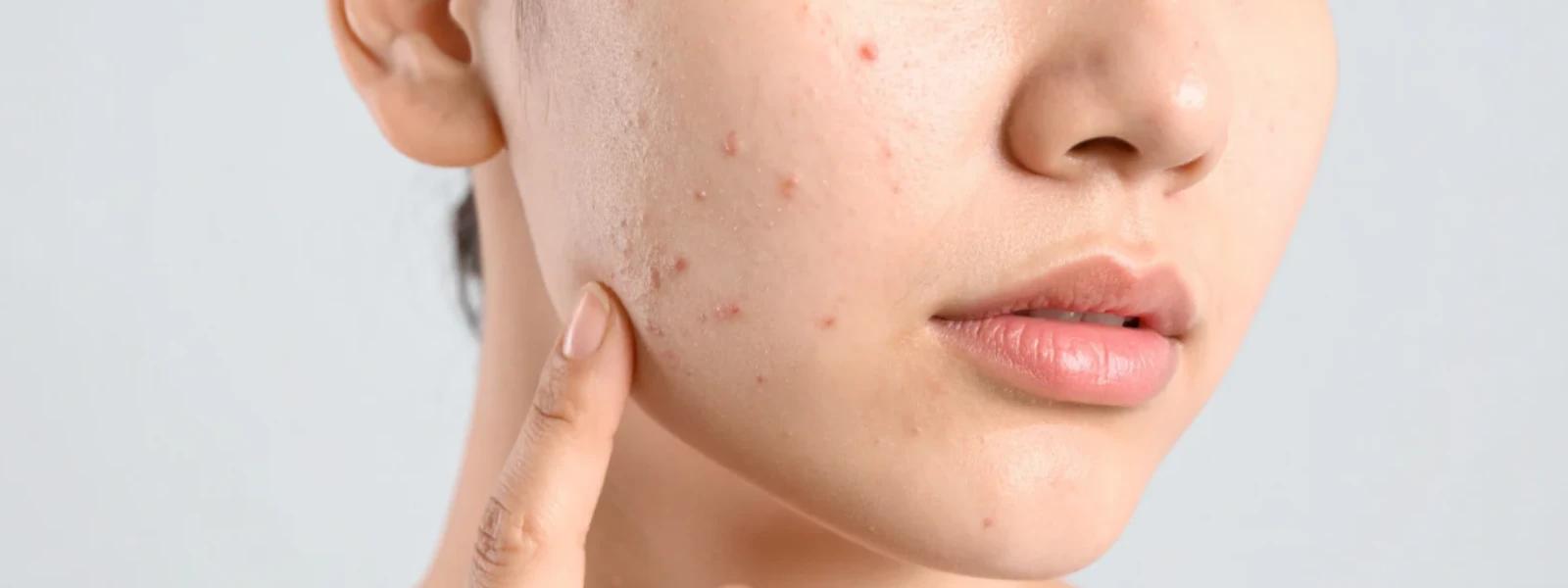
You've finally conquered that stubborn pimple, only to discover it's left behind a dark mark that seems more persistent than the original breakout. If you're wondering why pimples leave dark marks on Indian skin and feeling frustrated by these lingering reminders, you're not alone. This phenomenon, known as post-inflammatory hyperpigmentation, affects people with melanin-rich skin tones more frequently and intensely. Understanding the science behind these marks is the first step towards effectively treating and preventing them.
Post-inflammatory hyperpigmentation (PIH) occurs when your skin produces excess melanin in response to inflammation from acne. Think of it as your skin's overenthusiastic healing response – whilst trying to repair the damage from a pimple, it creates too much pigment, resulting in those frustrating dark spots that can linger for months.
Indian skin, which typically falls into Fitzpatrick skin types IV to VI, contains higher concentrations of melanocytes – the cells responsible for producing melanin. When inflammation strikes, these melanocytes go into overdrive, producing significantly more pigment than lighter skin tones would in the same situation. This explains why hyperpigmentation on Indian skin tends to be more pronounced and persistent.
Your skin's melanocytes are naturally more active if you have Indian heritage, which serves as protection against UV damage. However, this same protective mechanism becomes problematic when dealing with acne inflammation. The inflammatory cascade triggered by a pimple sends signals to melanocytes to produce more melanin, often resulting in dark spots from acne that can be several shades darker than your natural skin tone.
Several factors make Indian skin particularly susceptible to developing skin discoloration after acne. Genetic predisposition plays a significant role – if your parents or grandparents experienced similar pigmentation issues, you're more likely to develop them too. The tropical climate in much of India, with its intense UV exposure and high humidity, can exacerbate the inflammatory response and slow down the natural fading process.
Environmental factors like pollution and dust can also worsen inflammation, whilst cultural beauty practices such as frequent face scrubbing or using harsh home remedies can inadvertently trigger more pigmentation. Hormonal fluctuations, particularly common during adolescence, menstruation, and pregnancy, can make Indian skin even more reactive to inflammatory triggers.
People with Fitzpatrick skin types IV-VI have a higher baseline melanin production, making them more prone to Indian skin pigmentation issues. Additionally, the tendency to pick at blemishes – a habit many of us are guilty of – can significantly worsen the inflammatory response and increase the likelihood of permanent dark marks.
Not all dark marks are created equal, and understanding the difference is crucial for choosing the right treatment approach. Post-inflammatory hyperpigmentation appears as flat, brown, or black spots that are the same texture as surrounding skin. These are different from acne scars on Indian skin, which involve actual changes to skin texture and depth.

Target & Fade Duo for Hyperpigmentation | Even-Tone Underarms, Inner Thighs & Bum | Refines Skin Texture | For All Skin Types
Post-inflammatory erythema (PIE) presents as red or purple marks and is less common in darker skin tones but can still occur. True acne scars include ice pick scars (deep, narrow indentations), boxcar scars (wider, angular depressions), and rolling scars (wave-like undulations in the skin).
Flat brown or black spots that don't change skin texture indicate PIH and typically respond well to topical treatments. Raised, thick marks suggest hypertrophic scarring, whilst depressed areas indicate atrophic scarring, both of which may require professional intervention for optimal results.
The good news is that how to fade dark marks has been extensively studied, and several effective treatments exist for Indian skin. The key is patience and consistency, as pimples dark marks treatment typically requires 3-6 months to show significant improvement, and complete fading can take up to a year.
Professional treatments offer faster results but require careful consideration for darker skin tones. At-home treatments, whilst slower, can be highly effective when used consistently and are often more accessible and affordable for long-term use.
Chemical peels using glycolic acid, lactic acid, or mandelic acid can accelerate cell turnover and fade dark marks. However, these must be performed by experienced practitioners familiar with treating Indian skin to avoid worsening pigmentation. Laser treatments like Q-switched lasers can be effective but carry risks of post-inflammatory hyperpigmentation if not performed correctly.
Topical retinoids, including tretinoin and adapalene, are gold-standard treatments that accelerate cell turnover and prevent new dark marks from forming. Vitamin C serums provide antioxidant protection whilst inhibiting melanin production. Niacinamide reduces inflammation and helps regulate melanin transfer, making it particularly beneficial for Indian skin.
When searching for the best dark spot correctors, focus on evidence-based ingredients that have been proven safe and effective for darker skin tones. Acne marks removal requires a multi-pronged approach targeting different aspects of the pigmentation process.
Hydroquinone remains the most effective topical lightening agent, but it should be used under dermatological guidance and for limited periods. Kojic acid offers gentler lightening properties, whilst arbutin provides similar benefits with less risk of irritation. Tranexamic acid has emerged as a powerful ingredient for stubborn marks, particularly when combined with other actives.

Mineral Sunscreen SPF 50 | Matte Finish | No White Cast | Non-Nano Zinc Oxide | Cica | Pregnancy Safe | All Skin Types | 50ml
Alpha hydroxy acids (AHAs) like glycolic and lactic acid help exfoliate the skin surface, whilst beta hydroxy acid (BHA) or salicylic acid penetrates pores to prevent new breakouts. Natural alternatives include licorice root extract, which contains glabridin, and vitamin E, which supports skin healing and provides antioxidant benefits.
Prevention is always better than treatment when it comes to dark marks. Proper acne management is crucial – treating breakouts early and effectively reduces the inflammatory response that triggers pigmentation. Never pick or squeeze pimples, as this significantly increases the risk of dark marks and scarring.
Sun protection is non-negotiable for Indian skin. UV exposure can darken existing marks and trigger new pigmentation, making SPF 30 or higher essential every day, regardless of weather or indoor activities. Look for broad-spectrum formulations that don't leave a white cast on darker skin tones.
A gentle morning routine should include a mild cleanser, antioxidant serum (like vitamin C), moisturiser, and broad-spectrum SPF. Evening routines can incorporate active ingredients like retinoids or AHAs, followed by a nourishing moisturiser. Anti-inflammatory foods rich in omega-3 fatty acids and antioxidants can support skin healing from within.
Dark marks on Indian skin typically take 6-12 months to fade naturally without treatment. With consistent use of appropriate skincare ingredients, this timeline can be reduced to 3-6 months. Deeper or older marks may take longer and might require professional treatment for complete resolution.
Yes, picking or squeezing pimples significantly increases inflammation and can lead to permanent dark marks or scarring. The trauma from picking triggers a stronger inflammatory response, causing melanocytes to produce more pigment. Always resist the urge to pick and treat breakouts with appropriate skincare products instead.

Salicylic Acid Face Cleanser | Deep Cleansing Formula for Breakouts | Unclogs Pores & Controls Oil | For Oily & Acne-Prone Skin | 100ml
Dark marks (post-inflammatory hyperpigmentation) are flat discolourations that don't change skin texture. Acne scars involve actual changes to skin structure, appearing as depressions or raised areas. Dark marks typically respond to topical treatments, whilst true scars often require professional procedures like laser therapy or microneedling.
Whilst some natural ingredients like turmeric, lemon juice, and tomato are popular home remedies, they can actually worsen pigmentation or cause irritation on Indian skin. Evidence-based ingredients like niacinamide, vitamin C, and gentle AHAs are safer and more effective options available in well-formulated skincare products.
Consult a dermatologist if dark marks don't improve after 3-4 months of consistent treatment, if you're experiencing ongoing acne breakouts, or if you're unsure whether you're dealing with pigmentation or scarring. Professional guidance is especially important for Indian skin to avoid treatments that might worsen pigmentation.
Most dark marks from pimples can fade significantly with proper treatment, often becoming barely noticeable. Complete removal depends on factors like the depth of pigmentation, how long the marks have been present, and individual skin response to treatment. Newer marks typically respond better than older, established pigmentation.
Genetic factors, skin type, and melanin production levels all influence whether someone develops dark marks from pimples. People with higher melanin content (including most Indian skin types) are more prone to post-inflammatory hyperpigmentation. Hormonal factors, sun exposure, and how acne is treated also play significant roles.
Combining treatments can be effective but requires careful consideration to avoid irritation. Start with one active ingredient and gradually introduce others. Avoid using multiple strong actives simultaneously, and always use SPF when using any pigmentation treatments, as many can increase photosensitivity.
Understanding why pimples leave dark marks on Indian skin empowers you to make informed decisions about treatment and prevention. Remember that post-inflammatory hyperpigmentation is a common, treatable condition that affects many people with melanin-rich skin. The key to success lies in patience, consistency, and using evidence-based treatments appropriate for your skin type.
Whether you're exploring new skincare ingredients or looking for tried-and-tested solutions, platforms like Smytten Shop offer access to curated beauty products from premium brands, allowing you to discover what works best for your unique skin needs. With over 28 million users trusting the platform for their beauty discoveries, you can explore dark spot correctors and pigmentation treatments with confidence, often with cashback benefits that make building an effective routine more affordable.
Your skin's journey towards clarity and even tone is unique, and what works for others might need adjustment for your specific needs. Focus on gentle, consistent care, protect your skin from further damage with daily SPF, and remember that every small step towards healthier skin habits contributes to long-term improvement in both your skin's appearance and your confidence.
