Why Acne Leaves Dark Spots: Your FAQ Answered


Target & Fade Duo for Hyperpigmentation | Even-Tone Underarms, Inner Thighs & Bum | Refines Skin Texture | For All Skin Types
You've finally cleared that stubborn breakout, but now you're left staring at dark marks where your pimples used to be. Sound familiar? Those lingering spots can feel more frustrating than the original acne itself. The good news is that understanding why acne leaves dark spots is the first step toward getting your skin back to its clear, even-toned best.
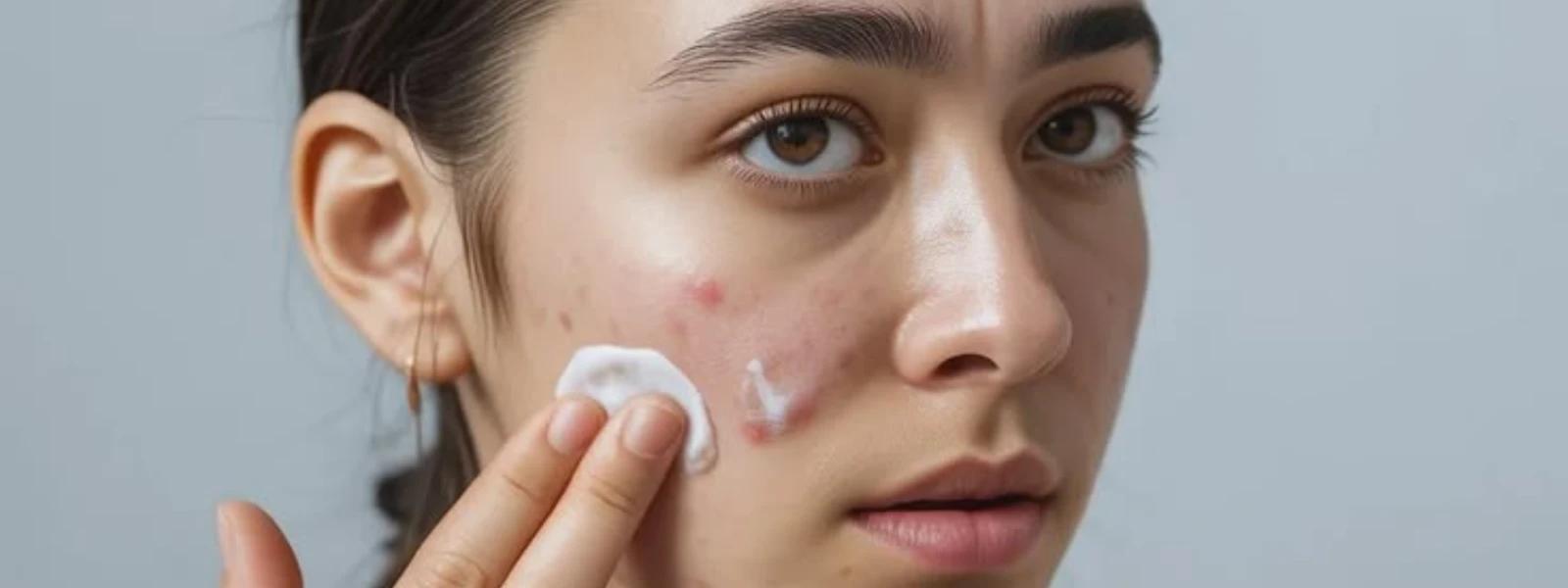
Post inflammatory hyperpigmentation (PIH) is your skin's natural response to inflammation from acne. When a pimple heals, it sometimes leaves behind a flat, discoloured mark that's darker than your surrounding skin tone. These acne dark spots aren't actually scars—they're areas where your skin has produced excess melanin during the healing process.
It's important to distinguish between PIH and true acne scars. Dark spots are flat colour changes that fade over time, whilst scars involve changes to your skin's texture—think indentations, raised bumps, or uneven surface areas. Dark spots on face typically appear as brown, black, or reddish marks, depending on your skin tone and the depth of inflammation.
These marks commonly show up on areas where you've had frequent breakouts: your forehead, cheeks, chin, and jawline. The acne discoloration can range from light brown to deep black, and whilst they're completely harmless, they can take months or even years to fade naturally without treatment.
Understanding the biological process behind skin pigmentation after acne helps explain why some people develop dark spots whilst others don't. When your skin experiences inflammation from a pimple, your immune system springs into action, sending inflammatory cells to fight the infection and begin healing.
During this inflammatory response, your melanocytes (pigment-producing cells) can become overstimulated. They start producing excess melanin as a protective mechanism, similar to how your skin darkens when exposed to UV rays. This extra melanin gets deposited in the area where the pimple was healing, creating those persistent dark marks.
People with higher melanin content in their skin—particularly those with medium to dark skin tones—are more prone to developing PIH. This isn't a flaw; it's simply how melanin-rich skin responds to inflammation and trauma.
Several factors can make acne discoloration worse or more likely to occur. Picking, squeezing, or popping pimples creates additional trauma to the skin, triggering an even stronger inflammatory response and increasing melanin production.
Sun exposure is another major culprit. UV rays stimulate melanin production, which can darken existing spots and make them more persistent. Hormonal fluctuations, particularly during menstruation, pregnancy, or when starting new contraceptives, can also influence how your skin responds to inflammation.
Prevention is always easier than treatment when it comes to PIH. The key is managing your acne gently whilst protecting your skin from additional triggers that could worsen pigmentation.
Daily SPF protection is non-negotiable. Even on cloudy days, UV exposure can darken existing spots and trigger new pigmentation. Look for broad-spectrum SPF 50+ that won't clog your pores or feel heavy on acne-prone skin.
Resist the urge to pick or squeeze pimples, no matter how tempting it might be. Instead, treat active breakouts with gentle, consistent skincare that reduces inflammation without causing additional trauma to your skin.

Mineral Sunscreen SPF 50 | Matte Finish | No White Cast | Non-Nano Zinc Oxide | Cica | Pregnancy Safe | All Skin Types | 50ml
Incorporating the right actives into your routine can help prevent both acne and the dark spots that follow. Retinol and retinoids work by increasing cell turnover, helping to prevent clogged pores whilst encouraging faster healing of existing breakouts.
Salicylic acid provides gentle exfoliation that keeps pores clear without over-irritating your skin. For active acne, benzoyl peroxide can help control bacterial growth, whilst adapalene gel offers prescription-strength pore management that's now available over the counter.
Once dark spots have formed, the right hyperpigmentation treatment can significantly speed up the fading process. The key is choosing ingredients that target melanin production whilst supporting healthy skin turnover.
Vitamin C serums are excellent for brightening existing dark spots whilst providing antioxidant protection. Look for stable forms like magnesium ascorbyl phosphate or sodium ascorbyl phosphate, which are less likely to irritate sensitive or acne-prone skin.
Hydroquinone remains the gold standard for melanin reduction, though it should be used carefully and ideally under dermatological guidance. Niacinamide offers a gentler approach, helping to regulate melanin transfer whilst reducing inflammation that could trigger new dark spots.
For faster results or stubborn pigmentation, professional treatments can be incredibly effective. Chemical peels using glycolic acid, lactic acid, or TCA can accelerate cell turnover and reveal brighter skin underneath.
Microneedling stimulates collagen production whilst creating channels that allow topical treatments to penetrate more deeply. Laser treatments, particularly those designed for darker skin tones, can target specific pigmented areas without damaging surrounding tissue.
Whilst professional treatments offer faster results, there are gentle, natural approaches that can support your skin's healing process when used consistently over time.
Gentle exfoliation with ingredients like rice water or oatmeal can help remove dead skin cells and encourage cell turnover. However, it's crucial to avoid over-exfoliating, which can worsen inflammation and potentially darken spots further.
Natural brightening ingredients like liquorice root extract, kojic acid from fermented rice, and arbutin from bearberry plants can provide mild melanin-inhibiting effects. The key with natural treatments is consistency and realistic expectations—results typically take several months to become noticeable.
Your overall health significantly impacts how quickly your skin heals and regenerates. A diet rich in antioxidants, particularly vitamin C, vitamin E, and zinc, supports collagen production and skin repair processes.

Salicylic Acid Face Cleanser | Deep Cleansing Formula for Breakouts | Unclogs Pores & Controls Oil | For Oily & Acne-Prone Skin | 100ml
Adequate hydration helps maintain your skin barrier function, whilst quality sleep gives your skin time to repair and regenerate. Managing stress through exercise, meditation, or other healthy outlets can also help regulate hormones that influence both acne and pigmentation.
Understanding realistic timelines helps set proper expectations and prevents the frustration that leads many people to abandon effective treatments too early.
Without treatment, post inflammatory hyperpigmentation can take anywhere from six months to two years to fade naturally. The timeline depends on several factors: the depth of the original inflammation, your skin tone, sun exposure, and your skin's natural turnover rate.
Lighter spots that formed from minor inflammation typically fade faster than deep, dark marks from severe cystic acne. People with darker skin tones may notice longer fading times, but this doesn't mean the spots are permanent—just that patience and consistent treatment are essential.
With consistent use of over-the-counter treatments, you might start seeing improvement in 6-12 weeks, with significant fading occurring over 3-6 months. Professional treatments can accelerate this timeline, with some people seeing noticeable improvement in 4-8 weeks.
Combination therapy—using both topical treatments and professional procedures—often provides the best results. However, maintenance is crucial; stopping treatment too early can allow spots to darken again, especially with sun exposure.
Unfortunately, there's no legitimate way to completely remove dark spots overnight. Melanin deposits take time to break down and be eliminated by your skin's natural processes. Whilst some treatments can provide slight brightening within 24-48 hours, significant fading requires weeks to months of consistent treatment. Be wary of products promising instant results—they often contain harsh ingredients that can worsen pigmentation.
A pimple turning black without manipulation is part of the natural healing process. As inflammation subsides, melanin production can increase in that area, creating a dark spot. This is completely normal, especially for people with medium to dark skin tones. The black colour doesn't indicate infection or permanent damage—it's simply post inflammatory hyperpigmentation forming as your skin heals.
Prevention focuses on gentle acne management and sun protection. Use non-comedogenic products that treat acne without causing excessive irritation. Never pick or squeeze pimples, and always wear broad-spectrum SPF during the day. Incorporating gentle exfoliating acids like salicylic acid can help prevent both acne and the inflammation that leads to dark spots.
Dark spots from acne are not permanent, though they can be very persistent without treatment. Unlike true acne scars, which involve structural changes to the skin, PIH is simply excess pigmentation that will eventually fade. The timeline varies greatly—some spots fade within months, whilst others may take years without intervention. Proper treatment can significantly accelerate this process.

Hydrating Moisturizer | Non-Comedogenic | Boosts Collagen & Hydrates Deeply | Ceramides + Niacinamide | For Normal to Dry Skin | 50g
Dark spots are flat colour changes with no texture difference from surrounding skin. Acne scars involve changes to skin texture—indentations, raised areas, or uneven surfaces. Dark spots will fade over time with or without treatment, whilst true scars typically require professional intervention to improve. You can often tell the difference by running your finger over the area—if it feels smooth, it's likely PIH rather than scarring.
The most effective ingredients for removing dark spots from acne include vitamin C, retinoids, hydroquinone, kojic acid, and azelaic acid. Niacinamide is particularly good for sensitive skin, whilst alpha hydroxy acids like glycolic acid can help speed cell turnover. The key is choosing ingredients appropriate for your skin type and using them consistently over time.
Creating an effective routine requires balancing active ingredients that target pigmentation with gentle, supportive products that maintain your skin barrier and prevent irritation.
Start with a gentle, non-stripping cleanser that removes overnight treatments without disrupting your skin barrier. Follow with a vitamin C serum to provide antioxidant protection and mild brightening effects throughout the day.
Your morning routine should always end with broad-spectrum SPF 50+. This step is crucial for preventing existing dark spots from darkening and protecting your skin from UV-induced pigmentation. Look for lightweight, non-comedogenic formulas that won't interfere with makeup application.
Evening is the ideal time for stronger actives like retinoids, which can increase photosensitivity. Start slowly with retinol or adapalene, using it every other night initially to build tolerance. On alternate nights, you might use other brightening ingredients like kojic acid or azelaic acid.
Always follow active treatments with a nourishing moisturiser to support your skin barrier. Consider adding a weekly treatment like a gentle chemical exfoliant or brightening mask to boost your routine's effectiveness.
Sensitive skin benefits from gentler ingredients like niacinamide, vitamin C in stable forms, and lower concentrations of acids. Oily skin can typically handle stronger actives and may benefit from gel-based formulations that won't feel heavy or clog pores.
For darker skin tones, it's particularly important to choose products specifically tested for melanin-rich skin. Some ingredients that work well on lighter skin can cause irritation or paradoxical darkening in deeper skin tones, so patch testing and gradual introduction are essential.
Understanding why acne leaves dark spots empowers you to make informed decisions about prevention and treatment. Remember that post inflammatory hyperpigmentation is a normal part of your skin's healing process, not a permanent condition or personal failing.
The key to successfully managing acne dark spots lies in patience, consistency, and choosing the right products for your skin type. Whether you're exploring gentle over-the-counter options or considering professional treatments, the most important factor is maintaining realistic expectations and giving your chosen approach time to work.
For those looking to discover new products and treatments, platforms like Smytten Shop offer the opportunity to try samples before committing to full-sized products. With over 28 million users exploring curated beauty selections, you can find trusted brands and effective treatments whilst earning cashback on your purchases. This approach helps you build an effective routine without the frustration of products that don't work for your unique skin needs.
Your skin's journey toward clarity and even tone is exactly that—a journey. With the right knowledge, products, and approach, those stubborn dark spots will fade, leaving you with the confident, radiant skin you deserve.
