What Causes Sweat Rash? Your FAQ Answered
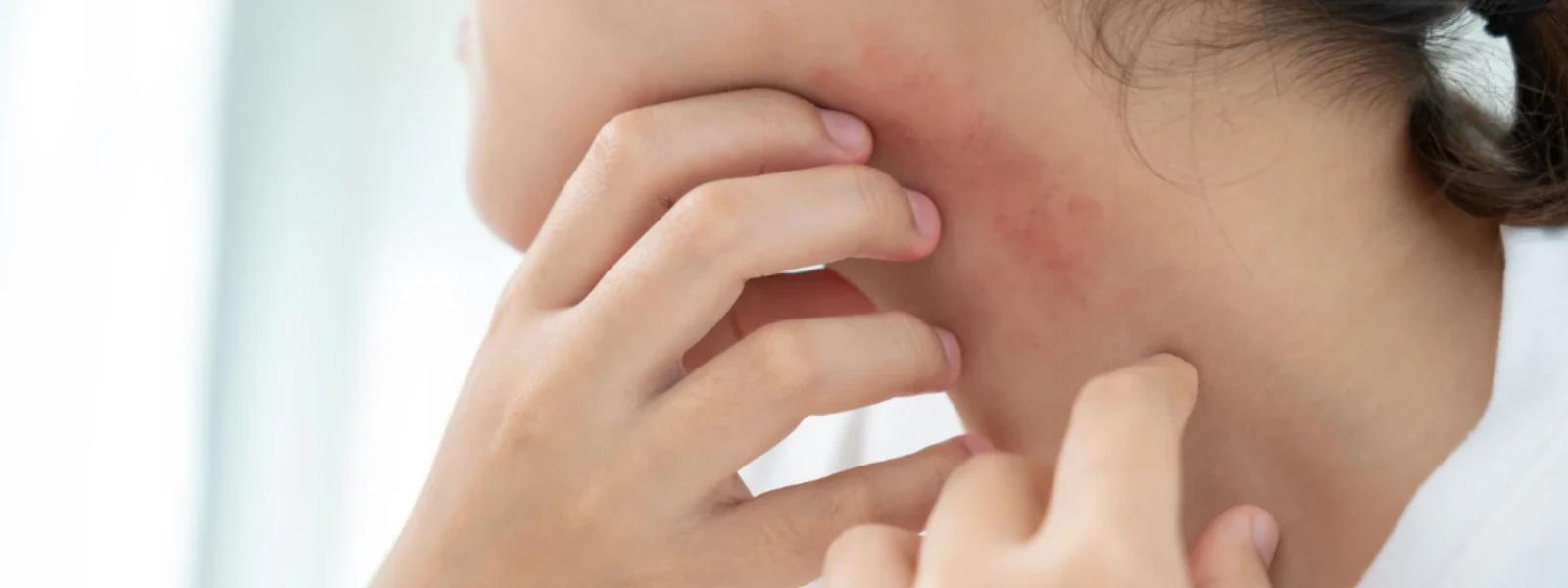

That familiar prickling sensation after a sweaty workout or a humid day outdoors isn't just discomfort—it's your skin telling you something important. Sweat rash, also known as heat rash or prickly heat, affects millions of people, especially during India's intense summer months. Whether you've noticed small red bumps after your morning jog or experienced irritation in skin folds during monsoon humidity, understanding what causes this common skin concern is the first step toward effective management and prevention.
Sweat rash, medically termed miliaria, occurs when your body's natural cooling system gets disrupted. Under normal circumstances, sweat travels through tiny ducts from deep within your skin to the surface, where it evaporates and cools your body. This process works seamlessly until something blocks these microscopic pathways.
When sweat ducts become obstructed by dead skin cells, bacteria, or debris, perspiration gets trapped beneath the skin's surface. This creates a perfect storm for inflammation, leading to the characteristic bumps, redness, and irritation we recognise as heat rash. The trapped sweat essentially creates tiny water balloons under your skin, which your immune system identifies as foreign irritants.
The inflammatory response that follows is your body's attempt to clear the blockage and restore normal function. This process manifests as the visible symptoms—small red or clear bumps, itching, and sometimes a prickling or burning sensation that gives prickly heat its distinctive name.
Unlike other skin conditions such as eczema or contact dermatitis, sweat rash specifically relates to your body's sweating mechanism. It's not an allergic reaction or autoimmune response, but rather a mechanical problem with your skin's cooling system. This distinction is crucial for choosing the right treatment approach.
Understanding what triggers sweat rash helps you identify patterns in your own experience and take preventive action. The causes often work in combination, creating the perfect conditions for blocked sweat ducts.
India's tropical climate creates ideal conditions for heat rash development. High temperatures combined with humidity prevent sweat from evaporating efficiently, leading to prolonged moisture contact with your skin. Air conditioning can paradoxically contribute to the problem—moving from hot, humid outdoor conditions to cold, dry indoor environments repeatedly throughout the day can shock your sweat glands into overproduction.
Exercise-induced sweating, whilst beneficial for overall health, can trigger skin irritation from sweat when combined with tight or non-breathable clothing. Synthetic fabrics that don't allow moisture to escape create a humid microenvironment against your skin. Areas where clothing rubs against skin—waistbands, bra lines, and collar areas—are particularly vulnerable to developing rash symptoms.
Certain factors make some people more susceptible to developing sweat rash. Babies and young children have smaller, more easily blocked sweat ducts. Adults with naturally oily skin may experience more frequent blockages due to excess sebum mixing with sweat. Some medications, particularly those that increase sweating or affect skin cell turnover, can also increase your risk.
Identifying sweat rash symptoms early allows for prompt treatment and prevents complications. The appearance and sensation of heat rash can vary depending on which layer of skin is affected and how severe the blockage has become.
The most common presentation involves small, red bumps clustered in areas prone to sweating. These bumps may appear as tiny blisters filled with clear fluid or as solid, raised spots. In some cases, you might notice small white or clear bumps that look almost like tiny pearls under the skin surface.
The characteristic itchy skin rash sensation often begins as a mild prickling or tingling feeling. This can progress to more intense itching, burning, or stinging sensations. Some people describe the feeling as having tiny needles touching their skin, particularly when they begin to sweat or when clothing rubs against the affected area.
Sweat rash typically develops in areas where sweat tends to accumulate or where skin rubs against skin or clothing. These include the neck, chest, back, underarms, groin area, and skin folds such as under the breasts or in the elbow creases. In India's climate, the face and scalp can also be affected, particularly around the hairline where sweat and hair products may combine to block pores.
When sweat rash develops, prompt treatment can provide relief and prevent the condition from worsening. The most effective approaches focus on cooling the skin, reducing inflammation, and allowing blocked sweat ducts to clear naturally.
The first line of sweat rash treatment involves cooling the affected area and stopping further sweating. Move to a cool, well-ventilated space immediately. Cool compresses applied for 10-15 minutes can provide instant relief from burning and itching sensations. A lukewarm shower or bath can help remove sweat, bacteria, and debris that may be contributing to duct blockages.
Over-the-counter treatments can effectively manage heat rash symptoms. Calamine lotion provides cooling relief whilst helping to dry excess moisture. Hydrocortisone cream can reduce inflammation and itching, though it should be used sparingly and for short periods. For those exploring curated skincare options, platforms like Smytten Shop offer access to gentle, dermatologist-recommended products that can support skin recovery without irritation.
Switching to loose, breathable clothing made from natural fibres like cotton allows air circulation around affected areas. Remove any tight clothing or accessories that might be trapping moisture against your skin. If possible, spend time in air-conditioned environments to give your skin a break from heat and humidity.
Many effective sweat rash home remedies use ingredients you likely have at home. These natural approaches can complement medical treatments and provide gentle relief for sensitive skin.
Aloe vera gel, stored in the refrigerator for extra cooling effect, can provide immediate relief from burning and itching. The natural anti-inflammatory properties help reduce redness whilst the cooling sensation interrupts the itch-scratch cycle. Cool oatmeal baths create a protective, soothing film over irritated skin and can help remove dead skin cells that might be blocking sweat ducts.
Cornstarch can help absorb excess moisture in skin folds where sweat rash commonly develops. Apply a light dusting after ensuring the skin is completely clean and dry. Baking soda mixed with water to create a paste can help exfoliate dead skin cells gently, though this should only be used on unbroken skin.
Chamomile tea, cooled and applied as a compress, offers natural anti-inflammatory benefits. Cucumber slices or cucumber juice can provide cooling relief whilst delivering vitamins and antioxidants that support skin healing. These gentle remedies work well as part of comprehensive beauty tips for rash prevention and management.
Prevention remains the most effective approach to managing sweat rash. By understanding your triggers and making strategic lifestyle adjustments, you can significantly reduce your risk of developing heat rash.
Choose breathable, moisture-wicking fabrics that allow sweat to evaporate quickly. Natural fibres like cotton and linen work well for everyday wear, whilst technical fabrics designed for athletic wear can be beneficial during exercise. Ensure clothing fits properly—too tight restricts air circulation, whilst too loose can create friction and chafing.
When possible, limit time in hot, humid environments during peak heat hours. Use fans to improve air circulation around your body, and consider using dehumidifiers in particularly humid indoor spaces. Gradual acclimatisation to heat can help your sweat glands function more efficiently over time.
Regular, gentle cleansing helps remove sweat, bacteria, and dead skin cells that can block sweat ducts. Use lukewarm water and mild, fragrance-free cleansers to avoid additional irritation. Pat skin dry rather than rubbing, and ensure all skin folds are completely dry before dressing. For those seeking quality skincare products, Smytten's curated selection includes gentle cleansers and moisturisers suitable for sensitive, rash-prone skin.
The most effective treatment combines immediate cooling of the affected area, wearing loose breathable clothing, and keeping skin clean and dry. Cool compresses, lukewarm baths, and moving to air-conditioned environments provide quick relief. Over-the-counter treatments like calamine lotion or mild hydrocortisone cream can help manage symptoms.
Rashes develop when sweat ducts become blocked by dead skin cells, bacteria, or debris, trapping perspiration beneath the skin surface. This creates inflammation and the characteristic bumps and irritation of heat rash. Factors like humid weather, tight clothing, and individual skin characteristics can increase your susceptibility.
With proper care, mild heat rash typically resolves within 2-4 days. More severe cases may take up to a week to heal completely. The key is keeping the affected area cool, dry, and free from further irritation. If symptoms persist beyond a week or worsen, consult a healthcare provider.
No, sweat rash is not a fungal infection. It's caused by blocked sweat ducts that trap perspiration under the skin. However, the warm, moist environment created by heat rash can sometimes lead to secondary fungal or bacterial infections if left untreated, which is why proper hygiene and prompt treatment are important.
Fast relief comes from immediately cooling the skin with cool compresses or a lukewarm shower, moving to a cool environment, and wearing loose, breathable clothing. Avoid further sweating and keep the area clean and dry. Calamine lotion or aloe vera gel can provide additional cooling relief.
Heat rash itself doesn't spread from person to person, but it can develop in multiple areas of your body simultaneously if conditions are right. If you scratch affected areas, you might spread bacteria to other parts of your skin, potentially causing secondary infections. This is why avoiding scratching and maintaining good hygiene are crucial.
Understanding what causes sweat rash empowers you to take control of this common skin concern. Remember that heat rash is your body's signal that your natural cooling system needs support, not a reflection of poor hygiene or health. The combination of environmental awareness, smart clothing choices, and gentle skincare practices forms the foundation of effective prevention.
When treatment is needed, focus on cooling, cleaning, and allowing your skin to breathe. Natural remedies can provide gentle relief, whilst over-the-counter options offer additional support for more persistent symptoms. For those seeking quality skincare products to support healthy skin year-round, Smytten Shop's curated selection includes dermatologist-recommended options from trusted brands, with the added benefit of trying products through samples before committing to full sizes.
Your skin's health journey is unique, and what works for others may need adjustment for your specific needs and climate. Pay attention to your patterns, be patient with the healing process, and don't hesitate to seek professional guidance when needed. With the right knowledge and approach, you can enjoy India's vibrant climate whilst keeping your skin comfortable and healthy.
