What Causes Skin Tone? Your FAQ on Skin Pigmentation
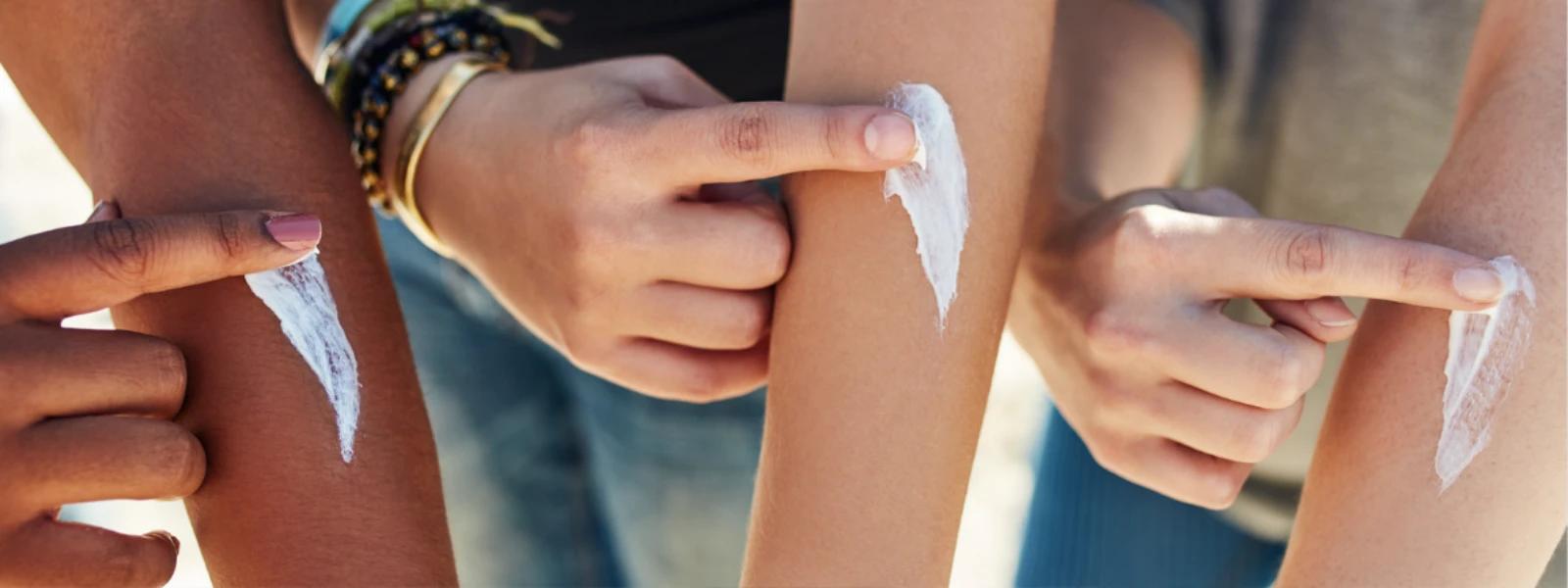

Ever looked in the mirror and wondered why your skin tone is exactly the way it is? Or noticed how your complexion seems to shift with the seasons, stress levels, or even that time of the month? You're not alone in this curiosity. Skin pigmentation is one of the most fascinating aspects of human biology, influenced by everything from your great-grandmother's genes to yesterday's beach trip. Understanding what drives these changes can help you better care for your skin and address concerns like uneven skin tone or unexpected skin discoloration.
At the heart of every skin tone variation lies melanin – your skin's natural pigment factory. Think of melanin as tiny umbrellas scattered throughout your skin, working tirelessly to protect you from harmful UV radiation. But melanin production isn't just about protection; it's the primary factor determining your natural skin colour.
Your skin produces two main types of melanin: eumelanin and pheomelanin. Eumelanin creates those rich brown and black tones, whilst pheomelanin contributes red and yellow hues. The ratio between these two types, along with their concentration, creates the beautiful spectrum of human skin tones we see around us.
The actual production happens in specialised cells called melanocytes, which live in your skin's deepest layer. These cells don't just randomly pump out pigment – they respond to various triggers, from UV exposure to hormonal changes. When activated, melanocytes package melanin into tiny granules that travel up through your skin layers, eventually reaching the surface where we can see the colour.
What's particularly interesting is how melanin distribution affects your overall appearance. Some people have melanin that's evenly distributed, creating uniform skin tone, whilst others might have clusters or patches, leading to freckles, age spots, or other pigmentation patterns. This natural variation is completely normal and part of what makes each person's skin unique.
Your baseline skin tone is essentially written in your genetic code, passed down through generations like a family heirloom. Genetics and skin tone work together through a complex network of genes – scientists have identified over 100 genetic variants that influence skin pigmentation. It's not as simple as inheriting your mum's eyes or your dad's nose; skin colour involves multiple genes working in concert.
The most well-known of these genes is MC1R, often called the "ginger gene" because variations in it can lead to red hair and fair skin. But there are many others, including TYR, TYRP1, and OCA2, each contributing different aspects to your final skin tone. Some genes control how much melanin you produce, others determine which type, and still others influence how it's distributed.
This genetic complexity explains why siblings can have noticeably different skin tones despite sharing the same parents. You might inherit more melanin-boosting genes from one parent whilst your sibling gets a different combination. It's like a genetic lottery where each child receives a unique mix of pigmentation instructions.
Evolutionary factors also play a fascinating role. Populations that developed in areas with intense sunlight typically evolved higher melanin production for UV protection, whilst those in regions with less sun developed lighter skin to maximise vitamin D synthesis. These adaptations, refined over thousands of years, contribute to the natural skin tone variations we see across different ethnic groups today.
Whilst genetics set your baseline, environmental factors act like volume controls, turning your pigmentation up or down based on what your skin encounters daily. These external influences can create temporary or sometimes permanent changes to your natural colouring.
Sun exposure is probably the most obvious environmental factor affecting skin tone. When UV rays hit your skin, they trigger an immediate defensive response – your melanocytes ramp up melanin production to create a protective barrier. This is what we call tanning, though the process varies dramatically between individuals.
Some people develop a golden glow after minimal sun exposure, whilst others burn first and tan later, if at all. This difference comes down to your genetic makeup and existing melanin levels. People with naturally darker skin have more baseline protection, whilst those with fair skin often struggle to build up sufficient melanin quickly enough to prevent damage.
Hormones and skin colour have a complex relationship that many people don't fully appreciate. Oestrogen, progesterone, and other hormones can significantly impact melanin production, which is why many women notice skin changes during pregnancy, menstruation, or when starting hormonal contraception.
Melasma, often called the "pregnancy mask," is a perfect example of hormonal pigmentation. Rising hormone levels during pregnancy can trigger symmetrical dark patches on the face, particularly around the cheeks, forehead, and upper lip. These changes often fade after delivery but can persist or return with subsequent pregnancies or hormone therapy.
Not all pigmentation changes are gradual or predictable. Sometimes skin develops patches, spots, or areas of discolouration that seem to appear overnight. Understanding these uneven skin tone causes can help you address them more effectively.
Hyperpigmentation occurs when certain areas of skin produce excess melanin, creating darker patches or spots. Post-inflammatory hyperpigmentation (PIH) is incredibly common, especially after acne breakouts, cuts, or other skin injuries. Your skin essentially overreacts to the healing process, depositing extra melanin in the affected area.
Age spots, despite their name, aren't just about getting older – they're primarily caused by cumulative sun damage over time. Years of UV exposure gradually overwhelm your skin's ability to distribute melanin evenly, leading to those characteristic brown spots on hands, face, and shoulders.
Sometimes skin discoloration appears without an obvious trigger, which can be concerning. Certain medications, including some antibiotics and antimalarials, can increase photosensitivity or directly affect pigmentation. Underlying health conditions like Addison's disease or insulin resistance can also cause unexpected darkening, particularly in skin folds and creases.
If you notice sudden, unexplained changes in your skin tone, especially if accompanied by other symptoms, it's worth consulting a healthcare provider. Whilst most pigmentation changes are benign, some can signal underlying health issues that benefit from early attention.
Pigmentation disorders fall into several categories, each with distinct characteristics and causes. Hyperpigmentation conditions involve excess melanin production and include melasma, solar lentigines (age spots), and post-inflammatory hyperpigmentation. These conditions create darker areas against your natural skin tone.
On the opposite end, hypopigmentation conditions involve reduced or absent melanin production. Vitiligo is perhaps the most well-known, causing white patches where melanocytes have stopped functioning. Albinism represents a genetic condition where melanin production is severely limited or absent entirely.
Some people experience mixed pigmentation disorders, where they have both darker and lighter areas on their skin. These complex patterns often result from combinations of genetic factors, environmental exposures, and sometimes autoimmune processes affecting melanocyte function.
Blood circulation also plays a subtle but important role in skin appearance. Good circulation brings oxygen and nutrients to skin cells, contributing to a healthy glow, whilst poor circulation can make skin appear dull or greyish. This isn't technically pigmentation, but it significantly affects how your skin tone appears to others.
Skin tone results from a combination of genetic factors, melanin production levels, and environmental influences. Your genes determine your baseline pigmentation capacity, whilst factors like sun exposure, hormones, age, and overall health can modify your actual skin colour. The primary driver is melanin – a pigment produced by specialised cells called melanocytes that protects your skin from UV damage whilst creating your visible skin colour.
The three main factors affecting skin color are genetics (inherited traits that determine melanin production capacity), melanin type and distribution (the actual pigments present in your skin), and environmental influences (sun exposure, hormones, age, and health status). These factors work together – genetics set the foundation, melanin provides the actual colouring, and environmental factors can modify the final result.
Unexplained skin darkening can result from several factors: hormonal changes (pregnancy, thyroid disorders, insulin resistance), medications that increase photosensitivity, underlying health conditions like Addison's disease, or gradual sun damage becoming more apparent. Sometimes what seems sudden has actually been developing slowly over time. If darkening appears rapidly or is accompanied by other symptoms, consult a healthcare provider for proper evaluation.
Skin colour inheritance involves multiple genes working together, not just a single trait. Over 100 genetic variants influence pigmentation, with genes like MC1R, TYR, and OCA2 playing major roles. Children inherit different combinations of these genes from each parent, which explains why siblings can have varying skin tones. The genetic influence is polygenic, meaning many genes contribute small effects that add up to your final skin colour.
You cannot permanently change your genetic baseline skin tone, but you can influence how it appears through safe skincare practices. Sun protection prevents darkening and damage, whilst ingredients like vitamin C, niacinamide, and gentle exfoliants can help address uneven pigmentation. Professional treatments like chemical peels or laser therapy can improve skin tone uniformity, but they work within your natural range rather than creating dramatic colour changes.
Facial uneven skin tone typically results from sun damage, acne scarring, hormonal changes, or natural ageing. The face receives more UV exposure than other body parts, making it prone to age spots and sun damage. Hormonal fluctuations can trigger melasma, whilst acne often leaves behind post-inflammatory hyperpigmentation. Using targeted skincare with ingredients like retinoids, vitamin C, and SPF can help improve evenness over time.
Understanding what causes your skin tone helps you make informed decisions about skincare and realistic expectations about what can be changed. Your genetics provide the foundation, but environmental factors like sun exposure and hormones significantly influence your day-to-day appearance. Most pigmentation changes are normal responses to life circumstances, though sudden or concerning changes warrant professional attention.
The key to healthy skin lies in protection and patience. Consistent sun protection prevents many pigmentation issues, whilst gentle, science-backed skincare can help address existing concerns. For those exploring new products to support even skin tone, platforms like Smytten Shop offer curated selections from premium brands, allowing you to try products through samples before committing to full sizes – particularly helpful when testing ingredients like vitamin C or niacinamide that can affect pigmentation.
Remember, your skin tone is part of your unique biology, shaped by thousands of years of evolution and your personal genetic heritage. Rather than fighting against your natural colouring, focus on keeping your skin healthy, protected, and functioning at its best. This approach not only supports better skin health but often leads to that natural glow that transcends any specific shade or tone.
