What Causes Skin Pigmentation: A Step-by-Step Guide


Target & Fade Duo for Hyperpigmentation | Even-Tone Underarms, Inner Thighs & Bum | Refines Skin Texture | For All Skin Types
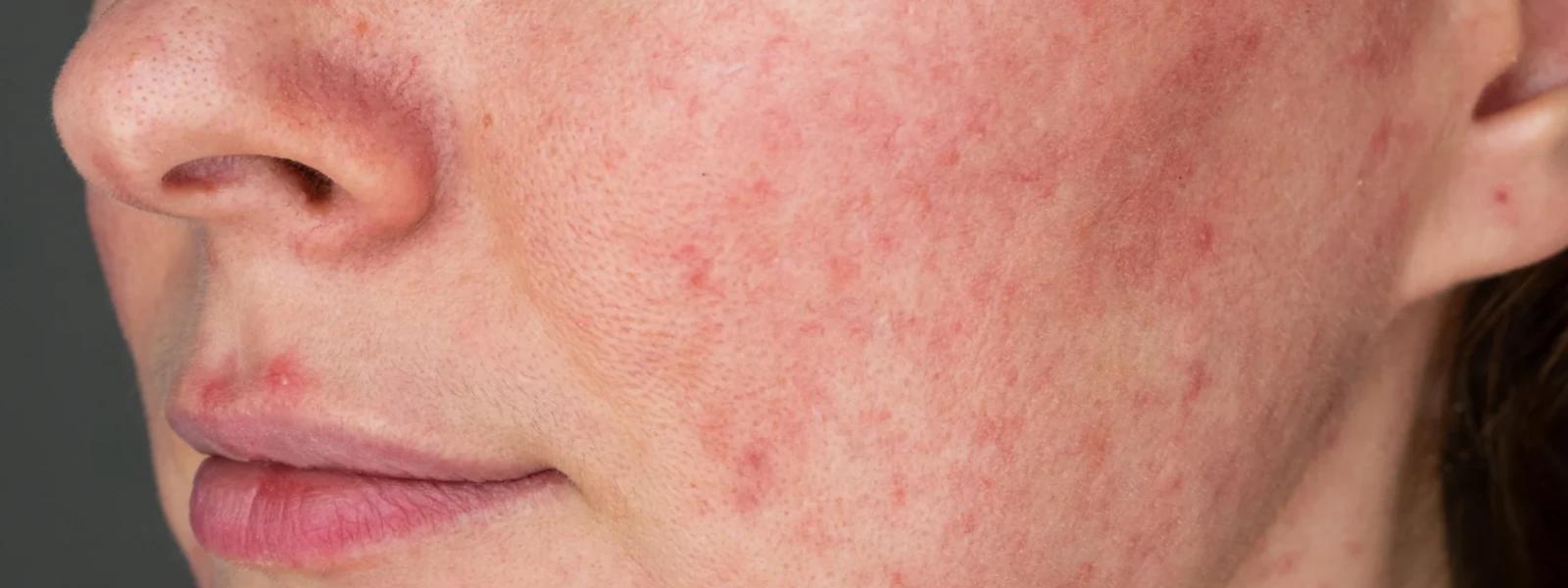
You've noticed those stubborn dark patches on your cheeks that seem to have appeared overnight, or perhaps those freckles that multiply every summer despite your best SPF efforts. Skin pigmentation affects nearly everyone at some point, yet understanding what actually triggers these changes can feel like solving a puzzle. Whether you're dealing with post-acne marks, mysterious melasma, or age spots that weren't there last year, knowing the root causes is your first step towards clearer, more even-toned skin.
Your skin's colour comes from melanin, a pigment produced by specialised cells called melanocytes. Think of these cells as tiny paint factories scattered throughout your skin's deepest layer. When functioning normally, they produce just enough melanin to give you your natural skin tone and protect against UV damage.
However, when these melanocytes become overactive or damaged, they can produce excess melanin in patches, leading to hyperpigmentation. This process isn't random—it's your skin's response to various triggers, from sun exposure to hormonal fluctuations. Understanding this helps explain why some areas of your face might darken whilst others remain unchanged.
There are two main types of melanin: eumelanin (which creates brown and black pigments) and pheomelanin (responsible for red and yellow tones). Most skin discoloration involves an overproduction of eumelanin, which is why dark spots typically appear brown rather than red. Your genetic makeup determines your baseline melanin production, but external and internal factors can dramatically alter this natural process.
External factors are often the most obvious culprits behind uneven skin tone. These environmental triggers can cause immediate changes or contribute to long-term pigmentation issues that develop over months or years.
UV radiation remains the leading cause of skin pigmentation worldwide. When UV rays penetrate your skin, they trigger melanocytes to produce more melanin as a protective response. This is why you tan in summer, but it also explains why sunspots and age spots develop over time. Even brief, unprotected sun exposure can trigger melanin production that leads to lasting dark patches, particularly on your face, hands, and décolletage.
Beyond UV exposure, pollution and heat can contribute to skin discoloration. Air pollution creates free radicals that damage skin cells and can trigger inflammatory responses leading to pigmentation. Additionally, extreme heat—whether from hot climates or frequent sauna sessions—can stimulate melanin production and worsen existing pigmentation concerns.
Sometimes the causes of dark spots come from within your body rather than external exposure. These internal triggers can be more challenging to identify but are equally important to understand for effective treatment and prevention.

Mineral Sunscreen SPF 50 | Matte Finish | No White Cast | Non-Nano Zinc Oxide | Cica | Pregnancy Safe | All Skin Types | 50ml
Hormonal fluctuations are powerful triggers for skin pigmentation, particularly in women. Pregnancy often brings melasma—symmetrical brown patches typically appearing on the cheeks, forehead, and upper lip. Birth control pills and hormone replacement therapy can trigger similar responses. These hormonal changes make your skin more sensitive to UV exposure, which is why melasma often worsens during summer months even with sun protection.
Certain medical conditions can cause widespread or localised pigmentation changes. Addison's disease often causes generalised skin darkening, whilst thyroid disorders can affect melanin production. Some medications, including certain antibiotics, antimalarials, and chemotherapy drugs, can cause drug-induced pigmentation that may be temporary or permanent depending on the medication and duration of use.
Your skin's appearance often reflects your nutritional status. Vitamin B12 deficiency can cause patchy hyperpigmentation, particularly around the knuckles and skin folds. Iron deficiency might contribute to uneven skin tone, whilst excess iron (hemochromatosis) can cause a bronze-like skin discolouration. These nutritional factors are often overlooked but can significantly impact your skin's pigmentation patterns.
Post-inflammatory hyperpigmentation (PIH) occurs when your skin produces excess melanin following injury or inflammation. This is perhaps the most frustrating type of pigmentation because it develops after your skin has already healed from the initial problem.
Acne is the most common trigger for PIH, particularly in darker skin tones. When a spot heals, the inflammatory process can stimulate melanocytes to produce excess pigment, leaving behind dark marks that can persist for months or years. Similarly, aggressive skincare treatments, cuts, burns, or even vigorous skin picking can trigger this response. The key factor is inflammation—any process that irritates your skin can potentially lead to lasting pigmentation changes.
Understanding PIH helps explain why gentle skincare is so important. Harsh scrubbing, over-exfoliation, or using products that irritate your skin can actually worsen pigmentation rather than improve it. This is why dermatologists often recommend patience and gentle care when treating both active breakouts and existing dark spots.
Your genetic background significantly influences your susceptibility to various types of pigmentation. Some people are genetically predisposed to developing freckles with minimal sun exposure, whilst others might be more prone to melasma during hormonal changes.

Salicylic Acid Face Cleanser | Deep Cleansing Formula for Breakouts | Unclogs Pores & Controls Oil | For Oily & Acne-Prone Skin | 100ml
Family history often predicts your pigmentation risks. If your mother developed melasma during pregnancy, you're more likely to experience similar changes. Certain ethnic backgrounds have higher rates of specific pigmentation disorders—for instance, melasma is more common in women of Hispanic, Asian, and African descent.
As you age, your skin's ability to repair itself diminishes, and years of cumulative damage become visible as age spots. These solar lentigines typically appear after age 40 and represent decades of UV exposure. Additionally, skin cell turnover slows with age, meaning pigmented cells linger longer on your skin's surface, contributing to an overall uneven appearance.
Not all pigmentation changes are the same, and understanding the specific type you're dealing with helps determine the most effective skin pigmentation treatment approach.
Melasma appears as symmetrical brown patches, often called the "mask of pregnancy." Solar lentigines are flat, brown spots that develop from sun exposure, commonly on hands, face, and shoulders. Café-au-lait spots are light brown birthmarks that can appear anywhere on the body and are usually present from childhood.
Sometimes skin loses pigment rather than gaining it. Vitiligo causes white patches where melanocytes stop functioning entirely. Post-inflammatory hypopigmentation can occur after skin injury, leaving lighter areas. Fungal infections like tinea versicolor can also cause temporary light patches, particularly on the chest and back.
Understanding what causes your specific pigmentation concerns helps guide both prevention and treatment strategies. The most effective approach often combines addressing the underlying cause with targeted treatments.
Daily broad-spectrum SPF remains your most powerful tool against new pigmentation. Choose SPF 30 or higher and reapply every two hours, especially during outdoor activities. Gentle skincare routines help prevent post-inflammatory hyperpigmentation—avoid harsh scrubbing and introduce new products gradually. For hormonal pigmentation, work with your healthcare provider to manage underlying hormonal imbalances when possible.

Hydrating Moisturizer | Non-Comedogenic | Boosts Collagen & Hydrates Deeply | Ceramides + Niacinamide | For Normal to Dry Skin | 50g
Professional treatments like chemical peels, laser therapy, and prescription lightening agents can effectively address existing pigmentation. At-home options include products with niacinamide, vitamin C, and gentle AHAs. However, patience is crucial—most pigmentation treatments require several months to show significant results. Platforms like Smytten Shop allow you to try different skincare products through samples before committing to full sizes, helping you find effective treatments without waste.
Treatment depends on the type and cause of pigmentation. Professional options include chemical peels, laser treatments, and prescription lightening agents. At-home care involves consistent use of SPF, gentle exfoliation with AHAs, and ingredients like niacinamide and vitamin C. Most treatments require 3-6 months to show significant results, and maintenance is usually necessary to prevent recurrence.
Some types of pigmentation, particularly post-inflammatory hyperpigmentation, may fade naturally over 6-24 months. However, sun-induced spots and hormonal pigmentation typically require active treatment. Age spots and melasma rarely disappear without intervention and often worsen over time without proper protection and care.
Sudden pigmentation changes often result from hormonal shifts (pregnancy, new birth control, menopause), increased sun exposure, new medications, or recent skin inflammation. Sometimes underlying medical conditions can trigger pigmentation changes. If you notice rapid or widespread changes, consult a dermatologist to rule out underlying causes.
UV exposure is the primary cause of most pigmentation disorders. Even brief, unprotected sun exposure can trigger melanin production leading to dark spots. However, hormonal changes, genetics, inflammation, and certain medications can also play significant roles depending on your individual circumstances.
Whilst stress doesn't directly cause pigmentation, it can worsen existing conditions like melasma through hormonal changes. Stress also tends to increase inflammation throughout the body, potentially triggering or worsening post-inflammatory hyperpigmentation. Additionally, stress might lead to poor skincare habits or increased sun exposure.
Understanding what causes skin pigmentation empowers you to make informed decisions about prevention and treatment. Whether you're dealing with sun damage, hormonal changes, or post-inflammatory marks, identifying the root cause helps you choose the most effective approach. Remember that pigmentation treatment requires patience and consistency—most people see gradual improvement over several months rather than immediate results.
The key is starting with gentle, proven ingredients and maintaining realistic expectations. Smytten Shop's curated selection of skincare products, backed by 28M+ users' experiences, offers you the opportunity to explore different treatment options through samples before investing in full-sized products. This approach helps you build an effective routine without the frustration of products that don't work for your specific concerns. Your skin's journey towards more even tone is unique, and finding the right combination of prevention and treatment takes time—but understanding the science behind pigmentation gives you the foundation to succeed.
