What Causes Skin Discoloration? Your FAQ Answered
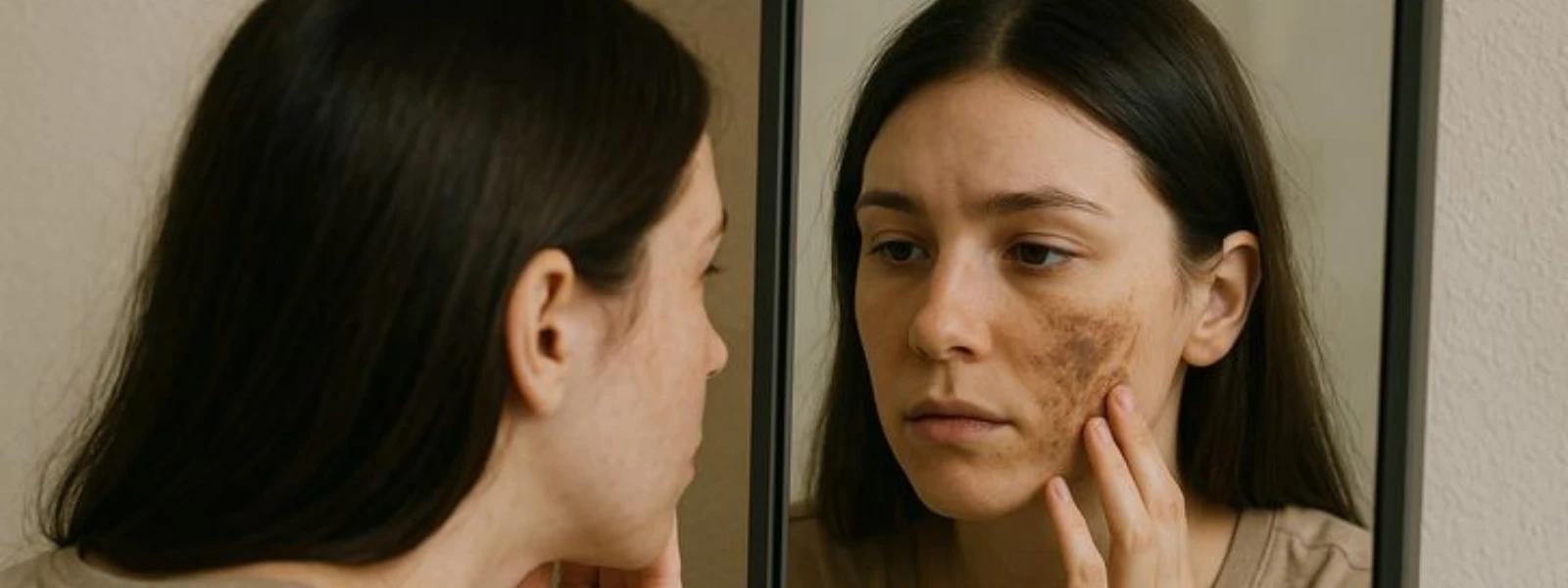

You've noticed patches of darker skin on your face, or perhaps lighter spots have appeared on your arms. Maybe you're wondering why that acne scar from months ago still looks darker than the rest of your skin. Skin discoloration affects nearly everyone at some point, yet understanding what's happening beneath the surface can feel overwhelming. Whether it's those stubborn dark spots on skin that appeared after last summer's holiday or the uneven patches that seem to have developed overnight, you're not alone in seeking answers.
Skin discoloration occurs when certain areas of your skin produce too much or too little melanin, the pigment responsible for your skin's colour. Think of melanin as your skin's natural defence system—it's produced by specialised cells called melanocytes in response to various triggers.
When everything functions normally, melanin distributes evenly across your skin, creating your natural skin tone. However, skin pigmentation disorders develop when this process goes awry. Some areas might produce excess melanin, creating darker patches, whilst others might produce too little, resulting in lighter spots.
Melanin production responds to several factors including UV exposure, hormonal changes, inflammation, and genetic predisposition. Your melanocytes can become overactive due to sun damage, leading to age spots, or they might shut down entirely, causing white patches. Understanding this process helps explain why uneven skin tone develops and why certain treatments work better than others.
The key lies in recognising that most discoloration isn't permanent. With proper understanding and care, many forms of pigmentation can improve significantly over time.
The most common culprits behind skin discoloration fall into several distinct categories. Each type has its own characteristics, triggers, and treatment approaches. Let's explore the main hyperpigmentation causes you're likely to encounter.
Sun damage skin represents the leading cause of pigmentation issues, particularly as we age. Those age spots that appear on your hands, face, and shoulders aren't actually caused by ageing itself—they're the result of cumulative UV exposure over years.
UV rays trigger melanocytes to produce excess melanin as a protective response. Over time, this leads to solar lentigines (the medical term for sun spots) and general skin darkening in exposed areas. The damage accumulates silently for years before becoming visible, which explains why spots seem to appear suddenly in your thirties or forties.
Even brief, intense sun exposure during holidays can trigger new dark spots on skin weeks later. This delayed response often catches people off guard, making sun protection feel less urgent than it actually is.
Hormonal fluctuations create some of the most challenging forms of skin discoloration. Melasma, often called the "mask of pregnancy," appears as symmetrical brown patches across the face, particularly on the cheeks, forehead, and upper lip.
Birth control pills, hormone replacement therapy, and pregnancy all increase oestrogen levels, which can stimulate melanin production. This explains why many women notice new pigmentation when starting contraceptives or during pregnancy. The good news? Hormonal pigmentation often fades naturally once hormone levels stabilise.
Perhaps the most frustrating type of discoloration comes from your skin's healing process itself. Post-inflammatory hyperpigmentation (PIH) develops after any skin injury or inflammation, from acne breakouts to minor cuts or insect bites.
When your skin heals from inflammation, melanocytes can become overactive, depositing extra pigment in the affected area. This creates those persistent dark spots on skin that linger long after the original blemish has healed. Skin blemishes from acne are particularly prone to this type of discoloration, especially on deeper skin tones.
Whilst most skin discoloration stems from external factors, certain medical conditions can also affect pigmentation. Understanding these helps distinguish between cosmetic concerns and situations requiring medical attention.
Vitiligo represents the opposite of hyperpigmentation—it causes white patches where melanocytes stop functioning entirely. This autoimmune condition affects about 1% of the population and can appear at any age. Unlike other forms of discoloration, vitiligo creates stark white patches that contrast sharply with surrounding skin.
Genetic conditions like albinism affect melanin production from birth, whilst others like Addison's disease can cause widespread skin darkening due to hormonal imbalances. These conditions typically require medical management rather than cosmetic treatments.
Certain medications can trigger unexpected causes of skin darkening. Antimalarial drugs, some antibiotics, and chemotherapy treatments can all affect pigmentation. If you've noticed new discoloration after starting a medication, discuss this with your doctor—alternative treatments might be available.
The silver lining? Medication-induced pigmentation often improves once the triggering drug is discontinued, though this process can take months or even years.
Not all skin discoloration looks the same, and identifying your specific type helps determine the best treatment approach. The colour, pattern, and location of discoloration provide important clues about its underlying cause.
Hyperpigmentation creates darker patches in shades of brown, black, or grey. This includes age spots, melasma, and post-inflammatory marks. These areas contain excess melanin and typically respond well to brightening treatments containing ingredients like vitamin C, niacinamide, or gentle acids.
Hypopigmentation, conversely, creates lighter or white patches where melanin production has decreased or stopped. These areas prove more challenging to treat, as they require stimulating melanin production rather than reducing it.
Facial discoloration often follows predictable patterns. Melasma typically appears symmetrically across both cheeks, whilst sun damage concentrates on the most exposed areas—forehead, nose, and cheekbones. Dark spots on skin from acne usually cluster around the jawline and chin where breakouts commonly occur.
Body discoloration might indicate different causes entirely. Patches on the neck or underarms could suggest insulin resistance, whilst widespread changes might indicate systemic conditions requiring medical evaluation.
Most skin discoloration represents benign cosmetic concerns, but certain changes warrant immediate medical attention. Learning to distinguish between normal pigmentation and concerning symptoms helps ensure your safety whilst avoiding unnecessary anxiety.
Gradual changes in existing spots, seasonal variations in pigmentation, and symmetrical patterns typically indicate benign conditions. However, rapid changes, irregular borders, multiple colours within a single spot, or spots larger than 6mm diameter require dermatological evaluation.
The ABCDE rule helps assess concerning changes: Asymmetry, irregular Borders, multiple Colours, Diameter larger than a pencil eraser, and Evolving characteristics. Any spot meeting these criteria needs professional assessment regardless of other factors.
If you're thinking "my skin is getting darker for no reason," several factors might be at play. Hormonal changes, new medications, underlying medical conditions, or even dietary changes can affect pigmentation. Sudden, widespread darkening particularly warrants medical evaluation to rule out systemic causes.
Keep track of when changes began, any accompanying symptoms, and potential triggers. This information proves invaluable during medical consultations and helps identify patterns you might otherwise miss.
Effective skin discoloration treatment depends entirely on accurate identification of the underlying cause. What works brilliantly for sun damage might prove ineffective for hormonal pigmentation, making proper diagnosis crucial for success.
Dermatologists offer several advanced treatments for stubborn discoloration. Chemical peels using glycolic acid or TCA can accelerate cell turnover, revealing fresher skin beneath. Laser treatments target specific pigments whilst leaving surrounding tissue intact.
Prescription treatments like hydroquinone, tretinoin, or combination therapies often prove more effective than over-the-counter options for severe discoloration. However, these require professional supervision due to potential side effects.
Daily sun protection remains the most crucial step in preventing new dark spots on skin and stopping existing ones from worsening. Broad-spectrum SPF 30 or higher should be applied daily, regardless of weather or season.
Gentle exfoliation with AHAs or BHAs can help fade existing discoloration by accelerating cell turnover. Ingredients like niacinamide, vitamin C, and kojic acid offer brightening benefits when used consistently over time. The key lies in patience—most treatments require 8-12 weeks to show significant results.
Natural approaches include gentle exfoliation twice weekly using products with lactic acid or glycolic acid, consistent use of vitamin C serums, daily broad-spectrum SPF application, and maintaining a consistent cleansing and moisturising routine. Ingredients like kojic acid, arbutin, and liquorice extract offer gentle brightening effects. However, natural methods typically work slower than clinical treatments and may not address severe discoloration effectively.
Most skin discoloration represents benign cosmetic concerns, particularly when changes develop gradually and symmetrically. However, you should consult a dermatologist for new spots that appear suddenly, existing spots that change rapidly, discoloration accompanied by itching or burning, or any spots with irregular borders or multiple colours. Trust your instincts—if something feels wrong, seek professional evaluation.
Skin discoloration indicates changes in melanin production due to various factors including UV exposure, hormonal fluctuations, inflammation, genetic predisposition, or underlying medical conditions. The specific pattern, colour, and location provide clues about the underlying cause. Most discoloration results from external factors like sun exposure or minor skin trauma rather than serious medical conditions.
The three most common types are sun-induced age spots and freckles from cumulative UV exposure, post-inflammatory hyperpigmentation from acne or minor injuries, and hormonal melasma triggered by pregnancy or contraceptive use. Each type has distinct characteristics and responds differently to treatment approaches.
Localised darkening typically results from increased melanin production in response to friction, inflammation, hormonal changes, or sun exposure. Common areas include the neck and underarms (possibly indicating insulin resistance), facial patches (often hormonal), or spots where clothing rubs against skin. Recent changes warrant medical evaluation to rule out underlying conditions.
Facial brown patches commonly result from melasma (hormonal pigmentation), sun damage skin accumulation, or post-inflammatory hyperpigmentation from acne. Melasma appears symmetrically across both cheeks, whilst sun damage concentrates on the most exposed areas. Identifying the specific pattern helps determine the most effective treatment approach.
Serious discoloration typically changes rapidly, appears asymmetrically, has irregular borders, contains multiple colours, or measures larger than 6mm diameter. Additional warning signs include bleeding, itching, burning, or elevation above the skin surface. When in doubt, photograph the area and monitor for changes whilst seeking professional evaluation.
Understanding what causes skin discoloration empowers you to make informed decisions about prevention and treatment. Whether you're dealing with stubborn age spots from years of sun exposure, hormonal patches that appeared during pregnancy, or dark spots on skin left behind by acne, remember that most pigmentation issues improve with consistent, appropriate care.
The journey to more even skin tone requires patience and realistic expectations. Professional treatments can accelerate results, but even at-home approaches show significant improvement when used consistently over time. Most importantly, daily sun protection prevents new discoloration whilst allowing existing spots to fade naturally.
For those exploring new skincare solutions, platforms like Smytten Shop offer access to premium brightening products from trusted brands, allowing you to try treatments before committing to full sizes. With over 28 million users discovering effective skincare solutions, you can explore curated options that address your specific pigmentation concerns whilst earning cashback on purchases.
Your skin's journey is unique, and what works for others might not work for you. Trust the process, stay consistent with proven ingredients, and don't hesitate to seek professional guidance when needed. Clear, even-toned skin is achievable with the right approach and realistic timeline.
