What Causes Melasma? Your FAQ on Hyperpigmentation
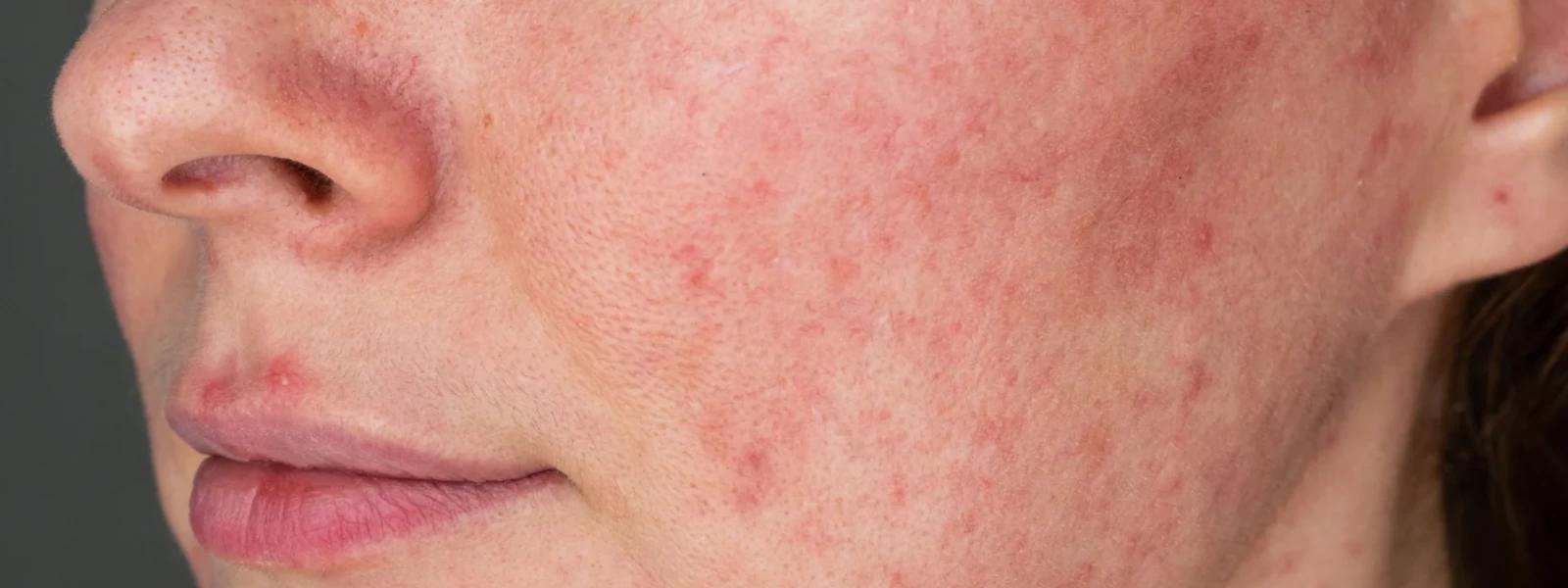

You've noticed those brown patches appearing on your cheeks, forehead, or upper lip, and you're wondering what's behind this frustrating skin change. Melasma affects millions of people worldwide, particularly women, creating symmetrical patches of hyperpigmentation that can feel impossible to shift. Understanding what causes melasma is the first step towards managing this common skin concern. From hormonal fluctuations during pregnancy to daily sun exposure, multiple factors can trigger your skin's melanin production to go into overdrive. Real talk: melasma isn't just about one single cause—it's usually a perfect storm of triggers working together.
Melasma is a chronic skin condition characterised by brown or grey-brown patches that appear symmetrically on the face. Unlike other forms of skin discoloration, melasma has a distinctive butterfly pattern that typically affects the cheeks, bridge of the nose, forehead, chin, and upper lip. This hyperpigmentation occurs when melanocytes—the cells responsible for producing melanin—become overactive and produce excess pigment.
The condition affects approximately 90% women, earning it the nickname "the mask of pregnancy" due to its strong connection with hormonal changes. However, melasma can develop in anyone, regardless of age or gender. What makes melasma particularly challenging is its tendency to worsen with continued exposure to triggers, creating deeper, more persistent patches over time.
Unlike post-inflammatory hyperpigmentation from acne or age spots from sun damage, melasma causes involve a complex interplay of factors. The patches often appear gradually, becoming more noticeable during summer months or periods of hormonal change. Understanding these underlying mechanisms helps explain why melasma requires a comprehensive approach to both treatment and prevention.
Sun exposure melasma represents the most significant trigger for this condition. Ultraviolet radiation stimulates melanocytes to produce excess melanin as a protective response, but in melasma-prone skin, this process becomes dysregulated. Even brief periods of sun exposure can trigger flare-ups, making daily protection absolutely essential.
The mechanism behind UV-triggered melasma involves both UVA and UVB rays penetrating the skin and activating tyrosinase, the enzyme responsible for melanin production. Areas of the face that receive the most direct sunlight—the cheeks, forehead, and nose—are typically where melasma first appears. This explains why the condition often follows a seasonal pattern, worsening during summer months and improving slightly in winter.
What's particularly frustrating about sun exposure melasma is that even minimal UV exposure can trigger pigment production. A quick walk to the shops without SPF or sitting near a sunny window can be enough to darken existing patches. Heat from sources like cooking or hot yoga can also contribute to melasma development, as increased skin temperature can stimulate melanin production.
Geographic factors play a role too—people living in sunny climates or at high altitudes face increased risk due to higher UV exposure. The cumulative effect of years of sun exposure often means melasma appears later in life, even if the initial triggers occurred decades earlier.
Hormonal melasma affects up to 70% of pregnant women, typically appearing during the second or third trimester. The dramatic increase in oestrogen and progesterone during pregnancy creates the perfect environment for melasma development, particularly when combined with sun exposure.
Pregnancy melasma often begins as subtle darkening that gradually becomes more pronounced. The hormonal surge during pregnancy makes melanocytes incredibly sensitive to UV exposure, meaning even minimal sun exposure can trigger significant pigmentation. Many women notice their melasma appearing or worsening during their second pregnancy, suggesting that previous hormonal exposure may sensitise the skin.
The good news is that pregnancy-related melasma often improves naturally after delivery as hormone levels stabilise. However, this improvement can take months or even years, and subsequent pregnancies may trigger recurrence.
Oral contraceptives containing oestrogen represent another significant trigger for melasma causes. The synthetic hormones in birth control pills can mimic pregnancy-like conditions, making the skin more susceptible to UV-induced pigmentation. Women who develop melasma while on contraceptives often see improvement when switching to non-hormonal alternatives.
Hormone replacement therapy during menopause can also trigger melasma development. The reintroduction of oestrogen, particularly when combined with inadequate sun protection, can activate dormant melanocytes and create new patches of hyperpigmentation.
Beyond the primary triggers of sun exposure and hormones, several additional factors can contribute to melasma development. Understanding these secondary melasma triggers helps create a comprehensive prevention strategy.
Family history plays a significant role in melasma susceptibility. If your mother or sisters have experienced melasma, you're more likely to develop the condition yourself. This genetic component affects how your melanocytes respond to triggers like hormones and UV exposure.
Certain ethnic groups, particularly those with naturally higher melanin content, show increased susceptibility to melasma. However, the condition can affect anyone, regardless of skin tone or background.
Some skincare ingredients can increase photosensitivity, making the skin more prone to UV-induced melasma. Products containing bergamot oil, certain fragrances, or harsh acids without proper sun protection can trigger skin discoloration. Additionally, aggressive treatments that cause inflammation may lead to post-inflammatory hyperpigmentation that mimics or worsens melasma.
Thyroid disorders, particularly hypothyroidism, have been linked to increased melasma risk. Certain medications, including some antibiotics, anti-seizure drugs, and photosensitising medications, can make the skin more susceptible to UV-induced pigmentation changes.
Melasma prevention centres on consistent sun protection and trigger avoidance. Daily application of broad-spectrum SPF 30 or higher forms the foundation of any prevention strategy. Physical sunscreens containing zinc oxide or titanium dioxide often work better than chemical sunscreens for melasma-prone skin.
Beyond sunscreen, physical protection through wide-brimmed hats, sunglasses, and seeking shade during peak UV hours (10 AM to 4 PM) significantly reduces exposure. Even on cloudy days, UV rays can penetrate clouds and trigger melasma, making daily protection essential regardless of weather.
For those with hormonal triggers, discussing contraceptive alternatives with healthcare providers may help prevent melasma development. During pregnancy, when hormonal changes are unavoidable, meticulous sun protection becomes even more critical.
Gentle skincare routines that avoid irritation help prevent inflammation-induced pigmentation. Products with niacinamide, vitamin C, and gentle AHAs can support skin health without triggering sensitivity when used appropriately.
Melasma treatment requires patience and consistency, as this condition tends to be chronic and prone to recurrence. The most effective approaches combine multiple strategies to address both existing pigmentation and prevent new patches from forming.
Prescription treatments often include combinations of hydroquinone, tretinoin, and mild corticosteroids. These work by inhibiting melanin production, increasing cell turnover, and reducing inflammation. Over-the-counter options include vitamin C serums, kojic acid, and arbutin, though these typically work more slowly than prescription alternatives.
Niacinamide has shown promise in managing melasma by regulating melanin transfer and reducing inflammation. Products available through platforms like Smytten Shop allow you to try different formulations before committing to full sizes, helping you find what works for your skin.
Chemical peels, laser treatments, and intense pulsed light can help with stubborn melasma, but these require careful consideration. Some treatments may initially worsen pigmentation before improvement occurs, and not all skin types respond well to aggressive interventions.
Working with a dermatologist ensures treatments are appropriate for your specific melasma type and skin tone. They can create personalised treatment plans that balance effectiveness with safety.
Stopping melasma requires consistent trigger avoidance, primarily through daily broad-spectrum sun protection. While complete prevention isn't always possible due to genetic and hormonal factors, maintaining strict sun protection habits, using appropriate skincare products, and managing hormonal triggers when possible can significantly reduce melasma development and recurrence.
The main cause of facial melasma is UV exposure combined with hormonal influences. Sun exposure acts as the primary trigger, while hormones from pregnancy, birth control, or hormone replacement therapy create the conditions that make melanocytes overreact to UV radiation. This combination explains why melasma often appears during pregnancy or while using hormonal contraceptives.
Natural approaches to melasma include consistent sun protection, vitamin C serums, liquorice root extract, and kojic acid from natural sources. However, natural doesn't always mean effective—melasma typically requires targeted treatments to see significant improvement. Natural methods work best as supportive measures alongside proven treatments rather than standalone solutions.
Melasma is manageable rather than curable. While treatments can significantly lighten or even clear melasma patches, the underlying tendency remains. Many people achieve excellent results with consistent treatment and sun protection, but melasma may return if triggers are reintroduced. Think of it as a chronic condition requiring ongoing management rather than a one-time cure.
Melasma in men is primarily caused by sun exposure, as hormonal triggers are less common. However, some men may develop melasma due to certain medications, thyroid disorders, or genetic predisposition. Male melasma often appears later in life and is typically related to cumulative sun damage rather than hormonal fluctuations.
While stress doesn't directly cause melasma, it can worsen existing conditions by affecting hormone levels and potentially compromising skin barrier function. Chronic stress may also lead to neglecting sun protection habits, indirectly contributing to melasma development or worsening.
Melasma can worsen with age due to cumulative sun exposure and hormonal changes, particularly during perimenopause and menopause. However, with proper management and consistent sun protection, many people successfully control their melasma regardless of age. Early intervention often leads to better long-term outcomes.
Understanding what causes melasma empowers you to take control of this challenging skin condition. While the interplay of sun exposure, hormones, and genetics can feel overwhelming, remember that knowledge is your most powerful tool. Consistent sun protection remains your best defence, regardless of other contributing factors.
Your melasma journey is unique, and what works for others may need adjustment for your skin. Platforms like Smytten Shop, trusted by over 28 million users, offer the opportunity to explore different skincare approaches through samples before investing in full-sized products. This trial-first approach is particularly valuable when managing melasma, as finding the right combination of products often requires experimentation.
Remember that melasma management is a marathon, not a sprint. With patience, consistency, and the right approach, you can achieve significant improvement in your skin's appearance while preventing future flare-ups. Your skin will notice the difference when you commit to understanding and addressing its specific triggers.
