What Causes Melasma? Your FAQ Answered


Advanced Anti-Pigmentation Kit | Hyperpigmentation Reduction Kit | Cleanser, Serum, Moisturizer & Sunscreen | Complete Skin Care Routine
You've noticed those stubborn brown patches appearing on your cheeks, forehead, or upper lip, and you're wondering what's behind this frustrating skin change. Melasma affects millions of people worldwide, particularly women, leaving them searching for answers about what triggers this common yet complex pigmentation disorder. Understanding the root causes is the first step towards managing and preventing further darkening of these persistent patches.
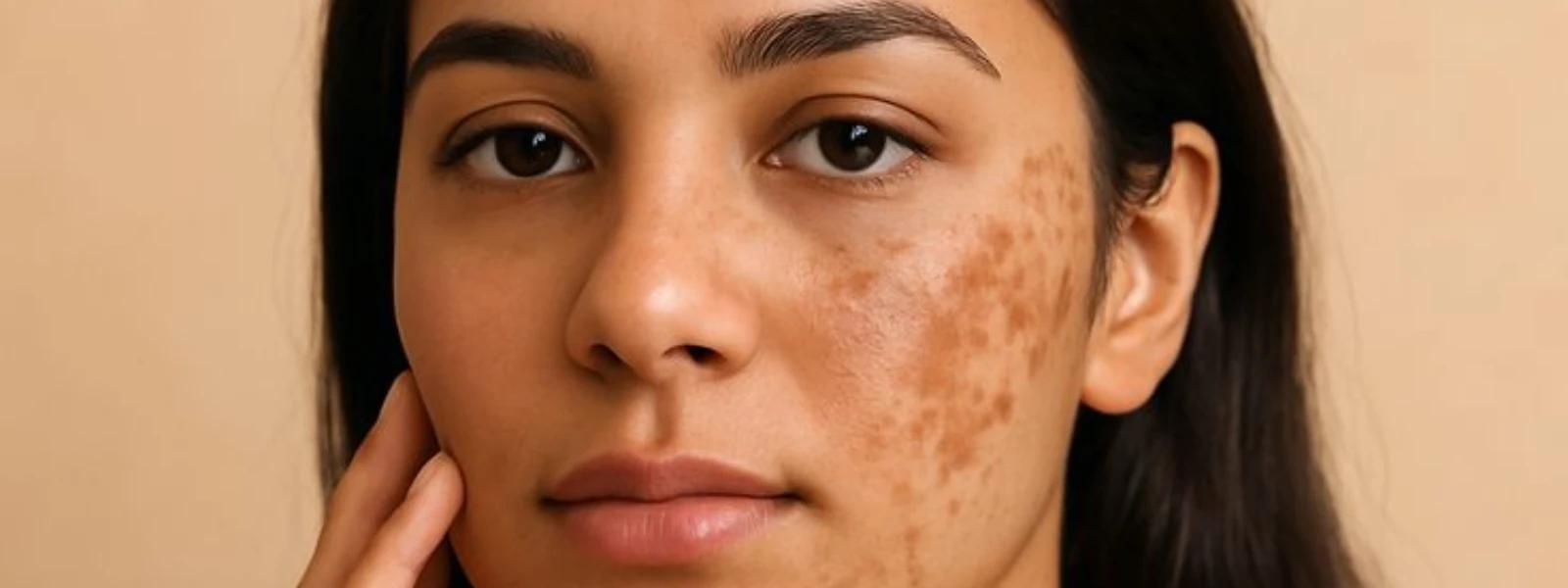
Melasma is a chronic skin condition characterised by brown or grey-brown patches that typically appear symmetrically on the face. Unlike other forms of hyperpigmentation such as post-inflammatory marks or age spots, melasma has a distinctive pattern and set of triggers that make it particularly challenging to treat.
This condition affects approximately 90% more women than men, earning it the nickname "the mask of pregnancy" due to its frequent occurrence during hormonal changes. The patches commonly appear on the cheeks, bridge of the nose, forehead, chin, and upper lip, creating a mask-like distribution across the face.
What sets melasma pigmentation apart from other skin discoloration causes is its deep-rooted connection to internal factors like hormones, combined with external triggers such as sun exposure. The condition involves overactive melanocytes (pigment-producing cells) that create excess melanin in response to various stimuli.
Several interconnected factors contribute to melasma development, with some triggers being more influential than others. Understanding these melasma triggers helps explain why this condition can be so persistent and why prevention strategies are crucial.
Hormonal melasma represents the most significant internal trigger for this condition. Fluctuations in oestrogen and progesterone levels stimulate melanocyte activity, leading to increased melanin production in susceptible individuals.
Birth control pills containing oestrogen are notorious melasma triggers, with studies showing that oral contraceptives can trigger melasma in up to 25% of users. Similarly, hormone replacement therapy during menopause can reactivate dormant melasma or trigger new patches to develop.
Thyroid disorders also play a role in melasma causes skin changes, as thyroid hormones influence melanin production and skin cell turnover. Women with hypothyroidism or hyperthyroidism often experience worsening of existing melasma or new patch development.
Sun exposure melasma occurs when UV radiation triggers melanocyte activation in hormonally primed skin. Even minimal sun exposure can darken existing patches or trigger new ones to appear, making sun protection absolutely essential for anyone prone to melasma.
Interestingly, it's not just UV rays that contribute to melasma development. Heat and visible light can also stimulate melanin production, which explains why some people notice their melasma worsening even when wearing sunscreen. This is why physical sunscreens containing zinc oxide or titanium dioxide are often recommended over chemical formulations.
Seasonal patterns in melasma flare-ups are common, with many people noticing darker patches during summer months and some improvement during winter. However, year-round protection remains crucial, as UV rays can penetrate clouds and reflect off surfaces even on overcast days.
Pregnancy melasma, also known as chloasma or "pregnancy mask," affects up to 70% of pregnant women. The dramatic hormonal changes during pregnancy, particularly the surge in oestrogen and progesterone, create the perfect storm for melasma development.
The condition typically develops during the second or third trimester when hormone levels peak. Many women notice the patches gradually darkening as pregnancy progresses, with sun exposure significantly accelerating the process.

Even Tone Restore Set | 3-Step Brightening Routine for Hyperpigmentation | Serum, Moisturizer & Sunscreen | Daily Skincare Kit
Unfortunately, pregnancy melasma doesn't always resolve after delivery. Studies suggest that only about 30% of women see complete resolution within the first year postpartum, while others may experience persistent pigmentation that requires active treatment.
Beyond the primary triggers, several melasma risk factors can increase your likelihood of developing this condition or experiencing more severe symptoms.
Family history plays a significant role in melasma susceptibility. If your mother, sister, or grandmother experienced melasma, you're more likely to develop it yourself. This genetic component explains why certain families seem particularly prone to pigmentation disorders.
Ethnicity also influences melasma risk factors, with people of Hispanic, Asian, Middle Eastern, and African descent showing higher susceptibility. Those with naturally darker skin tones (Fitzpatrick skin types III-V) have more active melanocytes, making them more responsive to melasma triggers.
Certain medications can contribute to melasma causes skin changes, particularly those that increase photosensitivity. Anti-seizure medications, some antibiotics, and certain antidepressants can make skin more reactive to sun exposure, potentially triggering melasma in susceptible individuals.
Cosmetic products containing fragrances or harsh chemicals can cause low-grade inflammation that may worsen existing melasma. Heat exposure from cooking, saunas, or hot yoga can also stimulate melanin production, explaining why some people notice darker patches after these activities.
Chronic stress contributes to melasma triggers through its effect on hormone levels and inflammatory pathways. Elevated cortisol levels can influence melanocyte activity, while stress-induced inflammation may worsen existing pigmentation.
Understanding how melasma develops helps explain why it's so challenging to treat and why prevention is crucial. The process begins with melanocyte dysfunction, where these pigment-producing cells become hyperactive in response to various triggers.
In healthy skin, melanocytes produce melanin in controlled amounts to protect against UV damage. However, in melasma-prone skin, these cells become oversensitive to stimuli, producing excess melanin even with minimal triggering factors. This overproduction creates the characteristic brown patches associated with the condition.
The location of melanin deposits determines treatment difficulty. Epidermal melasma, where pigment sits in the upper skin layers, typically responds better to treatment than dermal melasma, where pigment has penetrated deeper into the skin. Mixed-type melasma, containing both epidermal and dermal components, presents the greatest treatment challenge.
The symmetrical pattern of melasma reflects its hormonal origins, as hormone receptors are distributed evenly across the face. This explains why patches typically appear as mirror images on both sides of the face.
Effective melasma prevention focuses on controlling known triggers while protecting vulnerable skin from further damage. Since complete avoidance of all triggers isn't always possible, the goal is minimising exposure and impact.

Anti-Pigmentation Set | Brightening & Pigmentation Reduction Kit | Cleanser, Serum, Moisturizer & Sunscreen | Complete Skin Care Routine
Comprehensive sun protection forms the cornerstone of melasma prevention. This means using broad-spectrum SPF 30 or higher every day, regardless of weather or season. Physical sunscreens containing zinc oxide or titanium dioxide often work better than chemical formulations for melasma-prone skin.
Reapplication every two hours is crucial, especially if you're outdoors or near windows. Many people underestimate indoor UV exposure, but windows don't block all harmful rays, and reflected light from surfaces can still trigger melasma.
Wide-brimmed hats, UV-protective clothing, and seeking shade during peak sun hours (10 AM to 4 PM) provide additional protection. Some people find that wearing sunglasses helps prevent squinting, which can worsen melasma around the eye area.
If you're prone to hormonal melasma, discussing alternatives with your healthcare provider can help minimise triggers. This might involve switching to non-hormonal contraceptive methods or adjusting hormone replacement therapy protocols.
For those planning pregnancy, understanding that melasma risk increases can help you prepare with enhanced sun protection strategies from early pregnancy onwards. While you can't prevent hormonal changes during pregnancy, you can minimise their impact on your skin.
Gentle skincare routines help prevent irritation that might worsen melasma. Avoiding harsh scrubs, strong acids, or irritating ingredients reduces inflammation that can trigger melanocyte activity.
Stress management techniques such as meditation, regular exercise, or counselling can help control cortisol levels that may contribute to melasma development. Heat avoidance strategies, including staying cool during exercise and limiting sauna use, can also help prevent flare-ups.
While prevention remains the best strategy, effective melasma treatment options exist for those already experiencing this condition. The key is understanding that melasma management requires patience, consistency, and often professional guidance.
Dermatologist consultation is crucial for proper melasma diagnosis and treatment planning. Professional treatments typically involve topical medications such as hydroquinone, tretinoin, and corticosteroids, often combined in custom formulations for enhanced effectiveness.
Chemical peels using glycolic acid, lactic acid, or trichloroacetic acid can help remove pigmented skin layers, though they must be performed carefully to avoid post-inflammatory hyperpigmentation. Laser treatments and intense pulsed light therapy offer additional options, though results vary depending on melasma type and depth.
Tranexamic acid, available both topically and orally, has shown promising results for resistant melasma cases. This medication works by reducing inflammation and melanin production, offering hope for those who haven't responded to traditional treatments.
While professional treatment addresses active melasma, supportive skincare helps maintain results and prevent recurrence. Vitamin C serums provide antioxidant protection and can help brighten skin over time, though results are gradual.
Niacinamide offers anti-inflammatory benefits and can help regulate melanin production, making it a valuable addition to melasma-prone skincare routines. Gentle exfoliation with AHAs can help improve skin texture and enhance treatment penetration.

Target & Fade Duo for Hyperpigmentation | Even-Tone Underarms, Inner Thighs & Bum | Refines Skin Texture | For All Skin Types
Products available through platforms like Smytten Shop allow you to try different formulations before committing to full sizes, which is particularly valuable when building a melasma-management routine. With over 28 million users exploring curated skincare options, you can discover products that work for your specific skin needs.
The main cause of facial melasma is a combination of hormonal fluctuations and sun exposure. Oestrogen and progesterone changes make melanocytes (pigment cells) more sensitive, while UV radiation triggers excess melanin production. This explains why melasma often develops during pregnancy, while taking birth control pills, or during hormone replacement therapy, and why sun protection is crucial for prevention.
Preventing melasma progression requires consistent sun protection with broad-spectrum SPF 30+, avoiding known triggers like certain medications or harsh skincare products, managing stress levels, and maintaining gentle skincare routines. If you're taking hormonal medications, discuss alternatives with your healthcare provider. Heat avoidance and using physical sunscreens often work better than chemical formulations.
Melasma is caused by both hormones and sun exposure working together. Hormones (particularly oestrogen and progesterone) make skin more susceptible to pigmentation by increasing melanocyte sensitivity. Sun exposure then triggers these primed cells to produce excess melanin. This is why melasma often appears during pregnancy or while taking birth control pills, but worsens significantly with sun exposure.
Melasma cannot be permanently cured, but it can be effectively managed and controlled. Some cases, particularly pregnancy-related melasma, may fade naturally after hormonal levels stabilise. However, the tendency to develop melasma remains, and patches can return with trigger exposure. Long-term management focuses on trigger avoidance, consistent sun protection, and maintenance treatments as needed.
Female-specific melasma causes include pregnancy hormones (affecting up to 70% of pregnant women), birth control pills containing oestrogen, hormone replacement therapy during menopause, and natural hormonal fluctuations during menstrual cycles. Women are also more likely to have genetic predisposition to melasma, and certain skincare or cosmetic products marketed to women may contain ingredients that increase photosensitivity.
Chronic stress can contribute to melasma development and worsening through elevated cortisol levels, which influence melanocyte activity and increase inflammation. Stress also affects hormone balance and can worsen existing hormonal triggers. While stress alone doesn't typically cause melasma, it can make existing conditions worse and slow healing responses.
Understanding what causes melasma empowers you to take control of this challenging condition. While the interplay between hormones, sun exposure, and genetic factors can seem overwhelming, knowing your specific triggers allows you to develop targeted prevention and management strategies.
Remember that melasma management is a marathon, not a sprint. Consistency with sun protection, gentle skincare routines, and professional treatment when needed can help you achieve clearer, more even-toned skin over time. The key is patience and persistence, as improvements often take months to become visible.
Whether you're exploring new skincare options through curated platforms or working with a dermatologist on professional treatments, the most important step is starting with proper trigger identification and prevention. Your skin will notice the difference when you address the root causes rather than just treating the symptoms.
