What Causes Marks? Your FAQ on Scar Causes & Skin Discoloration


Rapid Dark Spot Correction Set | Reduces Dark Spots & Post-Acne Marks | Cleanser, Gel, Moisturizer & Sunscreen Kit
You wake up one morning and notice a new dark spot on your cheek. Or perhaps those acne marks from last month seem to be getting darker instead of fading. Sound familiar? You're not alone in wondering what causes marks on our skin and why they seem to appear at the most inconvenient times. From stubborn hyperpigmentation to unexpected stretch marks, our skin tells the story of everything it's been through. Let's dive into the science behind these common skin concerns and understand why they happen in the first place.
Before we explore what causes marks, it's crucial to understand that not all skin discoloration is created equal. Skin discoloration refers to any change in your natural skin tone, whether it's darker, lighter, or a different colour altogether. These changes can be temporary or permanent, superficial or deep within the skin layers.
The key player in most skin discoloration is melanin, the pigment that gives your skin its colour. When melanin production goes into overdrive or becomes uneven, you'll notice dark spots, patches, or general unevenness. On the flip side, when melanin production decreases, you might see lighter patches or white spots.
Some marks are completely normal and part of your skin's natural healing process. Think of that small scar from a childhood accident or the faint lines from rapid growth during your teens. However, sudden changes in pigmentation, especially if they're accompanied by other symptoms, might warrant a closer look from a dermatologist.
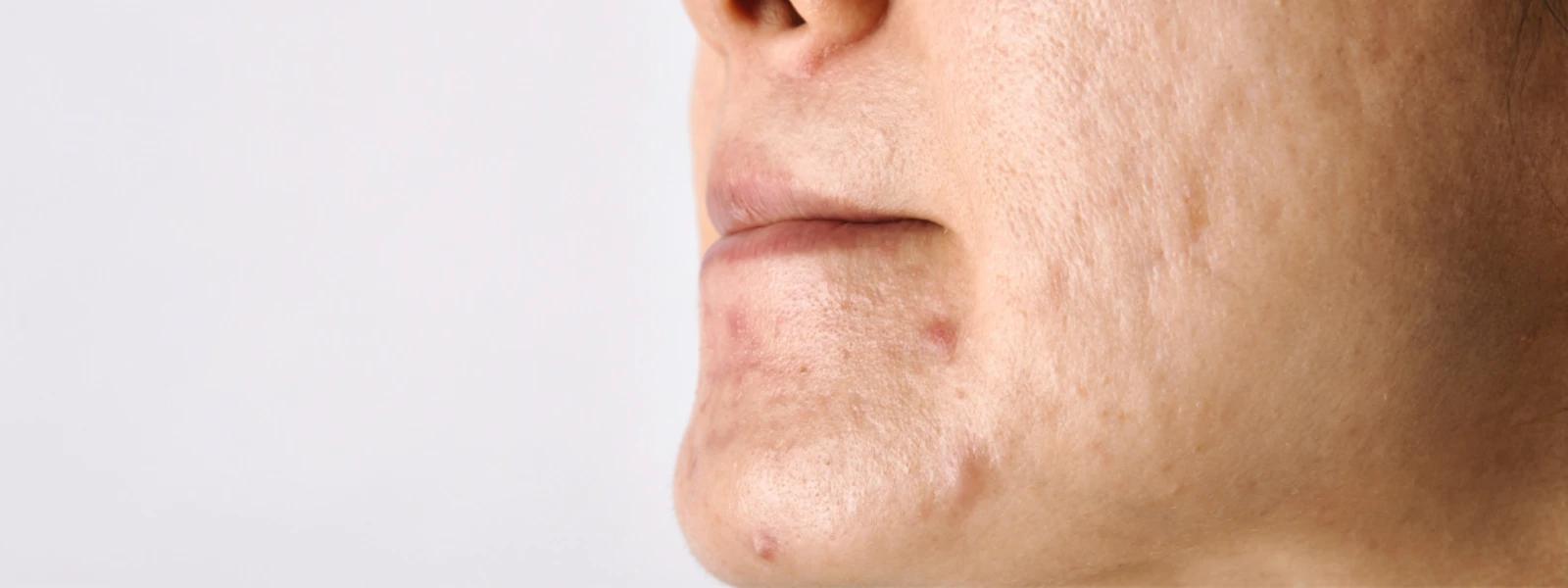
Hyperpigmentation typically appears as brown, black, or grey patches that are darker than your surrounding skin. Acne marks often start as red or purple spots that gradually darken over time. Stretch marks begin as red or purple lines and eventually fade to white or silver.
Understanding hyperpigmentation reasons starts with recognising that your skin is constantly responding to internal and external triggers. When these triggers cause inflammation or damage, your skin's defence mechanism kicks in, often resulting in excess melanin production.
UV rays are perhaps the most common dark spot triggers. When your skin detects UV damage, it produces more melanin as a protective measure. This is why you might notice dark spots appearing after a beach holiday or summer months spent outdoors without proper sun protection.
Age spots, also called solar lentigines, are the result of years of cumulative sun exposure. They typically appear on areas most exposed to the sun: your face, hands, shoulders, and arms. The process is gradual, which is why these spots often seem to appear "suddenly" in your thirties or forties.
Hormones play a significant role in skin discoloration. Melasma, often called the "mask of pregnancy," appears as symmetrical brown patches on the face. It's triggered by hormonal fluctuations during pregnancy, whilst taking birth control pills, or during hormone replacement therapy.

Dark Spot Reduction Set | 3-Step Routine for Hyperpigmentation & Even Skin Tone | Cleanser, Serum & Moisturizer | Skin Care Routine Kit
Your thyroid can also influence skin pigmentation. Both overactive and underactive thyroid conditions can lead to changes in skin colour and texture, making this one of the more complex hyperpigmentation reasons to identify.
This is where acne marks come into play. When your skin experiences inflammation from acne, eczema, or even minor injuries, the healing process can trigger excess melanin production. This explains why that spot where you picked at a blemish last month is now a dark mark that seems more noticeable than the original pimple ever was.
Understanding scar causes requires looking at how your skin heals itself. When the deeper layers of your skin (the dermis) are damaged, your body produces collagen to repair the wound. Sometimes this repair process doesn't go quite to plan, resulting in visible scarring.
Acne marks and acne scars are actually two different things, though they're often confused. Acne marks are flat discolorations that fade over time, whilst acne scars involve changes in skin texture. The severity of acne scarring often depends on the type of acne, how long it persists, and whether you pick or squeeze blemishes.
Cystic acne, which affects deeper skin layers, is more likely to cause permanent scarring. Your genetics also play a role – some people are simply more prone to scarring than others, regardless of how well they care for their skin.
When your skin is cut, burned, or otherwise injured, the healing process determines what type of scar forms. Normal scars are flat and pale, but sometimes the body produces too much collagen, resulting in raised keloid or hypertrophic scars. These are more common in people with darker skin tones and tend to occur on the chest, shoulders, and earlobes.
Stretch mark formation happens when your skin stretches faster than it can adapt. The middle layer of skin (dermis) tears, and as it heals, stretch marks form. This commonly occurs during pregnancy, rapid weight gain or loss, growth spurts during puberty, and even rapid muscle building.
Your genetics significantly influence whether you'll develop stretch marks. If your mother had them during pregnancy, you're more likely to develop them too. Hormones, particularly cortisol, can also make your skin less elastic and more prone to stretch marks.
Interestingly, stretch marks aren't just about rapid stretching. The hormone relaxin, produced during pregnancy, actually softens ligaments and can make skin more susceptible to stretching and tearing.

Advanced Anti-Pigmentation Kit | Hyperpigmentation Reduction Kit | Cleanser, Serum, Moisturizer & Sunscreen | Complete Skin Care Routine
Sometimes you might notice skin discoloration that seems to appear overnight. This can be particularly concerning and often leads to frantic internet searches about what causes marks to appear so suddenly.
Certain medical conditions can cause rapid changes in skin pigmentation. Diabetes can lead to a condition called acanthosis nigricans, which causes dark, velvety patches in skin folds. Addison's disease can cause generalised darkening of the skin, whilst vitiligo causes white patches due to loss of melanin-producing cells.
Some medications can also trigger hyperpigmentation. Antimalarial drugs, certain antibiotics, and even some heart medications can cause skin darkening as a side effect.
Deficiencies in certain vitamins and minerals can affect skin pigmentation. Iron deficiency can cause pale skin, whilst B12 deficiency might lead to hyperpigmentation. These changes are usually gradual but can seem sudden when they reach a noticeable threshold.
Bruise development occurs when small blood vessels under the skin break, usually due to impact or pressure. The characteristic colour changes – from red to purple to yellow-green – reflect your body's process of breaking down and reabsorbing the leaked blood.
Redness causes skin irritation can range from simple allergic reactions to more complex inflammatory conditions. Rosacea, for example, causes persistent redness and can worsen with triggers like spicy food, alcohol, or stress. Contact dermatitis from skincare products or environmental allergens can cause sudden redness and inflammation.
Poor circulation can also contribute to uneven skin tone. When blood flow is compromised, some areas of skin may appear darker or redder than others, creating a mottled appearance.
Permanent removal of dark spots often requires professional treatments like laser therapy, chemical peels, or prescription retinoids. However, many marks will fade significantly with consistent use of ingredients like niacinamide, vitamin C, and proper sun protection. The key is patience – most treatments take 3-6 months to show significant results.

Target & Fade Duo for Hyperpigmentation | Even-Tone Underarms, Inner Thighs & Bum | Refines Skin Texture | For All Skin Types
Whilst lemon juice contains citric acid, which has mild exfoliating properties, it's not an effective treatment for hyperpigmentation. In fact, lemon juice can make your skin more sensitive to sun damage, potentially worsening dark spots. Stick to proven ingredients like AHAs, retinoids, and vitamin C for safer, more effective results.
Acne marks are flat discolorations that fade over time, whilst acne scars involve changes in skin texture like pitting or raised areas. Marks are easier to treat with topical products, whilst scars often require professional procedures like microneedling or laser resurfacing.
Stretch mark formation is largely genetic. Your skin's elasticity, collagen production, and hormone sensitivity all play roles. People with naturally more elastic skin or different collagen structures may be less prone to developing stretch marks, even during rapid growth or weight changes.
Consult a dermatologist if marks appear suddenly without explanation, change in size, shape, or colour, are accompanied by other symptoms like itching or pain, or if you have concerns about any unusual skin discoloration. Early intervention often leads to better treatment outcomes.
Stress can indirectly contribute to skin discoloration by triggering hormonal changes, worsening inflammatory conditions like acne or eczema, and affecting your skin's healing process. Managing stress through proper sleep, exercise, and relaxation techniques can help maintain healthier skin.
Understanding what causes marks on your skin is the first step towards addressing them effectively. Whether you're dealing with acne marks, stretch marks, or unexpected hyperpigmentation, remember that most skin changes are completely normal responses to life's experiences.
The key to managing skin discoloration lies in prevention through proper sun protection, gentle skincare practices, and addressing underlying health issues. When treatment is needed, patience is essential – skin renewal takes time, and the most effective approaches often require consistent effort over several months.
For those exploring new skincare solutions, platforms like Smytten Shop offer the opportunity to try products from premium brands before committing to full sizes. With over 28 million users discovering effective skincare through sample trials, you can find targeted treatments for your specific concerns whilst earning cashback on purchases. Your skin's journey is unique, and finding the right products shouldn't involve guesswork or expensive mistakes.
