What Causes Body Pigmentation? Your FAQ Answered


Target & Fade Duo for Hyperpigmentation | Even-Tone Underarms, Inner Thighs & Bum | Refines Skin Texture | For All Skin Types
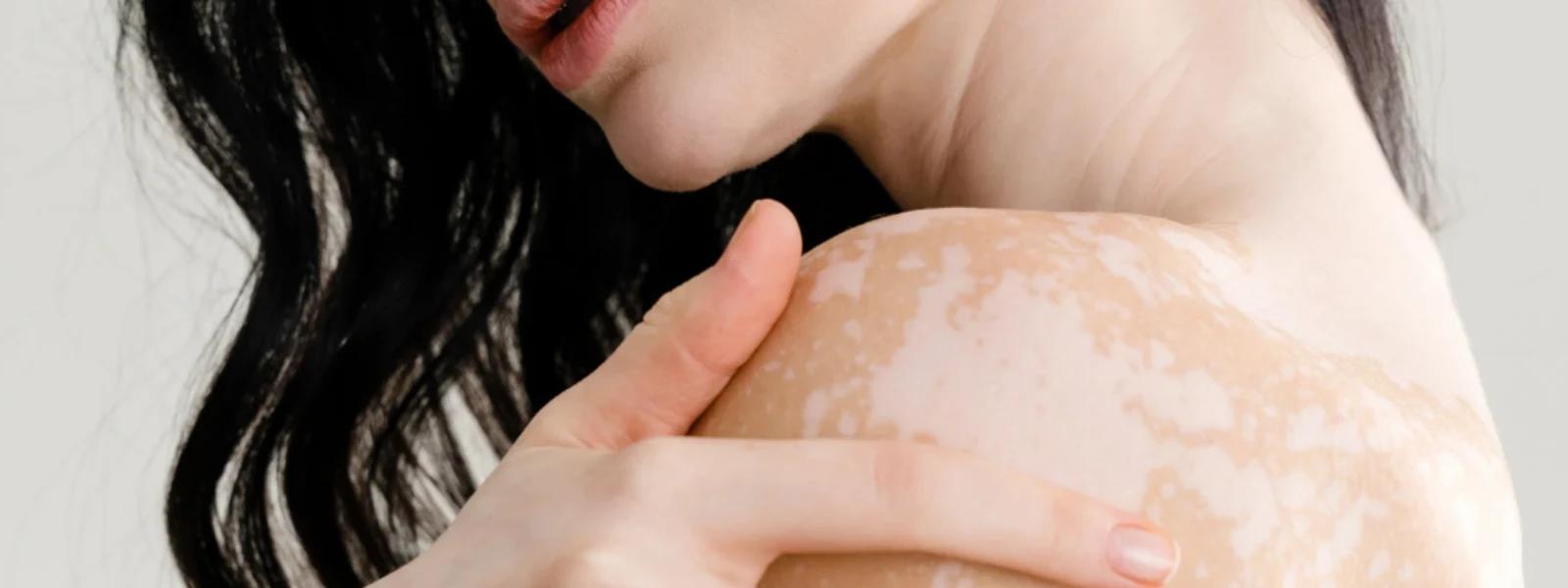
Ever noticed those stubborn dark patches on your elbows, knees, or underarms that seem to appear out of nowhere? You're not alone. Body pigmentation affects millions of people across India, yet it's often misunderstood. Unlike facial pigmentation that gets all the attention, skin discoloration on the body can be equally frustrating and sometimes more challenging to address. From post-gym friction marks to those mysterious dark spots that appeared after last summer's beach holiday, understanding what's happening beneath your skin is the first step towards clearer, more even-toned skin.
Body pigmentation occurs when your skin produces excess melanin – the natural pigment that gives your skin its colour. Think of melanocytes as tiny factories in your skin that work overtime when triggered by various factors. Unlike facial skin, body skin is often thicker and experiences different types of stress, from clothing friction to varying sun exposure patterns.
The key difference between normal and excessive melanin production lies in the triggers. Your skin naturally produces melanin as protection, but when this process goes into overdrive, you get those unwanted dark patches. Areas like underarms, inner thighs, elbows, and knees are particularly prone because they experience more friction and folding, creating the perfect environment for skin discoloration.
What makes body pigmentation unique is how it responds to treatment. Body skin regenerates differently than facial skin, which is why those dark spots might seem more stubborn than the ones on your face. The good news? Once you understand the root causes, you can tackle them more effectively.
Real talk – skin pigmentation causes are more varied than you might think. It's not just about sun exposure, though that's certainly a major player. Your body's dark spots could be telling a story about your hormones, lifestyle, or even that new workout routine you started.
UV rays are probably the most common culprit behind body pigmentation. When you're out in the sun, your skin produces extra melanin as a protective mechanism. Areas like your arms, shoulders, chest, and back get the most exposure and often show the first signs of uneven skin tone. The tricky bit is that sun damage can show up months or even years later, making it hard to connect the dots.
Hormones can wreak havoc on your skin's pigmentation patterns. Pregnancy often brings melasma not just to the face but also to the body. Birth control pills and hormone replacement therapy can trigger similar responses. Then there's insulin resistance, which can cause acanthosis nigricans – those velvety dark patches often seen around the neck, armpits, and groin area.

Mineral Sunscreen SPF 50 | Matte Finish | No White Cast | Non-Nano Zinc Oxide | Cica | Pregnancy Safe | All Skin Types | 50ml
This is where things get personal. Every time your skin gets inflamed – whether from body acne, eczema, cuts, or even aggressive scrubbing – it can leave behind dark spots. PIH is particularly common in people with deeper skin tones and can persist for months if not properly addressed.
Sometimes, body pigmentation isn't just a cosmetic concern – it can signal underlying health conditions that need attention. Understanding these connections helps you know when to seek medical advice beyond skincare solutions.
Conditions like Addison's disease can cause widespread skin darkening, whilst diabetes often presents with acanthosis nigricans in body folds. Thyroid disorders can also affect how your skin produces and distributes melanin, leading to patchy skin discoloration that might seem random but actually follows specific patterns.
Certain antibiotics, anti-inflammatory drugs, and even antimalarial medications can cause distinctive pigmentation patterns on the body. Chemotherapy treatments are particularly known for causing skin discoloration that can range from darkening to unusual blue-gray tones. If you've started new medications and noticed changes in your skin, it's worth discussing with your healthcare provider.
The good news about hyperpigmentation treatment is that you have options. Body skin can handle stronger treatments than facial skin, but it also requires patience and consistency. The key is matching the right treatment to your specific type of pigmentation.

Salicylic Acid Face Cleanser | Deep Cleansing Formula for Breakouts | Unclogs Pores & Controls Oil | For Oily & Acne-Prone Skin | 100ml
Retinoids work brilliantly for body pigmentation because they speed up cell turnover, helping fade dark spots over time. Vitamin C serums provide antioxidant protection whilst gradually lightening existing pigmentation. For more stubborn areas, ingredients like kojic acid and gentle chemical exfoliants can help break down excess melanin deposits.
Chemical peels designed for body use can address larger areas of uneven skin tone more efficiently than spot treatments. Laser therapy offers precision for specific dark patches, whilst microdermabrasion can help with surface-level pigmentation. The key is finding a dermatologist who understands pigmentation in Indian skin tones and can recommend appropriate treatments.
Prevention truly is better than cure when it comes to body pigmentation. Simple daily habits can make a significant difference in preventing new dark spots and managing existing ones.
Sun protection isn't just for your face – your body needs SPF too, especially areas that get regular exposure. Choose breathable fabrics that don't cause friction, and be gentle with your skin after workouts or activities that cause sweating. For areas prone to friction like inner thighs or underarms, consider using barrier creams or powders to reduce irritation.
Your skincare routine should include gentle exfoliation to prevent dead skin buildup, which can make pigmentation appear darker. Look for body lotions with ingredients like niacinamide or alpha hydroxy acids that can gradually improve skin discoloration with regular use.
Whilst significant improvement is possible, complete permanent removal depends on the underlying cause. Sun damage and PIH often respond well to consistent treatment, but genetic pigmentation or hormone-related changes may require ongoing management. The key is realistic expectations and a comprehensive approach combining prevention and treatment.

Hydrating Moisturizer | Non-Comedogenic | Boosts Collagen & Hydrates Deeply | Ceramides + Niacinamide | For Normal to Dry Skin | 50g
Body skin experiences different stressors than facial skin – more friction, varying sun exposure, and often less consistent skincare attention. Areas like elbows and knees naturally have thicker skin that can appear darker. Hormonal factors also tend to affect body areas like the neck, armpits, and groin more than the face.
Most body pigmentation is cosmetic, but sudden changes or specific patterns can indicate underlying health conditions. Acanthosis nigricans, for example, can be an early sign of insulin resistance. If you notice rapid changes in pigmentation patterns, it's worth consulting a healthcare provider.
Certain foods can make your skin more sensitive to sun damage, potentially worsening pigmentation. Citrus fruits, celery, and some spices can increase photosensitivity. However, an anti-inflammatory diet rich in antioxidants can actually support healthy skin and may help with pigmentation management over time.
Body skin typically takes longer to show results than facial skin – expect 3-6 months of consistent treatment for noticeable improvement. Deeper pigmentation may take up to a year. The key is patience and consistency with your chosen treatment approach.
Many facial products can be used on the body, but body skin can often tolerate stronger concentrations. However, some areas like the neck and chest are more sensitive. Always patch test first, and consider that you'll need larger quantities for body application, which can make facial products expensive for body use.
Understanding what causes body pigmentation empowers you to make informed decisions about treatment and prevention. Whether you're dealing with sun damage, hormonal changes, or post-inflammatory marks, remember that improvement takes time and consistency.
The journey to more even-toned skin doesn't have to be expensive or complicated. With platforms like Smytten Shop, you can explore curated pigmentation remedies and try products before committing to full sizes. From gentle exfoliating lotions to targeted serums, finding the right combination for your skin becomes more accessible when you can sample first.
Your skin's story is unique, and your treatment approach should be too. Whether you're just starting to notice changes or have been dealing with body pigmentation for years, remember that every small step towards better skin health counts. Trust the process, be patient with your skin, and celebrate the gradual improvements along the way.
