What Causes Acne Breakouts? Your FAQ Answered
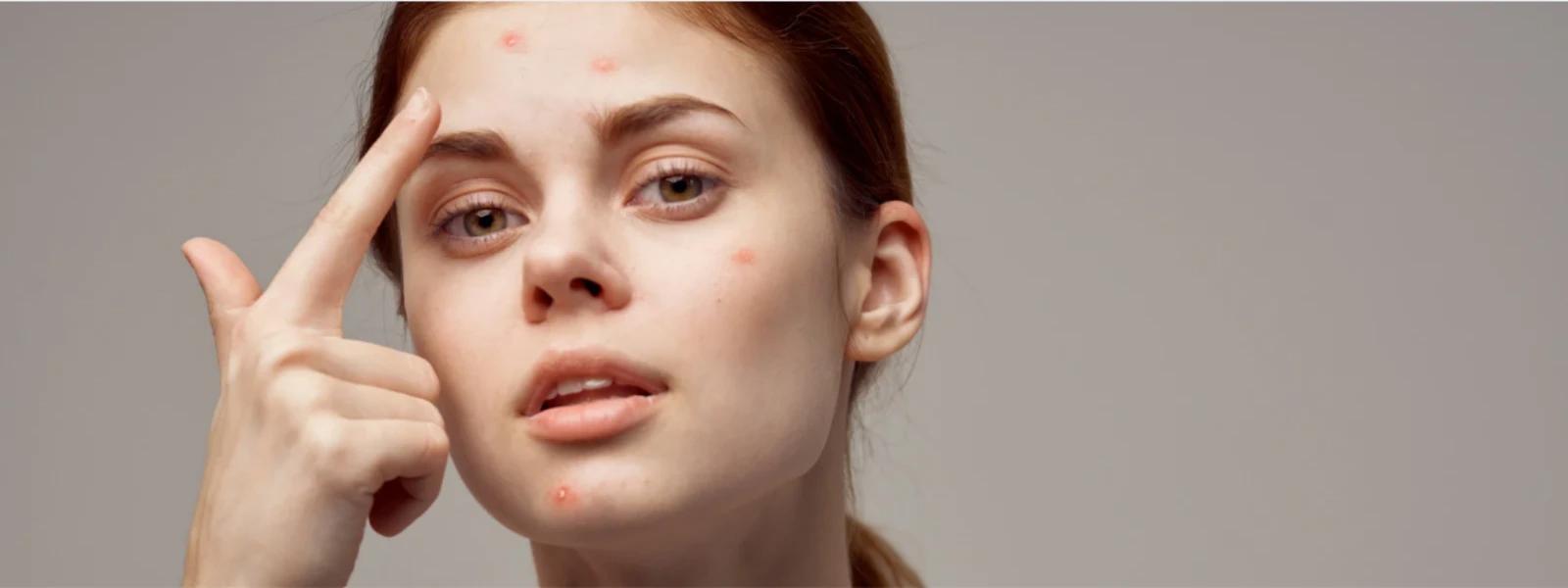

You've been following your skincare routine religiously, yet another angry pimple appears overnight. Sound familiar? If you're wondering what causes acne breakouts, you're not alone. Understanding the root causes behind those frustrating spots is the first step towards clearer skin. Let's dive into the science behind breakouts and answer the questions that keep you staring at your reflection each morning.
Before we explore specific triggers, it's worth understanding how acne actually forms. Your skin is constantly working to renew itself, shedding dead cells and producing oils to keep everything balanced. Sometimes, this process goes awry.
Think of acne formation as a perfect storm involving four key players. When these factors align, breakouts become almost inevitable.
Excess sebum production happens when your oil glands go into overdrive. This natural skin oil, whilst essential for healthy skin, can become problematic when produced in excess. Your pores simply can't handle the volume, leading to congestion.
Pore clogging occurs when dead skin cells don't shed properly. Instead of sloughing off naturally, they stick around and mix with that excess oil, creating a plug that blocks your pores. It's like trying to drain water through a clogged sink.
Bacterial overgrowth follows naturally. Cutibacterium acnes, the bacteria that lives on everyone's skin, thrives in these oxygen-free, oil-rich environments. What starts as a blocked pore becomes a bacterial party.
Inflammation is your body's response to this bacterial invasion. Your immune system sends reinforcements, causing the redness, swelling, and pain associated with inflamed breakouts.
Not all breakouts are created equal. The type of acne you develop depends on what happens after that initial pore blockage.
Whiteheads form when the blocked pore remains closed. The trapped oil and debris create a small, white bump under the skin's surface. These are often the first sign of developing acne.
Blackheads occur when the pore stays open but remains clogged. The dark colour isn't dirt – it's the oil and dead skin cells oxidising when exposed to air. Think of it like an apple browning after being cut.
Pimples and pustules develop when bacteria multiply within the blocked pore, causing inflammation. These are the red, sometimes painful spots that seem to appear at the worst possible moments.
Cysts and nodules represent the most severe form of acne. These deep, painful lesions form when the infection spreads beneath the skin's surface, often requiring professional treatment.
Now that we understand the mechanics, let's explore what actually sets this process in motion. Acne triggers vary from person to person, but certain factors consistently contribute to breakouts.
Hormones are often the primary culprit behind persistent breakouts. These chemical messengers directly influence how much oil your skin produces.
During puberty, androgen hormones surge, particularly testosterone. This hormone stimulates the sebaceous glands to produce more oil than your skin needs. It's why teenage acne is so common and often severe.
Adult women frequently experience hormonal fluctuations related to their menstrual cycle. Oestrogen levels drop before menstruation, whilst testosterone remains constant, creating a relative increase in androgens. This explains why many women notice breakouts appearing like clockwork each month.
Conditions like PCOS (Polycystic Ovary Syndrome) can cause persistently elevated androgen levels, leading to ongoing adult acne. If you're experiencing sudden adult breakouts alongside other symptoms, it's worth discussing with a healthcare provider.
The relationship between diet and acne has been debated for decades, but recent research provides clearer answers about which foods may contribute to breakouts.
High-glycemic foods like white bread, sugary snacks, and processed cereals can spike your blood sugar rapidly. This triggers insulin release, which may increase oil production and inflammation. It's not about avoiding carbs entirely – it's about choosing complex carbohydrates that release energy slowly.
Dairy products contain natural hormones and proteins that some people's skin reacts to poorly. The hormones in milk can potentially influence your own hormone levels, whilst certain milk proteins may trigger inflammatory responses in sensitive individuals.
However, it's important to note that dietary triggers are highly individual. What causes breakouts for your friend might not affect your skin at all. Keeping a food and skin diary can help identify your personal triggers.
Your daily environment and habits play a significant role in skin health. Modern life presents unique challenges for maintaining clear skin.
Stress doesn't directly cause acne, but it certainly makes existing breakouts worse. When you're stressed, your body produces more cortisol, which can increase oil production and inflammation. It's why you might notice more breakouts during exam periods or work deadlines.
Comedogenic skincare products can literally clog your pores. Ingredients like coconut oil, cocoa butter, and certain silicones can be problematic for acne-prone skin. Always check product labels and look for 'non-comedogenic' formulations.
Physical pressure from face masks, phone contact, or even resting your chin on your hands can cause mechanical acne. The friction and trapped moisture create perfect conditions for breakouts.
Sudden breakouts can be particularly frustrating, especially if you've enjoyed relatively clear skin. Several factors can trigger unexpected skin breakouts.
Adult acne affects up to 15% of women and often appears without warning. Unlike teenage acne, adult breakouts typically concentrate around the jawline and chin.
Hormonal changes remain the most common cause of sudden adult acne. This might be due to starting or stopping birth control, pregnancy, perimenopause, or underlying hormonal conditions.
New products in your routine can trigger breakouts, even if they're marketed as 'suitable for all skin types'. Your skin might react to a new ingredient or simply be overwhelmed by too many active ingredients introduced too quickly.
Life changes like increased stress, dietary changes, or even moving to a different climate can disrupt your skin's balance. Your skin often reflects what's happening in your life.
Where breakouts appear can provide clues about their underlying causes. Whilst not scientifically proven, many dermatologists notice patterns in acne location.
Forehead breakouts often relate to hair products or stress. If you use heavy styling products or frequently touch your forehead, this might be your trigger zone.
Cheek acne frequently correlates with phone contact, dirty pillowcases, or even the way you sleep. Consider how often your cheeks come into contact with potentially bacteria-laden surfaces.
Jawline and chin breakouts are typically hormonal, especially in women. These areas have more oil glands that respond to hormonal fluctuations.
Not all acne responds to the same treatments because different types have different underlying causes. Identifying your specific acne pattern helps target the right solutions.
Hormonal acne typically appears around the jawline and chin, flares before menstruation, and often includes deeper, more painful lesions. It tends to be more persistent and may not respond well to topical treatments alone.
Non-hormonal acne can appear anywhere on the face and often responds better to topical treatments. It might be triggered by products, environmental factors, or bacterial overgrowth.
Non-inflammatory acne includes blackheads and whiteheads. These respond well to gentle exfoliation and pore-clearing ingredients like salicylic acid.
Inflammatory acne involves red, painful lesions that require anti-inflammatory approaches. Ingredients like niacinamide and benzoyl peroxide can help manage inflammation whilst targeting bacteria.
The four primary causes work together: excess oil production, clogged pores from dead skin cells, bacterial overgrowth (particularly Cutibacterium acnes), and the resulting inflammation. Hormonal fluctuations, particularly increased androgens, often trigger this cascade. External factors like stress, certain foods, and pore-clogging products can exacerbate these underlying causes.
Prevention focuses on addressing the root causes. Maintain a consistent, gentle skincare routine with non-comedogenic products. Use ingredients like salicylic acid for pore-clearing and niacinamide for oil control. Manage stress levels, avoid touching your face, and keep items that contact your skin (like pillowcases and phones) clean. If breakouts persist, consider whether hormonal factors or dietary triggers might be involved.
Research suggests high-glycemic foods (white bread, sugary snacks, processed cereals) and dairy products may trigger breakouts in some people. These foods can influence hormone levels and inflammation. However, dietary triggers are highly individual. Keeping a food and skin diary for several weeks can help identify your personal triggers. Remember, completely eliminating food groups isn't necessary – moderation and awareness are key.
Stress doesn't directly cause acne, but it significantly worsens existing breakouts. When stressed, your body produces more cortisol, which increases oil production and inflammation. Stress also tends to disrupt sleep and healthy habits, indirectly affecting skin health. Additionally, stress often leads to touching or picking at the skin, which can worsen breakouts and lead to scarring.
Hormonal fluctuations during your menstrual cycle directly affect oil production. In the week before menstruation, oestrogen levels drop whilst testosterone remains constant, creating a relative increase in androgens. This hormonal shift stimulates sebaceous glands to produce more oil, often leading to breakouts around the jawline and chin. Some women also experience increased skin sensitivity during this time.
Yes, adult acne typically differs in location, type, and underlying causes. Adult breakouts often concentrate around the jawline and chin, tend to be more inflammatory (deeper, more painful lesions), and are frequently hormonal in nature. Adult skin also tends to be less oily overall but may have combination concerns like dryness alongside breakouts. Treatment approaches often need to be gentler and may require addressing hormonal factors.
Understanding what causes acne breakouts empowers you to make informed decisions about your skincare routine and lifestyle choices. Remember, acne is incredibly common – you're not alone in this journey, and clear skin is absolutely achievable with the right approach.
The key is identifying your specific triggers and addressing them systematically. Whether it's hormonal fluctuations, dietary factors, or environmental triggers, knowledge gives you the power to take control. Start with gentle, consistent skincare using proven ingredients, and don't be afraid to seek professional help if breakouts persist.
At Smytten, you'll find curated selections of dermatologist-recommended skincare products from trusted brands. With over 28 million users discovering their perfect skincare matches, you can explore targeted treatments for your specific acne concerns. The platform's try-before-you-buy approach means you can test products without the commitment, making it easier to find what works for your unique skin. Your clearer skin journey starts with understanding – and now you're well-equipped to begin.
