What Are Sweat Marks? Your FAQ About Sweat Stains Answered


Advanced Anti-Pigmentation Kit | Hyperpigmentation Reduction Kit | Cleanser, Serum, Moisturizer & Sunscreen | Complete Skin Care Routine
You're getting ready for an important meeting when you notice those telltale damp patches under your arms. Or perhaps you've caught a glimpse of yourself in the mirror and spotted that shiny forehead that seems to appear at the worst possible moments. Sweat marks are something most of us deal with, yet they remain one of those awkward topics we rarely discuss openly. Whether it's the occasional underarm dampness or more persistent sweating that leaves visible traces on your clothes and skin, understanding what causes these marks is the first step towards managing them effectively.
Sweat marks are visible traces left by perspiration on either your skin or clothing. They can appear as damp patches, discoloured areas, or even crusty residue depending on your sweat composition and the surface it touches. Real talk: everyone sweats, but not everyone experiences the same type or visibility of sweat marks.
There are several distinct types of sweat marks you might notice. Fresh sweat marks appear as wet or damp patches on clothing, typically showing up as darker areas on light fabrics or lighter spots on dark materials. These usually disappear once the moisture evaporates. However, sweat stains are more permanent discolourations that develop over time, particularly the yellow or white marks you might see around shirt collars and underarms.
Underarm sweat marks are perhaps the most noticeable and socially concerning. The underarm area contains a high concentration of sweat glands, making it prone to both immediate dampness and long-term staining. Your face is another common area where sweat marks appear, particularly around the hairline, forehead, and upper lip. Back and chest areas can also show sweat marks, especially during physical activity or in warm environments.
Most people produce between 1-3 litres of sweat daily under normal conditions. However, if you're noticing sweat marks even during cool weather or minimal activity, you might be experiencing excessive sweating. This condition, known as hyperhidrosis, affects roughly 3% of the population and can significantly impact daily life.
Understanding why sweat leaves marks requires looking at what's actually in your perspiration. Sweat isn't just water – it contains salts, proteins, oils, and other compounds that can interact with fabrics and create lasting stains. When sweat evaporates, these substances remain behind, gradually building up to create visible marks.
The yellow stains commonly seen on white shirts result from a chemical reaction between the aluminium compounds in antiperspirants and the proteins in your sweat. This reaction creates aluminium salts that bind to fabric fibres, creating those stubborn yellow marks that seem impossible to remove. Interestingly, people who use deodorant instead of antiperspirant often experience fewer clothing stains, though they may have more immediate sweat marks.
Several factors influence how visible your sweat marks become. Your individual sweat composition plays a significant role – some people naturally produce sweat with higher concentrations of salts or proteins. The pH level of your sweat can also affect how it interacts with fabrics and personal care products. Additionally, certain medications, hormonal changes, and dietary factors can alter your sweat composition, making marks more or less visible.

Sunscreen Spray for Body | SPF 50+ PA+++ | Sweat & Water-Resistant | Broad Spectrum UVA/UVB Protection | Clear Matte Formula | Aloe Vera | 100ml
Hyperhidrosis is a medical condition characterised by excessive sweating that goes beyond what's necessary for temperature regulation. If you're changing clothes multiple times daily due to sweat marks, avoiding certain colours or fabrics, or feeling anxious about social situations because of visible sweating, you might have this condition.
Primary hyperhidrosis typically affects specific areas like the underarms, palms, feet, or face without an underlying medical cause. Secondary hyperhidrosis, however, results from other conditions such as hormonal changes, medications, or medical treatments. The emotional impact of visible sweat marks can be significant, affecting confidence and social interactions.
Beyond just visible marks, hyperhidrosis often involves sweating that interferes with daily activities. You might notice armpit stains appearing within minutes of putting on fresh clothes, or find that your makeup slides off despite using setting products. Some people experience sweating that's triggered by stress or anxiety, creating a cycle where worry about sweating actually causes more sweating.
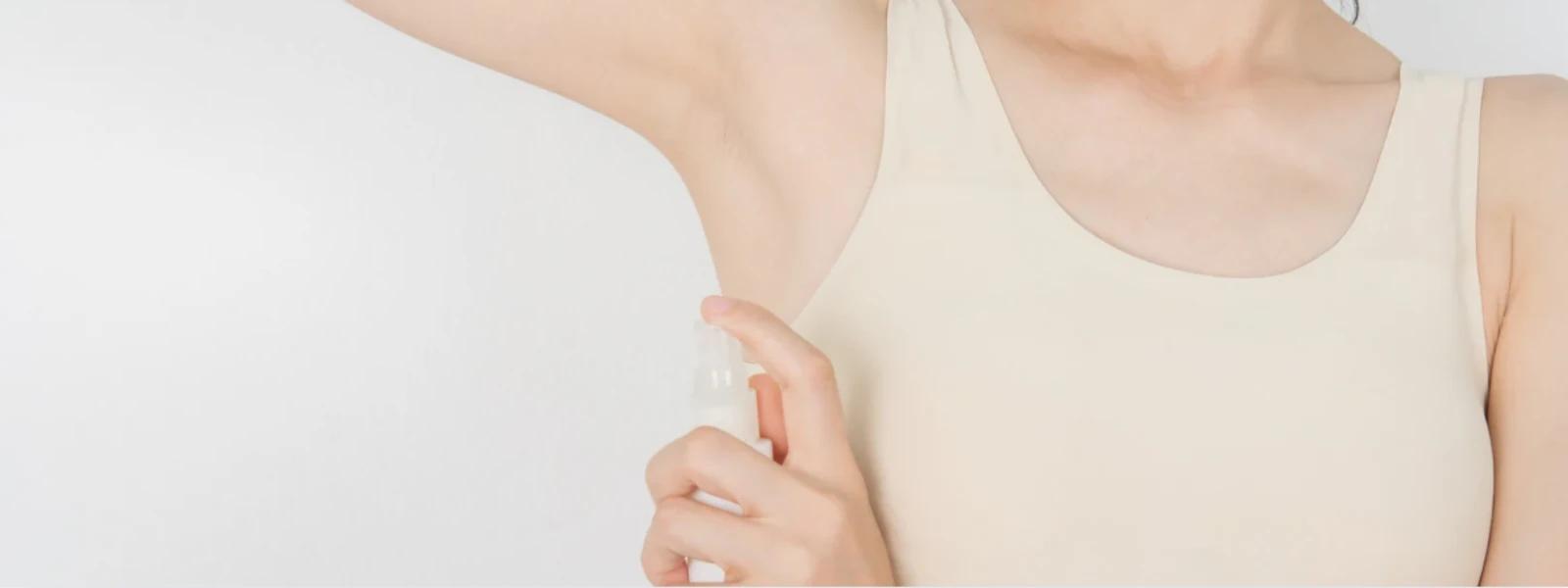
Each area of your body presents unique challenges when it comes to sweat marks. Underarm sweat is often the most problematic because it's trapped against clothing and contains higher concentrations of proteins and oils. The key to managing underarm marks involves both product choice and application technique.
Facial sweat marks can be particularly frustrating when they interfere with makeup or skincare routines. The delicate skin on your face requires gentler products, and you'll need to consider how sweat interacts with your existing beauty routine. Many people find that lightweight, breathable makeup formulas and setting sprays help minimise the appearance of facial sweat marks.
Sweat marks on your back and chest are often related to clothing choices and environmental factors. Synthetic fabrics can trap moisture and create more visible marks, whilst natural fibres like cotton and linen tend to be more forgiving. However, even natural fabrics can show sweat marks if they're too tight or don't allow proper air circulation.
Preventing sweat marks starts with understanding the difference between antiperspirants and deodorants. Antiperspirants contain aluminium compounds that temporarily block sweat ducts, reducing the amount of moisture that reaches your skin's surface. Deodorants, on the other hand, focus on controlling body odour without necessarily reducing sweat production.
The timing of antiperspirant application is crucial for effectiveness. Applying it to completely dry skin before bed allows the aluminium compounds to form effective plugs in your sweat ducts overnight. Many people make the mistake of applying antiperspirant in the morning to damp skin, which significantly reduces its effectiveness.

Even Tone Underarm Mist | Brightening Spray for Dark Underarms | 48H Odour Protection | 7% Glycolic + 3% Lactic Acid | Pack of 2 | 100ml
Your wardrobe plays a significant role in how visible sweat marks become. Sweat proof fabrics and moisture-wicking materials can help manage perspiration before it becomes visible. Darker colours and patterns tend to camouflage sweat marks better than light, solid colours. Loose-fitting clothes allow better air circulation, reducing the likelihood of trapped moisture creating visible marks.
Diet can influence your sweat composition and production. Spicy foods, caffeine, and alcohol can trigger increased sweating in some people. Staying properly hydrated actually helps regulate your body temperature more efficiently, potentially reducing excessive sweating. Stress management techniques can also help, as anxiety and stress are common triggers for increased perspiration.
When prevention isn't enough, knowing how to treat existing sweat marks becomes essential. For fresh marks on clothing, immediate action often prevents permanent staining. Blotting rather than rubbing helps prevent the sweat from penetrating deeper into fabric fibres.
For set-in clothing stains, pre-treatment is key. A mixture of equal parts white vinegar and water can help break down the proteins and salts that create stubborn marks. For particularly tough stains, creating a paste with baking soda and water and letting it sit for several hours before washing can be effective.
Sweat marks on your skin require gentle but thorough cleansing. Using a mild cleanser twice daily helps remove sweat residue without over-drying your skin. For areas prone to persistent marks, gentle exfoliation once or twice weekly can help remove built-up residue. However, be cautious not to over-cleanse, as this can actually stimulate more oil and sweat production.
When over-the-counter solutions aren't sufficient, several professional treatments can help manage excessive sweating and reduce sweat marks. Prescription-strength antiperspirants contain higher concentrations of active ingredients and can be more effective for persistent sweating.
Dermatological treatments include botulinum toxin injections, which temporarily block the nerves that trigger sweat production. This treatment is particularly effective for underarm sweating and can provide relief for 6-12 months. Other options include iontophoresis, a procedure that uses electrical currents to temporarily disable sweat glands, and in severe cases, surgical interventions.

Target & Fade Duo for Hyperpigmentation | Even-Tone Underarms, Inner Thighs & Bum | Refines Skin Texture | For All Skin Types
Yes, sweat marks are completely normal. Everyone sweats, and most people will experience visible sweat marks at some point. The visibility and frequency can vary greatly between individuals due to factors like genetics, activity level, climate, and personal care routines.
Fresh sweat marks on clothing typically disappear as the moisture evaporates. However, the salts and proteins in sweat can leave behind residue that builds up over time, creating permanent stains if not properly cleaned. On skin, sweat marks usually disappear with normal cleansing.
Yellow sweat stains on clothing are usually not dangerous and result from the interaction between antiperspirant ingredients and sweat proteins. However, if you notice a sudden change in your sweat colour, odour, or production, it's worth consulting a healthcare provider to rule out underlying conditions.
Sweat can begin creating stains immediately upon contact with fabric, but permanent staining typically develops over multiple wear cycles. The combination of sweat, antiperspirant residue, and heat from washing and drying accelerates the staining process.
Yes, several medications can increase sweating or change sweat composition. Antidepressants, blood pressure medications, and hormonal treatments are common culprits. If you notice increased sweating after starting a new medication, discuss this with your healthcare provider.
Consider consulting a healthcare provider if sweating interferes with daily activities, occurs without obvious triggers like heat or exercise, or is accompanied by other symptoms like rapid heartbeat, weight loss, or fever. Persistent emotional distress related to sweating is also a valid reason to seek professional help.
Understanding what sweat marks are and why they occur is the foundation for managing them effectively. Whether you're dealing with occasional dampness or more persistent sweating, remember that this is a common experience that affects millions of people. The key is finding the right combination of prevention strategies, treatment options, and lifestyle adjustments that work for your specific situation.
For those exploring new personal care solutions, platforms like Smytten Shop offer the opportunity to try different antiperspirants and deodorants through sample sizes before committing to full-sized products. This approach can be particularly valuable when you're trying to find the right formula for your skin type and sweating patterns, allowing you to discover what works best without the investment risk.
Remember, managing sweat marks is often about finding the right routine rather than a single perfect product. Your skin will notice when you've found the right approach, and with patience and experimentation, you can develop a strategy that keeps you feeling confident and comfortable throughout your day.
