What Are Sun Spots? Your Complete FAQ Guide


Target & Fade Duo for Hyperpigmentation | Even-Tone Underarms, Inner Thighs & Bum | Refines Skin Texture | For All Skin Types
You've noticed those flat, brown spots appearing on your hands, face, or shoulders—and you're wondering what they are and why they've shown up now. These marks, often called sun spots or age spots, are one of the most common signs of cumulative sun exposure. Whilst they're typically harmless, understanding what causes them and how to address them can help you make informed decisions about your skincare routine and overall skin health.
Sun spots, medically known as solar lentigines, are flat, brown or tan patches that develop on areas of skin frequently exposed to UV radiation. Unlike freckles, which tend to fade in winter, sun spots remain consistent year-round and typically appear later in life as a result of accumulated sun damage over decades.
These spots most commonly appear on the face, hands, shoulders, and arms—essentially anywhere that's seen regular sun exposure throughout your life. They're completely flat against the skin surface, ranging from light tan to dark brown, and can vary in size from a few millimetres to several centimetres across.
The key difference between sun spots and other forms of skin discoloration lies in their cause and appearance. Whilst freckles are often genetic and may fade with reduced sun exposure, sun spots represent permanent changes in melanin distribution caused by years of UV damage. They're also distinct from moles, which are typically raised and may have irregular borders.
Age spots and sun spots are essentially the same thing—the terms are used interchangeably. However, melasma presents differently, typically appearing as larger, symmetrical patches on the face, often triggered by hormonal changes during pregnancy or from certain medications.
Post-inflammatory hyperpigmentation occurs after skin injury or inflammation, such as acne breakouts, and tends to be more irregular in shape compared to the typically round or oval sun spots.
Understanding sun spots causes begins with knowing how your skin responds to UV radiation. When UV rays penetrate the skin, they trigger melanocytes (pigment-producing cells) to create melanin as a protective mechanism. Over time, repeated exposure causes these cells to become overactive in certain areas, leading to concentrated patches of pigmentation.
The process isn't immediate—sun spots typically develop after decades of cumulative exposure. This explains why they're more common in people over 40, even though the damage began much earlier in life. Your skin essentially has a "memory" of every sunburn, every day at the beach, and every moment spent outdoors without proper protection.
Several factors increase your likelihood of developing sun spots. Fair skin provides less natural protection against UV damage, making it more susceptible to hyperpigmentation. Genetics also play a role—if your parents developed sun spots, you're more likely to as well. Certain medications can increase photosensitivity, making your skin more vulnerable to UV damage.
As we age, our skin's ability to repair UV damage diminishes significantly. The natural cell turnover process slows down, meaning damaged cells remain in place longer. Additionally, the distribution of melanocytes becomes less even over time, leading to the clustered pigmentation we recognise as sun spots.

Mineral Sunscreen SPF 50 | Matte Finish | No White Cast | Non-Nano Zinc Oxide | Cica | Pregnancy Safe | All Skin Types | 50ml
Not all dark spots on face are created equal. Solar lentigines are the classic sun spots we've discussed—flat, well-defined brown spots caused by UV exposure. These are the most common type and typically appear on areas that receive the most sun exposure throughout life.
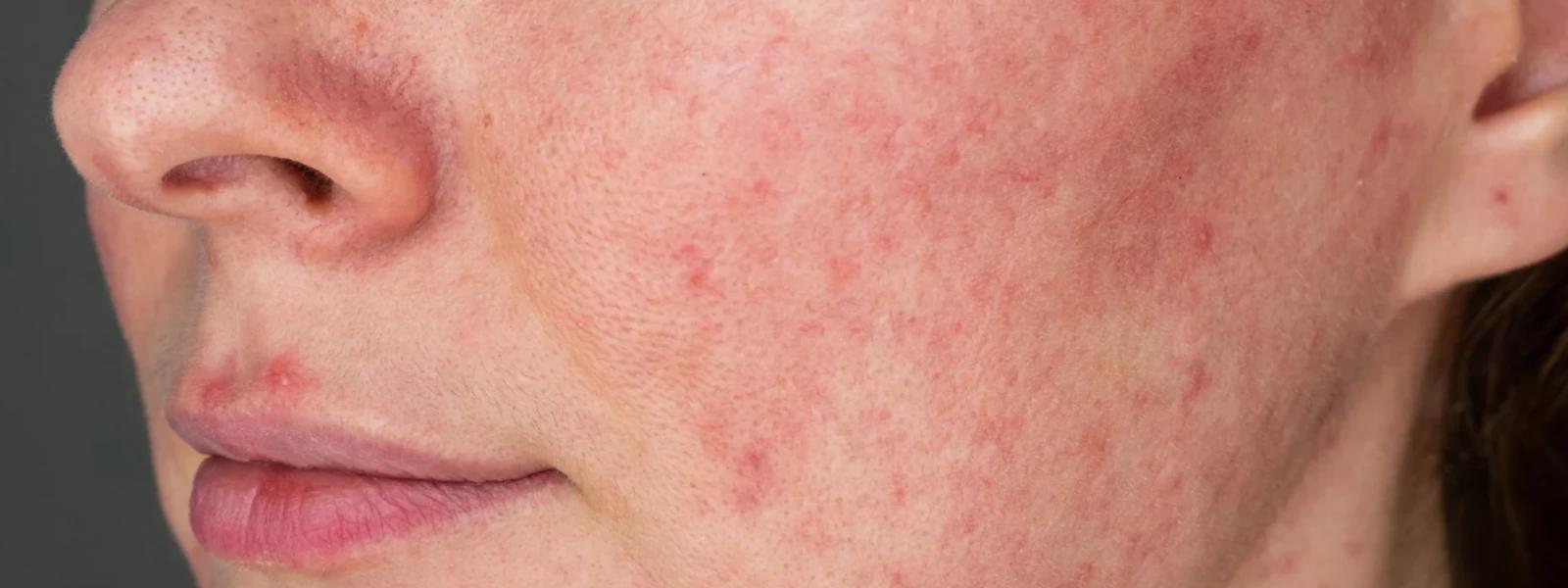
Melasma presents as larger, irregular patches, often appearing on the cheeks, forehead, and upper lip. This condition is frequently triggered by hormonal changes, particularly during pregnancy (sometimes called "pregnancy mask") or when taking hormonal contraceptives.
Post-inflammatory hyperpigmentation can occur anywhere on the face following acne breakouts, cuts, or other skin trauma. These spots tend to be more irregular in shape and may fade more readily than true sun spots with proper treatment.
Some people develop café-au-lait spots, which are light brown birthmarks that can become more prominent with sun exposure. Drug-induced pigmentation can also occur with certain medications, creating patterns that may mimic sun spots but require different treatment approaches.
Whilst most sun spots are benign, it's important to monitor any changes in size, colour, or texture. The ABCDE rule helps identify concerning spots: Asymmetry, Border irregularity, Colour variation, Diameter larger than 6mm, or Evolution (changes over time). Any spot exhibiting these characteristics warrants professional evaluation.
When it comes to sun spots treatment, you have several effective options ranging from professional procedures to at-home skincare routines. The best approach depends on the severity of your spots, your budget, and how quickly you want to see results.
Laser therapy offers some of the most dramatic results for sun spot removal. Intense Pulsed Light (IPL) treatments target pigmented cells specifically, breaking up the concentrated melanin. Q-switched lasers provide even more precise targeting for stubborn spots. Most people see significant improvement after 3-5 sessions, with treatments spaced several weeks apart.
Chemical peels using glycolic acid or trichloroacetic acid (TCA) remove the top layers of skin, revealing fresher, more evenly pigmented skin underneath. These treatments can address multiple spots simultaneously whilst improving overall skin texture.
For those preferring gradual improvement, several at-home treatments can help fade sun spots over time. Retinoids accelerate cell turnover, helping to shed pigmented cells more quickly. Vitamin C serums provide antioxidant protection whilst gently lightening existing pigmentation.
Alpha hydroxy acids (AHAs) like glycolic acid offer gentle exfoliation, gradually reducing the appearance of surface pigmentation. Beta hydroxy acids (BHAs) such as salicylic acid can penetrate deeper into pores, making them particularly effective for spots accompanied by enlarged pores or acne scarring.
Products containing niacinamide help regulate melanin production whilst strengthening the skin barrier. This ingredient works well in combination with other treatments and is suitable for sensitive skin types.

Salicylic Acid Face Cleanser | Deep Cleansing Formula for Breakouts | Unclogs Pores & Controls Oil | For Oily & Acne-Prone Skin | 100ml
Professional treatments typically show results within 2-4 weeks, with continued improvement over several months. At-home treatments require more patience—expect to see gradual fading over 3-6 months of consistent use. Maintenance treatments are often necessary to prevent new spots from forming and to maintain results.
The most effective approach to managing uneven skin tone is prevention. Daily broad-spectrum SPF 30 or higher sunscreen is non-negotiable, even on cloudy days or when spending time indoors near windows. UV rays can penetrate glass and clouds, contributing to cumulative damage.
Protective clothing, wide-brimmed hats, and sunglasses provide additional defence against UV exposure. Seeking shade during peak sun hours (10 AM to 4 PM) significantly reduces your daily UV dose.
Regular skin examinations help catch changes early, whether you're monitoring existing spots or watching for new ones. Monthly self-examinations combined with annual dermatologist visits provide comprehensive monitoring.
Antioxidants like vitamin C, vitamin E, and niacinamide help neutralise free radicals generated by UV exposure. These ingredients work synergistically with sunscreen to provide enhanced protection against environmental damage.
Gentle exfoliating acids help maintain healthy cell turnover, preventing the accumulation of damaged cells that can lead to pigmentation issues. However, these should always be paired with diligent sun protection, as they can increase photosensitivity.
Most sun spots are completely benign and pose no health risk. However, they do indicate significant cumulative sun damage, which increases your overall risk of skin cancer. It's important to have any new or changing spots evaluated by a dermatologist to rule out more serious conditions.
Professional treatments can significantly fade or completely remove existing sun spots. However, the underlying sun damage remains, and new spots may develop without proper sun protection. Complete removal often requires multiple treatment sessions and ongoing maintenance.

Hydrating Moisturizer | Non-Comedogenic | Boosts Collagen & Hydrates Deeply | Ceramides + Niacinamide | For Normal to Dry Skin | 50g
Sun spots indicate that your skin has accumulated significant UV damage over time. Whilst the spots themselves are typically harmless, they serve as a visible reminder to be more diligent about sun protection to prevent further damage and reduce skin cancer risk.
Sun spots are generally permanent without intervention. Unlike freckles, which may fade with reduced sun exposure, the pigmentation changes that create sun spots represent lasting alterations in melanin distribution. Some very light spots may fade slightly over time, but most remain consistent or may even darken with continued sun exposure.
Properly treated sun spots typically don't return in the exact same location. However, new spots can develop in other areas without adequate sun protection. The key to preventing recurrence is maintaining a comprehensive sun protection routine and following your dermatologist's post-treatment care instructions.
Sun spots and age spots are essentially the same condition—the terms are used interchangeably. Both refer to flat, brown spots caused by cumulative UV exposure over time. The term "age spots" simply reflects the fact that these spots typically become more noticeable as we age and our skin's repair mechanisms slow down.
Managing hyperpigmentation involves more than just treatment—it's about developing a comprehensive approach to skin health. A well-formulated makeup routine can provide excellent coverage for spots whilst you're undergoing treatment. Look for foundations with built-in SPF for added protection throughout the day.
Building confidence with changing skin is equally important. Remember that sun spots are incredibly common and a natural part of aging for most people. Focus on overall skin health rather than pursuing perfection, and celebrate improvements as they occur.
Long-term skin health maintenance requires consistency in both protection and treatment. Establish routines you can maintain year-round, rather than intensive treatments you'll abandon after a few weeks.
Your morning routine should prioritise protection with a broad-spectrum sunscreen as the final step. Evening routines can incorporate treatment ingredients like retinoids or vitamin C, depending on your skin's tolerance and your dermatologist's recommendations.
Weekly treatments might include gentle exfoliation or targeted spot treatments. The key is consistency rather than intensity—gentle, regular care produces better long-term results than sporadic aggressive treatments.
Understanding what sun spots are and how they develop empowers you to make informed decisions about prevention and treatment. Whilst these spots are typically harmless, they serve as important indicators of cumulative sun damage and remind us of the importance of comprehensive sun protection.
Whether you choose professional treatments or at-home care, consistency and patience are key to seeing results. The most important step is prevention—protecting your skin today prevents the sun spots of tomorrow. For those exploring treatment options, platforms like Smytten Shop offer access to premium skincare brands with ingredients proven effective for addressing hyperpigmentation, allowing you to try products before committing to full sizes. With over 28 million users discovering their perfect skincare matches, you can explore curated selections of treatments that work for your specific concerns whilst earning cashback on your purchases.
Remember, your skin's journey is unique, and what works for others may need adjustment for your specific needs. Focus on gentle, consistent care, and don't hesitate to consult with a dermatologist for personalised advice on managing sun spots and maintaining overall skin health.
