Wedding Stress Acne FAQ: Your Questions Answered


Advanced Spot Targeting Gel | Fast-Acting Discolouration Care | Targets Stubborn Marks | Spicules + Biomimetic Peptides + Arbutin | 15g
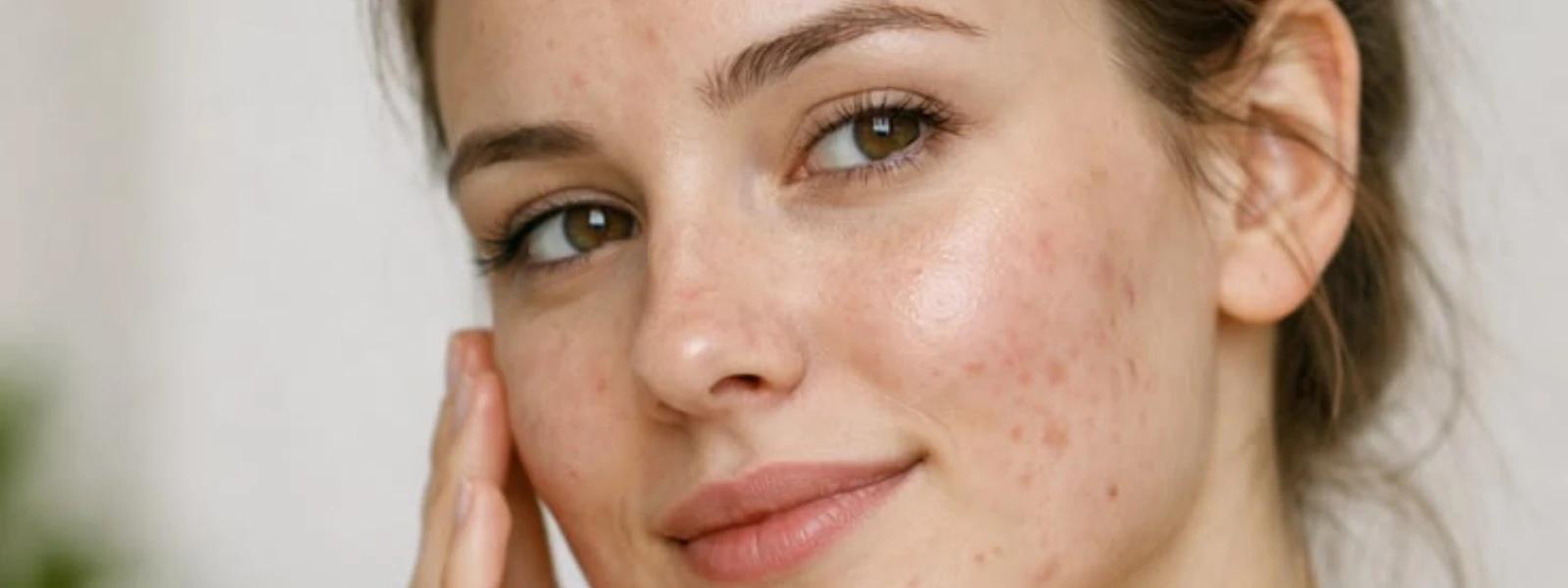
Picture this: you've been planning your dream wedding for months, everything's falling into place, and then—three weeks before the big day—your skin decides to throw its own celebration with a cluster of angry breakouts along your jawline. If you're nodding along, you're definitely not alone. Wedding stress acne is incredibly common, affecting up to 70% of brides in the months leading up to their wedding. The combination of elevated cortisol levels, disrupted sleep patterns, and the emotional rollercoaster of wedding planning creates the perfect storm for stress breakouts. Let's dive into the most pressing questions about wedding stress acne and arm you with the knowledge to keep your skin calm and clear.
The connection between stress and skin isn't just in your head—it's backed by solid science. When you're juggling vendor calls, guest lists, and budget spreadsheets, your body responds by releasing cortisol, often called the stress hormone. This hormonal surge doesn't just make you feel frazzled; it actively works against your skin's natural balance.
Cortisol triggers your sebaceous glands to produce excess oil, creating an ideal environment for acne-causing bacteria to thrive. Simultaneously, stress hormones increase inflammation throughout your body, making existing breakouts more red, swollen, and painful. Most brides notice stress-induced acne appearing 2-4 weeks after major planning milestones—think venue booking stress or family drama discussions.
Decision fatigue plays a massive role in wedding planning skin problems. When you're making dozens of choices daily—from napkin colours to menu selections—your brain becomes overwhelmed, triggering cortisol release. Poor sleep quality, often caused by racing thoughts about wedding details, disrupts your skin's natural repair cycle. Many brides also experience dietary changes during planning, whether from stress eating, skipping meals during busy planning sessions, or trying crash diets before the big day.
Wedding stress acne tends to follow predictable patterns that differ from regular hormonal breakouts. Understanding these patterns helps you identify whether stress is the culprit and choose the most effective treatment approach.
Hormonal cystic acne typically appears along the jawline and chin, presenting as deep, painful bumps that take weeks to resolve. Surface breakouts, more common with acute stress, show up as whiteheads and blackheads across the T-zone. Bridal acne often follows a timeline: early planning stress might trigger forehead breakouts, whilst last-minute panic tends to manifest as jawline cysts and back acne—particularly problematic for strapless dress fittings.
Whilst some stress breakouts are expected, certain symptoms warrant professional attention. Severe cystic acne that doesn't respond to over-the-counter treatments within 4-6 weeks, widespread inflammation across multiple areas of your face, or acne accompanied by other hormonal symptoms like irregular periods should prompt a dermatologist visit. Early intervention prevents scarring and ensures you have effective treatments in place well before your wedding day.

Salicylic Acid Face Cleanser | Deep Cleansing Formula for Breakouts | Unclogs Pores & Controls Oil | For Oily & Acne-Prone Skin | 100ml
When a massive spot appears days before your wedding, panic mode kicks in. However, there are proven strategies to minimise damage and speed healing, even with limited time.
Cortisone injections remain the gold standard for emergency cystic acne treatment. A dermatologist can inject diluted cortisone directly into large, painful cysts, reducing inflammation within 24-48 hours. Professional extractions, when performed correctly, can safely remove blackheads and whiteheads without causing scarring. LED light therapy sessions, whilst requiring multiple visits, can reduce inflammation and accelerate healing for surface breakouts.
For immediate relief, apply ice wrapped in a clean cloth for 5-10 minutes to reduce swelling and pain. Hydrocolloid patches work brilliantly for whiteheads, drawing out pus whilst protecting the spot from picking. Spot treatments containing benzoyl peroxide or salicylic acid can help, but introduce them gradually to avoid irritation. Remember, aggressive treatments close to your wedding day often cause more harm than good.
Effective stress-induced acne treatment requires a multi-pronged approach that addresses both the underlying stress response and the visible symptoms.
Benzoyl peroxide remains one of the most effective ingredients for stress-related breakouts, killing acne bacteria whilst reducing inflammation. Start with 2.5% formulations to minimise irritation, gradually increasing to 5% if needed. Salicylic acid works particularly well for stress breakouts because it penetrates oil-clogged pores whilst providing anti-inflammatory benefits. For brides planning ahead, incorporating a gentle retinoid can prevent future breakouts, but avoid starting new retinoid treatments within 8 weeks of your wedding.
Spironolactone proves highly effective for hormonal stress acne, blocking androgen receptors that trigger excess oil production. Results typically appear after 8-12 weeks, making it ideal for brides planning 6+ months ahead. Short-term prednisone courses can rapidly reduce severe inflammatory acne, but should only be considered under strict dermatological supervision due to potential side effects. Topical or oral antibiotics may help control bacterial overgrowth in stress-compromised skin.
The best defence against wedding planning skin problems is a proactive approach that starts months before your big day. Building a stress-resistant skincare routine helps your skin weather the inevitable ups and downs of wedding planning.

Anti-Acne Set | Targets Acne, Breakouts & Clogged Pores | Lightweight, Non-Greasy Routine | Ideal for Oily & Acne-Prone Skin
Focus on gentle, consistent care rather than aggressive treatments that might backfire under stress. Use a mild, non-stripping cleanser twice daily to remove excess oil without triggering increased production. Incorporate niacinamide to regulate oil production and reduce inflammation, whilst ceramides and hyaluronic acid maintain your skin barrier. Consistency matters more than complexity—stick to products that work rather than constantly trying new ones during stressful periods.
Schedule any major treatments like chemical peels or laser sessions at least 12 weeks before your wedding to allow for healing and potential complications. Monthly gentle facials can help maintain skin health, but avoid deep extractions or aggressive treatments within 4 weeks of your wedding. Always patch test new products at least 6 weeks before your wedding day to identify potential reactions.
Addressing the root cause of stress and skin problems requires managing your overall stress levels, not just treating the symptoms.
Regular meditation, even just 10 minutes daily, can significantly reduce cortisol levels and improve skin clarity. Exercise helps metabolise stress hormones whilst improving circulation and promoting better sleep. Prioritise 7-9 hours of quality sleep nightly—your skin repairs itself during deep sleep phases, and sleep deprivation directly correlates with increased breakouts.
Delegate tasks to trusted friends and family members to reduce your daily decision load. Create realistic timelines with buffer periods for unexpected delays or changes. Set boundaries around wedding discussions—designate specific times for planning rather than letting it consume every conversation and quiet moment.
Absolutely. Wedding planning stress triggers cortisol release, which increases oil production and inflammation in your skin. Studies show that stress-related acne typically appears 2-4 weeks after major stressful events, making wedding planning a common trigger for breakouts.
Pre-wedding breakouts result from multiple factors: elevated stress hormones, disrupted sleep patterns, dietary changes, and often trying new skincare products or treatments too close to the wedding date. Your skin is essentially responding to the physiological stress of planning a major life event.

Dark Patch Removal Cream | For Knees, Neck & Elbows | Kojic Acid, AHAs & MelaMe Complex | Fades Pigmentation | Smoothens Skin | Pack of 2 | 50g
Most people notice stress breakouts appearing 1-4 weeks after significant stressful periods. However, if you're already prone to acne, stress can trigger breakouts within days. The timeline varies based on individual skin sensitivity and stress levels.
Yes, but introduce it gradually. If you're not already using benzoyl peroxide, start with 2.5% formulations at least 6 weeks before your wedding. It can cause initial dryness and irritation, so you need time to adjust. Never start aggressive treatments within 2 weeks of your wedding day.
Spironolactone can be highly effective for hormonal stress acne, but it requires 8-12 weeks to show results. It's an excellent option for brides planning 6+ months ahead, but won't provide quick fixes for last-minute breakouts.
Short-term prednisone courses can rapidly reduce severe inflammatory acne, but should only be used under dermatological supervision. Side effects can include mood changes, increased appetite, and potential rebound acne after stopping. It's typically reserved for severe cases where other treatments haven't worked.
Completely normal. Wedding planning consistently ranks among life's most stressful events, alongside moving house and changing jobs. The key is recognising when stress levels are affecting your physical health, including your skin, and taking proactive steps to manage it.
Focus on stress management techniques like regular exercise, adequate sleep, and meditation. Maintain a consistent, gentle skincare routine rather than trying multiple new products. Consider delegating wedding tasks and setting realistic timelines to reduce daily stress levels.
Wedding stress acne feels overwhelming when you're already juggling countless details, but remember that it's temporary and manageable. The key lies in addressing both the symptoms and the underlying stress that triggers breakouts. Start with gentle, consistent skincare and proven stress management techniques rather than panicking and trying harsh treatments that might backfire.
For brides seeking reliable skincare solutions, platforms like Smytten Shop offer curated selections from trusted brands, allowing you to try products through samples before committing to full sizes—particularly valuable when you can't afford skincare experiments close to your wedding day. With over 28 million users discovering products that actually work for their skin, you can find tested solutions without the guesswork.
Your wedding day will be beautiful regardless of a spot or two, but taking proactive steps now helps ensure your skin feels as confident as you do walking down the aisle. Focus on what you can control—consistent skincare, stress management, and realistic expectations—and remember that this stressful period is temporary, but the memories will last forever.
