Uneven Skin Tone Treatment FAQ: Your Questions Answered
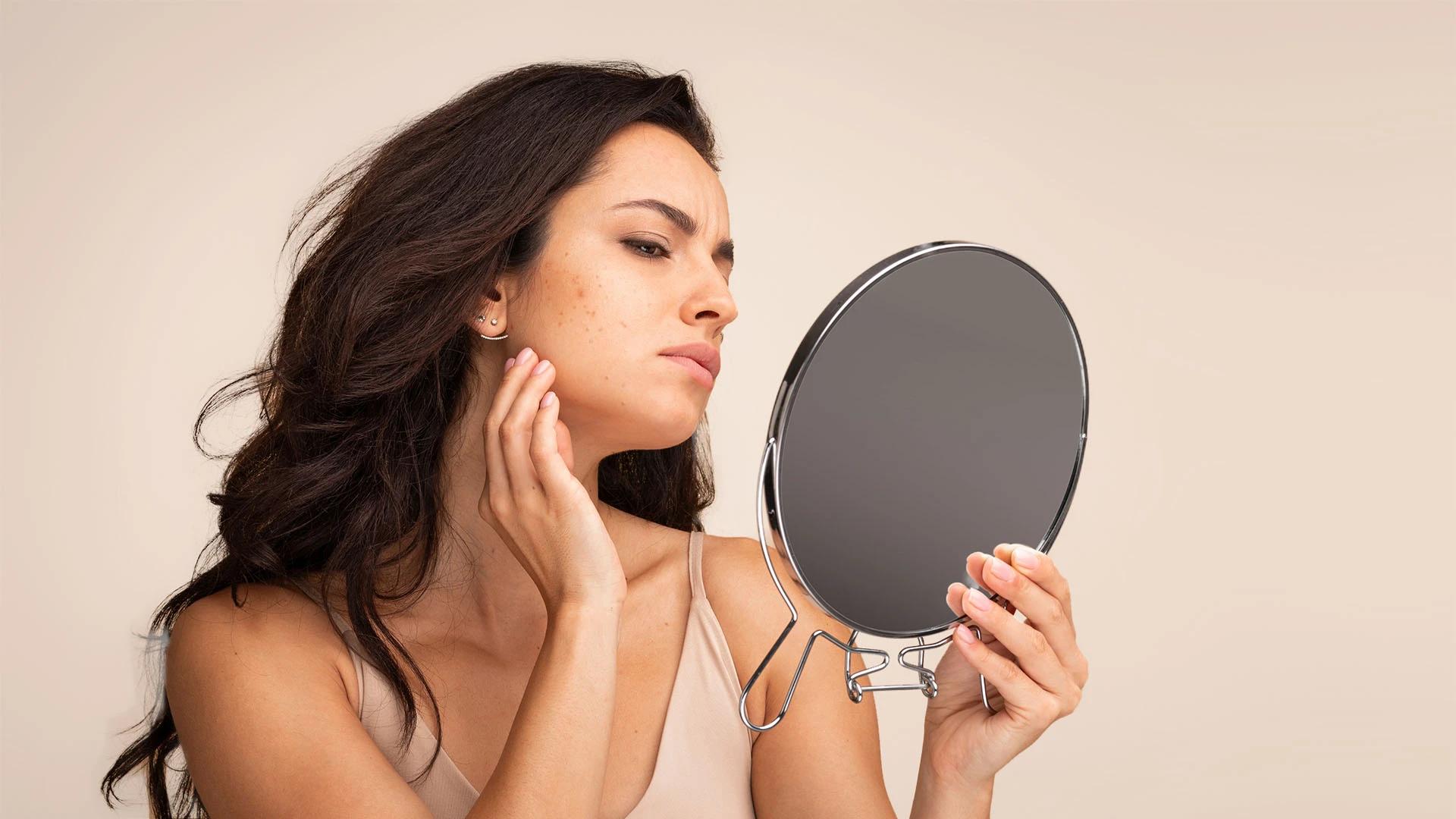

Ever caught yourself in the mirror wondering why your skin looks like a patchwork quilt? You're not alone. Uneven skin tone affects most of us at some point, whether it's those stubborn dark spots from last summer's breakouts, hormonal patches that appeared seemingly overnight, or that general dullness that makes your complexion look tired. The good news? There are proven ways to address these concerns, and we're here to answer all your burning questions about getting your glow back.
Understanding why your skin develops uneven patches is the first step towards effective uneven skin tone treatment. Your skin produces melanin as a protective response to various triggers, but sometimes this process goes into overdrive or becomes patchy.
Sun damage tops the list of culprits. Those UV rays don't just cause immediate burns – they create long-term changes in how your skin produces pigment. Even brief daily exposure without SPF adds up over time, leading to age spots and general discolouration.
Hormonal changes are another major factor, particularly for women. Pregnancy, birth control, and hormonal fluctuations can trigger melasma – those brown patches that often appear on the forehead, cheeks, and upper lip. This type of hyperpigmentation treatment requires a more targeted approach.
Post-inflammatory hyperpigmentation occurs after acne, cuts, or any skin trauma. Your skin essentially overreacts during the healing process, leaving behind dark marks that can persist for months without proper care.
Age also plays a role. As we get older, our skin's natural renewal process slows down, making it harder to shed pigmented cells and maintain complexion uniformity.
When it comes to skin discoloration correction, you have several paths to choose from. The best approach often combines professional treatments with a solid at-home routine.
Chemical peels work by removing the top layers of damaged skin, revealing fresher, more evenly toned skin underneath. Light peels using glycolic or lactic acid can be done monthly, whilst deeper peels require more recovery time but deliver more dramatic results.
IPL (Intense Pulsed Light) therapy targets pigmented areas with specific wavelengths of light. The pigment absorbs the light energy, breaks down, and gradually fades over several weeks. Most people need 3-5 sessions for optimal results.
Microneedling creates tiny channels in the skin, stimulating collagen production and helping topical treatments penetrate deeper. It's particularly effective for improving even skin texture alongside pigmentation concerns.
A well-formulated tone correcting serum can deliver impressive results with consistent use. Look for products containing proven ingredients like vitamin C, niacinamide, or retinoids.
Brightening skincare routines work gradually but effectively. The key is consistency and patience – most people see initial improvements within 4-6 weeks of regular use.
For targeted dark spot removal, spot treatments containing higher concentrations of active ingredients can help fade specific areas more quickly than all-over treatments.
Not all skincare ingredients are created equal when it comes to addressing uneven tone. Here are the proven performers worth adding to your routine.
Vitamin C is a powerhouse antioxidant that inhibits melanin production whilst protecting against future damage. L-ascorbic acid is the most potent form, though magnesium ascorbyl phosphate is gentler for sensitive skin.
Niacinamide offers multiple benefits for redness reduction and overall skin health. It helps regulate melanin transfer and strengthens the skin barrier, making it suitable for most skin types including sensitive and acne-prone skin.
Retinoids accelerate cell turnover, helping pigmented cells shed more quickly whilst preventing new discolouration from forming. Start with a low concentration and gradually increase to avoid irritation.
Alpha Hydroxy Acids (AHAs) like glycolic and lactic acid gently exfoliate the surface layer of skin, revealing brighter skin underneath. They're particularly effective for surface-level pigmentation.
Hydroquinone remains the gold standard for skin pigmentation treatment, though it requires careful use and dermatologist supervision for concentrations above 2%.
Arbutin and kojic acid offer gentler alternatives to hydroquinone, working to inhibit tyrosinase, the enzyme responsible for melanin production.
Whilst professional treatments and clinical ingredients deliver the fastest results, several natural approaches can support your uneven skin tone treatment journey.
Aloe vera contains compounds that may help inhibit melanin production whilst soothing irritated skin. Fresh aloe gel can be applied directly to affected areas or look for products containing high concentrations of aloe extract.
Green tea extract provides antioxidant protection and has mild brightening properties. You can apply cooled green tea directly to your skin or choose products featuring this ingredient.
Rosehip oil is rich in vitamin C and essential fatty acids that support skin renewal. It's particularly beneficial for dry skin types dealing with pigmentation concerns.
Remember, natural doesn't always mean gentle. Always patch test new ingredients and introduce them gradually into your routine.
Creating an effective routine for complexion uniformity requires strategic layering and consistent application. Here's how to structure your approach.
Morning routine should focus on protection and gentle brightening. Start with a gentle cleanser, apply your vitamin C serum, follow with moisturiser, and never skip SPF 30 or higher. Sun protection is non-negotiable when treating pigmentation.
Evening routine is when you can use stronger actives. After cleansing, apply your treatment serum (retinoid, AHA, or targeted spot treatment), then seal everything in with a nourishing moisturiser.
Weekly treatments like gentle exfoliation or brightening masks can boost your daily routine's effectiveness. Just don't overdo it – over-exfoliation can actually worsen pigmentation.
The key to success is starting slowly and building up your skin's tolerance. Introduce one new active ingredient at a time and give your skin at least two weeks to adjust before adding another.
Deciding between professional melasma treatment and at-home care depends on several factors including severity, budget, and timeline.
Professional treatments deliver faster, more dramatic results but require a higher investment. They're particularly beneficial for severe pigmentation, melasma, or when you need results for a specific event.
At-home treatments offer gradual improvement at a lower cost. They're perfect for maintenance, mild pigmentation, or when you prefer a gentler approach.
Many people find the best results come from combining both approaches – professional treatments for initial improvement followed by consistent at-home maintenance.
If you're exploring new products and treatments, platforms like Smytten Shop make it easier to try different brightening skincare options without committing to full sizes. With over 28 million users discovering new products through samples, you can find what works for your specific concerns whilst earning cashback on purchases.
Most people notice initial improvements within 2-4 weeks of consistent treatment, but significant changes typically take 8-12 weeks. Professional treatments may show faster results, whilst natural approaches require more patience. The key is consistency – skipping days will slow your progress.
The most effective approach combines daily SPF protection with proven active ingredients like vitamin C, niacinamide, or retinoids. For faster results, professional treatments like chemical peels or IPL therapy can be added. The best treatment varies by individual skin type and pigmentation severity.
Whilst you cannot change your natural skin tone, you can significantly reduce discolouration and achieve more uniform pigmentation. Most pigmentation issues are treatable, though some conditions like melasma may require ongoing management rather than complete elimination.
Significant melanin reduction takes weeks to months, not days. However, you can jumpstart the process with gentle daily exfoliation, vitamin C application, and strict sun protection. Avoid harsh scrubbing, which can worsen pigmentation through inflammation.
Natural ingredients like aloe vera, green tea, and rosehip oil can provide mild improvement and support overall skin health. However, clinical-grade ingredients typically deliver more noticeable results for significant pigmentation concerns. Home remedies work best as supportive treatments alongside proven actives.
Melasma is triggered by hormonal changes and often requires more targeted, professional treatment due to its tendency to recur. General hyperpigmentation from sun damage or acne scarring typically responds well to standard brightening ingredients and consistent at-home care.
Start with one active ingredient and gradually introduce others once your skin adjusts. Using too many brightening products simultaneously can cause irritation and actually worsen pigmentation. Layer products from thinnest to thickest consistency and always use SPF during the day.
Some ingredients like retinoids can initially bring deeper pigmentation to the surface, making it appear worse before it improves. Over-exfoliation or sun exposure during treatment can also worsen pigmentation. If irritation occurs, reduce frequency and ensure you're using adequate sun protection.
Achieving more even skin tone is absolutely possible with the right approach and realistic expectations. Whether you choose professional treatments, at-home care, or a combination of both, consistency is your best friend. Remember that your skin took time to develop these concerns, and it will take time to address them properly.
The journey to complexion uniformity isn't always linear – some days your skin will look better than others, and that's completely normal. Focus on protecting your skin from further damage whilst treating existing concerns, and celebrate the small improvements along the way.
Your skin is unique, and what works for others might need adjusting for your specific needs. Don't be afraid to experiment with different products and approaches until you find your perfect routine. With patience and the right products, that even, radiant complexion you're after is well within reach.
