Uneven Skin Tone Remedies FAQ: Your Guide to Radiant Skin


Advanced Anti-Pigmentation Kit | Hyperpigmentation Reduction Kit | Cleanser, Serum, Moisturizer & Sunscreen | Complete Skin Care Routine
You've been staring at your reflection, wondering when those dark patches around your mouth appeared or why your cheeks look patchy despite your best skincare efforts. Uneven skin tone affects nearly everyone at some point, whether it's post-acne marks that refuse to fade, stubborn melasma from hormonal changes, or sun damage that's finally catching up with you. The good news? There are proven remedies that actually work, from gentle daily ingredients to professional treatments that deliver real results.
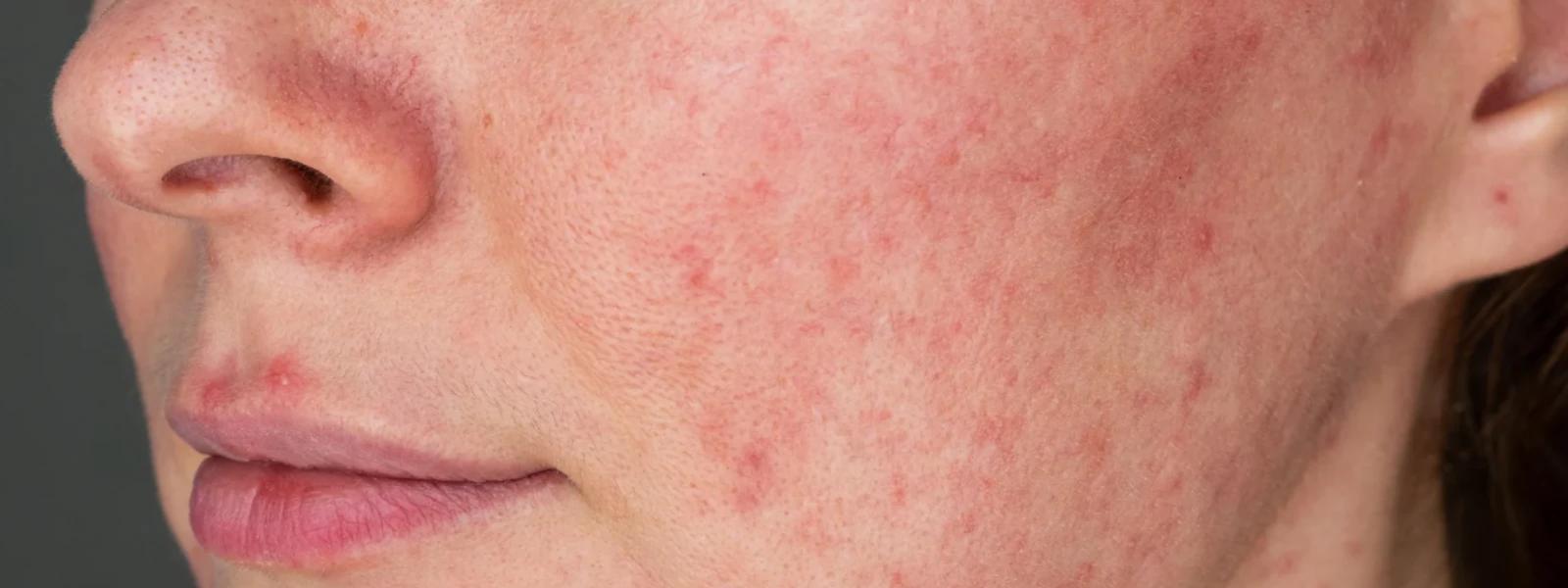
Uneven skin tone occurs when melanin production becomes irregular, creating patches of darker or lighter skin across your face and body. This isn't just about aesthetics—understanding why it happens helps you choose the most effective skin discoloration correction approach for your specific concerns.
The most common types include hyperpigmentation (dark spots from acne, sun damage, or inflammation), melasma (hormone-triggered patches often called the 'pregnancy mask'), and post-inflammatory pigmentation that lingers after breakouts heal. Each type responds differently to treatment, which is why a one-size-fits-all approach rarely works.
Sun exposure remains the primary culprit, as UV rays stimulate melanocytes to produce excess melanin as a protective response. Hormonal fluctuations during pregnancy, menopause, or from birth control can trigger melasma, whilst inflammatory skin conditions like acne leave behind stubborn marks that can take months to fade naturally.
Your skin's natural renewal process slows down with age, meaning those dark spots that once faded in weeks now stick around for months. Environmental factors like pollution and blue light exposure also contribute to oxidative stress that can worsen existing skin discoloration.
When over-the-counter products aren't cutting it, professional treatments offer more dramatic results for stubborn hyperpigmentation treatment. These procedures work by either removing damaged skin layers or targeting melanin production at the cellular level.
The key is choosing the right treatment for your skin type and pigmentation concern. What works brilliantly for sun spots might not be suitable for melasma, and treatments that are safe for lighter skin tones can sometimes worsen pigmentation in deeper skin tones.
Chemical peels use acids to remove damaged skin layers, revealing fresher, more even-toned skin underneath. Glycolic acid peels work well for surface-level pigmentation, whilst deeper peels using TCA (trichloroacetic acid) can address more stubborn discoloration. Most people need a series of treatments spaced 2-4 weeks apart for optimal results.
IPL (Intense Pulsed Light) and fractional lasers target melanin deposits directly, breaking them down so your body can naturally eliminate them. These treatments are particularly effective for sun damage and age spots, though they require careful consideration for darker skin tones to avoid triggering more pigmentation.

Dark Spot Reduction Set | 3-Step Routine for Hyperpigmentation & Even Skin Tone | Cleanser, Serum & Moisturizer | Skin Care Routine Kit
This treatment creates controlled micro-injuries that stimulate collagen production and improve product absorption. When combined with brightening serums, microneedling can significantly improve both texture and tone over several sessions.
Building an effective brightening skincare routine means understanding which ingredients actually inhibit melanin production and promote healthy skin cell turnover. The most effective approach combines multiple mechanisms—prevention, treatment, and protection.
Consistency matters more than perfection here. Using gentle, effective ingredients daily will deliver better long-term results than sporadic use of harsh treatments that irritate your skin and potentially worsen pigmentation.
Vitamin C works as both a preventive and corrective ingredient, inhibiting the enzyme tyrosinase that's essential for melanin production. L-ascorbic acid is the most potent form, though magnesium ascorbyl phosphate and sodium ascorbyl phosphate are gentler options for sensitive skin. Apply in the morning under sunscreen for maximum protection against environmental damage.
Retinoids speed up skin cell renewal, helping pigmented cells shed faster whilst preventing new dark spots from forming. Start with retinyl palmitate or granactive retinoid if you're new to retinoids, then gradually work up to stronger formulations. Always use at night and never skip sunscreen the following day.
Alpha arbutin offers similar benefits to hydroquinone without the potential side effects, making it suitable for long-term use. Kojic acid and licorice root extract provide additional melanin-inhibiting benefits whilst being gentle enough for daily use. These ingredients work well in combination and are particularly effective for maintaining results after professional treatments.
Niacinamide reduces inflammation that can trigger pigmentation whilst strengthening your skin barrier to prevent future damage. It plays well with other actives and helps minimise irritation from stronger treatments, making it an excellent supporting ingredient in any skin tone evening routine.

Target & Fade Duo for Hyperpigmentation | Even-Tone Underarms, Inner Thighs & Bum | Refines Skin Texture | For All Skin Types
Whilst professional treatments and clinical ingredients deliver the most dramatic results, natural remedies can provide gentle support for your complexion correction goals. These approaches work best as complementary treatments rather than standalone solutions for significant pigmentation concerns.
The advantage of natural remedies lies in their accessibility and gentle nature, making them suitable for sensitive skin or as maintenance between professional treatments. However, it's important to have realistic expectations about their effectiveness compared to clinical-grade ingredients.
Turmeric contains curcumin, which has anti-inflammatory properties that may help prevent post-inflammatory pigmentation. Mix with honey for a gentle mask, though be aware it can temporarily stain fair skin yellow. Aloe vera provides soothing benefits that can help calm inflammation and support healing after breakouts.
Natural AHAs from fruits like papaya and pineapple can provide mild exfoliation, though they're much weaker than formulated skincare products. Green tea offers antioxidant benefits when used as a toner, whilst raw honey provides gentle antimicrobial and moisturising properties.
An effective skin tone evening routine balances active ingredients with gentle, supportive products that maintain your skin barrier. The goal is consistent improvement without irritation that could worsen pigmentation concerns.
Your morning routine should focus on protection and gentle brightening, whilst evenings are for repair and renewal. This approach maximises ingredient effectiveness whilst minimising the risk of sensitivity or adverse reactions.
Start with a gentle cleanser that removes overnight treatments without stripping your skin. Apply vitamin C serum to clean skin, followed by a lightweight moisturiser and broad-spectrum SPF 30 or higher. This combination provides antioxidant protection whilst preventing new pigmentation from forming.
Double cleanse to remove sunscreen and daily buildup, then apply your treatment ingredients in order of thinnest to thickest consistency. Niacinamide can be used morning or night, whilst retinoids and alpha arbutin work best in the evening when there's no UV exposure.

Mineral Sunscreen SPF 50 | Matte Finish | No White Cast | Non-Nano Zinc Oxide | Cica | Pregnancy Safe | All Skin Types | 50ml
Most people notice initial improvements within 4-6 weeks of consistent treatment, though significant changes typically take 3-6 months. Post-inflammatory pigmentation often responds faster than melasma or deep sun damage. Professional treatments may show results sooner, but multiple sessions are usually needed for optimal outcomes.
Yes, but introduce them gradually to avoid irritation. Vitamin C and niacinamide work well together, as do alpha arbutin and gentle AHAs. Avoid combining retinoids with strong acids initially, and always patch test new combinations before applying to your entire face.
Several factors can worsen pigmentation during treatment: inadequate sun protection, over-exfoliation causing inflammation, hormonal fluctuations, or using products unsuitable for your skin type. If pigmentation darkens significantly, discontinue active ingredients and consult a dermatologist to rule out underlying conditions.
Not necessarily. Consistent use of proven ingredients like vitamin C, retinoids, and alpha arbutin can deliver excellent results at various price points. The key is choosing products with effective concentrations and stable formulations, regardless of brand prestige or price.
Consider professional treatment if over-the-counter products haven't shown improvement after 3-4 months of consistent use, if you have deep or widespread pigmentation, or if your concerns significantly impact your confidence. A dermatologist can assess your specific type of pigmentation and recommend the most effective approach.
Whilst diet alone won't cure pigmentation, certain nutrients support skin health and may enhance treatment results. Antioxidants from colourful fruits and vegetables, omega-3 fatty acids, and adequate hydration all contribute to healthy skin function and may help prevent further damage.
Achieving even, radiant skin requires patience, consistency, and often a combination of approaches tailored to your specific concerns. Whether you choose gentle daily ingredients, professional treatments, or a combination of both, the most important factors are sun protection and realistic expectations about timelines.
Remember that skin clarity is a journey, not a destination. Your skin will continue to face new challenges from sun exposure, hormonal changes, and environmental factors throughout your life. Building sustainable habits around protection and gentle correction will serve you better than aggressive treatments that compromise your skin barrier.
For those exploring new products and ingredients, platforms like Smytten Shop offer the opportunity to try proven formulations from trusted brands before committing to full sizes. With over 28 million users discovering their perfect skincare matches, you can explore brightening skincare options with confidence, knowing you're investing in products that truly work for your unique skin needs.
