Uneven Skin Tone Guide FAQ: Causes & Solutions


Target & Fade Duo for Hyperpigmentation | Even-Tone Underarms, Inner Thighs & Bum | Refines Skin Texture | For All Skin Types
Ever caught yourself in the mirror wondering why your skin looks patchy despite your best efforts? You're not alone. Uneven skin tone affects nearly everyone at some point, whether it's those stubborn dark spots from last summer's breakouts or the gradual changes that come with age. The good news? Understanding what's happening beneath the surface is the first step to getting your glow back. Let's dive into everything you need to know about achieving that smooth, even complexion you've been after.
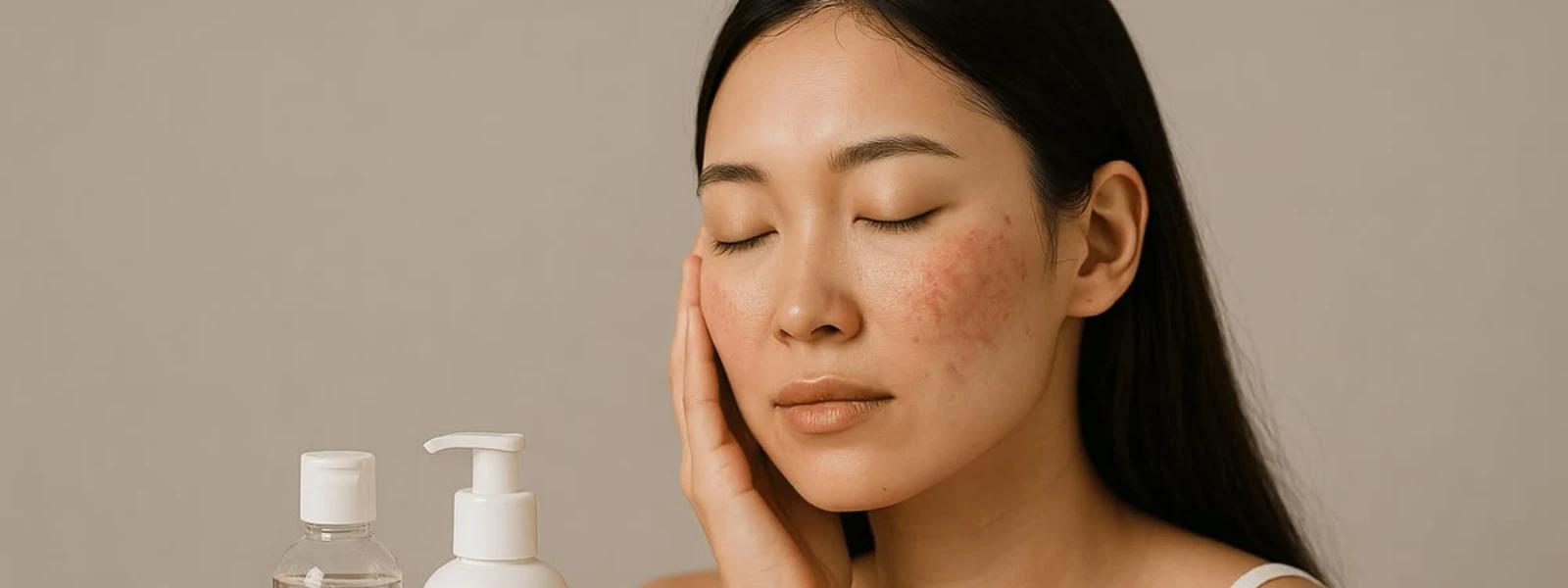
Uneven skin tone refers to areas of your skin that appear darker or lighter than your natural complexion. Unlike temporary redness from a workout or the natural flush of your cheeks, uneven tone involves persistent patches of hyperpigmentation or discolouration that don't fade on their own.
You might notice these changes most commonly on your face, particularly around the cheeks, forehead, and upper lip. But uneven tone can also appear on your neck, hands, shoulders, and other areas that see regular sun exposure. The key difference between normal skin variation and problematic uneven tone lies in the contrast and persistence of these patches.
Look for areas where your skin appears noticeably darker or lighter than your baseline tone. Common signs include brown or grey patches, areas that look ashy or dull, and spots that remain visible even when you're not wearing makeup. Unlike uneven skin texture, which you can feel with your fingertips, tone issues are primarily visual.
Your face typically shows the first signs, especially the T-zone and cheek area. Many people also develop uneven tone on their décolletage, hands, and any areas where clothing rubs regularly. Body areas like underarms, inner thighs, and knees are particularly prone to darkening due to friction and hormonal factors.
Understanding skin discolouration causes helps you choose the right treatment approach. Your skin produces melanin as a protective response to various triggers, and sometimes this process goes into overdrive or becomes uneven.
Sun damage remains the primary culprit behind uneven tone. Those seemingly harmless moments—walking to your car, sitting by a window, or that weekend beach trip without proper SPF—add up over time. UV rays trigger melanin production, leading to age spots, sun spots, and general darkening of exposed areas.
Hormonal fluctuations during pregnancy, whilst taking birth control, or during menopause can trigger melasma—symmetrical brown patches typically appearing on the face. This "pregnancy mask" affects up to 70% of pregnant women and can persist long after delivery without proper treatment.
Every spot you've picked, every inflamed pimple, and even minor cuts can leave behind dark spots. This post-inflammatory hyperpigmentation (PIH) is particularly common in people with deeper skin tones and can take months or years to fade naturally.

Mineral Sunscreen SPF 50 | Matte Finish | No White Cast | Non-Nano Zinc Oxide | Cica | Pregnancy Safe | All Skin Types | 50ml
As we age, our skin's natural renewal process slows down. Dead skin cells don't shed as efficiently, and melanin distribution becomes less even. This leads to age spots, liver spots, and an overall loss of that youthful, even glow we remember from our twenties.
When how to even skin tone becomes a priority, professional treatments offer the fastest and most dramatic results. Dermatologists have access to stronger concentrations of active ingredients and advanced technologies that aren't available in over-the-counter products.
Chemical peels work by removing the top layers of damaged skin, revealing fresher, more even-toned skin beneath. Glycolic acid peels are excellent for surface-level discolouration, whilst deeper TCA peels can address more stubborn pigmentation issues. Most people need a series of treatments spaced several weeks apart.
IPL (Intense Pulsed Light) targets pigmented areas with specific wavelengths of light, breaking up melanin deposits so your body can naturally eliminate them. Fractional lasers create controlled micro-injuries that stimulate collagen production whilst addressing pigmentation.
This combination treatment uses tiny needles to create channels in your skin whilst delivering radiofrequency energy. It's particularly effective for improving overall skin texture and tone, with minimal downtime compared to more aggressive laser treatments.
Professional treatments typically require 4-6 sessions for optimal results, with improvements visible after 2-3 treatments. Full results often take 3-6 months as your skin continues to renew itself. Costs range from ₹3,000-₹15,000 per session depending on the treatment type and clinic location.
The right tone correcting serums and treatments can make a significant difference when used consistently. Understanding which ingredients work best for your specific concerns helps you build an effective routine without wasting money on products that won't deliver.
Vitamin C for skin brightening is one of the most researched and effective approaches. L-ascorbic acid, the most potent form, works by inhibiting tyrosinase—the enzyme responsible for melanin production. Look for concentrations between 10-20% for optimal results without irritation.

Salicylic Acid Face Cleanser | Deep Cleansing Formula for Breakouts | Unclogs Pores & Controls Oil | For Oily & Acne-Prone Skin | 100ml
Retinoids accelerate cell turnover, helping to shed pigmented cells faster whilst preventing new dark spots from forming. Start with a gentle retinol product 2-3 times per week, gradually increasing frequency as your skin builds tolerance.
AHAs like glycolic acid dissolve the bonds between dead skin cells, revealing brighter skin beneath. BHA (salicylic acid) penetrates deeper into pores, making it excellent for preventing the acne that leads to PIH. PHAs offer gentler exfoliation for sensitive skin types.
Kojic acid, arbutin, and licorice root extract work by inhibiting melanin production through different pathways. These ingredients are particularly effective when combined with vitamin C and used consistently over several months.
Niacinamide (vitamin B3) doesn't just address pigmentation—it also minimises pore appearance, regulates oil production, and strengthens your skin barrier. It's gentle enough for daily use and plays well with other active ingredients.
Dark spots removal requires a multi-pronged approach combining prevention, treatment, and maintenance. The most effective strategies target existing pigmentation whilst preventing new spots from forming.
Spot treatments with higher concentrations of active ingredients can accelerate fading of individual dark spots. Look for products containing hydroquinone (where available), kojic acid, or alpha arbutin specifically formulated for targeted application.
Broad-spectrum SPF 30 or higher is non-negotiable for preventing new dark spots and stopping existing ones from darkening further. Reapply every 2 hours when outdoors, and don't forget often-missed areas like your ears, neck, and hands.
The most effective skin pigmentation solutions combine multiple ingredients and treatment modalities. For example, using a vitamin C serum in the morning, a retinol product at night, and regular chemical exfoliation can address pigmentation from multiple angles.

Hydrating Moisturizer | Non-Comedogenic | Boosts Collagen & Hydrates Deeply | Ceramides + Niacinamide | For Normal to Dry Skin | 50g
Once you've achieved more even tone, maintaining results requires ongoing commitment to sun protection and gentle exfoliation. Many people find that stepping down to maintenance doses of active ingredients helps prevent regression without over-treating their skin.
Start with a gentle exfoliating cleanser, add a vitamin C serum for morning use, and incorporate a retinol product 2-3 times per week in the evening. Most importantly, use broad-spectrum SPF daily. Consistency is key—you'll typically see improvements after 6-8 weeks of regular use. For faster results, consider professional treatments like chemical peels or IPL therapy.
Look for areas of your skin that appear noticeably darker or lighter than your natural complexion. Common signs include brown spots, grey patches, areas that look dull or ashy, and persistent discolouration that doesn't fade with regular cleansing. Take photos in natural light to better assess your skin's overall evenness.
Limit foods high in sugar and processed carbohydrates, as they can increase inflammation and potentially worsen pigmentation. Some people find that dairy products trigger hormonal changes that affect their skin. Instead, focus on antioxidant-rich foods like berries, leafy greens, and foods high in vitamin C and E.
The 4-2-4 cleansing method involves massaging cleansing oil into dry skin for 4 minutes, adding water and massaging for 2 more minutes, then rinsing with lukewarm water for 4 minutes. This thorough cleansing method can help improve skin texture and tone by ensuring complete removal of makeup, sunscreen, and daily pollutants.
Most people notice initial improvements after 4-6 weeks of consistent use, with more significant changes visible after 8-12 weeks. Professional treatments may show results faster, with improvements often visible after 2-3 sessions. Remember that skin renewal takes approximately 28 days, so patience and consistency are essential.
Most types of uneven skin tone can be significantly improved with proper treatment, though some deep pigmentation may require professional intervention. Melasma and post-inflammatory hyperpigmentation typically respond well to treatment, whilst some age-related changes may require ongoing maintenance. Early intervention generally leads to better outcomes.
Achieving even skin tone isn't about perfection—it's about helping your skin look and feel its healthiest. Whether you're dealing with sun damage from your twenties, hormonal changes, or the natural effects of ageing, there are effective solutions available at every budget level.
The key is understanding your skin's specific needs and choosing treatments accordingly. Start with gentle, proven ingredients like vitamin C and retinol, always pair active treatments with proper sun protection, and be patient with the process. For those ready to explore premium skin brightening products and hyperpigmentation treatments, platforms like Smytten Shop offer curated selections from trusted brands, allowing you to try products before committing to full sizes—particularly valuable when building a tone-correcting routine.
Remember, your skin's journey is unique. What works for your friend might not work for you, and that's perfectly normal. Focus on consistency, protection, and choosing products backed by research rather than trends. With time and the right approach, that even, radiant complexion you're after is absolutely achievable.
