Uneven Skin Tone FAQ: Your Complete Guide to Hyperpigmentation Correction


Target & Fade Duo for Hyperpigmentation | Even-Tone Underarms, Inner Thighs & Bum | Refines Skin Texture | For All Skin Types
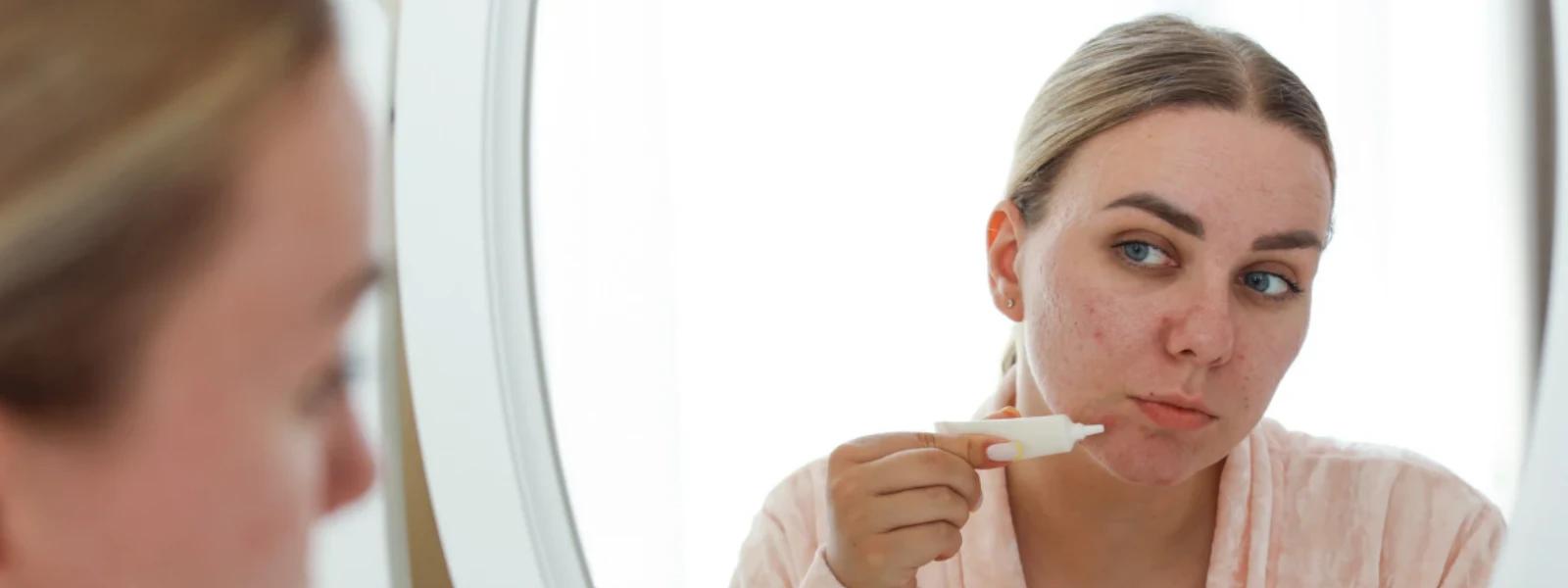
You've caught yourself staring at your reflection again, haven't you? That patchy complexion that looks different in every light, the stubborn dark spots that seem to multiply overnight, and the overall uneven tone that makes your skin look tired even when you're not. If you're wondering how to fix uneven tone and feeling overwhelmed by conflicting advice online, you're not alone. Millions of people struggle with hyperpigmentation and skin discolouration, but the good news is that with the right approach, you can achieve the balanced, radiant complexion you're after.
Before diving into solutions, let's get clear on what we're actually dealing with. Uneven skin tone refers to areas of your face or body that appear darker, lighter, or redder than your natural skin colour. This is different from texture issues like bumps or roughness—we're talking purely about colour variation across your skin's surface.
The primary culprit behind most tone irregularities is melanin, the pigment that gives your skin its colour. When melanin production goes into overdrive or becomes patchy, you end up with those frustrating dark spots, patches, and overall uneven appearance that no amount of concealer seems to fix properly.
Sun damage tops the list as the biggest cause of uneven tone. Those UV rays don't just cause immediate tanning—they trigger long-term changes in how your skin produces melanin. Even if you're religious about SPF now, past sun exposure can show up years later as age spots and general patchiness.
Hormonal fluctuations are another major player, especially for women. Pregnancy, birth control, and even monthly cycles can trigger melasma—those symmetrical brown patches that often appear on the cheeks, forehead, and upper lip. This type of hyperpigmentation can be particularly stubborn because it's driven by internal hormonal changes rather than external damage.
Post-inflammatory hyperpigmentation (PIH) is what happens after your skin experiences trauma—think acne breakouts, cuts, burns, or even aggressive skincare treatments. Your skin's healing response includes extra melanin production, which can leave behind dark marks long after the original issue has healed.
Here's the honest answer: yes, uneven skin tone treatment can be highly effective, but it requires patience, consistency, and realistic expectations. The timeline and success rate depend heavily on what type of pigmentation you're dealing with and how deep it sits in your skin.
Surface-level discolouration from recent sun damage or mild PIH often responds well to topical treatments within 6-12 weeks. Deeper pigmentation like melasma or long-standing age spots typically requires 3-6 months of consistent treatment, and some cases may need professional intervention for optimal results.
Dermatologists have several powerful tools for hyperpigmentation correction. Chemical peels using glycolic acid, salicylic acid, or TCA can help speed up cell turnover and fade surface pigmentation. Laser treatments like IPL (Intense Pulsed Light) target melanin directly, breaking up pigment clusters so your body can naturally eliminate them.

Mineral Sunscreen SPF 50 | Matte Finish | No White Cast | Non-Nano Zinc Oxide | Cica | Pregnancy Safe | All Skin Types | 50ml
Microneedling combined with vitamin C or other brightening serums can enhance penetration and stimulate skin renewal. These professional treatments often deliver faster results than at-home care alone, but they also come with higher costs and potential downtime.
If you're wondering how to even skin tone naturally, there are several evidence-backed ingredients and methods that can make a real difference without harsh chemicals or expensive procedures.
Vitamin C is probably the most researched natural brightening ingredient. It works by inhibiting tyrosinase, the enzyme responsible for melanin production, while also providing antioxidant protection against further damage. Look for stable forms like magnesium ascorbyl phosphate or sodium ascorbyl phosphate if you have sensitive skin.
Kojic acid, derived from rice fermentation, has been used in Asian skincare for centuries. It works similarly to vitamin C by blocking melanin production and can be particularly effective for age spots and sun damage.
Licorice root extract contains glabridin, which helps inhibit melanin synthesis while also providing anti-inflammatory benefits. This makes it excellent for both preventing new pigmentation and calming existing irritation that might worsen discolouration.
Niacinamide (vitamin B3) is a gentle yet effective option that not only helps reduce skin redness and even out tone but also strengthens your skin barrier. Studies show that 5% niacinamide can significantly improve hyperpigmentation over 8-12 weeks of consistent use.
Creating an effective routine for tone correction skincare doesn't require a bathroom full of products, but it does need strategic layering and consistent application. The key is combining gentle exfoliation, targeted brightening ingredients, and religious sun protection.
Start your morning with a gentle cleanser that won't strip your skin, followed by a vitamin C serum to provide antioxidant protection and gradual brightening. Layer on a moisturiser with niacinamide if your skin can handle multiple actives, then finish with broad-spectrum SPF 30 or higher—this step is non-negotiable if you want lasting results.
Your evening routine is where you can introduce stronger actives for skin pigmentation solutions. After cleansing, consider alternating between a retinol product (2-3 times per week) and an AHA like glycolic acid (1-2 times per week). Both ingredients accelerate cell turnover, helping fade existing pigmentation while preventing new spots from forming.

Salicylic Acid Face Cleanser | Deep Cleansing Formula for Breakouts | Unclogs Pores & Controls Oil | For Oily & Acne-Prone Skin | 100ml
On nights when you're not using actives, focus on hydration and repair with ingredients like hyaluronic acid and peptides. Remember, over-exfoliating can actually worsen pigmentation by causing inflammation, so start slowly and listen to your skin.
Once you've established a solid basic routine, there are several advanced strategies to brighten skin complexion and address specific concerns like persistent redness or stubborn dark spots.
Chemical exfoliation with AHAs and BHAs can be more effective than physical scrubs for evening out tone. Glycolic acid works on the surface to remove dead, pigmented cells, while salicylic acid penetrates deeper to clear pores and reduce inflammation that can lead to PIH.
For persistent redness, look for products containing azelaic acid, which has both anti-inflammatory and mild exfoliating properties. Green tea extract and centella asiatica can also help calm reactive skin while supporting the healing process.
Stubborn dark spots might benefit from spot treatments containing higher concentrations of brightening ingredients. Hydroquinone remains the gold standard for serious pigmentation, though it should be used under professional guidance due to potential side effects with long-term use.
Uneven facial tone typically results from a combination of sun damage, hormonal changes, and post-inflammatory hyperpigmentation from acne or other skin trauma. Your face receives more UV exposure than other body parts, making it more prone to pigmentation irregularities. Hormonal fluctuations can trigger melasma, while acne breakouts often leave behind dark marks that create an uneven appearance.
Most types of uneven skin tone can be significantly improved with consistent treatment, though complete elimination isn't always possible. Surface-level pigmentation from recent sun damage or mild PIH often responds excellently to topical treatments. Deeper pigmentation like melasma may require ongoing management rather than a permanent cure. Realistic expectations are important—aim for noticeable improvement rather than perfection.

Hydrating Moisturizer | Non-Comedogenic | Boosts Collagen & Hydrates Deeply | Ceramides + Niacinamide | For Normal to Dry Skin | 50g
Timeline varies depending on the type and depth of pigmentation. Surface-level discolouration may show improvement in 4-6 weeks with consistent treatment. Deeper pigmentation typically requires 3-6 months of regular use before significant changes become visible. Remember that skin cell turnover takes about 28 days, so patience is essential for lasting results.
Uneven tone refers to colour variations across your skin—dark spots, red patches, or areas that appear lighter or darker than your natural skin colour. Uneven texture involves the physical surface of your skin—bumps, roughness, enlarged pores, or scarring. While these issues often occur together, they require different treatment approaches and ingredients.
Price doesn't always correlate with effectiveness for hyperpigmentation correction. Many affordable products contain the same active ingredients as luxury options—vitamin C, niacinamide, and retinol work regardless of packaging. Focus on ingredient concentration, formulation stability, and your skin's specific needs rather than price point. Sometimes budget-friendly options perform just as well as premium alternatives.
Skin with higher melanin content, common in Indian and other South Asian populations, tends to be more reactive to inflammation and trauma. This means acne, cuts, or even minor irritation can trigger post-inflammatory hyperpigmentation more readily. Additionally, genetic factors influence how melanin is distributed and produced, making some individuals more susceptible to conditions like melasma.
Yes, but introduce them gradually and pay attention to your skin's response. Vitamin C and niacinamide work well together, as do retinol and AHAs when used on alternating nights. Avoid combining multiple strong actives initially—start with one ingredient, establish tolerance, then slowly add others. Always use SPF when using any brightening or exfoliating ingredients.
Some initial purging or mild irritation is normal when starting active ingredients like retinol or AHAs. However, if you experience severe redness, burning, or worsening pigmentation, discontinue use and consult a dermatologist. Sometimes what appears to be product reaction is actually your skin adjusting to increased cell turnover, but professional guidance can help distinguish between normal adjustment and problematic reaction.
Achieving even, radiant skin isn't about finding one miracle product—it's about understanding your specific concerns and building a consistent routine that addresses them systematically. Whether you're dealing with sun damage, hormonal pigmentation, or post-acne marks, the combination of gentle exfoliation, targeted brightening ingredients, and diligent sun protection can deliver remarkable results over time.
Remember that how to fix uneven tone isn't a one-size-fits-all solution. Your skin's unique needs, sensitivity level, and lifestyle factors all play a role in determining the most effective approach. Start with gentle, well-researched ingredients like vitamin C and niacinamide, be patient with the process, and don't hesitate to seek professional guidance if you're not seeing progress after several months of consistent care.
The journey to more even skin tone requires patience, but with the right knowledge and products, you can achieve the balanced, glowing complexion you're working towards. Your skin has an incredible capacity for renewal and repair—give it the tools it needs, and you'll be amazed at what's possible.
