Uneven Skin Tone Explained: Your Complete FAQ Guide
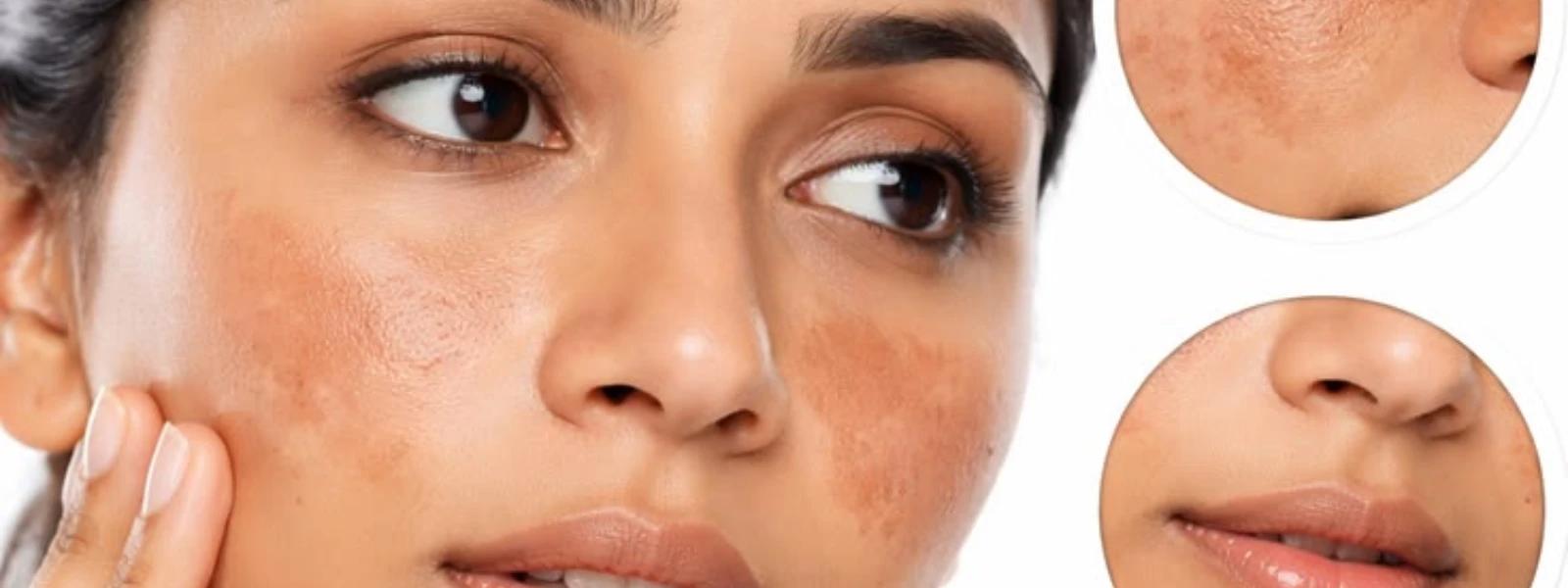

You've noticed it in the mirror during your morning routine — patches that seem darker than the rest of your face, areas where your foundation doesn't quite match, or that persistent dullness that no amount of highlighter can fix. Uneven skin tone is one of the most common skin concerns, affecting people across all ages and skin types. Whether it's dark spots from old breakouts, hyperpigmentation from sun exposure, or general skin discoloration that's developed over time, understanding what's happening beneath the surface is the first step toward achieving the balanced, radiant complexion you're after.
Uneven skin tone, also known as skin discoloration, occurs when melanin — the pigment responsible for your skin's colour — isn't distributed evenly across your complexion. Think of it as your skin's natural printing process going slightly off-register, creating patches of varying shades rather than one consistent tone.
This uneven complexion can manifest in several ways. You might notice dark spots that are deeper than your natural skin tone, light patches that appear almost translucent, or areas of redness that never quite settle. Some people experience a combination of these issues, creating a mottled appearance that can make makeup application tricky and leave you feeling less confident about your bare skin.
The key difference lies in understanding hyperpigmentation versus hypopigmentation. Hyperpigmentation creates those darker patches we often associate with uneven skin tone — think age spots, acne marks, or melasma. Hypopigmentation, on the other hand, results in lighter patches where melanin production has decreased.
What makes this particularly relevant for Indian skin is that melanin-rich complexions are more prone to post-inflammatory hyperpigmentation. That means a simple breakout can leave behind a mark that lingers for months, contributing to an overall uneven complexion that requires targeted skin tone correction.
Understanding why uneven skin tone develops helps you tackle it more effectively. The causes are surprisingly varied, ranging from environmental factors you encounter daily to internal processes happening within your body.
UV exposure remains the leading cause of skin discoloration. Even brief moments in the sun — walking to your car, sitting by a window, or that quick trip to the local market — can trigger melanin production. Over time, this creates the irregular pigmentation patterns we recognise as uneven skin tone.
Pollution and environmental toxins also play a significant role, particularly in urban areas. These free radicals can damage skin cells and trigger inflammatory responses that lead to hyperpigmentation. Even blue light from screens, though less studied, may contribute to skin pigmentation changes over time.
Hormonal fluctuations are major contributors to uneven skin tone. Pregnancy, menopause, and even monthly cycles can trigger melasma — those symmetrical patches of darkening that often appear on the cheeks, forehead, and upper lip. Birth control pills can have similar effects, making skin tone correction an ongoing concern for many women.
Your genetic makeup also influences how your skin produces and distributes melanin. Some people are simply more predisposed to developing dark spots and hyperpigmentation, whilst others maintain more even complexions naturally.
Post-inflammatory hyperpigmentation from acne is incredibly common, especially on Indian skin. That angry breakout from last month can leave behind a dark mark that takes significantly longer to fade than the original spot took to heal. Improper skincare routines — over-exfoliating, using harsh products, or neglecting sun protection — can worsen existing skin discoloration and create new problem areas.
Recognising uneven skin tone goes beyond simply noticing colour variations. The condition affects both the appearance and texture of your skin, creating a complex picture that requires careful observation.
The most obvious signs include dark spots and age spots, which appear as concentrated areas of hyperpigmentation. These might be small and scattered or larger patches that cover significant portions of your face. You might also notice light patches where pigmentation has decreased, creating an uneven patchwork effect.
Redness and pink patches from inflammation contribute to uneven complexion as well. These areas might feel slightly raised or textured differently from surrounding skin. Overall dullness and lack of radiance often accompany skin discoloration, making your complexion appear tired even when you're well-rested.
The face and neck typically show the most visible signs of uneven skin tone, particularly around the cheeks, forehead, and jawline. Your hands and décolletage are also prone to skin pigmentation changes, as these areas receive frequent sun exposure but often get neglected in daily skincare routines.
When at-home solutions aren't providing the results you need, professional treatments offer more intensive skin tone correction options. These approaches work deeper within the skin to address hyperpigmentation at its source.
Chemical peels using glycolic acid, lactic acid, or TCA can effectively address uneven skin tone by removing damaged surface layers and encouraging healthy cell turnover. The depth of the peel determines how dramatic the results will be and how much downtime you'll need.
Laser treatments, including IPL and fractional laser therapy, target dark spots and hyperpigmentation with precision. These treatments work particularly well for stubborn areas that haven't responded to topical products. Microneedling combined with radiofrequency can improve both texture and tone whilst stimulating collagen production.
Dermatologists may prescribe hydroquinone and tretinoin for more aggressive skin brightening. These ingredients work synergistically to inhibit melanin production and accelerate cell turnover. Kojic acid and azelaic acid offer gentler alternatives that can be particularly effective for sensitive skin types prone to skin discoloration.
Building an effective routine for skin tone correction doesn't always require professional intervention. The right combination of ingredients and consistent application can significantly improve uneven skin tone over time.
Vitamin C and niacinamide form the foundation of most effective skin brightening routines. Vitamin C works as an antioxidant whilst inhibiting melanin production, making it excellent for preventing new dark spots whilst addressing existing ones. Niacinamide helps regulate oil production and can reduce the appearance of enlarged pores that often accompany uneven complexion.
Alpha hydroxy acids like glycolic and lactic acid gently exfoliate the surface, revealing brighter skin underneath. Beta hydroxy acids, particularly salicylic acid, work deeper within pores to prevent the breakouts that can lead to post-inflammatory hyperpigmentation.
Natural brightening agents such as licorice root extract and arbutin offer gentler alternatives for sensitive skin. These ingredients work more slowly but with less risk of irritation, making them suitable for daily use in tone correcting serums.
Your morning routine should focus on protection and antioxidants. Start with a gentle cleanser, follow with a vitamin C serum, and always finish with broad-spectrum SPF. This combination prevents new skin discoloration whilst addressing existing concerns.
Evening routines can incorporate more active ingredients for skin tone correction. Niacinamide works well in the evening, followed by a retinol or gentle acid treatment. Always finish with a nourishing moisturiser to support your skin barrier.
Weekly treatments using masks with brightening ingredients can accelerate results. Look for formulations that combine multiple approaches — exfoliation, brightening, and hydration — for comprehensive uneven skin tone treatment.
Preventing uneven skin tone is significantly easier than treating it after it develops. Daily sun protection remains the most crucial step — choose a broad-spectrum SPF 30 or higher and reapply throughout the day, especially if you're spending time outdoors.
Consistent skincare routine maintenance helps prevent the inflammation that leads to post-inflammatory hyperpigmentation. This means using gentle products appropriate for your skin type and avoiding over-exfoliation or harsh scrubbing that can trigger melanin production.
Regular professional treatments, even when your skin looks good, can help maintain results and prevent new skin discoloration from developing. Think of these as maintenance rather than corrective treatments.
Lifestyle factors play a supporting role in skin tone correction. Adequate hydration, quality sleep, and a diet rich in antioxidants all contribute to healthy skin function and can help prevent the cellular damage that leads to uneven complexion.
Mild uneven skin tone from recent sun exposure or minor breakouts may improve naturally over several months as your skin completes its renewal cycle. However, deeper hyperpigmentation and established dark spots typically require active intervention. The timeline for natural improvement depends on your age, skin type, and the underlying cause of the discoloration. Younger skin with faster cell turnover may see some improvement within 6-8 weeks, whilst mature skin or deeper pigmentation changes often need targeted treatment for noticeable results.
Most people begin noticing improvements in uneven skin tone within 4-6 weeks of starting a consistent routine with active ingredients. However, significant skin tone correction typically takes 3-6 months of dedicated treatment. Professional treatments may show faster initial results, but the full benefits often develop over several months. Factors that influence treatment speed include the severity of skin discoloration, your skin's natural renewal rate, consistency of product use, and sun protection habits. Remember that treating hyperpigmentation requires patience — rushing the process with overly aggressive treatments can actually worsen the condition.
Yes, uneven skin tone is largely preventable with proper skincare habits. Daily broad-spectrum sun protection is the most effective prevention strategy, as UV exposure is the primary cause of skin discoloration. Starting a gentle skincare routine early, treating breakouts promptly to prevent post-inflammatory hyperpigmentation, and using antioxidants can significantly reduce your risk. However, some factors like genetics and hormonal changes are beyond your control, so even with perfect prevention, some degree of skin pigmentation changes may still occur over time.
Darker skin tones are more susceptible to post-inflammatory hyperpigmentation due to higher melanin content, which means breakouts, cuts, or irritation are more likely to leave lasting marks. However, uneven skin tone affects all ethnicities and skin types. Fair skin is more prone to sun damage and age spots, whilst medium skin tones often develop melasma and hormonal pigmentation. The key difference lies in how skin discoloration manifests and which treatments work best for each skin type. Age also plays a role — uneven complexion becomes more common as natural cell turnover slows and cumulative sun damage becomes visible.
Uneven skin tone specifically refers to variations in pigmentation and colour, whilst conditions like rosacea involve persistent redness and inflammation. Eczema creates rough, scaly patches that are more about texture than colour variation. Hyperpigmentation appears as distinct darker areas, whilst rosacea typically shows as generalised redness across the cheeks and nose. If you're experiencing symptoms like burning, stinging, or raised bumps alongside colour changes, it's worth consulting a dermatologist to rule out other conditions that might require different treatment approaches than standard skin tone correction methods.
Understanding uneven skin tone empowers you to make informed decisions about your skincare routine and treatment options. Whether you're dealing with dark spots from old breakouts, hyperpigmentation from sun exposure, or general skin discoloration that's developed over time, remember that improvement is possible with the right approach and realistic expectations.
The journey to more even skin requires patience and consistency. Start with gentle, proven ingredients like vitamin C and niacinamide, maintain religious sun protection, and consider professional treatments when at-home solutions reach their limits. Most importantly, remember that perfect skin doesn't exist — the goal is healthy, comfortable skin that makes you feel confident.
For those ready to explore targeted solutions, platforms like Smytten Shop offer access to premium tone correcting serums and skin brightening products from trusted brands. With over 28 million users discovering effective skincare solutions, you can try products before committing to full sizes, making it easier to find the right combination for your unique skin tone correction needs. Your skin's journey toward greater evenness and radiance starts with understanding what you're working with — and now you have the knowledge to move forward with confidence.
