Uneven Complexion Skincare Routine FAQ: Your Questions Answered


Target & Fade Duo for Hyperpigmentation | Even-Tone Underarms, Inner Thighs & Bum | Refines Skin Texture | For All Skin Types
You know that moment when you catch your reflection in harsh office lighting and notice your skin looks like a patchwork quilt? Dark spots here, redness there, maybe some leftover marks from that stubborn breakout last month. Uneven complexion affects most of us at some point, whether it's from sun damage, hormonal changes, or just the natural ageing process. The good news? With the right approach and a bit of patience, you can work towards more balanced, radiant skin.
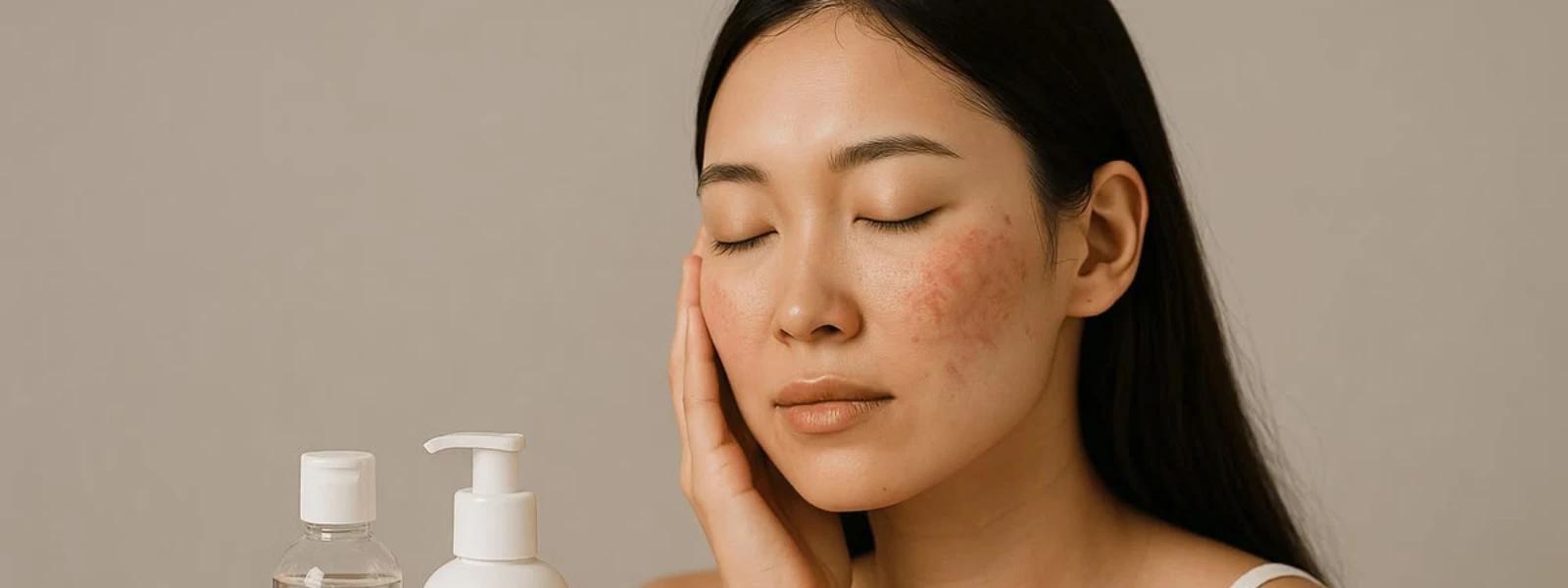
An uneven complexion refers to variations in skin colour, texture, or tone across your face. This might show up as dark spots, redness, dullness in certain areas, or patches that look different from your natural skin tone. It's incredibly common and happens for several reasons.
Sun damage is probably the biggest culprit. Those UV rays don't just cause immediate burns—they create long-term changes in how your skin produces melanin. Hormonal changes during pregnancy, menstruation, or when starting new contraception can trigger melasma or other forms of hyperpigmentation. Post-inflammatory hyperpigmentation (PIH) often follows acne breakouts, leaving behind marks that can take months to fade.
Hyperpigmentation appears as brown or black spots and patches. Melasma typically shows up as symmetrical patches on the cheeks, forehead, or upper lip. Post-inflammatory marks are those stubborn reminders of past breakouts. Redness might indicate sensitivity, rosacea, or irritation from products or environmental factors.
Creating an effective uneven complexion skincare routine isn't about using every trending ingredient at once. It's about understanding what your skin needs and introducing the right products gradually. The key is consistency and patience—most uneven skin tone treatments take 8-12 weeks to show noticeable results.
Your morning routine should focus on protection and gentle brightening, whilst your evening routine can handle the heavier lifting with treatment products. This approach helps prevent irritation whilst maximising the benefits of active ingredients.
Start with a gentle cleanser that won't strip your skin. Look for formulas with mild surfactants that cleanse without causing irritation. Follow with a vitamin C serum—this antioxidant powerhouse helps brighten skin whilst protecting against environmental damage throughout the day.

Mineral Sunscreen SPF 50 | Matte Finish | No White Cast | Non-Nano Zinc Oxide | Cica | Pregnancy Safe | All Skin Types | 50ml
Always finish with SPF 30 or higher. This step is non-negotiable if you're serious about treating uneven skin tone. UV exposure will undo all your hard work and can make existing discoloration worse.
Evening is when you can introduce stronger actives. Start with thorough cleansing—double cleansing if you wear makeup or sunscreen. Two to three times per week, use a gentle exfoliant with AHAs like glycolic or lactic acid to help speed up cell turnover.
Treatment serums work best on clean, slightly damp skin. Niacinamide is brilliant for reducing redness and regulating oil production. Retinoids help with cell turnover and can improve both texture and tone over time. Always follow with a hydrating moisturiser to support your skin barrier.
Understanding which ingredients actually work for dark spot removal and complexion correction can save you time and money. Not all brightening ingredients are created equal, and some work better for certain types of discoloration than others.
Vitamin C is probably the most researched brightening ingredient. It works by inhibiting tyrosinase, the enzyme responsible for melanin production. L-ascorbic acid is the most potent form, but magnesium ascorbyl phosphate might be better for sensitive skin.
Retinoids (retinol, retinyl palmitate, or prescription tretinoin) speed up cell turnover, helping fade existing spots whilst preventing new ones. Niacinamide is excellent for redness reduction and works well with most other ingredients. Azelaic acid is particularly good for post-inflammatory hyperpigmentation and rosacea-related redness.
Alpha hydroxy acids like glycolic and lactic acid help remove the top layer of dead skin cells, revealing brighter skin underneath. Kojic acid and arbutin are gentler alternatives to hydroquinone for those with sensitive skin.

Salicylic Acid Face Cleanser | Deep Cleansing Formula for Breakouts | Unclogs Pores & Controls Oil | For Oily & Acne-Prone Skin | 100ml
The best uneven skin tone treatment depends on your specific concerns and skin type. For general discoloration, start with a vitamin C serum in the morning and a gentle retinol at night. If you're dealing with stubborn dark spots, look for products containing azelaic acid or kojic acid. Those with sensitive skin might benefit from niacinamide-based formulas. The key is starting slowly and building up tolerance gradually.
Most people start noticing subtle improvements in skin brightness and texture within 4-6 weeks of consistent use. However, significant changes in hyperpigmentation and dark spot removal typically take 8-12 weeks. Deeper, older spots may take 6 months or longer to fade noticeably. Remember, your skin renews itself approximately every 28 days, so patience is essential for lasting results.
Yes, but introduce them gradually to avoid irritation. Vitamin C and niacinamide work well together, despite old myths suggesting otherwise. However, avoid using retinoids with AHAs or BHAs on the same evening, especially when starting out. A good rule is to alternate active ingredients or use them at different times of day.
Hyperpigmentation is a broad term for any darkening of the skin, whilst melasma is a specific type triggered by hormonal changes. Melasma typically appears as symmetrical patches on the face and can be more challenging to treat. Both respond to similar ingredients, but melasma often requires more patience and sometimes professional treatments for best results.
If you have sensitive skin, start with gentler options like niacinamide, azelaic acid, or vitamin C in magnesium ascorbyl phosphate form. Avoid high concentrations of glycolic acid initially, and introduce retinoids very slowly. Always patch test new products and consider consulting a dermatologist if you have persistent sensitivity or rosacea.

Hydrating Moisturizer | Non-Comedogenic | Boosts Collagen & Hydrates Deeply | Ceramides + Niacinamide | For Normal to Dry Skin | 50g
Many people see significant improvement with a consistent at-home routine. However, professional treatments like chemical peels, microneedling, or laser therapy can accelerate results for stubborn discoloration. These are particularly helpful for deeper pigmentation or when you want faster results for a special event.
SPF is absolutely crucial—it's arguably the most important step in any uneven complexion skincare routine. UV exposure can darken existing spots and create new ones, essentially undoing all your treatment efforts. Use broad-spectrum SPF 30 or higher daily, even when it's cloudy or you're staying indoors near windows.
Whilst topical treatments are most effective, diet can play a supporting role. Foods rich in antioxidants (berries, leafy greens, green tea) may help protect against further damage. Some people find that dairy or high-glycemic foods trigger breakouts that lead to post-inflammatory hyperpigmentation. Staying hydrated also supports overall skin health.
Take photos in consistent lighting conditions every 2-4 weeks. Natural daylight near a window works best. Keep notes about which products you're using and any changes you notice. Progress photos help you see gradual improvements that might not be obvious day-to-day. Remember that some initial purging or mild irritation can be normal when starting new actives.
Not necessarily. Many affordable products contain the same active ingredients as luxury options. What matters most is the concentration and formulation of key ingredients like vitamin C, retinol, or niacinamide. However, more expensive products might have better packaging (like airless pumps for vitamin C) or more elegant textures that encourage consistent use.
Creating an effective uneven complexion skincare routine is about understanding your skin's specific needs and being patient with the process. Whether you're dealing with sun damage, hormonal changes, or post-breakout marks, the right combination of ingredients can help you achieve more balanced, radiant skin over time.
Remember that consistency trumps perfection every time. It's better to use a simple routine religiously than to have a complicated regimen you only follow sporadically. Start with the basics—gentle cleansing, a proven active ingredient, and reliable sun protection—then build from there based on how your skin responds.
For those looking to explore new products and brands, platforms like Smytten Shop offer curated selections from premium skincare brands, making it easier to discover effective treatments for your specific concerns. With access to tried-and-tested products and the ability to sample before committing to full sizes, you can build your ideal routine without the guesswork.
