Understanding Skin Tone Variations: Your FAQ Guide
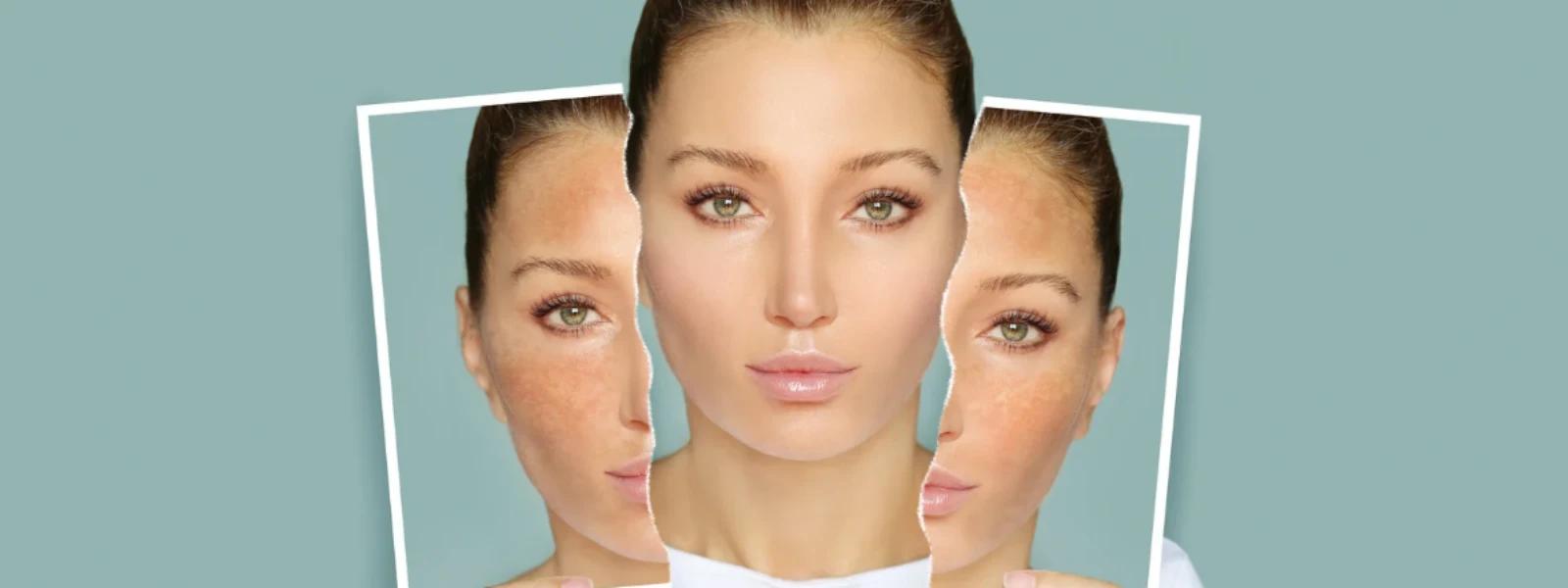

Ever stood in front of the mirror wondering why that foundation looked perfect in the shop but completely wrong at home? Or why your friend's lipstick shade looks stunning on her but washes you out? The answer lies in understanding skin tone variations — and it's more nuanced than simply being 'fair' or 'dark'. Your skin tone is a complex interplay of surface colour, underlying undertones, and genetic factors that make you uniquely you.
Understanding skin tone variations starts with recognising that skin colour exists on a beautiful spectrum rather than in rigid categories. However, beauty professionals typically identify four main categories to help with product matching and colour coordination.
Fair skin typically has a porcelain to light beige appearance, often with visible veins beneath the surface. This doesn't mean pale — fair skin can have peachy, pink, or golden undertones that add warmth and dimension. Many people with fair skin find they burn easily in the sun and may have freckles or natural rosiness.
Medium skin encompasses a wide range from light tan to deeper beige tones. This category often includes olive skin, which has a distinctive greenish undertone that can appear in various depths. Medium skin tones tend to tan rather than burn and often have golden or neutral undertones.
Tan skin ranges from golden brown to rich caramel shades. These tones typically have warm, golden undertones and tan easily with sun exposure. The natural warmth in tan skin often complements earthy and jewel tones beautifully.
Dark skin includes the gorgeous spectrum from deep brown to rich ebony tones. Contrary to outdated beauty standards, dark skin shows incredible variation in undertones — from cool blue-based tones to warm golden and red undertones. The richness and depth of dark skin often allows for bold colour choices that might overwhelm lighter tones.
Skin pigmentation is primarily determined by melanin production in your skin cells. Higher melanin levels create deeper skin tones, whilst lower levels result in lighter tones. However, the type and distribution of melanin also affects your undertones, creating the beautiful complexity we see in skin color variations across different ethnicities and individuals.
Whilst your surface skin tone is what you see in the mirror, your skin undertones are the subtle colours beneath the surface that influence how colours look against your skin. Getting your undertones right is crucial for tone matching in makeup, clothing, and even hair colour choices.
Cool undertones have a blue, pink, or red base. If you have cool undertones, silver jewellery likely flatters you more than gold, and you might notice that pure white clothing makes your skin look bright and healthy. Cool undertones appear across all skin depths — from fair skin with pink undertones to deep skin with blue or purple undertones.
Warm undertones feature yellow, golden, or peachy bases. Gold jewellery typically complements warm undertones beautifully, and you might find that cream or ivory colours look better on you than stark white. Warm undertones can range from the golden glow in fair skin to the rich amber undertones in deeper complexions.
Neutral undertones are a balanced mix of cool and warm, making them quite versatile. If you have neutral undertones, both gold and silver jewellery likely suit you, and you can wear a wide range of colours successfully.
The vein test is one of the most reliable methods for complexion analysis. Look at the veins on your wrist in natural light — blue or purple veins typically indicate cool undertones, whilst green veins suggest warm undertones. If you can't tell or see both colours, you likely have neutral undertones.
Try the jewellery test by holding gold and silver pieces against your skin. The metal that makes your skin look brighter and healthier indicates your undertone family. The white fabric test works similarly — pure white will complement cool undertones, whilst cream or off-white typically flatters warm undertones.
Whilst at-home tests are helpful, professional colorimetry provides the most accurate assessment of your skin tone and undertones. Beauty professionals use specialised tools and techniques to analyse your skin's colour properties under controlled lighting conditions.
Digital skin analysis tools have become increasingly sophisticated, using cameras and algorithms to assess skin tone. However, these tools work best as starting points rather than definitive answers. Lighting conditions, camera quality, and screen calibration all affect accuracy.
Professional makeup artists often use colour-matching devices that measure your skin's light reflection properties. These tools can identify subtle undertones that might not be obvious to the naked eye, particularly helpful for those with olive skin or complex undertone combinations.
Consider professional complexion analysis if you consistently struggle with foundation matching, if you have very subtle or complex undertones, or if you're investing in expensive makeup or skincare products. Many beauty counters offer complimentary colour matching services that can provide valuable insights.
Skin pigmentation is fascinating from a scientific perspective. Your genes determine your baseline melanin production, but environmental factors, hormones, and age all influence how your skin colour appears and changes over time.
Melanocytes, the cells that produce melanin, are distributed differently across ethnicities and individuals. This distribution affects not just your overall skin tone but also how evenly pigmented your skin appears and how it responds to sun exposure.
Seasonal changes can temporarily alter your skin tone. Many people notice their undertones become more apparent in winter when they're less tanned, whilst summer sun exposure can warm up cool undertones or deepen existing warm tones.
As we age, skin color variations can occur due to decreased melanin production, hormonal changes, and cumulative sun exposure. Understanding these changes helps you adapt your colour choices and skincare routine accordingly.
Successful tone matching goes beyond just finding the right foundation shade. It's about understanding how colours interact with your unique combination of skin tone and undertones to create harmony or contrast.
For foundation matching, always test shades on your jawline in natural light. The perfect match should disappear into your skin without leaving a visible line. Remember that you might need different shades for different seasons as your skin tone naturally fluctuates.
When choosing clothing colours, consider both your skin tone depth and undertones. Fair skin with cool undertones often looks stunning in jewel tones like sapphire blue or emerald green, whilst warm undertones might prefer coral or golden yellow.
Olive skin can be tricky to match because of its unique green undertones. Earth tones, deep blues, and rich purples often complement olive complexions beautifully, whilst very bright or neon colours might clash.
One frequent mistake is choosing foundation that's too light, thinking it will brighten the complexion. Instead, this creates an unnatural mask effect. Another common error is ignoring undertones entirely and focusing only on surface colour depth.
The beauty industry has made significant strides in recognising and celebrating skin color variations. Modern beauty standards increasingly embrace the full spectrum of human skin tones rather than promoting a narrow ideal.
Fair skin variations include porcelain with pink undertones, ivory with neutral undertones, and beige with golden undertones. Each variation has its own beauty and requires slightly different colour approaches.
Olive skin represents one of the most complex skin tone categories, often found in Mediterranean, Middle Eastern, and mixed heritage individuals. The subtle green undertones in olive skin create unique colour interactions that can be absolutely stunning when properly understood.
Dark skin encompasses an incredible range of beautiful tones, from rich chocolate with red undertones to deep ebony with blue undertones. The depth and richness of darker skin tones often allow for bold colour choices and dramatic makeup looks.
The push for inclusivity has led to better product formulations across all skin tone variations. Brands now recognise that understanding skin tone variations means creating products that work for everyone, not just adapting existing formulas.
The Fitzpatrick scale classifies skin into six types based on sun sensitivity: Type I (very fair, always burns), Type II (fair, usually burns), Type III (medium, sometimes burns), Type IV (olive, rarely burns), Type V (brown, very rarely burns), and Type VI (dark brown to black, never burns). This medical classification helps determine sun protection needs but doesn't capture the full beauty of skin tone variations.
Start with the vein test, jewellery test, and white fabric test for undertones. Then assess your overall skin depth in natural light. Consider how your skin reacts to sun exposure and which colours make you look healthiest. For the most accurate assessment, consult a professional makeup artist or use multiple methods together.
Your underlying undertones remain relatively stable, but your surface skin tone can change due to sun exposure, age, hormonal fluctuations, and health conditions. Seasonal variations are normal, and many people find their skin appears different in summer versus winter.
True albinism represents the rarest form of skin pigmentation, affecting about 1 in 20,000 people globally. However, every individual's exact combination of tone and undertones is unique, making everyone's skin colour special in its own way.
Online tests can provide helpful starting points for understanding skin tone variations, but they're limited by screen calibration, lighting conditions, and camera quality. Use them as guides rather than definitive answers, and always verify results in person when possible.
Skincare can improve skin clarity, evenness, and radiance, which may make your natural tone appear brighter or more uniform. Ingredients like niacinamide can help with hyperpigmentation, whilst regular SPF use prevents unwanted darkening from sun damage.
Understanding skin tone variations is about celebrating the beautiful complexity of human skin rather than fitting into rigid categories. Your unique combination of surface tone and undertones influences everything from makeup choices to clothing colours, and getting it right can make a dramatic difference in how confident you feel.
Remember that skin tone variations are natural and beautiful — there's no 'ideal' tone, only the perfect products and colours for your individual complexion. Whether you're exploring new makeup looks or building a wardrobe that makes you glow, understanding your skin's unique characteristics is the foundation for looking and feeling your best.
For those ready to experiment with products that complement their newly understood skin tone, platforms like Smytten Shop offer the perfect opportunity to try before you buy. With access to premium beauty brands and the ability to test products through samples, you can confidently explore what works for your unique skin tone variations without the guesswork.
