Understanding Skin Discoloration FAQ: Causes & Treatments


Target & Fade Duo for Hyperpigmentation | Even-Tone Underarms, Inner Thighs & Bum | Refines Skin Texture | For All Skin Types
Ever looked in the mirror and wondered when those dark patches appeared on your cheeks? Or noticed your skin tone looking patchy after a particularly stressful month? You're not alone. Skin discoloration affects millions of people worldwide, and whilst it's rarely harmful, it can feel frustrating when your complexion doesn't look as even as you'd like. From stubborn age spots that seem to multiply overnight to mysterious dark patches that appeared during pregnancy, understanding what's happening beneath the surface is the first step towards clearer, more confident skin.
Skin discoloration occurs when certain areas of your skin produce too much or too little melanin – the pigment that gives your skin its natural colour. Think of melanin as your skin's internal paint system. When this system works perfectly, you get an even skin tone. When it goes a bit wonky, you end up with patches that are darker or lighter than your surrounding skin.
Your skin naturally produces melanin in response to various triggers, with sun exposure being the most common. But hormones, inflammation, genetics, and even certain skincare ingredients can all influence how much melanin your skin cells produce. This is why you might notice uneven skin tone appearing after a beach holiday, during pregnancy, or following a particularly stubborn breakout.
On different skin types, discoloration can appear quite differently. Lighter skin tones might develop brown or red patches, whilst deeper skin tones often see darker brown or black areas. The good news? Most forms of skin discoloration are completely treatable with the right approach and patience.
Not all dark spots are created equal, and understanding which type you're dealing with makes all the difference in choosing the right treatment approach. Let's break down the most common culprits behind skin pigmentation issues.
Age spots and sun spots are essentially the same thing – flat, brown patches that develop from years of sun exposure. They typically appear on areas that see the most sun: your face, hands, shoulders, and arms. Despite the name, they're not really about age – they're about accumulated sun damage over time.
Melasma presents as symmetrical brown patches, usually on the face. It's often called the "pregnancy mask" because hormonal changes frequently trigger it. You'll typically see melasma on the forehead, cheeks, upper lip, and bridge of the nose. Post-inflammatory hyperpigmentation develops after skin trauma – think acne scars, cuts, or even aggressive skincare treatments that left your skin irritated.
Vitiligo causes white patches where melanin production has stopped entirely. Unlike other forms of discoloration, vitiligo often appears symmetrically and can spread over time. It's an autoimmune condition where your body mistakenly attacks its own melanin-producing cells.
Albinism is a genetic condition affecting melanin production throughout the body, resulting in very light skin, hair, and eyes. This is quite different from acquired discoloration and requires specific sun protection considerations.

Mineral Sunscreen SPF 50 | Matte Finish | No White Cast | Non-Nano Zinc Oxide | Cica | Pregnancy Safe | All Skin Types | 50ml
Sometimes what looks like pigmentation is actually related to blood vessels. Rosacea creates persistent redness, usually on the central face, whilst broken capillaries appear as tiny red lines. These require different treatment approaches than melanin-related discoloration.
Understanding what triggers skin discoloration causes helps you prevent future issues whilst treating existing ones. The culprits are more varied than you might expect.
UV radiation remains the biggest trigger for skin discoloration. Even brief, daily sun exposure adds up over time, which is why sun spots often appear seemingly overnight in your thirties or forties. Pollution and environmental toxins create oxidative stress, which can also trigger melanin overproduction in certain areas.
Hormonal fluctuations during pregnancy, menopause, or whilst taking birth control can trigger melasma and other forms of discoloration. Certain medications, including some antibiotics and chemotherapy drugs, can make your skin more sensitive to pigmentation changes.
Medical conditions like Addison's disease or thyroid disorders can also affect skin pigmentation. Even nutritional deficiencies, particularly B12 or folate deficiency, can contribute to uneven skin tone.
Harsh skincare products or over-exfoliation can trigger post-inflammatory hyperpigmentation. This is why it's crucial to introduce new products gradually and listen to your skin's response. Poor sleep, chronic stress, and inflammatory diets can also contribute to skin discoloration by affecting your body's overall inflammatory response.
When over-the-counter products aren't cutting it, professional treatments offer more intensive solutions for stubborn discoloration. The key is finding the right approach for your specific type of pigmentation.

Salicylic Acid Face Cleanser | Deep Cleansing Formula for Breakouts | Unclogs Pores & Controls Oil | For Oily & Acne-Prone Skin | 100ml
Prescription treatments like hydroquinone, tretinoin, and kojic acid work by either blocking melanin production or increasing cell turnover to fade existing pigmentation. Chemical peels using glycolic acid or salicylic acid can help remove the top layers of discoloured skin.
Laser treatments target specific pigments in the skin, breaking them down so your body can naturally eliminate them. IPL (Intense Pulsed Light) is particularly effective for sun damage and age spots.
Melasma treatment often requires a combination approach because it's notoriously stubborn. Dermatologists typically combine prescription topicals with gentle chemical peels and strict sun protection. The key with melasma is patience – it can take months to see significant improvement, and maintenance is crucial.
Vitamin C serums help prevent new pigmentation whilst gently fading existing spots. Niacinamide reduces inflammation and can help prevent post-inflammatory hyperpigmentation. Skin lightening ingredients like arbutin and liquorice extract offer gentler alternatives to prescription treatments.
When exploring beauty treatments for skin discoloration, remember that consistency matters more than intensity. Gentle, regular treatment often yields better results than aggressive approaches that can trigger more inflammation.
The best treatment for skin discoloration is prevention. Daily SPF is non-negotiable – even on cloudy days, even when you're mostly indoors. UVA rays penetrate windows and contribute to pigmentation over time.
A consistent skincare routine with gentle exfoliation helps prevent post-inflammatory hyperpigmentation by keeping pores clear and reducing inflammation. Antioxidant serums provide additional protection against environmental triggers.
Managing stress, getting adequate sleep, and maintaining a balanced diet rich in antioxidants all support your skin's natural repair processes. If you're prone to melasma, be extra cautious about hormonal changes and discuss options with your healthcare provider.
For those exploring new skincare solutions, platforms like Smytten Shop offer the opportunity to try products before committing to full sizes. With over 28 million users discovering curated beauty products, you can test different approaches to find what works best for your specific skin concerns whilst earning cashback on your purchases.

Hydrating Moisturizer | Non-Comedogenic | Boosts Collagen & Hydrates Deeply | Ceramides + Niacinamide | For Normal to Dry Skin | 50g
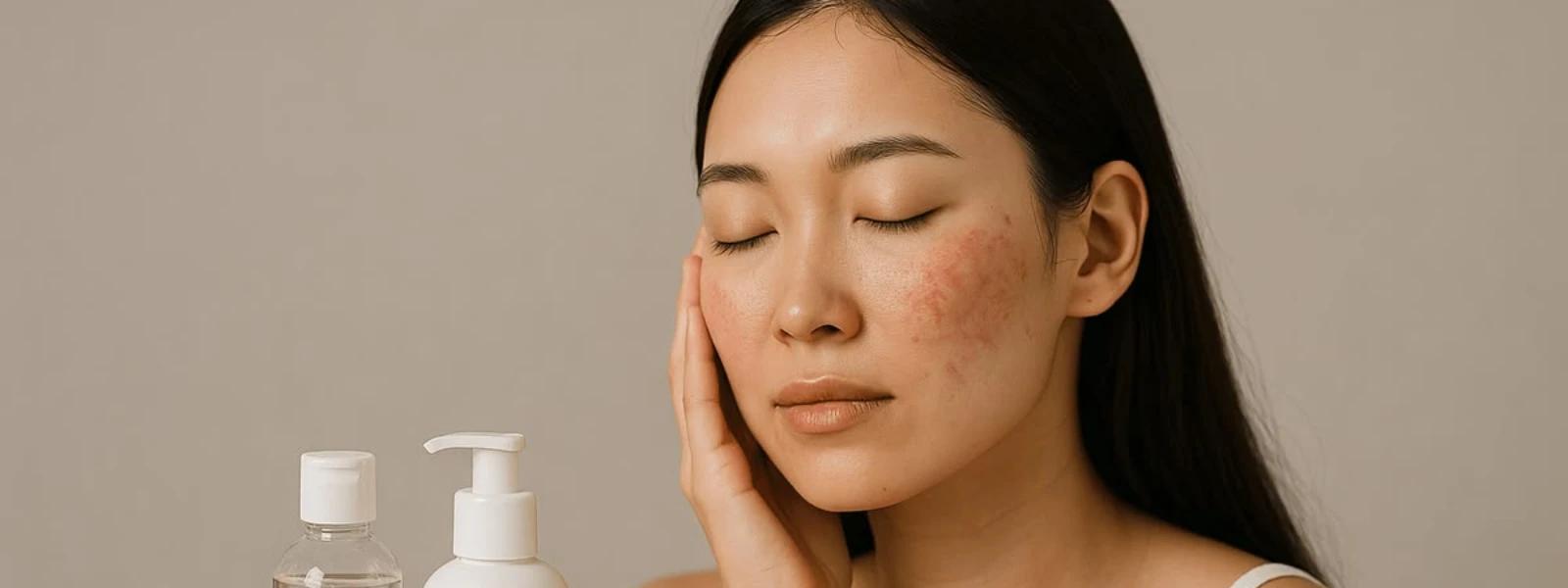
Skin discoloration appears as patches or areas where the skin colour differs from your natural tone. It can manifest as darker spots (hyperpigmentation), lighter patches (hypopigmentation), or redness (vascular issues). The patches may be flat or slightly raised, with clearly defined or blurred edges, and can range from light brown to deep black, or from pink to bright red, depending on the underlying cause.
Start with consistent sun protection and gentle skincare. For mild discoloration, try vitamin C serums and niacinamide. Moderate cases may benefit from over-the-counter retinol or alpha hydroxy acids. Stubborn pigmentation often requires professional treatment like chemical peels, laser therapy, or prescription medications. The key is identifying your specific type of discoloration and choosing treatments accordingly, whilst maintaining realistic expectations about timelines.
Vitamin C and vitamin E work synergistically to prevent age spots by neutralising free radicals that trigger melanin overproduction. Vitamin C also inhibits tyrosinase, an enzyme involved in melanin synthesis. Vitamin E enhances vitamin C's stability and effectiveness. Additionally, vitamin A (retinol) increases cell turnover, helping to fade existing spots whilst preventing new ones from forming.
Skincare products can significantly fade hyperpigmentation, but "permanent" removal depends on the underlying cause. Sun damage and post-inflammatory hyperpigmentation often respond well to consistent treatment with ingredients like vitamin C, retinoids, and niacinamide. However, conditions like melasma may require ongoing maintenance to prevent recurrence. Most people see noticeable improvement within 3-6 months of consistent use, with continued progress over time.
Age spots and sun spots are essentially the same condition – flat, brown patches caused by cumulative sun exposure. The term "age spots" is somewhat misleading because they're not caused by aging itself, but by years of UV damage. They typically appear after age 40 simply because that's when decades of sun exposure become visible. Both terms describe solar lentigines, and they respond to the same treatments.
Understanding skin discoloration is the first step towards achieving the even, confident complexion you deserve. Whether you're dealing with stubborn melasma, frustrating age spots, or post-acne marks that won't budge, remember that most forms of pigmentation are highly treatable with patience and the right approach.
The key is starting with gentle, consistent care and building up to more intensive treatments if needed. Your skin's journey is unique, and what works for your friend might not be the perfect solution for you. That's why exploring different products and approaches – perhaps through sample programmes that let you test before investing – can be so valuable in finding your perfect routine.
Most importantly, be kind to yourself throughout the process. Skin discoloration is incredibly common, and seeking treatment is a form of self-care, not vanity. With the right knowledge and approach, clearer, more even skin is absolutely achievable.
