Understanding Active Ingredients for Skin: The Ultimate FAQ


Target & Fade Duo for Hyperpigmentation | Even-Tone Underarms, Inner Thighs & Bum | Refines Skin Texture | For All Skin Types
Ever stared at a skincare label and felt completely lost? You're not alone. With ingredients like niacinamide, retinol, and alpha-hydroxy acids dominating beauty conversations, understanding what actually works for your skin can feel overwhelming. The truth is, knowing your actives isn't just skincare geek territory—it's the difference between throwing money at products that don't work and building a routine that genuinely transforms your skin. Whether you're dealing with stubborn acne marks, dullness, or just want to prevent future damage, the right active ingredients can make all the difference.
Think of active ingredients as the hardworking stars of your skincare routine. Unlike inactive ingredients that help with texture, preservation, or feel, actives are the ones doing the heavy lifting—they're scientifically proven to change your skin at a cellular level.
In simple terms, an active ingredient has a specific biological effect on your skin. It might speed up cell turnover, block melanin production, or boost collagen synthesis. These ingredients undergo rigorous testing to prove they actually do what they claim, which is why you'll often see percentages listed on products—concentration matters for effectiveness.
The key difference between cosmetic ingredients and pharmaceutical actives lies in their potency and regulation. Cosmetic actives (like the vitamin C in your serum) work gradually over time, whilst pharmaceutical actives (like prescription tretinoin) deliver faster, more dramatic results but require medical supervision.
Understanding active ingredients for skin means recognising that these compounds work differently for everyone. Your skin's pH, barrier function, and individual sensitivity all influence how well an active performs. This is why patch testing and gradual introduction are so crucial—what works brilliantly for your friend might irritate your skin initially.
Not all actives are created equal, and knowing which category addresses your specific concerns helps you build a more targeted routine. Here's how the most effective skin care ingredients break down by what they actually do for your skin.
Retinoids remain the gold standard for anti-aging, and for good reason. Whether it's over-the-counter retinol or prescription tretinoin, these vitamin A derivatives speed up cell turnover and boost collagen production. Start with a low concentration (0.25% retinol) and use only at night—your skin will thank you for the gentle approach.
Vitamin C works beautifully alongside retinoids (just not at the same time). L-ascorbic acid is the most potent form, but if you have sensitive skin, magnesium ascorbyl phosphate offers similar brightening benefits with less irritation. Peptides and alpha-hydroxy acids like glycolic and lactic acid round out this category, each targeting different aspects of skin aging.
For breakout-prone skin, salicylic acid (a beta-hydroxy acid) penetrates deep into pores to clear congestion. It's gentler than benzoyl peroxide but equally effective for most people. Niacinamide deserves special mention here—this form of vitamin B3 not only helps control oil production but also reduces inflammation and strengthens your skin barrier.
Hyaluronic acid can hold up to 1,000 times its weight in water, making it brilliant for plumping dehydrated skin. Ceramides work differently—they actually repair your skin's protective barrier, preventing water loss in the first place. Natural skin ingredients like squalane and jojoba oil provide additional nourishment without clogging pores.

Mineral Sunscreen SPF 50 | Matte Finish | No White Cast | Non-Nano Zinc Oxide | Cica | Pregnancy Safe | All Skin Types | 50ml
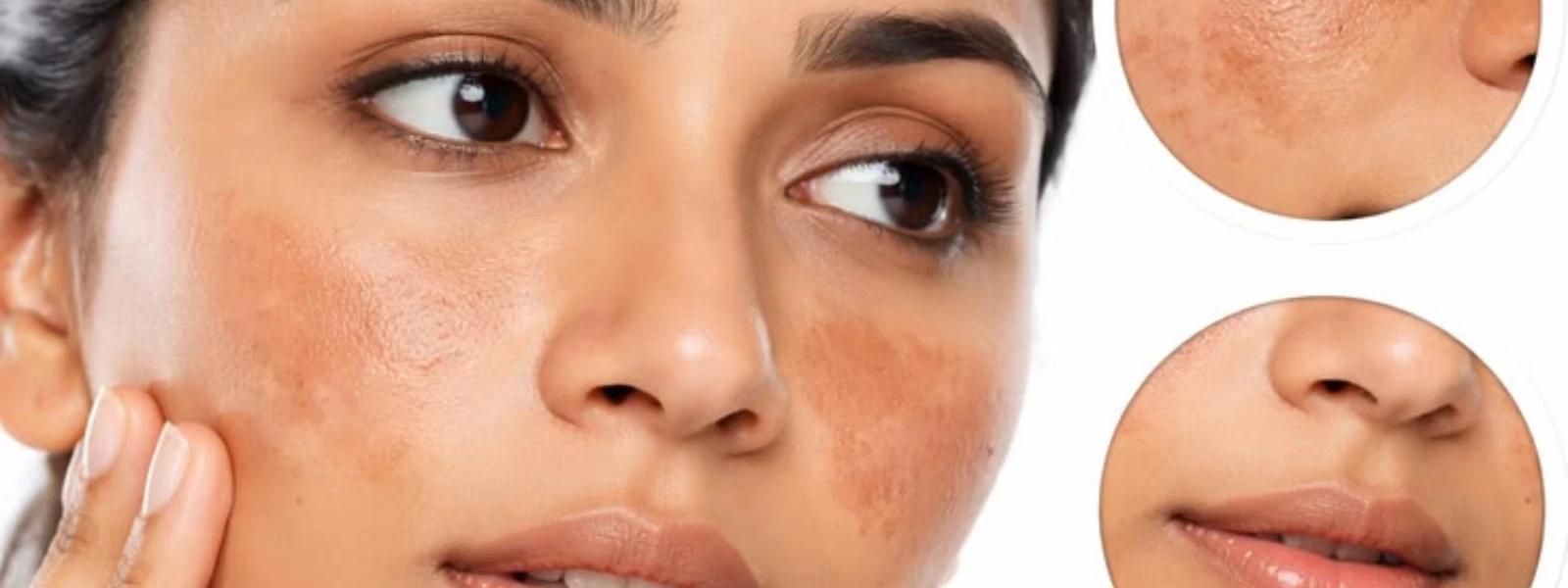
Post-inflammatory hyperpigmentation (those dark marks left behind by spots) responds well to ingredients like kojic acid, arbutin, and tranexamic acid. These work by inhibiting melanin production, gradually fading existing marks whilst preventing new ones from forming.
Your skin type determines not just which actives to use, but how to use them. What works for oily, resilient skin might be too harsh for sensitive or dry skin types. Here's how to match ingredients for healthy skin to your specific needs.
If your skin reacts to everything, focus on ingredients for sensitive skin that provide benefits without irritation. Niacinamide is incredibly well-tolerated and helps strengthen your skin barrier. Azelaic acid offers gentle exfoliation and anti-inflammatory benefits—perfect for sensitive skin dealing with rosacea or mild acne.
Avoid high-concentration acids initially, and always introduce one new active at a time. Your skin needs time to adjust, and rushing the process often leads to irritation that sets your progress back weeks.
Rosacea-prone skin benefits from anti-inflammatory ingredients like green tea extract and low-concentration azelaic acid. For melasma, a combination approach works best—vitamin C in the morning, retinol at night, and consistent SPF protection during the day.
Mature skin often needs multiple actives working together. Peptides for collagen support, retinol for cell turnover, and hyaluronic acid for hydration create a comprehensive anti-aging approach.
This is where many people go wrong—assuming more actives equals better results. Some skincare actives simply don't play well together, and mixing them can cause irritation, reduce effectiveness, or even damage your skin barrier.
Retinol and vitamin C are the classic example. Both are acidic and can destabilise each other when used simultaneously. Use vitamin C in the morning and retinol at night—your skin gets the benefits of both without the conflict.
AHAs and BHAs together can over-exfoliate, leading to redness, peeling, and increased sensitivity. If you want to use both, alternate days or use one in the morning and one at night, but start slowly.
The key is understanding pH levels and chemical interactions. When in doubt, separate strong actives by at least 30 minutes, or better yet, use them on different days until your skin builds tolerance.

Salicylic Acid Face Cleanser | Deep Cleansing Formula for Breakouts | Unclogs Pores & Controls Oil | For Oily & Acne-Prone Skin | 100ml
Building a routine with multiple actives isn't about using everything at once—it's about strategic layering and timing. Start with one active and give your skin 2-4 weeks to adjust before adding another.
Begin with a gentle active like niacinamide or low-concentration vitamin C. These are well-tolerated by most skin types and provide immediate benefits without significant adjustment period. Once your skin is comfortable, you can add stronger actives like retinol or AHAs.
Layer from thinnest to thickest consistency—serums before creams, water-based before oil-based. This ensures each active can penetrate properly and work effectively.
Serums typically contain higher concentrations of actives and penetrate deeper than creams. If you're new to actives, start with lower concentrations in cream formulations—they're often gentler and less likely to cause irritation.
Reading ingredient labels becomes crucial here. Actives should appear in the first five ingredients for meaningful concentrations. Don't be fooled by products that list impressive actives at the bottom of a long ingredient list—the concentration is likely too low to be effective.
The natural versus synthetic debate in skincare often misses the point. Both natural skin ingredients and synthetic actives can be effective—what matters is the science behind them and how they work for your skin.
Natural actives like vitamin C from kakadu plum or AHAs from fruit extracts can be just as potent as their synthetic counterparts. However, natural doesn't automatically mean gentler—poison ivy is natural, but you wouldn't put it on your face.
Synthetic ingredients often offer more stability and consistent concentrations. Lab-created hyaluronic acid is identical to what your skin produces naturally, but it's more stable and cost-effective than extracting it from natural sources.
The best approach? Focus on ingredients that work for your skin, regardless of their origin. A well-formulated product with proven actives will always outperform a 'natural' product with ineffective concentrations.

Hydrating Moisturizer | Non-Comedogenic | Boosts Collagen & Hydrates Deeply | Ceramides + Niacinamide | For Normal to Dry Skin | 50g
The most universally beneficial actives include niacinamide for barrier support and oil control, vitamin C for antioxidant protection and brightening, retinol for cell turnover and anti-aging, hyaluronic acid for hydration, and salicylic acid for acne-prone skin. These five cover most skin concerns and work well for various skin types.
Start by identifying your primary skin concern—acne, aging, hyperpigmentation, or dehydration. Then choose one active that targets that concern and introduce it slowly. Oily skin typically tolerates stronger actives better, whilst sensitive skin needs gentler formulations and slower introduction. Always patch test new actives and monitor your skin's response.
Yes, but timing and combination matter. Some actives work synergistically (like niacinamide and hyaluronic acid), whilst others should be separated (like retinol and vitamin C). Start with one active, establish tolerance, then gradually add others. When using multiple actives, consider alternating days or using different actives in morning versus evening routines.
Alpha-hydroxy acids (AHAs) like glycolic and lactic acid work on the skin's surface, removing dead skin cells and improving texture. Beta-hydroxy acids (BHAs) like salicylic acid penetrate into pores, making them better for acne-prone skin. AHAs are water-soluble, whilst BHAs are oil-soluble, which explains their different penetration abilities.
Most actives show initial results within 4-6 weeks of consistent use, with continued improvement over 3-6 months. Niacinamide and hyaluronic acid often show benefits within days, whilst retinol and vitamin C require several weeks. AHAs and BHAs typically show texture improvements within 2-4 weeks. Patience and consistency are key—skincare is a marathon, not a sprint.
Not necessarily. What matters is the concentration, formulation stability, and how well the product is suited to your skin. Many affordable products contain effective concentrations of proven actives. Focus on ingredient lists, concentrations, and your skin's response rather than price tags. Sometimes simpler formulations work better than complex, expensive ones.
Sensitive skin can benefit from actives, but requires a more cautious approach. Start with gentle actives like niacinamide or low-concentration lactic acid. Introduce one product at a time, use lower frequencies initially, and always patch test. Many people with sensitive skin successfully use actives by building tolerance gradually and choosing appropriate formulations.
Understanding active ingredients transforms skincare from guesswork into science. The key isn't using every trending active—it's finding the right combination for your skin's unique needs and using them consistently and safely.
Remember that skincare is deeply personal. What works brilliantly for others might not suit your skin, and that's completely normal. Start slowly, listen to your skin, and don't be afraid to adjust your routine as your skin changes with seasons, age, or lifestyle.
For those ready to explore proven actives from trusted brands, platforms like Smytten Shop offer curated selections from premium skincare brands, complete with detailed ingredient information and user reviews. With over 28 million users discovering products that actually work for their skin, you're not navigating this journey alone. The right actives are out there—it's just about finding your perfect match.
