Underarm Darkening Causes FAQ: Understanding Armpit Discoloration


Target & Fade Duo for Hyperpigmentation | Even-Tone Underarms, Inner Thighs & Bum | Refines Skin Texture | For All Skin Types
You've noticed those stubborn dark patches under your arms, and honestly, you're not alone. Whether it happened gradually or seemed to appear overnight, underarm darkening affects millions of people and can feel frustrating when you don't understand why it's happening. The good news? Most cases of dark underarms are completely treatable once you identify the root cause. From everyday habits like shaving to underlying health conditions, there are specific reasons your skin has developed this uneven skin tone, and understanding them is the first step towards clearer, more confident skin.
When we talk about underarm darkening causes, medical conditions often play a significant role. Understanding these underlying factors helps you determine whether your armpit discoloration needs professional attention or can be managed with lifestyle changes.
Acanthosis nigricans is the most common medical reason behind persistent dark underarms. This condition creates thick, velvety patches that feel different from normal skin texture. It's closely linked to insulin resistance, which means your body struggles to process sugar effectively. People with diabetes, pre-diabetes, or PCOS often develop this type of hyperpigmentation underarms. The darkening typically appears symmetrically on both sides and may also affect other areas like the neck, groin, or behind the knees. If you notice sudden onset or rapid progression of dark patches, it's worth consulting a dermatologist for proper evaluation.
Your skin's natural response to irritation or injury can trigger post-inflammatory hyperpigmentation. Every time you experience inflammation in the underarm area - whether from aggressive hair removal, allergic reactions, or bacterial infections - your skin produces extra melanin as part of the healing process. This explains why some people notice their dark armpits worsen after particularly harsh waxing sessions or skin infections. The good news is that PIH-related darkening often improves over time, typically taking 6-12 months to fade naturally with proper care.
Hormonal fluctuations significantly impact melanin production throughout your body. Women with PCOS frequently experience underarm pigmentation due to elevated insulin and androgen levels. Pregnancy hormones can also trigger temporary darkening that usually resolves after delivery. Thyroid disorders, particularly hypothyroidism, may contribute to generalised skin darkening including the underarm area. Understanding your hormonal health provides crucial context for addressing persistent armpit discoloration.
Sometimes the simplest daily routines contribute to underarm darkening. Recognising these patterns empowers you to make targeted changes that can prevent further darkening and support your skin's natural healing process.
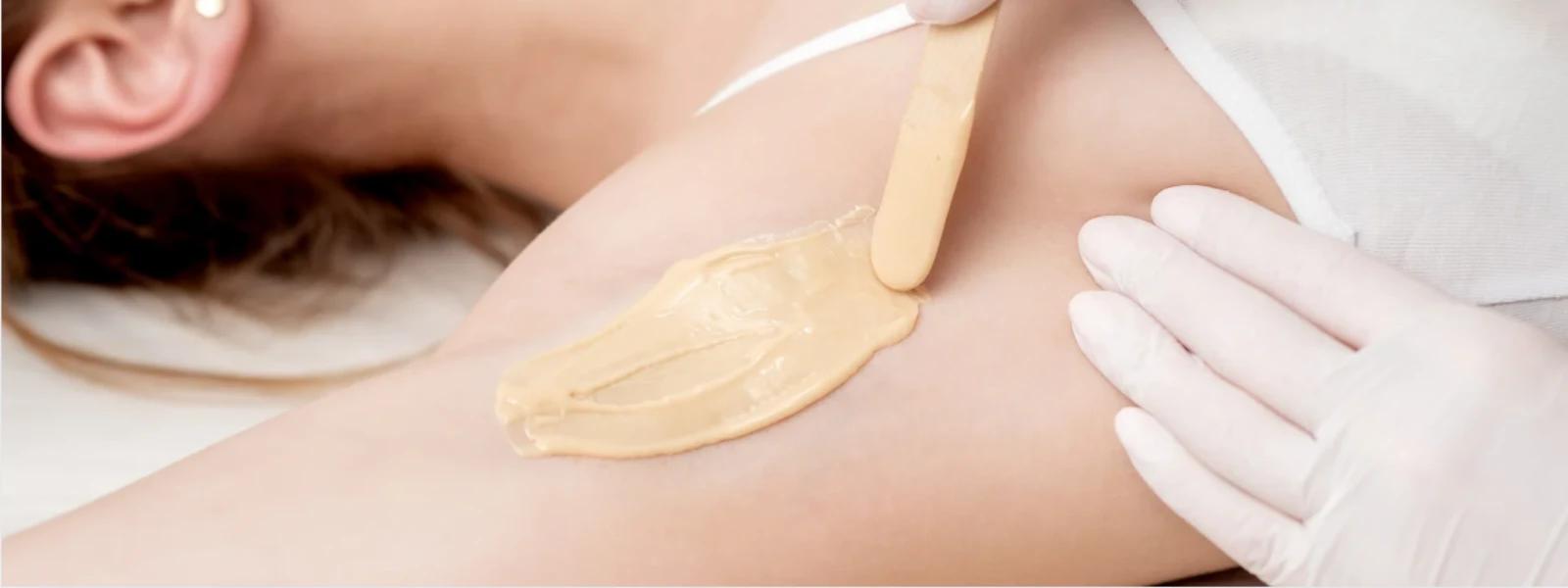
Shaving creates microscopic cuts and irritation that can lead to chronic inflammation over time. The constant trauma from daily or frequent shaving often results in a shadow-like appearance that many mistake for true pigmentation. Waxing, while removing hair from the root, can cause significant trauma to sensitive underarm skin, especially if done incorrectly or too frequently. Hair removal creams contain strong chemicals that may trigger allergic reactions in some people, leading to inflammatory hyperpigmentation. Consider gentler alternatives like laser hair removal, which reduces the need for frequent irritation whilst providing longer-lasting results.

Mineral Sunscreen SPF 50 | Matte Finish | No White Cast | Non-Nano Zinc Oxide | Cica | Pregnancy Safe | All Skin Types | 50ml
Constant rubbing from tight clothing creates chronic low-level inflammation that stimulates melanin production. This is particularly common in people who wear fitted tops, synthetic fabrics, or exercise frequently without proper moisture-wicking materials. Skin-on-skin friction in individuals carrying extra weight can also contribute to darkening in fold areas. The key is choosing breathable, loose-fitting clothing made from natural fibres that allow air circulation and reduce moisture buildup.
Many commercial deodorants contain aluminium compounds, fragrances, and alcohol that can irritate sensitive underarm skin. Product buildup from inadequate cleansing can also trap dead skin cells and bacteria, creating an environment that promotes darkening. Some people develop contact dermatitis from specific ingredients, leading to chronic inflammation and subsequent pigmentation. Switching to gentler, fragrance-free formulations often helps reduce irritation-related darkening.
While most underarm darkening is benign, certain patterns or associated symptoms warrant medical evaluation. Understanding these warning signs helps you distinguish between cosmetic concerns and potential health issues that require professional attention.
Rapid onset darkening, especially when accompanied by other symptoms like excessive thirst, frequent urination, or unexplained weight changes, may indicate underlying metabolic conditions. Armpit discoloration that appears asymmetrically, feels raised or textured, or continues spreading despite treatment modifications should be evaluated promptly. Any darkening associated with pain, itching, or unusual odours also requires medical assessment to rule out infections or other complications.
Type 2 diabetes often manifests through skin changes before other symptoms become apparent. Vitamin B12 deficiency can cause generalised hyperpigmentation, including the underarm area. Addison's disease, though rare, typically causes widespread darkening that includes skin folds. Certain medications, particularly those affecting hormones or causing photosensitivity, may also contribute to pigmentation changes. Working with healthcare providers to address these underlying conditions often improves skin appearance as a beneficial side effect.
Effective treatment for dark underarms depends on identifying and addressing the underlying cause. A combination of professional treatments and consistent home care typically yields the best results, though patience is essential as skin renewal takes time.
Dermatologists may recommend prescription lightening agents containing hydroquinone, tretinoin, or kojic acid for stubborn pigmentation. Chemical peels using glycolic or lactic acid can help accelerate skin cell turnover and fade darkening over several sessions. Laser therapy offers another option for resistant cases, though it requires careful consideration of skin type to avoid additional pigmentation. Professional treatments work best when combined with proper home care and lifestyle modifications that address the root causes.

Salicylic Acid Face Cleanser | Deep Cleansing Formula for Breakouts | Unclogs Pores & Controls Oil | For Oily & Acne-Prone Skin | 100ml
Gentle exfoliation using mild acids or physical scrubs can help remove dead skin buildup that contributes to darkening. Natural ingredients like niacinamide and vitamin C may provide gradual lightening effects with consistent use. Proper moisturising supports skin barrier function and healing, whilst sun protection prevents further pigmentation in exposed areas. Remember that natural approaches typically take 3-6 months to show noticeable results, requiring patience and consistency.
Preventing future underarm darkening involves making thoughtful choices about products, clothing, and daily habits. Small changes in your routine can significantly impact your skin's appearance and health over time.
Choose sensitive-skin deodorants without harsh chemicals, fragrances, or alcohol. Establish a gentle cleansing routine that removes product buildup without over-scrubbing. Apply moisturiser to clean, dry skin to maintain barrier function and prevent irritation. Consider alternating between different hair removal methods to reduce chronic trauma to the same area.
Maintain a healthy weight to reduce friction in skin fold areas. Manage underlying health conditions like diabetes or PCOS through proper medical care and lifestyle modifications. Choose breathable, loose-fitting clothing made from natural fibres. Stay hydrated and maintain a balanced diet rich in vitamins and antioxidants that support skin health.
Progressive darkening often results from cumulative effects of daily habits like shaving, deodorant use, or friction from clothing. Hormonal changes, weight gain, or developing insulin resistance can also contribute to gradual darkening. The key is identifying which factors apply to your situation and making appropriate modifications.
Vitamin B12 deficiency is the most commonly associated nutritional factor in hyperpigmentation, including underarm darkening. This deficiency affects melanin production and can cause generalised skin darkening. Other nutrients like vitamin D and certain minerals may also play supporting roles in maintaining healthy skin pigmentation.
While significant improvement is possible, "permanent" removal depends on addressing underlying causes. If darkening results from acanthosis nigricans due to insulin resistance, managing the metabolic condition is essential for lasting results. Friction or irritation-related darkening often improves dramatically with proper care and prevention strategies.

Hydrating Moisturizer | Non-Comedogenic | Boosts Collagen & Hydrates Deeply | Ceramides + Niacinamide | For Normal to Dry Skin | 50g
Most people notice initial improvements within 4-6 weeks of consistent treatment, with significant results typically visible after 3-6 months. Professional treatments may accelerate this timeline, whilst natural approaches often require 6-12 months for optimal results. Patience and consistency are crucial for success.
Consult a healthcare provider if darkening appears suddenly, spreads rapidly, or occurs alongside other symptoms like excessive thirst or fatigue. Asymmetrical darkening, raised or textured patches, or darkening that doesn't respond to gentle care modifications also warrant professional evaluation.
Dark underarms can be an early sign of insulin resistance, which may progress to type 2 diabetes. However, many people with acanthosis nigricans don't develop diabetes, especially when they maintain healthy lifestyle habits. It's worth discussing with your doctor, particularly if you have other risk factors.
Look for aluminium-free, fragrance-free formulations designed for sensitive skin. Natural deodorants containing ingredients like coconut oil or shea butter can be gentler alternatives. Some people find that switching to a different type of antiperspirant or taking breaks from daily use helps reduce irritation-related darkening.
Yes, weight loss can significantly improve underarm darkening, especially when it's related to insulin resistance or friction. As insulin sensitivity improves and skin-on-skin contact decreases, many people notice gradual lightening. However, changes may take several months to become apparent as skin renewal occurs slowly.
Understanding underarm darkening causes empowers you to make informed decisions about treatment and prevention. Whether your dark underarms stem from daily habits, hormonal changes, or underlying health conditions, targeted approaches can help improve your skin's appearance and your confidence. Remember that skin changes take time, and consistency with gentle care often yields better results than aggressive treatments.
For those exploring new skincare solutions, platforms like Smytten offer the opportunity to try products before committing to full sizes. With access to curated beauty and wellness brands, you can discover gentle, effective options for addressing underarm pigmentation without the guesswork. The platform's try-before-you-buy approach helps you find products that work for your specific skin needs whilst building confidence in your skincare choices.
Your skin journey is unique, and finding the right combination of treatments, products, and lifestyle modifications takes time. Be patient with the process, celebrate small improvements, and don't hesitate to seek professional guidance when needed. With the right approach, clearer, more even-toned underarms are absolutely achievable.
