Treat Acne Prone Combination Skin: Your FAQ Answered


Advanced Spot Targeting Gel | Fast-Acting Discolouration Care | Targets Stubborn Marks | Spicules + Biomimetic Peptides + Arbutin | 15g
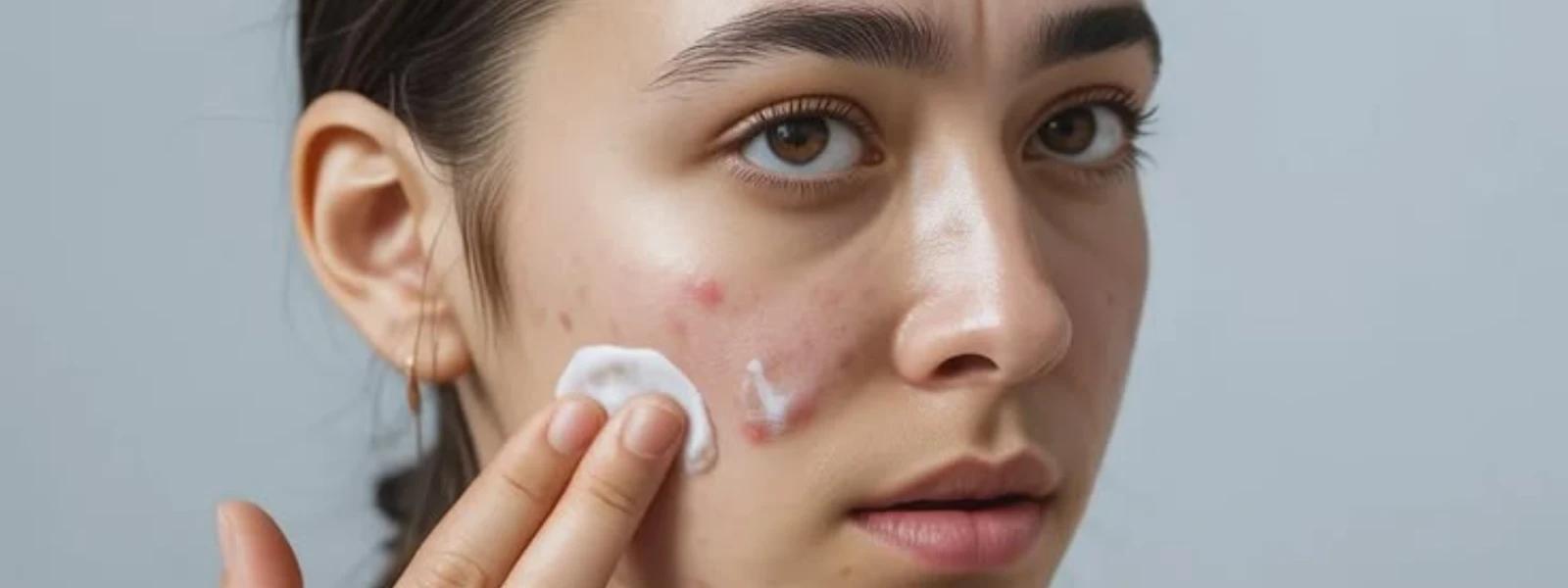
You've been dealing with breakouts on your forehead while your cheeks feel tight and flaky. Sound familiar? Acne prone combination skin is like having two different skin types on one face, and it can feel impossible to get right. One product clears your T-zone but leaves your cheeks parched, whilst another hydrates beautifully but triggers more spots. The good news? Once you understand how to treat each zone properly, you can achieve that balanced, clear complexion you're after.
Combination skin care becomes tricky when acne enters the picture because you're essentially managing two different environments on your face. Your T-zone produces excess sebum, creating the perfect breeding ground for P. acnes bacteria, whilst your cheeks might be crying out for moisture.
The four main factors behind acne formation work differently across your face. In your oily T-zone, sebaceous glands go into overdrive, pores become clogged more easily, and inflammation flares up quickly. Meanwhile, your drier areas might experience irritation from harsh treatments meant for oily skin, leading to a compromised skin barrier that can actually worsen breakouts.
Your forehead, nose, and chin typically show classic signs of oily skin - enlarged pores, blackheads, and inflammatory acne. These areas need targeted blemish control with ingredients like salicylic acid and niacinamide. Your cheeks and jawline, however, might be normal to dry, requiring gentler care and more hydration to prevent irritation that could trigger reactive breakouts.
Creating an effective routine means thinking strategically about when and where to apply your products. The key is finding that sweet spot where you're treating acne without over-drying or under-moisturising different areas of your face.
Start with a gentle cleanser that won't strip your skin but will remove overnight oil buildup. Look for gel or foam formulas with a pH between 5.5-6.5. Follow with a niacinamide serum across your entire face - this powerhouse ingredient helps regulate oil production in your T-zone whilst providing anti-inflammatory benefits to your drier areas.
For moisturising, consider the zone approach. Apply a lightweight, gel-based non-comedogenic moisturiser to your T-zone, and a slightly richer formula to your cheeks if needed. Always finish with broad-spectrum SPF 30 or higher - non-comedogenic formulas prevent clogged pores whilst protecting against post-inflammatory hyperpigmentation.
Evening is when you can introduce stronger acne treatment ingredients. Start with the same gentle cleanser, then apply targeted treatments. Use salicylic acid (0.5-2%) on your T-zone for pore minimising and oil control, whilst applying a hydrating serum with hyaluronic acid to your cheeks.

Target & Fade Duo for Hyperpigmentation | Even-Tone Underarms, Inner Thighs & Bum | Refines Skin Texture | For All Skin Types
Two to three times weekly, incorporate a gentle exfoliant or retinoid to promote cell turnover. Always follow with a nourishing moisturiser - even your oily areas need hydration to maintain a healthy barrier function.
Understanding which ingredients work where on your face is crucial for effective skin balancing. Not every acne-fighting ingredient needs to go everywhere, and some hydrating ingredients can actually help prevent breakouts when used strategically.
Salicylic acid remains the gold standard for oily areas. This beta-hydroxy acid penetrates oil-filled pores, helping to clear blackheads and prevent new breakouts. Start with 0.5% formulations and gradually increase if needed. Benzoyl peroxide works brilliantly for spot treatments, killing acne bacteria on contact, but use it sparingly to avoid irritation.
Tea tree oil offers natural antimicrobial properties, but always dilute it to 5-10% concentration. Pure tea tree oil can be too harsh, especially for the sensitive areas of combination skin.
Your cheeks benefit from barrier-supporting ingredients like ceramides and hyaluronic acid. These help maintain proper hydration levels, preventing the irritation that can trigger reactive breakouts. Niacinamide works beautifully across your entire face, offering redness reduction and oil regulation without over-drying.
When shopping for products to treat acne prone combination skin, look beyond marketing claims and focus on ingredient lists and formulation types. The right products can make the difference between a routine that works and one that leaves you frustrated.
A gentle cleanser doesn't mean ineffective. Look for gel or low-foam formulas with mild surfactants like sodium cocoyl glutamate or cocamidopropyl betaine. Avoid anything with sodium lauryl sulphate, which can be too stripping for combination skin. Cleansers with added salicylic acid can provide gentle exfoliation, but shouldn't be your only source of this ingredient.

Mineral Sunscreen SPF 50 | Matte Finish | No White Cast | Non-Nano Zinc Oxide | Cica | Pregnancy Safe | All Skin Types | 50ml
The biggest mistake people make with combination skin is using one moisturiser everywhere. Your T-zone might thrive with a gel-based, oil-free formula, whilst your cheeks need something with more emollient properties. Non-comedogenic moisturisers come in various textures - experiment with layering different weights or using separate products for different zones.
Whilst you can't cure acne in three days naturally or otherwise, certain natural ingredients can support your skincare routine effectively. The key is using them alongside proven actives, not as replacements.
Tea tree oil has solid research backing its antimicrobial properties, making it useful for spot treatments when properly diluted. Green tea extract offers anti-inflammatory benefits and can be found in many gentle toners and serums. Honey masks provide antimicrobial and hydrating benefits, particularly helpful for the drier areas of combination skin.
However, be realistic about timelines. Most people see initial improvements in 2-4 weeks with consistent use of appropriate products, with significant changes taking 6-12 weeks. Quick fixes often lead to over-treatment and irritation, setting your progress back.
The most frequent error in treating combination acne is the all-or-nothing approach. Using harsh, drying products everywhere because your T-zone is oily often backfires, causing irritation in dry areas and potentially increasing oil production as your skin tries to compensate.
Another mistake is constantly switching products. Your skin needs time to adjust to new ingredients, and changing your routine every few weeks prevents you from seeing real results. Stick with a routine for at least 6-8 weeks before making major changes.
Don't skip moisturiser on oily areas - this is a recipe for increased oil production and potential irritation. Instead, choose appropriate textures and formulations for each zone of your face.
Use a zone-specific approach with gentle, targeted treatments. Apply stronger actives like salicylic acid only to oily areas, and always follow with appropriate moisturisation. Start with lower concentrations and gradually increase as your skin builds tolerance.

Salicylic Acid Face Cleanser | Deep Cleansing Formula for Breakouts | Unclogs Pores & Controls Oil | For Oily & Acne-Prone Skin | 100ml
Some products work well across your entire face, particularly gentle cleansers and niacinamide serums. However, you'll likely need different moisturisers and may want to apply stronger acne treatments only to your oily zones for best results.
Initial improvements typically appear within 2-4 weeks of consistent use, with more significant changes visible after 6-12 weeks. Be patient and consistent - rushing the process with stronger products often leads to irritation and setbacks.
Not necessarily. Non-comedogenic oils like jojoba or squalane can actually help balance oil production and support your skin barrier. The key is choosing the right oils and applying them appropriately - perhaps only to drier areas of your face.
Start slowly with one new product at a time, beginning with 2-3 applications per week and gradually increasing frequency as your skin adjusts. This helps you identify what works and prevents overwhelming your skin with too many actives at once.
Research suggests that high-glycemic foods and dairy may worsen acne for some people. While diet isn't a cure-all, maintaining a balanced diet rich in anti-inflammatory foods like omega-3 fatty acids and antioxidants can support overall skin health.
Some people experience a brief purging period when starting new acne treatments, particularly with ingredients like salicylic acid or retinoids. This typically lasts 2-4 weeks and involves existing clogged pores coming to the surface faster. However, if irritation persists or worsens, reassess your routine.
Successfully treating acne prone combination skin requires patience, consistency, and a willingness to customise your approach. Remember that your skin's needs may change with seasons, hormones, and life circumstances, so stay flexible and observant.
The beauty of platforms like Smytten lies in being able to try products before committing to full sizes - particularly valuable when you're figuring out what works for your unique combination of skin concerns. With over 28 million users discovering their perfect skincare matches, you're not alone in this journey.
Focus on gentle, consistent care rather than aggressive treatments. Your skin will thank you for the patience, and you'll build a sustainable routine that keeps both breakouts and dryness at bay. Trust the process, listen to your skin, and remember that healthy skin is a marathon, not a sprint.
