The Ultimate Checklist: Understanding What Causes Hyperpigmentation


Dark Spot Reduction Set | 3-Step Routine for Hyperpigmentation & Even Skin Tone | Cleanser, Serum & Moisturizer | Skin Care Routine Kit
Ever noticed how those stubborn dark spots seem to appear overnight, yet take forever to fade? You're not alone in wondering what causes hyperpigmentation and why your skin seems determined to hold onto these unwelcome patches. Whether it's post-acne marks that refuse to budge or mysterious spots that appeared after last summer's holiday, understanding the root causes is your first step towards clearer, more even-toned skin.
Hyperpigmentation occurs when your skin produces excess melanin, the pigment responsible for your natural skin colour. Think of melanin production as your skin's protective response—when melanocytes (pigment-producing cells) go into overdrive, they create those darker patches we're all too familiar with.
The process itself is actually quite fascinating. Your melanocytes sit at the base of your epidermis, constantly monitoring for threats. When triggered by inflammation, hormones, or UV damage, they pump out melanin like a factory working overtime. This melanin then travels upward through your skin layers, creating the visible dark spots on skin that can persist for months or even years.
Not everyone experiences skin pigmentation disorders equally. Your genetics, skin type, and even your geographical location play crucial roles. Those with deeper skin tones often face more persistent post-inflammatory hyperpigmentation, whilst fair skin typically shows more sun-related damage like age spots and freckling.
Let's be honest—sun damage skin is probably behind most of the hyperpigmentation you're dealing with. Even that "healthy glow" from your twenties can come back to haunt you as age spots in your thirties and beyond.
UV radiation works in two ways to create uneven skin tone. UVB rays cause immediate damage (think sunburn), whilst UVA rays penetrate deeper, causing long-term changes to your melanocytes. These cells develop a sort of memory, becoming hypersensitive to future sun exposure. That's why you might notice spots appearing in areas that haven't seen direct sunlight recently—your skin is still responding to damage from years ago.
The frustrating truth? Even brief, daily sun exposure adds up. Those five-minute walks to your car, sitting by a window, or forgetting to reapply SPF during lunch breaks all contribute to cumulative damage. Geographic factors matter too—living at higher altitudes or closer to the equator significantly increases your risk of developing sun-induced hyperpigmentation.
Hormones can be absolute chaos for your skin's pigmentation. Melasma, often called the "pregnancy mask," affects up to 90% of pregnant women, creating symmetrical patches typically across the forehead, cheeks, and upper lip.

15% Vitamin C Face Serum | Brightens & Evens Skin Tone | Boosts Collagen & Firmness | Reduces Dark Spots | Vitamin C & E + Ferulic Acid | 30ml
But pregnancy isn't the only hormonal trigger. Birth control pills, hormone replacement therapy, and even thyroid disorders can all lead to skin discoloration causes that seem to appear from nowhere. The oestrogen and progesterone fluctuations essentially make your melanocytes more reactive to other triggers, particularly sun exposure.
Puberty and menopause bring their own pigmentation challenges. During puberty, hormonal surges can worsen acne-related hyperpigmentation, whilst menopause often reveals decades of accumulated sun damage as oestrogen levels drop and skin becomes less resilient.
Post-inflammatory hyperpigmentation (PIH) is your skin's way of healing from trauma—but sometimes the cure feels worse than the original problem. Any inflammation, whether from acne, eczema, cuts, or even aggressive skincare treatments, can trigger this response.
Here's what happens: when your skin is injured or inflamed, immune cells rush to the area. These cells release inflammatory mediators that accidentally stimulate nearby melanocytes, causing them to produce excess pigment. The result? Those persistent dark spots on skin that mark where a spot used to be.
The key culprit many don't realise? Picking at skin. Every time you squeeze a spot or scratch an itch, you're potentially creating inflammation that leads to PIH. This is why dermatologists constantly emphasise gentle skincare routines and keeping hands off your face.
Sometimes skin pigmentation disorders stem from underlying health conditions. Addison's disease, which affects your adrenal glands, can cause widespread darkening of the skin. Acanthosis nigricans, often linked to diabetes or insulin resistance, creates dark, velvety patches typically in skin folds.
Certain medications also trigger pigmentation changes. Antimalarial drugs, some antibiotics, and chemotherapy treatments can all cause various forms of hyperpigmentation. If you've started a new medication and noticed skin changes, it's worth discussing with your healthcare provider.
Time isn't kind to our skin's repair mechanisms. As we age, cell turnover slows dramatically, meaning those pigmented cells stick around much longer than they should. What might have faded in weeks during your twenties can now take months or years to improve.

Rapid Dark Spot Correction Set | Reduces Dark Spots & Post-Acne Marks | Cleanser, Gel, Moisturizer & Sunscreen Kit
Age spots removal becomes more challenging because you're dealing with decades of accumulated damage. Those "liver spots" (which have nothing to do with your liver, by the way) are essentially your skin's historical record of sun exposure.
Genetics play a massive role too. If your parents or grandparents dealt with melasma, age spots, or persistent PIH, you're more likely to experience similar issues. Certain ethnic backgrounds are also predisposed to specific types of hyperpigmentation—understanding your genetic risk can help you take preventive measures early.
The best treatment for hyperpigmentation is prevention. How to prevent hyperpigmentation starts with religious SPF use—broad-spectrum SPF 30 or higher, every single day, regardless of weather or season.
But sun protection goes beyond just sunscreen. Seek shade during peak UV hours (10am-4pm), wear protective clothing, and remember that UV rays can penetrate windows and reflect off surfaces like water and concrete.
Gentle skincare is equally crucial. Avoid harsh scrubs, over-exfoliation, and picking at your skin. Inflammatory skincare reactions can trigger PIH just as easily as acne or injuries can.
Hyperpigmentation treatment requires patience and consistency. Topical ingredients like vitamin C, niacinamide, and azelaic acid can help fade existing spots whilst preventing new ones from forming. These work by either inhibiting melanin production or speeding up cell turnover to help pigmented cells shed faster.
For stubborn spots, prescription treatments containing hydroquinone or tretinoin might be necessary. Professional procedures like chemical peels, microneedling, or laser treatments can provide more dramatic results, but they require proper aftercare to avoid triggering more pigmentation.
Remember, any hyperpigmentation treatment takes time—typically 3-6 months for noticeable improvement, and up to a year for significant fading. The key is consistency and continued sun protection throughout the process.

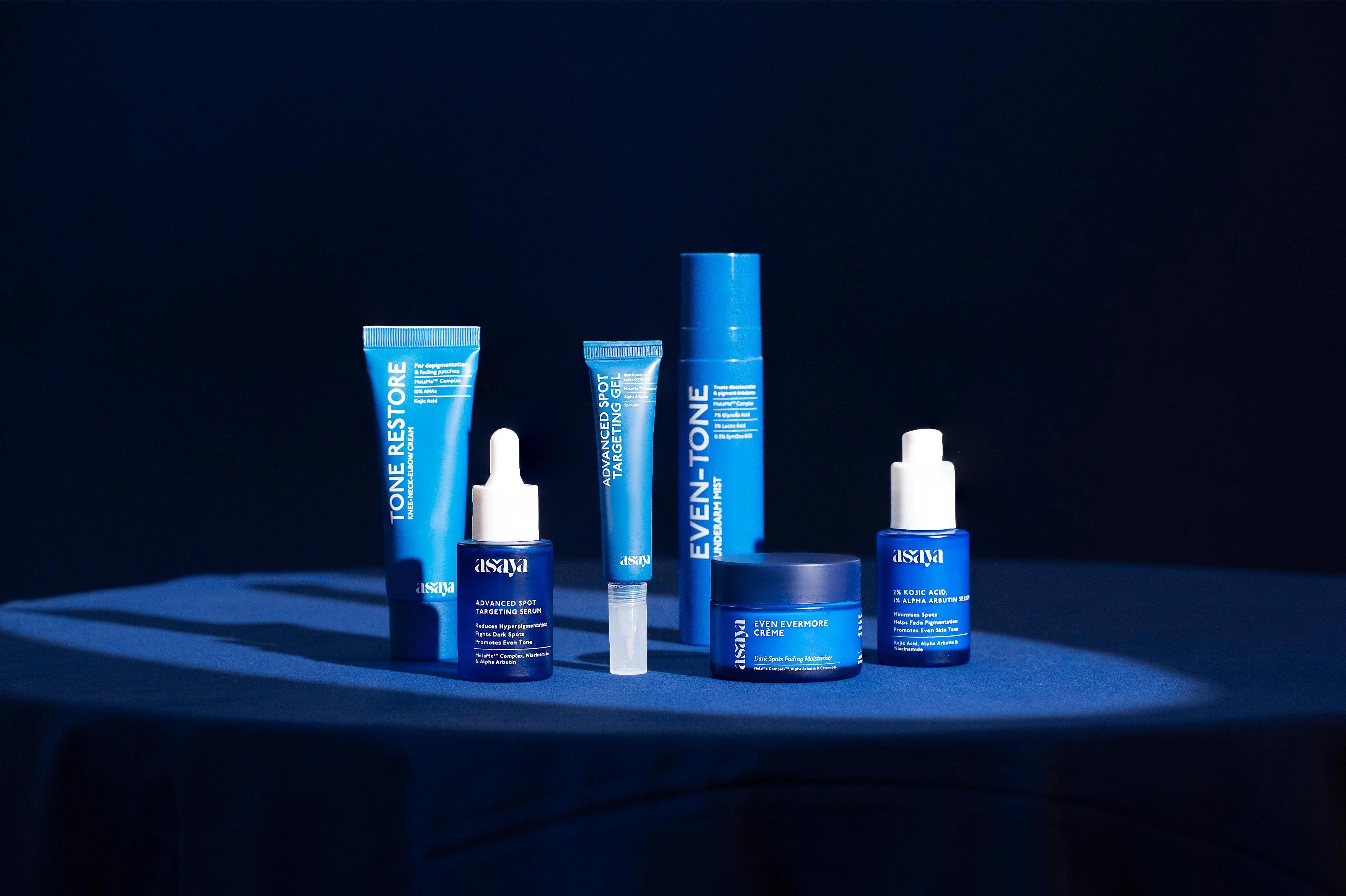
Target & Fade Duo for Hyperpigmentation | Even-Tone Underarms, Inner Thighs & Bum | Refines Skin Texture | For All Skin Types
Effective hyperpigmentation treatment combines topical ingredients like vitamin C and niacinamide with strict sun protection. Professional treatments can accelerate results, but patience is essential—most treatments require 3-6 months of consistent use to show significant improvement.
The primary causes include sun exposure, hormonal changes (pregnancy, birth control), post-inflammatory responses from acne or injuries, genetic predisposition, certain medications, and underlying medical conditions like diabetes or thyroid disorders.
Research suggests vitamin D plays a role in melanin regulation, and deficiency might contribute to pigmentation irregularities. However, it's more likely that vitamin D deficiency affects your skin's overall health and repair mechanisms rather than directly causing dark spots.
Facial hyperpigmentation often results from concentrated sun exposure, hormonal melasma, acne scarring, or reactions to skincare products. The face receives more UV exposure than other body parts and has more sensitive skin that's prone to inflammatory responses.
Without treatment, hyperpigmentation can take 6-12 months to fade naturally, and some spots may never completely disappear. Age, skin type, and the underlying cause all affect fading time. Professional treatment can significantly speed up this process.
Understanding what causes hyperpigmentation empowers you to make informed decisions about prevention and treatment. Whether you're dealing with sun damage, hormonal changes, or post-acne marks, remember that effective treatment takes time and consistency.
The beauty of platforms like Smytten is discovering products that actually work for your specific skin concerns without the commitment of full-size purchases. With access to premium skincare brands and the ability to try before you buy, you can build an effective hyperpigmentation routine tailored to your skin's unique needs. Sometimes the most effective approach combines multiple products and ingredients—something you can explore safely through sample sizes before investing in full treatments.
