The Ultimate Checklist for Understanding Causes of Skin Discoloration


Rapid Dark Spot Correction Set | Reduces Dark Spots & Post-Acne Marks | Cleanser, Gel, Moisturizer & Sunscreen Kit
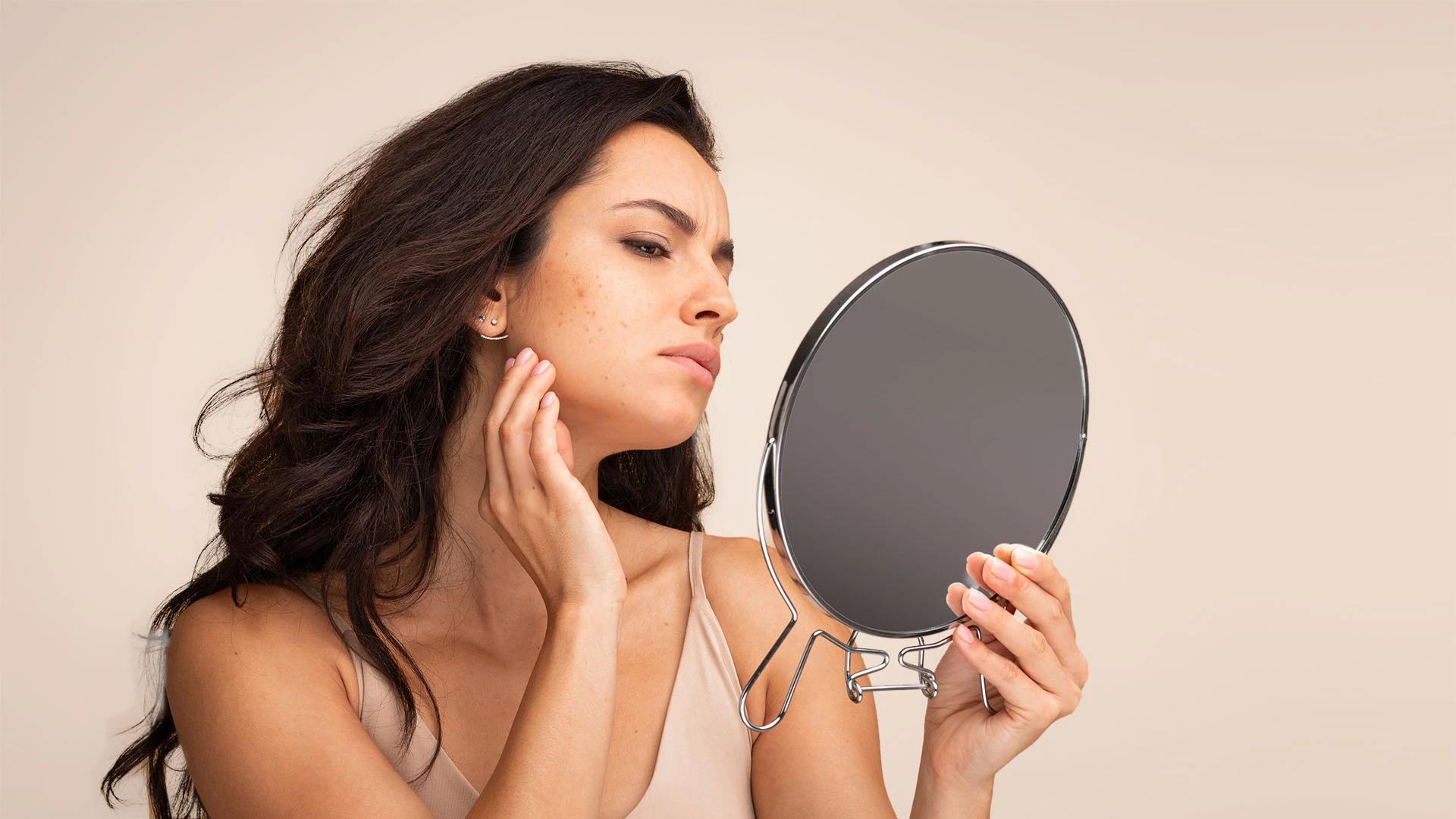
You've noticed patches on your skin that weren't there before. Maybe it's a stubborn dark spot from last summer's breakout, or perhaps you've spotted some new freckles after forgetting SPF one too many times. Skin discoloration affects nearly everyone at some point, yet understanding what's causing those changes can feel overwhelming. Whether you're dealing with hormonal patches, sun damage, or mysterious marks that appeared seemingly overnight, getting to the root cause is the first step towards clearer, more even-toned skin.
Skin discoloration refers to any change in your skin's natural colour, whether it becomes darker, lighter, or takes on a different hue entirely. At its core, this happens when your skin produces too much melanin (causing darker patches), too little melanin (creating lighter areas), or when blood vessels beneath the skin become more visible.
Your skin's natural pigmentation comes from melanocytes—specialised cells that produce melanin in response to various triggers. When these cells become overactive or damaged, you might notice hyperpigmentation appearing as dark spots, patches, or an overall uneven skin tone. Conversely, when melanocytes produce less melanin or are damaged, hypopigmentation creates lighter patches.
Most skin discoloration appears on areas frequently exposed to sun—your face, hands, shoulders, and décolletage. However, hormonal changes can trigger patches in unexpected places, whilst post-inflammatory changes can occur anywhere you've experienced skin trauma or breakouts.
Understanding whether your skin changes are cosmetic concerns or signs of underlying health issues is crucial. Most discoloration is harmless, but sudden changes, rapidly spreading patches, or discoloration accompanied by other symptoms warrant professional evaluation.
Real talk: identifying what's causing your skin discoloration can feel like detective work. Here's your comprehensive checklist to help pinpoint the most likely culprits behind those unwanted patches and spots.
UV radiation remains the leading cause of skin discoloration worldwide. When your skin detects UV damage, melanocytes go into overdrive, producing excess melanin as protection. This creates sunspots (also called solar lentigines) and age spots—flat, brown patches that typically appear after years of cumulative sun exposure.
Photoaging doesn't just create individual spots; it can cause overall uneven skin tone with a mottled appearance. Even brief, intense sun exposure during holidays can trigger new discoloration, whilst chronic daily exposure without proper SPF gradually builds up damage that emerges years later.
Melasma, often called the "pregnancy mask," creates symmetrical brown patches typically across the forehead, cheeks, and upper lip. Pregnancy hormones, particularly oestrogen and progesterone, trigger this condition in up to 90% of pregnant women. However, birth control pills, hormone replacement therapy, and even thyroid disorders can cause similar hormonal skin discoloration.
Hormonal discoloration often worsens with sun exposure and may fluctuate with your menstrual cycle. Unlike sun damage, these patches tend to be larger, more symmetrical, and often fade partially after hormonal changes stabilise.
Post-inflammatory hyperpigmentation develops after any skin injury or inflammation—acne breakouts, cuts, burns, eczema flares, or even aggressive skincare treatments. Your skin produces excess melanin during the healing process, leaving behind dark spots long after the original issue has resolved.
PIH appears more commonly in people with darker skin tones and can persist for months or even years without treatment. These skin blemishes often feel frustrating because they arrive just as your original skin concern clears up.
Several medical conditions can cause distinctive skin pigmentation changes. Addison's disease creates bronze-coloured darkening, particularly in skin folds and scars. Diabetes can cause dark, velvety patches called acanthosis nigricans, usually around the neck and armpits. Autoimmune conditions like lupus may cause both hyperpigmentation and hypopigmentation in affected areas.

15% Vitamin C Face Serum | Brightens & Evens Skin Tone | Boosts Collagen & Firmness | Reduces Dark Spots | Vitamin C & E + Ferulic Acid | 30ml
These medical causes often present alongside other symptoms—fatigue, weight changes, or digestive issues—making professional evaluation essential for proper diagnosis and treatment.
Certain medications can trigger unexpected skin discoloration. Antibiotics like minocycline may cause blue-grey discoloration, whilst antimalarial drugs can create yellow or brown patches. Chemotherapy drugs often cause widespread pigmentation changes, and some blood pressure medications increase photosensitivity, making sun damage more likely.
Drug-induced discoloration typically develops gradually and may not reverse immediately after stopping the medication. Always discuss any skin changes with your doctor if you've recently started new medications.
Your skin reflects your nutritional status more than you might realise. Vitamin B12 deficiency can cause patchy hyperpigmentation, particularly on the hands and feet. Iron deficiency may lead to pale, dull skin, whilst severe protein deficiency can cause both light and dark patches.
Nutritional causes of skin discoloration often improve with proper supplementation and dietary changes, making them among the most treatable causes when identified correctly.
Some people inherit tendencies towards certain types of skin discoloration. Café-au-lait spots, for instance, are genetic birthmarks that may become more prominent with age. Natural aging also reduces your skin's ability to repair UV damage efficiently, leading to more noticeable age spots and uneven skin tone over time.
Certain ethnic backgrounds show higher predispositions to specific conditions—melasma affects women of Latin, Asian, and African descent more frequently, whilst Celtic skin types develop sun damage more readily.
Understanding the different categories of skin pigmentation disorders helps you communicate more effectively with healthcare providers and choose appropriate treatments.
The most common hyperpigmentation causes create darker patches or spots. Solar lentigines appear as flat, well-defined brown spots on sun-exposed areas. Melasma creates larger, irregular patches with distinct borders. Café-au-lait spots are genetic light brown patches present from birth or early childhood.
Post-inflammatory hyperpigmentation can range from light brown to nearly black, depending on your skin tone and the severity of the original inflammation. These dark spots on skin typically have irregular shapes that mirror the original injury or breakout pattern.
Hypopigmentation creates lighter patches where melanin production decreases. Vitiligo causes complete loss of pigment in affected areas, creating stark white patches with distinct borders. Tinea versicolor, a fungal infection, creates lighter or darker patches with a slightly scaly texture.
Chemical-induced lightening can occur from harsh skincare ingredients or occupational exposures, creating irregular light patches that may be permanent.

Advanced Anti-Pigmentation Kit | Hyperpigmentation Reduction Kit | Cleanser, Serum, Moisturizer & Sunscreen | Complete Skin Care Routine
Some conditions create complex patterns combining both light and dark areas. Poikiloderma causes a mottled appearance with both hyperpigmentation and hypopigmentation, often accompanied by visible blood vessels. Drug-induced pigmentation may create unusual colours—blue, grey, or yellow—depending on the specific medication involved.
Whilst most skin discoloration is harmless, certain warning signs require immediate professional attention. Any rapidly changing or spreading discoloration needs evaluation, particularly if it appears suddenly or grows noticeably within weeks.
Skin discoloration accompanied by systemic symptoms—fever, fatigue, joint pain, or digestive issues—may indicate underlying medical conditions requiring prompt treatment. Persistent patches lasting over six months without improvement, especially those that itch, hurt, or bleed, warrant dermatological evaluation.
Sudden blue or purple colouring (cyanosis) can indicate circulation problems requiring emergency care. Similarly, any discoloration with asymmetrical or irregular borders, particularly if it resembles changing moles, needs professional assessment to rule out skin cancer.
Proper diagnosis forms the foundation of effective skin discoloration treatment. Dermatologists use several specialised techniques to identify the underlying causes and develop targeted treatment plans.
Wood's lamp examination uses ultraviolet light to highlight certain types of pigmentation invisible to the naked eye. This technique helps distinguish between different causes of hyperpigmentation and can reveal fungal infections causing discoloration.
Dermoscopy provides magnified, detailed analysis of skin structure and pigment distribution. This non-invasive technique helps differentiate between benign discoloration and potentially concerning changes. Clinical photography documents your skin's current state and tracks changes over time, particularly useful for monitoring treatment progress.
Blood tests can identify underlying medical conditions contributing to skin discoloration—thyroid disorders, autoimmune conditions, or nutritional deficiencies. Hormone level testing helps diagnose melasma and other hormonally-driven pigmentation changes.
Skin biopsies, whilst more invasive, provide definitive diagnosis when the cause remains unclear. Patch testing identifies allergic reactions that may be causing inflammatory hyperpigmentation, helping you avoid trigger substances in future.
Effective treatment depends entirely on identifying the correct cause of your skin discoloration. What works brilliantly for sun damage may prove ineffective for hormonal melasma, making proper diagnosis essential before beginning any treatment regimen.
Over-the-counter options work well for mild hyperpigmentation and recent dark spots. Ingredients like niacinamide, vitamin C, and gentle AHAs can gradually fade post-inflammatory hyperpigmentation and improve overall uneven skin tone. Consistent SPF use prevents further damage whilst treatments work.
Prescription medications offer stronger solutions for stubborn discoloration. Hydroquinone remains the gold standard for treating melasma and severe sun damage, whilst tretinoin accelerates cell turnover to fade age spots more quickly. Combination treatments often prove more effective than single ingredients.

Dark Spot Serum For Pigmentation | With Niacinamide & Alpha Arbutin | Fades Melasma & Acne Marks | For Oily & Dry Skin | Pack of 2 | 30ml
Chemical peels remove damaged surface layers, revealing fresher skin underneath. Different peel depths target various types of skin discoloration—superficial peels work well for mild PIH, whilst deeper peels address more stubborn sun damage.
Laser therapy offers precise targeting of specific pigmentation issues. Different laser types treat different colours and depths of discoloration, making professional assessment crucial for selecting appropriate treatment. Microneedling combined with topical treatments can enhance penetration and effectiveness.
Prevention remains your most powerful tool against future skin discoloration. Daily broad-spectrum SPF 30+ protects against UV damage, whilst protective clothing and seeking shade during peak hours provide additional protection.
Gentle skincare routines prevent inflammatory reactions that lead to PIH. Avoiding picking at breakouts, using appropriate products for your skin type, and managing underlying skin conditions all help prevent new discoloration from forming.
Treatment depends entirely on the underlying cause. Mild cases may respond to over-the-counter products containing niacinamide or vitamin C, whilst severe discoloration requires professional skin discoloration treatment including prescription medications or procedures like chemical peels or laser therapy. Consistent SPF use is essential regardless of treatment choice.
Skin discoloration can indicate various conditions from harmless age spots to underlying medical issues. Most discoloration results from sun damage, hormonal changes, or post-inflammatory responses. However, sudden changes or discoloration accompanied by other symptoms may signal medical conditions requiring professional evaluation.
The most common types are sun-induced spots (solar lentigines), post-inflammatory hyperpigmentation from acne or injuries, and hormonal melasma. Each type has distinct characteristics and responds to different treatments, making proper identification crucial for effective management.
Unexplained darkening may result from hormonal changes, medication side effects, nutritional deficiencies, or underlying medical conditions. Recent changes to birth control, new medications, or systemic health issues can all trigger skin discoloration. Professional evaluation helps identify the cause and appropriate treatment.
Recovery depends on the cause and type of discoloration. Some conditions like PIH may fade naturally over 6-12 months, whilst others require targeted treatments or management of underlying conditions. Sun protection is essential during any treatment to prevent further damage and allow existing discoloration to fade.
Understanding the causes of skin discoloration empowers you to make informed decisions about treatment and prevention. Whether you're dealing with stubborn melasma, frustrating post-inflammatory hyperpigmentation, or concerning new patches, identifying the root cause guides you towards the most effective solutions.
Remember that treating skin discoloration requires patience—most conditions take months to show significant improvement, and prevention through consistent SPF use remains your most powerful tool. For those exploring new skincare solutions, platforms like Smytten Shop offer access to premium brands and treatments, allowing you to discover effective products through their curated selection trusted by over 28 million users.
Your skin's journey towards more even tone starts with understanding what's causing the changes. Armed with this knowledge, you can work with healthcare providers to develop targeted treatment plans that address your specific type of discoloration, leading to clearer, more confident skin over time.
