The Ultimate Checklist for Preventing Skin Tanning This Summer
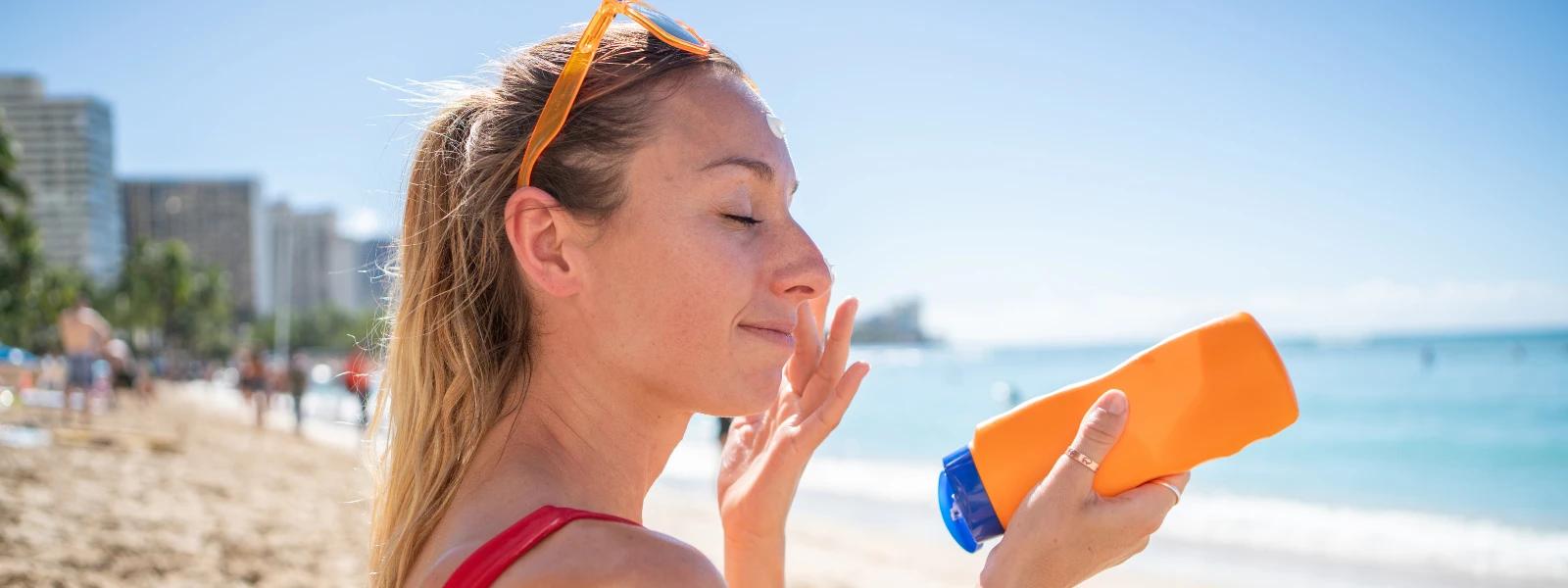

Picture this: you've spent months perfecting your skincare routine, finally achieving that even skin tone you've been working towards. Then summer arrives, and despite your best efforts, you notice those familiar patches of uneven pigmentation creeping back. If you've ever wondered why some people seem to glide through summer with flawless skin while others battle constant tanning, you're not alone. The truth is, preventing skin tanning isn't just about slapping on sunscreen—it's about understanding your skin's unique needs and building a comprehensive protection strategy that actually works.
When your skin encounters UV radiation, it triggers a complex defence mechanism that produces melanin—the pigment responsible for tanning. Whilst this process might seem like your skin's way of protecting itself, it's actually a sign that damage has already begun. Indian skin, with its naturally higher melanin content, tends to tan more readily than lighter skin types, making sun protection absolutely crucial for maintaining an even complexion.
The difference between a healthy glow and problematic hyperpigmentation often comes down to timing and intensity of exposure. What starts as a subtle tan can quickly develop into stubborn dark patches, particularly around the forehead, cheeks, and upper lip—areas that receive the most direct sunlight during daily activities.
Real talk: treating existing sun damage can take months or even years, whilst prevention requires just a few minutes of daily attention. The cost difference is staggering too—a good sunscreen might set you back ₹800-1,500, whilst professional treatments for uneven skin tone can easily cost ₹15,000-50,000 or more.
Building an effective sun protection routine starts with understanding that no single product can do everything. Your skin needs multiple layers of defence, each serving a specific purpose in preventing UV damage and maintaining your natural skin tone.
Not all sunscreens are created equal, and the difference between adequate and excellent protection often lies in the details. Look for broad-spectrum formulas with SPF 30 or higher—this blocks approximately 97% of UVB rays, which are primarily responsible for tanning and burning.
Chemical sunscreens containing avobenzone or octinoxate work by absorbing UV rays, whilst physical sunscreens with zinc oxide or titanium dioxide create a protective barrier on your skin's surface. For daily wear, chemical formulas tend to feel lighter and blend more seamlessly, making them ideal for preventing skin tanning on your face without the dreaded white cast.
Sunscreen alone isn't enough when you're spending extended time outdoors. UV-protective clothing with an Ultraviolet Protection Factor (UPF) of 30+ can block up to 97% of harmful rays. Dark colours and tightly woven fabrics generally offer better protection than light, loose weaves.
Wide-brimmed hats are particularly effective for protecting your face, neck, and ears—areas where hyperpigmentation tends to develop most noticeably. A hat with at least a 10cm brim can reduce facial UV exposure by up to 70%.
Understanding UV patterns can dramatically improve your sun protection strategy without completely disrupting your lifestyle. UV radiation peaks between 10 AM and 4 PM, with the strongest intensity occurring around noon. During these hours, UV levels can be up to 10 times higher than early morning or late afternoon.
The UV index, available through most weather apps, provides daily guidance on expected radiation levels. When the index reaches 6 or higher, extra precautions become essential for preventing skin tanning. This might mean scheduling your morning jog for 7 AM instead of 11 AM, or planning that outdoor lunch meeting for a shaded restaurant terrace.
Weather conditions can be deceiving—cloudy days still allow up to 80% of UV rays to reach your skin, whilst sand, water, and concrete can reflect additional radiation onto your face and body. Even indoor environments aren't completely safe, as windows block UVB rays but allow most UVA radiation through, contributing to gradual sun damage over time.
Certain environments and activities require upgraded protection strategies to effectively prevent tanning and maintain your skin's natural tone. Beach days, pool parties, and outdoor sports present unique challenges that standard daily protection might not adequately address.
Water and sand create a double reflection effect, potentially doubling your UV exposure compared to typical outdoor activities. Water-resistant sunscreens maintain their SPF for 40-80 minutes during swimming or sweating, but reapplication remains crucial for continuous protection.
Apply sunscreen 15-30 minutes before sun exposure to allow proper absorption, and don't forget often-missed areas like your ears, feet, and the back of your neck. These spots are particularly prone to burning and subsequent hyperpigmentation.
City living presents its own UV challenges, from glass building reflections to extended commuting exposure. Car windows typically block UVB rays but allow UVA radiation through, making daily commutes a significant source of cumulative sun damage.
Consider UV-blocking window films for your car and home, particularly if you spend long hours near windows. These transparent films can block up to 99% of harmful rays whilst maintaining visibility and natural light.
Whilst topical protection remains your primary defence, supporting your skin from within can enhance its natural resistance to UV damage and improve your overall sun protection strategy.
Certain foods contain compounds that may boost your skin's natural defence mechanisms. Lycopene from tomatoes, beta-carotene from carrots and sweet potatoes, and polyphenols from green tea have all shown potential in supporting skin health during sun exposure.
Staying properly hydrated helps maintain your skin's barrier function, making it more resilient against environmental stressors. Aim for at least 8-10 glasses of water daily, increasing this amount during hot weather or physical activity.
Several kitchen ingredients can support your preventing skin tanning efforts when used as pre-sun treatments. A paste made from gram flour, yogurt, and a pinch of turmeric can help prepare your skin for sun exposure whilst providing gentle exfoliation.
Aloe vera gel applied 30 minutes before heading outdoors may provide additional soothing and protective benefits, though it should never replace proper sunscreen application.
Even with the best prevention strategies, some UV exposure is inevitable during summer months. How you care for your skin immediately after sun exposure can significantly impact whether that exposure develops into noticeable tanning or uneven skin tone.
Cool your skin within the first few hours after sun exposure using cool (not ice-cold) water or aloe vera gel stored in the refrigerator. This helps reduce inflammation and may minimise the tanning response.
Apply a hydrating moisturiser whilst your skin is still slightly damp to lock in moisture and support barrier repair. Look for formulas containing hyaluronic acid or ceramides to boost hydration levels effectively.
Gentle exfoliation using oatmeal or rice flour mixed with milk can help remove dead skin cells and prevent the formation of uneven pigmentation. Use these treatments 2-3 times weekly, avoiding harsh scrubbing that might irritate sun-exposed skin.
A mask made from yogurt, honey, and a small amount of lemon juice can provide gentle skin brightening effects whilst delivering moisture and nutrients to stressed skin. Apply for 15-20 minutes before rinsing with cool water.
Despite following all the right steps, some people still experience tanning and hyperpigmentation during summer months. Often, the issue lies not in the products chosen but in how they're applied and maintained throughout the day.
Insufficient sunscreen application is the most common mistake—most people apply only 25-50% of the recommended amount. You need approximately 1/4 teaspoon for your face and neck alone, which might seem like a lot but is essential for achieving the stated SPF protection.
Timing matters too. Applying sunscreen just before stepping outside doesn't provide optimal protection. Chemical sunscreens need 15-30 minutes to bind properly with your skin, whilst physical formulas work immediately but benefit from even application time.
Product layering can also affect effectiveness. If you're using multiple skincare products, allow each layer to absorb before applying the next. Sunscreen should always be your final step before makeup, and reapplication becomes crucial every 2-3 hours for continued protection.
Preventing skin tanning requires a multi-layered approach combining broad-spectrum SPF 30+ sunscreen, physical protection like hats and clothing, and strategic timing to avoid peak UV hours. Apply sunscreen generously 15-30 minutes before sun exposure and reapply every 2-3 hours. Seek shade when possible and wear UV-protective clothing for extended outdoor activities.
Whilst high-quality sunscreen significantly reduces tanning, no product provides 100% protection. SPF 30 blocks approximately 97% of UVB rays, whilst SPF 50 blocks about 98%. The remaining UV exposure, combined with factors like application amount and reapplication frequency, means some minimal tanning may still occur with prolonged sun exposure.
Natural remedies can support but not replace proper sun protection. Pre-sun treatments using gram flour, yogurt, and turmeric may help prepare skin for exposure. Post-sun care with aloe vera, cucumber, or oatmeal can soothe skin and potentially minimise tanning development. However, these should complement, not substitute, proven sun protection methods.
Prevention effects are immediate—proper sunscreen application provides protection within 15-30 minutes. However, if you're trying to prevent further darkening of existing tan or hyperpigmentation, you may notice stabilisation within 2-4 weeks of consistent protection. Complete fading of existing tan typically takes 4-6 weeks as your skin naturally renews itself.
Common reasons include insufficient application (using less than 1/4 teaspoon for face and neck), infrequent reapplication, using expired products, or choosing inadequate SPF levels. Water activities, sweating, and towel drying can also remove sunscreen. Additionally, some UV exposure occurs even with perfect application, particularly during extended outdoor activities.
Preventing skin tanning isn't about avoiding the sun entirely—it's about building smart, sustainable habits that protect your skin whilst allowing you to enjoy summer activities. The key lies in consistency rather than perfection, and small daily actions that compound over time to maintain your natural skin tone.
Remember that your skin's needs may change throughout the summer months, and what works during monsoon season might need adjustment during peak summer heat. Pay attention to how your skin responds and adjust your protection strategy accordingly.
For those exploring new sun protection products, platforms like Smytten Shop offer the opportunity to try premium sunscreens and after-sun care products before committing to full sizes. With over 28 million users discovering products through samples and enjoying cashback on purchases, it's worth exploring curated options that might better suit your specific skin needs and lifestyle requirements.
Your skin will thank you for the extra attention, and you'll feel more confident knowing you're taking proactive steps to maintain healthy, even-toned skin throughout the summer months and beyond.
