Targeted Actives for Acne Scars FAQ: Your Questions Answered


Target & Fade Duo for Hyperpigmentation | Even-Tone Underarms, Inner Thighs & Bum | Refines Skin Texture | For All Skin Types
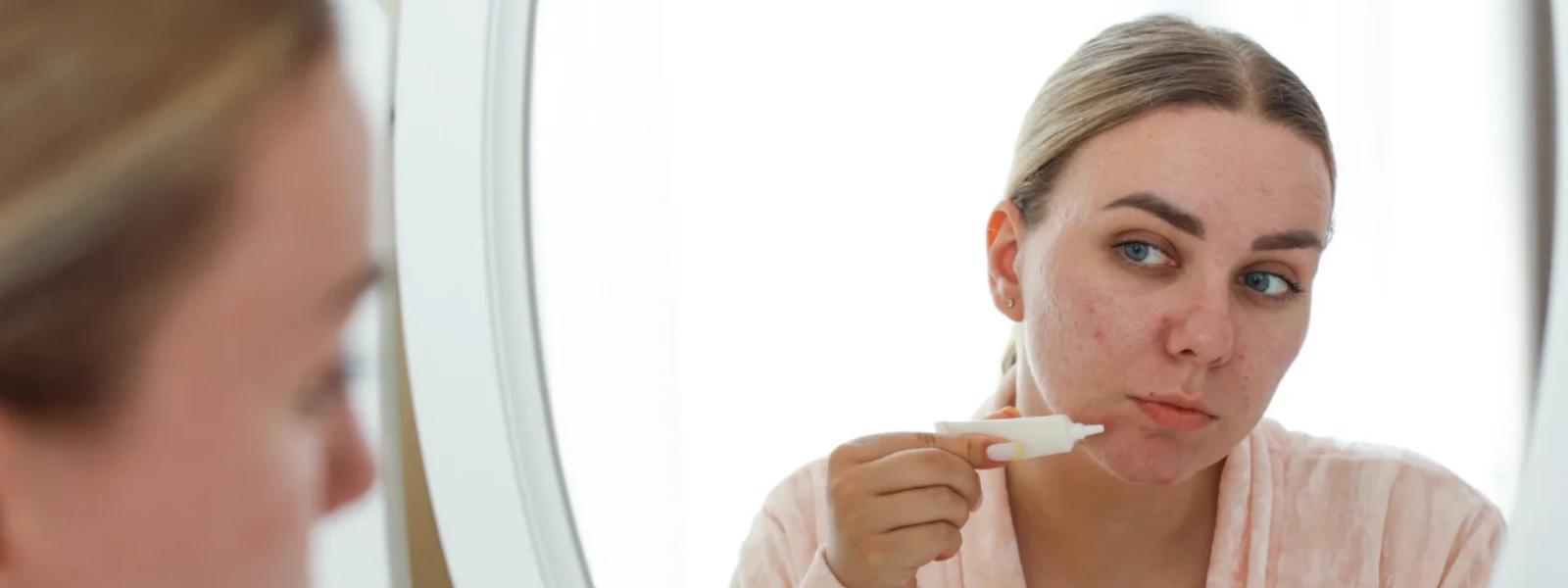
You've been diligently treating your acne, and finally, those stubborn breakouts are under control. But now you're left staring at the mirror, wondering why those dark spots and textured patches refuse to budge. If you're dealing with the aftermath of acne—those persistent marks that seem to have taken permanent residence on your skin—you're not alone. Post-acne scarring affects nearly 95% of people who've experienced moderate to severe acne, and finding the right targeted actives for acne scars can feel overwhelming. The good news? With the right ingredients and approach, these marks don't have to be permanent fixtures on your face.
Unlike your regular moisturiser or cleanser, targeted actives for acne scars are potent ingredients specifically formulated to address the complex nature of scar tissue. These aren't your everyday skincare ingredients—they're scientifically-backed compounds that work at a cellular level to encourage skin renewal, boost collagen production, and fade discolouration.
The reason acne scars require this specialised approach lies in how they form. When your skin experiences inflammation from acne, it either produces too much collagen (creating raised scars) or too little (resulting in depressed scars). Post-acne marks and hyperpigmentation occur when melanin production goes into overdrive during the healing process. Regular skincare products simply aren't equipped to tackle these deep-seated changes in your skin's structure.
What makes targeted actives different is their ability to penetrate deeper layers of skin and trigger specific cellular responses. They work by accelerating cell turnover, stimulating collagen synthesis, and inhibiting excess melanin production. This multi-pronged approach is why dermatologists consistently recommend active ingredients over passive skincare for scar reduction.
When it comes to acne scar removal, certain ingredients have proven track records backed by clinical research. Understanding what each active does—and how to use it safely—is crucial for achieving the results you're after.
Retinoids are considered the most effective topical scar treatments available. Whether you opt for over-the-counter retinol or prescription tretinoin, these vitamin A derivatives work by dramatically increasing cell turnover and stimulating collagen production. They're particularly effective for textured scars and can significantly improve skin smoothness over time. Start with a low concentration (0.25% retinol) and gradually increase to avoid irritation.
Glycolic acid and lactic acid are powerhouses for skin resurfacing. These water-soluble acids work by dissolving the bonds between dead skin cells, revealing fresher skin underneath. Glycolic acid, with its smallest molecular size, penetrates deepest and is excellent for atrophic scars. Lactic acid is gentler and better suited for sensitive skin whilst still providing effective exfoliation.
For skin discolouration and dark spots, vitamin C is unmatched. L-ascorbic acid is the most potent form, though magnesium ascorbyl phosphate offers better stability for sensitive skin. Vitamin C not only fades existing marks but also prevents new ones by neutralising free radicals that contribute to post-inflammatory hyperpigmentation.

Mineral Sunscreen SPF 50 | Matte Finish | No White Cast | Non-Nano Zinc Oxide | Cica | Pregnancy Safe | All Skin Types | 50ml
Niacinamide is brilliant for those dealing with both active breakouts and scarring. This form of vitamin B3 reduces inflammation, regulates oil production, and helps fade dark spots without the irritation potential of stronger actives. It's particularly effective for post-inflammatory erythema (red marks) that often accompany acne scarring.
Not all acne scars are created equal, and your facial scar repair strategy should reflect the specific type of scarring you're dealing with. Understanding your scar type helps you choose the most effective actives and set realistic expectations for improvement.
These deep, narrow scars require the most aggressive treatment. High-concentration retinoids (0.1% tretinoin) and professional-strength chemical peels are most effective. At-home options include 20% glycolic acid treatments, though results will be slower than professional interventions.
Rolling scars respond well to collagen-stimulating ingredients. Retinoids are your best bet here, combined with peptides and vitamin C. The goal is to plump the skin from within by encouraging new collagen formation.
These respond beautifully to resurfacing treatments. AHAs like glycolic and lactic acid can significantly improve their appearance over time. Combine with retinoids for enhanced results.
Dark spots respond to brightening actives like vitamin C, kojic acid, and arbutin. Azelaic acid is particularly effective for Indian skin tones as it targets melanin production without causing irritation.
Creating a routine with targeted actives for acne scars requires patience and strategy. The key is introducing ingredients gradually and understanding how they work together. Your skin needs time to adjust, and rushing the process often leads to irritation that can actually worsen scarring.
Start with one active ingredient and use it consistently for 4-6 weeks before adding another. This approach helps you identify which ingredients work best for your skin and minimises the risk of over-exfoliation. Always apply actives to clean, dry skin and follow with a moisturiser to maintain your skin barrier.

Salicylic Acid Face Cleanser | Deep Cleansing Formula for Breakouts | Unclogs Pores & Controls Oil | For Oily & Acne-Prone Skin | 100ml
Morning routines should focus on protection and brightening. Vitamin C serum followed by a broad-spectrum SPF of at least 30 is non-negotiable. Evening is when you'll use your stronger actives like retinoids or AHAs. Remember, many actives increase photosensitivity, making sun protection absolutely crucial for preventing new hyperpigmentation.
Never use retinoids and AHAs together initially—this combination can cause severe irritation. Instead, alternate nights or use AHAs in the morning and retinoids at night. Niacinamide plays well with most ingredients and can be used twice daily to support your skin barrier whilst other actives work.
Whilst beauty treatments for scars at home can be highly effective, some scarring requires professional intervention. Understanding when to seek dermatological help can save you time, money, and frustration.
At-home treatments excel for mild to moderate scarring, particularly post-inflammatory hyperpigmentation and shallow textural issues. They're also excellent for maintenance after professional treatments. However, deep ice pick scars, severe rolling scars, and raised keloid scars typically require professional procedures like chemical peels, microneedling, or laser therapy.
The advantage of starting with at-home actives is that they prepare your skin for professional treatments and help maintain results afterwards. Many dermatologists recommend a 3-6 month trial of topical actives before considering more aggressive interventions.
Consider professional consultation if you have deep, pitted scars that don't respond to 6 months of consistent active use, raised scars that are getting larger, or if you're experiencing severe irritation from topical treatments. A dermatologist can assess your scarring type and recommend the most effective treatment pathway.
The journey to clearer skin is often derailed by well-meaning mistakes. Over-exfoliation is the most common error—using too many actives too quickly can damage your skin barrier and actually worsen scarring. Signs of over-exfoliation include persistent redness, stinging, flaking, and increased sensitivity.
Another frequent mistake is inconsistent use. Scar reduction requires patience and consistency. Using a retinoid sporadically won't give you the results you're after. It's better to use a lower concentration consistently than a high concentration occasionally.
Skipping sun protection is perhaps the most counterproductive mistake. UV exposure not only worsens existing hyperpigmentation but can also cause new dark spots. Even on cloudy days or when staying indoors, UV rays can penetrate windows and undo your progress.

Hydrating Moisturizer | Non-Comedogenic | Boosts Collagen & Hydrates Deeply | Ceramides + Niacinamide | For Normal to Dry Skin | 50g
Retinoids are considered the gold standard for acne scar treatment due to their ability to stimulate collagen production and accelerate cell turnover. However, the most effective ingredient depends on your specific scar type. For textural scars, retinoids excel, whilst vitamin C and niacinamide are better for post-inflammatory hyperpigmentation.
Most people begin seeing improvements in skin discolouration within 6-8 weeks of consistent use. Textural improvements from retinoids typically become noticeable after 12-16 weeks. Deep scars may require 6-12 months of consistent treatment for significant improvement. Remember, skin renewal takes time, and patience is crucial for success.
While combining actives can be effective, it must be done carefully to avoid irritation. Start with one active and introduce others gradually. Safe combinations include vitamin C in the morning with retinoids at night, or niacinamide with most other actives. Avoid using retinoids and AHAs simultaneously until your skin is well-adjusted to both.
Some natural actives like azelaic acid (derived from grains) and lactic acid (from fermented sugars) are highly effective for scar reduction. However, synthetic actives often offer more consistent concentrations and stability. The key is choosing ingredients based on efficacy rather than origin—both natural and synthetic actives can deliver excellent results when used properly.
If you experience irritation, immediately reduce the frequency of active use or temporarily discontinue the product causing issues. Focus on gentle, hydrating products until your skin barrier recovers. Introduce actives more gradually when you resume treatment. Persistent irritation warrants a dermatologist consultation to rule out allergic reactions or other skin conditions.
Absolutely. Ingredients like salicylic acid and niacinamide can prevent new breakouts whilst retinoids and vitamin C help skin heal more effectively when breakouts do occur. The key is maintaining a consistent routine that addresses both active acne and existing scarring. Early intervention with appropriate actives significantly reduces the likelihood of permanent scarring.
Dealing with acne scars requires patience, consistency, and the right active ingredients for your specific concerns. Whether you're tackling dark spots, textural irregularities, or a combination of both, targeted actives offer proven solutions when used correctly. Remember that scar reduction is a gradual process—dramatic overnight changes aren't realistic, but significant improvement absolutely is.
The most successful approach combines understanding your scar type, choosing appropriate actives, introducing them gradually, and maintaining realistic expectations. Don't forget that sun protection is non-negotiable throughout your treatment journey, as UV exposure can undo months of progress in just a few unprotected days.
For those ready to explore targeted actives, platforms like Smytten Shop offer access to premium skincare brands with proven track records in scar treatment. With over 28 million users discovering effective products through samples and curated selections, you can try before committing to full-sized products. The cashback rewards make building an effective acne scar routine more affordable, allowing you to invest in the quality actives your skin deserves without the guesswork.
