Sunscreen for Indian Skin FAQ: Your Questions Answered


Tinted Sunscreen SPF 50 | Makeup-Friendly | No White Cast | Niacinamide + Titanium Dioxide | For Oily, Combination & Acne-Prone Skin | 40ml
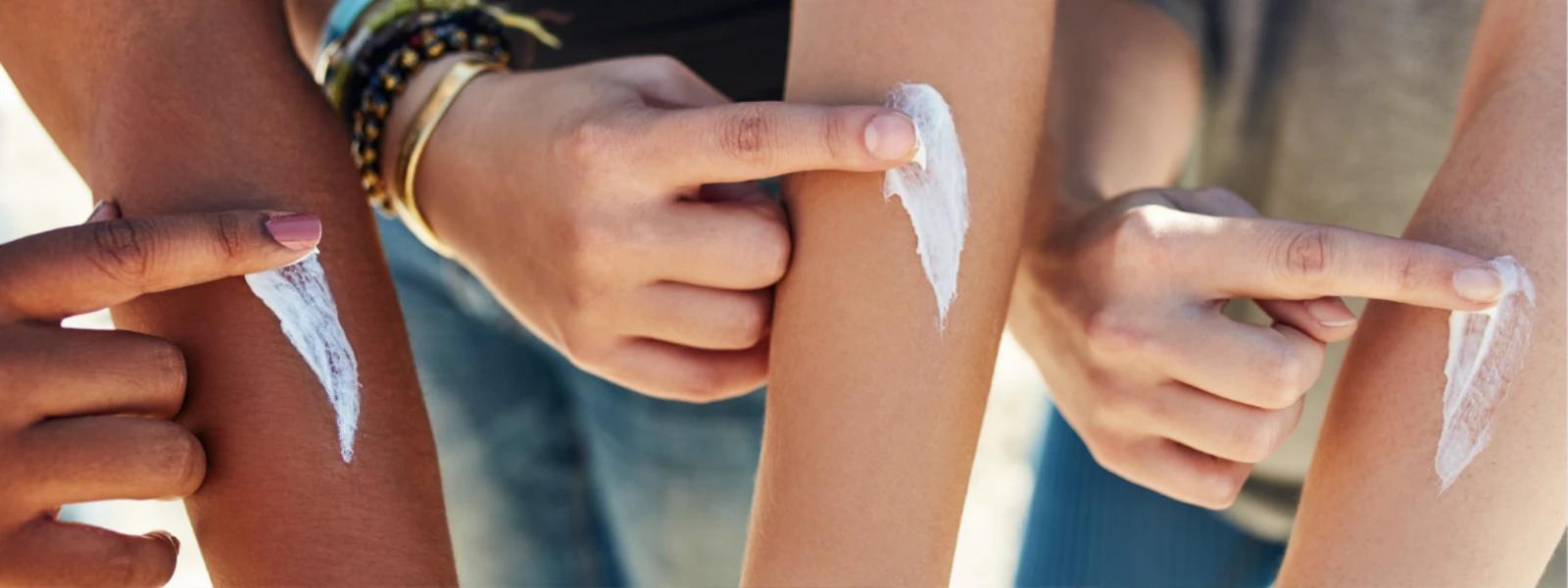
You've been diligently following your skincare routine, but there's one step that leaves you puzzled every single morning. Standing in front of your bathroom mirror with that tube of sunscreen, you wonder: does this formula actually work for my skin tone? Will it leave that dreaded white cast? And honestly, with India's intense sun and humidity, are you even using the right protection? If you've found yourself asking these questions, you're not alone. Let's dive into everything you need to know about choosing and using sunscreen for Indian skin.
Indian skin comes with its own unique characteristics that influence how we should approach sun protection. The higher melanin content in our skin does provide some natural protection against UV rays, but it's nowhere near enough to skip sunscreen entirely. Real talk: melanin offers roughly SPF 4 protection, which is minimal against India's intense UV index that often soars above 10.
Our skin tends to be more prone to hyperpigmentation and post-inflammatory marks, especially after acne or minor injuries. This means we need formulations that not only protect but also support our skin's natural healing process. Sunscreen for brown skin should ideally contain ingredients like niacinamide or vitamin C that help manage uneven skin tone whilst providing protection.
Whilst melanin does absorb some UV radiation, it's not a substitute for proper sun protection. In fact, sunscreen for dark skin is crucial because our skin can still experience DNA damage, premature ageing, and skin cancer. The myth that darker skin doesn't need protection has led to many people discovering sun damage later in life.
India's tropical climate presents unique challenges. High humidity can make heavy sunscreens feel suffocating, whilst intense heat can cause products to slide off. This is why non comedogenic sunscreen options that won't clog pores become essential, especially during summer months when your skin is already working overtime to stay cool.
Not all sunscreens are created equal, and what works for your friend might not suit your skin type. Understanding your specific needs helps narrow down the overwhelming options available in the market.

SPF 50 Sunscreen for Pigmentation | Lightweight, Non-Greasy, No White Cast | Fades Dark Spot & Acne Marks | For All Skin Types | 50g
Sunscreen for oily skin should feel lightweight and absorb quickly without leaving a greasy residue. Gel-based formulations work brilliantly because they provide protection whilst helping control excess oil. Look for ingredients like zinc oxide in matte formulations, which can actually help absorb excess sebum throughout the day.
If your skin reacts to fragrances or certain chemicals, mineral sunscreen might be your best friend. These contain zinc oxide or titanium dioxide that sit on top of your skin rather than being absorbed. They're gentler and less likely to cause irritation, making them perfect for sunscreen for sensitive skin needs.
Combination skin requires a delicate balance. You need protection that won't make your T-zone oilier whilst still providing enough moisture for drier areas. Non comedogenic sunscreen formulations ensure your pores stay clear whilst giving comprehensive protection.
Understanding SPF ratings and protection standards helps you make informed choices about your sun protection. In India's climate, these numbers become even more crucial for maintaining healthy skin.
Given India's high UV index, especially between 10 AM and 4 PM, sunscreen with high SPF isn't just recommended—it's necessary. SPF 50+ blocks about 98% of UVB rays, which is significant when you're dealing with intense tropical sun. The difference between SPF 30 and SPF 50 might seem small, but that extra protection matters during peak sun hours.
SPF only measures UVB protection, but UVA rays cause premature ageing and can penetrate deeper into your skin. Look for PA++++ ratings, which indicate the highest level of UVA protection available. This is particularly important for preventing the kind of deep pigmentation that's common in Indian skin.

Anti-Pigmentation Set | Brightening & Pigmentation Reduction Kit | Cleanser, Serum, Moisturizer & Sunscreen | Complete Skin Care Routine
Daily sunscreen use should feel effortless, not like a chore. Apply it as the last step of your morning skincare routine, about 15 minutes before heading out. If you're using other active ingredients like retinol or AHAs in your routine, sunscreen becomes absolutely non-negotiable.
Even the best sunscreen won't work if you're not applying it correctly. Proper application technique can make the difference between adequate protection and optimal protection.
Use about a teaspoon of sunscreen for your face and neck. Apply it in upward strokes, making sure to cover often-missed spots like your ears, the area around your eyes, and your hairline. Don't forget your lips—use an SPF lip balm for complete protection.
In India's heat and humidity, reapplication every 2-3 hours becomes crucial. If you're wearing makeup, try powder sunscreens or setting sprays with SPF for touch-ups. For days when you're mostly indoors, reapplying once around lunchtime is usually sufficient.
Look for gel-based or matte-finish sunscreens with zinc oxide or titanium dioxide. These provide excellent protection whilst helping control oil production. Avoid heavy, cream-based formulations that might feel too rich in humid weather.
Absolutely. Whilst sunscreen for dark skin needs might differ slightly, protection against UV damage, premature ageing, and skin cancer is essential for all skin tones. The key is finding formulations that don't leave a white cast.

Fluid SPF 50 Sunscreen for Oily Skin | No White Cast | Matte, Ultra-Light & Non-Greasy | Niacinamide + Vitamin C | 50ml
Choose sunscreen for brown skin that's specifically formulated to blend well with deeper skin tones. Mineral sunscreens with micronised particles or chemical sunscreens often work better. Always blend thoroughly and allow proper absorption time.
You might want to adjust your formulation seasonally. During monsoons, water-resistant formulas work better, whilst summer might call for lighter, more mattifying options. However, maintaining daily sunscreen use throughout the year is essential.
Mineral sunscreen sits on top of your skin and reflects UV rays, making it gentler for sensitive skin. Chemical sunscreens absorb into your skin and convert UV rays to heat. Both can work well for Indian skin when chosen correctly.
Effective sun protection doesn't have to break the bank. Focus on finding a formula you'll actually use daily rather than the most expensive option. Consistency matters more than price point when it comes to sun protection.
Whilst sunscreen won't reverse existing pigmentation, it's crucial for preventing further darkening. Some sunscreens contain ingredients like niacinamide that may help with overall skin tone, but you'll need dedicated treatments for existing marks.
For daily indoor activities, SPF 30 can be sufficient. However, for outdoor activities or extended sun exposure, sunscreen with high SPF (50+) provides better protection against India's intense UV rays.
Finding the right sunscreen for Indian skin doesn't have to feel overwhelming. Start by understanding your skin type and specific concerns, then look for formulations that address those needs whilst providing adequate protection. Remember, the best sunscreen is the one you'll use consistently every single day.
Your skin will notice the difference when you find that perfect formula—one that feels comfortable, doesn't interfere with your makeup, and gives you confidence to face the day. Whether you're dealing with oily skin, sensitivity, or concerns about white cast, there's a solution out there that works for you. On platforms like Smytten Shop, you can explore curated selections from trusted brands, often with the added benefit of trying samples before committing to full sizes. With over 28 million users discovering their perfect products, you're in good company on this skincare journey.
