Sunscreen Application for Gen Z FAQ: Your Questions Answered


SPF 50 Sunscreen for Pigmentation | Lightweight, Non-Greasy, No White Cast | Fades Dark Spot & Acne Marks | For All Skin Types | 50g
You've probably seen the TikToks about SPF 50 being non-negotiable, but here's the thing—knowing you need sunscreen and actually applying it properly are two very different skills. If you're part of Gen Z scrolling through endless skincare content yet still getting that post-beach regret or noticing those stubborn dark spots from last summer's breakouts, you're not alone. The reality is that most of us think we're nailing our sun protection, but the application game needs some serious work. Let's sort through the noise and get you the real answers about making sunscreen work for your skin, your routine, and your budget.
Real talk: studies show that 77% of Gen Z believes they use daily sunscreen, but dermatologists tell a different story. The disconnect isn't about laziness—it's about misinformation and some pretty understandable confusion. Many of us grew up thinking that foundation with SPF 15 counted as proper protection, or that we only needed sunscreen for beach days and holidays.
The truth is, your skin starts showing signs of sun damage in your twenties, even if you can't see it yet. Those cute freckles might seem harmless now, but hyperpigmentation from UV exposure can become much more noticeable as you age. Plus, if you're dealing with hormonal acne or post-inflammatory marks, sun exposure can make those dark spots linger for months longer than they need to.
Social media has definitely raised awareness about skincare ingredients like niacinamide and retinol, but somehow the basics—like proper SPF application—still get overlooked. The good news? Once you nail the technique, it becomes as automatic as brushing your teeth.
Getting your sunscreen application right isn't rocket science, but there are definitely some non-negotiable rules that make all the difference. The most common mistake? Using way too little product. That expensive SPF 50 isn't going to protect you if you're only using half the recommended amount.
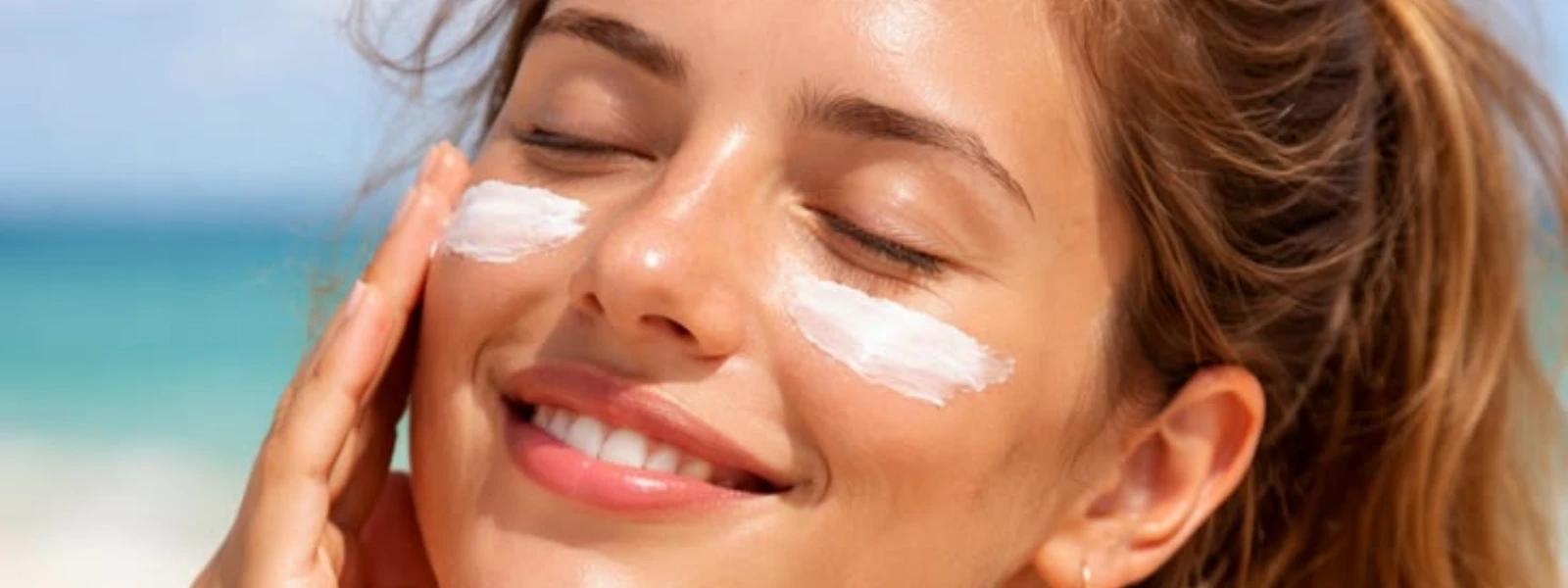
Start with the one-teaspoon rule—you need about a teaspoon of sunscreen for your face and neck combined. That might seem like loads, but it's what you need for proper coverage. Apply it as the last step in your morning skincare routine, after your moisturiser but before makeup.
Give your sunscreen 15-20 minutes to properly absorb before you head out or apply makeup over it. This waiting time isn't just a suggestion—it's when the protective film actually forms on your skin. If you're rushing out the door and slapping on foundation immediately, you're essentially wiping off half your protection.
Beyond using too little product, most people miss key areas that get the most sun exposure. Your ears, the back of your neck, your hairline, and your lips all need protection too. If you're wearing your hair up or have a side parting, those exposed areas are getting direct UV hits all day.
Reapplication is another major gap. Even the best sunscreen needs topping up every two hours, especially if you're sweating, touching your face, or spending time outdoors. Yes, this includes days when you're mostly indoors but near windows—UV rays don't take coffee breaks.

Tinted Sunscreen SPF 50 | Makeup-Friendly | No White Cast | Niacinamide + Titanium Dioxide | For Oily, Combination & Acne-Prone Skin | 40ml
Not all sunscreens are created equal, and your skin type definitely matters when choosing the right formula. If you're dealing with specific concerns like breakouts or sensitivity, the wrong sunscreen can actually make things worse rather than better.
If you're prone to breakouts, look for non-comedogenic formulas that won't clog your pores. Zinc oxide is particularly brilliant for acne-prone skin because it's anti-inflammatory as well as protective. It can actually help calm existing breakouts while preventing new ones from forming.
Oil-free formulas are your friend, but don't assume that means they'll leave your skin feeling tight or dry. Many modern sunscreens for acne-prone skin include hydrating ingredients like hyaluronic acid or ceramides to keep your skin balanced.
For sensitive skin, mineral sunscreens (containing zinc oxide or titanium dioxide) tend to be gentler than chemical formulas. They sit on top of your skin rather than absorbing into it, which means less chance of irritation. Look for fragrance-free options and avoid sunscreens with alcohol high up in the ingredients list.
If you've had reactions to sunscreen before, patch test new products on your inner arm for a few days before applying to your face. It's worth the extra step to avoid a full-face reaction.
You don't need to spend a fortune on effective sun protection. Many affordable sunscreen options offer excellent broad-spectrum protection. Look for products that combine moisturiser and SPF if you're trying to streamline your routine and budget.
Drugstore brands often have dermatologist-tested formulas that perform just as well as premium options. The key is finding one you'll actually use consistently—the best sunscreen is the one you apply every single day.
Making daily sunscreen a habit means integrating it seamlessly into your existing routine. The order matters: cleanse, treat (serums like niacinamide or vitamin C), moisturise, then sunscreen. If you're using active ingredients like AHAs or retinol, SPF becomes even more crucial since these can increase sun sensitivity.

Fluid SPF 50 Sunscreen for Oily Skin | No White Cast | Matte, Ultra-Light & Non-Greasy | Niacinamide + Vitamin C | 50ml
In the evening, make sure you're properly removing your sunscreen along with any makeup. A gentle cleanser should do the job, but if you've used a water-resistant formula or layered makeup on top, you might need a double cleanse to get everything off.
Seasonal adjustments matter too. Summer might mean switching to a higher SPF or more water-resistant formula, while winter could call for a more moisturising sunscreen to combat heating-induced dryness.
Once you've mastered the basics, there are some clever tricks that make sunscreen application even more effective. For makeup wearers, try using a damp beauty sponge to gently press powder sunscreen over your makeup for midday reapplication without disturbing your look.
If you're constantly on the go, consider keeping stick sunscreens in your bag for easy touch-ups on exposed areas like your hands and face. They're less messy than cream formulas and perfect for quick application.
For those gym sessions or outdoor activities, apply your sunscreen 30 minutes before you start sweating. This gives it maximum time to bond with your skin before you put it to the test.
While 77% of Gen Z reports using daily sunscreen, dermatologists note that many young people either use insufficient amounts or rely on makeup with SPF rather than dedicated sunscreen products. The intention is there, but the execution often needs improvement.
You need approximately one teaspoon of sunscreen for your face and neck combined. This might seem like a lot, but it's the amount required for the SPF rating on the bottle to be effective. Using less means you're getting significantly reduced protection.
The biggest mistakes include using too little product, skipping reapplication every two hours, missing areas like ears and hairline, and applying makeup immediately without letting sunscreen absorb first. Many also rely solely on makeup with SPF rather than using dedicated sunscreen.

Sunscreen Spray for Body | SPF 50+ PA+++ | Sweat & Water-Resistant | Broad Spectrum UVA/UVB Protection | Clear Matte Formula | Aloe Vera | 100ml
Always apply sunscreen after your moisturiser but before makeup. This ensures your skin is properly hydrated and the sunscreen can form an effective protective barrier. Wait about 15 minutes between application and makeup for best results.
Choose non-comedogenic, oil-free formulas designed for your skin type. Mineral sunscreens with zinc oxide are often better for acne-prone skin. Make sure you're removing sunscreen thoroughly each evening with a gentle cleanser to prevent pore-clogging buildup.
Makeup with SPF typically provides much lower protection than dedicated sunscreen because people don't apply enough foundation to reach the stated SPF level. Dedicated sunscreen is formulated specifically for UV protection and should be your primary defence against sun damage.
Reapply every two hours when you're outdoors, or immediately after swimming, sweating heavily, or towelling off. If you're mostly indoors, reapplication once during the day is usually sufficient, but more frequent application is needed for extended outdoor activities.
While you can use the same product, facial sunscreens are typically formulated to be lighter and less likely to cause breakouts. Body sunscreens might be too heavy for facial skin, especially if you're prone to congestion or have sensitive skin.
Getting your sunscreen application right is honestly one of the best investments you can make in your skin's future. It's not about perfection—it's about building a sustainable routine that actually works for your lifestyle and skin type. Whether you're dealing with breakouts, sensitivity, or just trying to prevent future damage, the right approach to sun protection makes all the difference.
Remember, the best sunscreen for young skin is the one you'll use consistently. Don't get caught up in endless product research—find something that feels good on your skin, fits your budget, and becomes as automatic as your morning coffee. Your future self will definitely thank you for the effort you put in now.
If you're ready to explore different sunscreen options, platforms like Smytten Shop offer curated selections from trusted brands, making it easier to find products that work for your specific needs. With access to samples and reviews from over 28 million users, you can make informed choices without the guesswork. The key is starting today, not waiting for the perfect product or routine.
