Sun Safety Clothing FAQ: Your Questions Answered
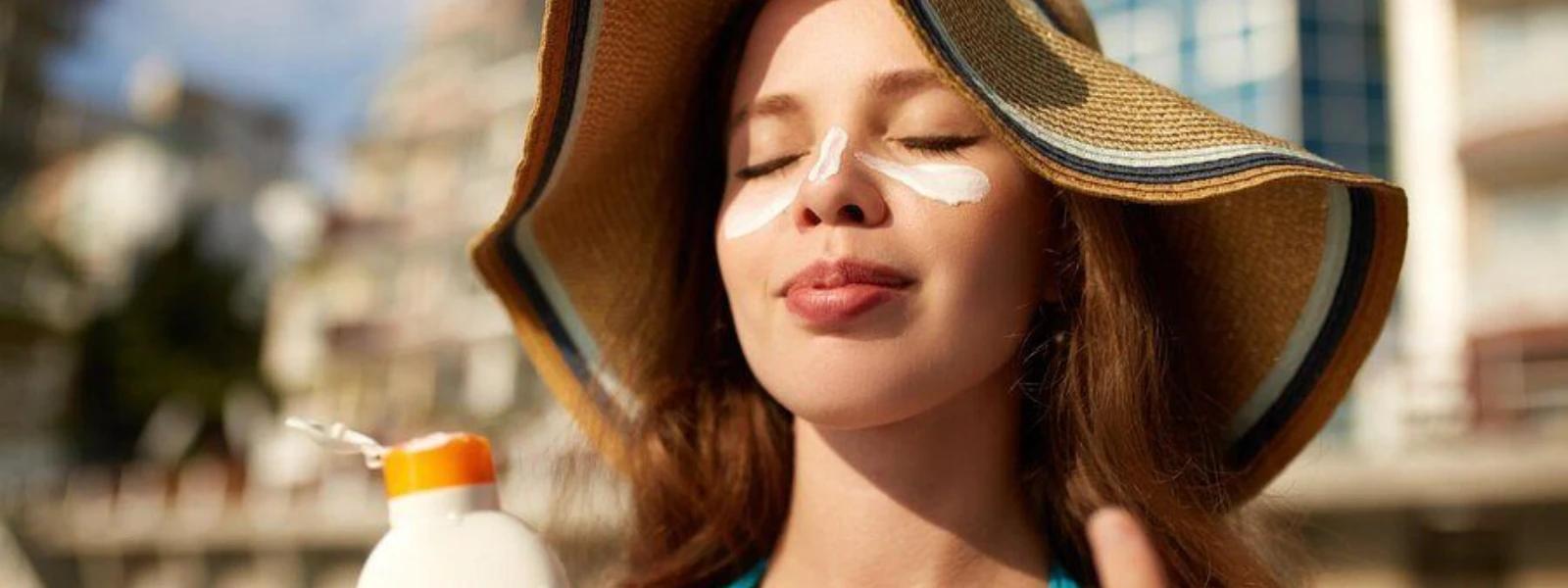


Sunscreen Spray for Body | SPF 50+ PA+++ | Sweat & Water-Resistant | Broad Spectrum UVA/UVB Protection | Clear Matte Formula | Aloe Vera | 100ml
Picture this: you're planning a weekend getaway to Goa, scrolling through your wardrobe wondering what to pack. Your usual cotton tees and shorts seem perfect for the beach, but then you remember last year's holiday aftermath—those stubborn tan lines and that uncomfortable sunburn that lasted weeks. If you've ever found yourself questioning whether your regular clothes offer enough protection from harsh UV rays, you're not alone. Many of us assume any fabric will do, but the reality is quite different when it comes to proper sun protection.
Sun safety clothing goes far beyond your typical summer wardrobe. Unlike regular clothing that may offer minimal UV protection, UV protective clothing is specifically designed and tested to block harmful ultraviolet radiation from reaching your skin. Think of it as wearable sunscreen that doesn't need reapplication every few hours.
The science behind this protection lies in the fabric's construction and treatment. Sun protective apparel uses tightly woven materials, special UV-absorbing chemicals, or synthetic fibres that naturally block radiation. Regular cotton, for instance, might have a UPF rating of just 5-10, whilst purpose-built protective clothing can achieve UPF 50+ ratings.
Here's why this matters for your skin: UV radiation causes immediate damage like sunburn and long-term concerns including premature ageing and increased skin cancer risk. In India, where UV levels remain high throughout the year, protecting your skin becomes even more crucial. Sunblock clothing offers consistent, reliable protection that doesn't wash off with sweat or require frequent reapplication like traditional sunscreen.
You've probably heard of SPF in sunscreens, but UPF clothing uses a different measurement system. UPF stands for Ultraviolet Protection Factor, and whilst SPF only measures protection against UVB rays, UPF accounts for both UVA and UVB radiation.
The UPF rating system works like this: UPF 15 blocks approximately 93% of UV rays, UPF 30 blocks about 97%, and UPF 50+ blocks over 98% of harmful radiation. To put this in perspective, if you'd normally burn in 10 minutes, UPF 50 clothing would theoretically allow you 500 minutes of safe sun exposure.
When shopping for sunblock clothing, look for labels from recognised testing standards. The Skin Cancer Foundation's Seal of Recommendation or ARPANSA certification ensures the garment has been properly tested. Remember, these ratings can diminish over time with washing and wear, so proper care is essential to maintain protection levels.
The beauty of modern sunwear lies in its versatility. Whether you're hitting the beach, trekking through mountains, or simply commuting to work, there's protective clothing designed for your lifestyle.

Tinted Sunscreen SPF 50 | Makeup-Friendly | No White Cast | Niacinamide + Titanium Dioxide | For Oily, Combination & Acne-Prone Skin | 40ml
Rash guards have evolved from surfing essentials to mainstream sun protection swimwear. These close-fitting tops provide excellent coverage for your torso whilst remaining comfortable in water. Many feature flatlock seams to prevent chafing and quick-dry technology for post-swim comfort.
Outdoor clothing designed for hiking, cycling, or gardening often incorporates UV protection alongside moisture-wicking and breathability features. Long-sleeved shirts with roll-up sleeves, convertible trousers, and wide-brimmed hats offer adaptable protection for changing conditions.
Modern summer clothing doesn't require sacrificing style for protection. Lightweight cardigans, flowing maxi dresses, and breathable long-sleeved tops can seamlessly integrate into your daily wardrobe whilst offering superior UV protection compared to traditional fabrics.
Not all fabrics are created equal when it comes to UV protection. Understanding which materials offer the best defence helps you make informed choices, whether you're buying dedicated UV protective clothing or evaluating pieces already in your wardrobe.
Synthetic fibres like polyester and nylon generally provide better protection than natural fibres. Polyester, in particular, has molecular structures that naturally absorb UV radiation. However, tightly woven cotton can also offer decent protection, especially in darker colours.
Fabric treatments play a crucial role in enhancing protection. Some manufacturers apply UV-absorbing chemicals during production, whilst others use ceramic particles or zinc oxide treatments. These treatments can gradually wash out, which is why following care instructions is vital for maintaining your clothing with SPF properties.
Colour matters more than you might think. Darker colours absorb more UV radiation, preventing it from reaching your skin. Bright reds, deep blues, and black offer superior protection compared to whites, yellows, or pastels. However, dark colours can feel warmer in hot climates, so look for light-coloured fabrics specifically treated for UV protection.

Fluid SPF 50 Sunscreen for Oily Skin | No White Cast | Matte, Ultra-Light & Non-Greasy | Niacinamide + Vitamin C | 50ml
Effective sun protection extends beyond just wearing sun protective apparel. The '5 S's' approach provides comprehensive coverage for outdoor activities and daily life.
Slip on protective clothing that covers as much skin as possible. Long sleeves, full-length trousers, and high necklines provide the best coverage. Slop on broad-spectrum sunscreen to areas not covered by clothing—face, hands, and feet typically need additional protection. Slap on a wide-brimmed hat that shades your face, neck, and ears. Seek shade during peak UV hours, typically between 10 AM and 4 PM. Finally, slide on wraparound sunglasses to protect the delicate skin around your eyes.
This multi-layered approach ensures you're protected from multiple angles, literally and figuratively. Your sunwear becomes part of a comprehensive strategy rather than a standalone solution.
When selecting sun safety clothing, fit plays a crucial role in effectiveness. Loose-fitting garments generally provide better protection than tight clothing, as stretched fabric can reduce UV blocking capabilities. However, ensure the fit isn't so loose that gaps expose skin to direct sunlight.
Look for additional features that enhance protection: longer sleeves that extend past your wrists, higher necklines, and thumb holes that keep sleeves in place during activity. Flatlock or seamless construction prevents chafing during extended wear, whilst moisture-wicking properties keep you comfortable in hot, humid conditions.
Proper care maintains your clothing's protective properties. Wash in cool water with mild detergent, avoid fabric softeners that can break down UV-blocking treatments, and air dry when possible. High heat from dryers can damage protective fibres and reduce UPF ratings over time.
The best sun protection clothing combines high UPF ratings (30 or higher), full coverage design, and appropriate fabric choices. Look for tightly woven synthetic materials in darker colours, with features like long sleeves, high necklines, and extended coverage areas. Purpose-built UV protective clothing offers superior protection compared to regular garments.

SPF 50 Sunscreen for Pigmentation | Lightweight, Non-Greasy, No White Cast | Fades Dark Spot & Acne Marks | For All Skin Types | 50g
Yes, UV sleeves are highly effective when properly designed and worn. Quality UV sleeves typically offer UPF 50+ protection and cover areas often missed by regular clothing. They're particularly useful for activities like driving, cycling, or outdoor sports where full long-sleeved garments might be impractical.
The 5 S's are: Slip on protective clothing, Slop on sunscreen, Slap on a hat, Seek shade during peak hours, and Slide on sunglasses. This comprehensive approach ensures protection from multiple angles and addresses all exposed areas of your body.
UPF protection can last several years with proper care, but effectiveness may diminish over time. Factors affecting longevity include washing frequency, detergent type, sun exposure, and fabric quality. Replace UV protective clothing when fabric becomes thin, stretched, or shows signs of significant wear.
Some regular clothing offers moderate protection, but it's often insufficient for extended sun exposure. Tightly woven dark fabrics provide better protection than loose, light-coloured materials. However, purpose-built UV protective clothing offers consistently higher and more reliable protection levels.
Maximum coverage comes from long-sleeved shirts with high necklines, full-length trousers or maxi skirts, wide-brimmed hats, and closed-toe shoes. Layering lightweight pieces allows you to adjust coverage based on conditions whilst maintaining protection. Consider UV protective accessories like gloves and neck gaiters for complete coverage.
Investing in proper sun safety clothing represents a long-term commitment to your skin's health and appearance. Unlike sunscreen that requires frequent reapplication, quality UV protective clothing provides consistent, reliable protection throughout the day.
The key lies in understanding that not all clothing offers equal protection. By choosing garments with appropriate UPF ratings, proper coverage, and suitable fabrics, you're taking a proactive step towards preventing sun damage. Whether you're exploring new brands through sample programmes or building a comprehensive sun protection wardrobe, remember that the best protection combines multiple strategies.
Your skin will thank you for making informed choices about sun protection. Start with one or two key pieces—perhaps a quality rash guard for beach days or a lightweight long-sleeved shirt for daily wear—and gradually build a collection that supports your lifestyle whilst keeping your skin safe and healthy.
