Sun Protection & Collagen Support for Indian Women: FAQ
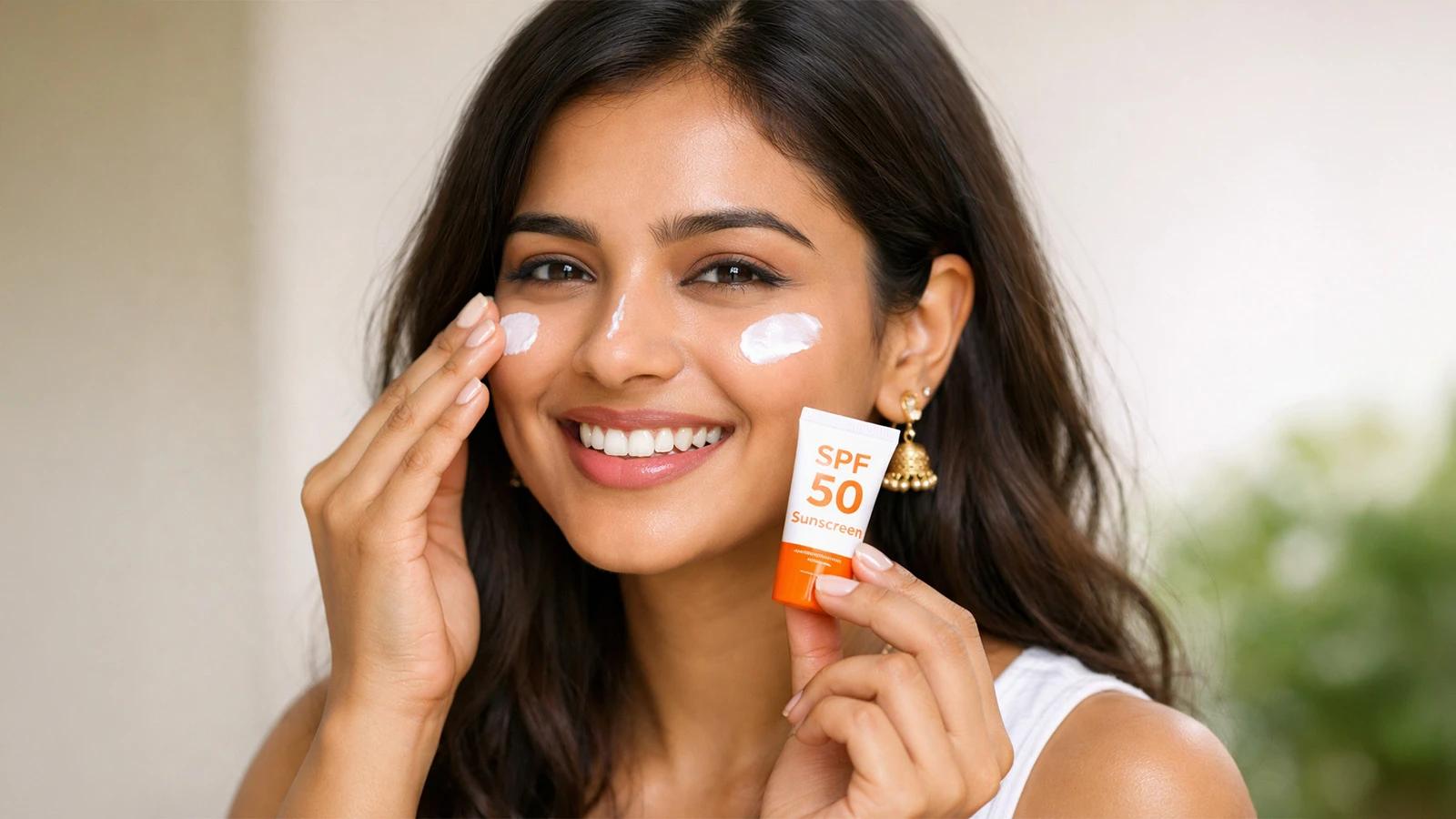

Ever wondered why your friend's SPF routine works perfectly for her but leaves your skin looking ashy or breaking out? Or why that expensive collagen cream doesn't seem to make a dent in those stubborn dark spots around your temples? The truth is, Indian skin has unique needs that generic skincare advice often misses. From our natural melanin levels to the way our skin responds to India's diverse climate zones, understanding these differences is the first step to building a sun protection and collagen support routine that actually works for you.
Indian skin contains higher levels of melanin, which provides some natural protection against UV rays. However, this doesn't mean we're immune to sun damage. In fact, our skin faces unique challenges that require tailored approaches to both sun protection for women and anti-aging tips for women.
The most common concerns include hyperpigmentation, uneven skin tone, and premature collagen breakdown. UV rays don't just cause immediate tanning – they penetrate deep into the dermis, breaking down collagen fibres and triggering melanin overproduction. This leads to those persistent dark spots that seem impossible to fade, especially around the forehead, cheeks, and upper lip area.
India's climate adds another layer of complexity. From the humid coastal regions to the dry northern plains, your skin's needs change dramatically based on where you live. High humidity can make heavy sunscreens feel suffocating, whilst dry climates require formulations that won't further dehydrate your skin. Understanding these regional differences helps you choose products that work with your environment, not against it.
Getting sun protection right isn't just about slapping on any SPF and hoping for the best. The key lies in understanding what your skin actually needs and how to apply products properly for maximum protection.
For daily use, SPF 30 provides adequate protection for most Indian skin types, blocking about 97% of UVB rays. However, if you're spending extended time outdoors, live in a high-altitude area, or have a history of hyperpigmentation, SPF 50 offers that extra layer of security. The most crucial factor isn't just the SPF number – it's ensuring your sunscreen offers broad-spectrum protection against both UVA and UVB rays.
Most of us use far less sunscreen than needed for effective protection. The three-finger rule is simple: squeeze sunscreen along the length of your index, middle, and ring fingers. This amount covers your face and neck adequately. Apply it 15-20 minutes before sun exposure, and reapply every two to three hours, especially if you're sweating or spending time outdoors.
Chemical sunscreens absorb UV rays and work well under makeup, making them ideal for daily wear. Physical sunscreens containing zinc oxide or titanium dioxide create a barrier on your skin's surface. For Indian skin, look for lightweight, non-comedogenic formulations that won't clog pores or leave a white cast. Gel-based or fluid sunscreens often work better in humid climates than thick, creamy formulations.
Your grandmother's skincare wisdom wasn't wrong – many traditional Indian ingredients offer genuine sun protection and collagen support benefits. The key is understanding how to combine these time-tested methods with modern skincare science.
Turmeric contains curcumin, which has natural anti-inflammatory properties and can help prevent UV-induced damage. Sandalwood provides cooling relief and mild sun protection, whilst aloe vera soothes and repairs sun-damaged skin. However, these ingredients work best as supportive treatments alongside proper SPF, not as replacements for modern sunscreen.
Morning routines should focus on protection: gentle cleansing, a lightweight moisturiser, and broad-spectrum SPF. Evening routines shift to repair and nourishment: thorough cleansing to remove sunscreen and pollutants, followed by treatments containing niacinamide or vitamin C to support collagen production and address pigmentation. Weekly treatments like turmeric masks or gentle exfoliation help maintain skin clarity and enhance product absorption.
Supporting your skin from within is just as important as external protection. Indian cuisine offers incredible opportunities to boost collagen production naturally through everyday foods and spices.
Amla contains more vitamin C than oranges, making it a powerhouse for collagen synthesis. Guava, papaya, and citrus fruits provide additional vitamin C, whilst protein sources like lentils, paneer, and fish supply the amino acids your body needs to build collagen. Don't overlook spices – turmeric, ginger, and cinnamon provide antioxidants that protect existing collagen from damage.
Whilst a balanced diet should be your first priority, collagen supplements can provide additional support, especially if you're over 25 when natural collagen production begins to decline. Look for supplements containing vitamin C for better absorption, and consider timing – taking them on an empty stomach may improve uptake. However, always consult with a healthcare provider before adding supplements, especially if you're taking other medications.
Prevention remains the most effective approach to managing hyperpigmentation. Once dark spots form, they can take months or even years to fade completely, making consistent sun protection your most valuable tool.
Beyond daily SPF, consider protective accessories like wide-brimmed hats and UV-protective clothing during peak sun hours (10 AM to 4 PM). Seek shade whenever possible, and remember that UV rays can penetrate glass, so apply sunscreen even when you're indoors near windows or driving.
Kojic acid from fermented rice and licorice extract can help fade existing pigmentation gently. DIY masks using ingredients like oatmeal, yogurt, and honey provide mild exfoliation and hydration. However, be patient – natural remedies work slowly and require consistent use over several months to show results.
India's diverse seasons require adjustments to your skincare routine. What works during Mumbai's monsoon might not suit Delhi's winter, and summer protection needs vary dramatically across the country.
During intense summer months, focus on lightweight, water-resistant formulations that won't slide off in heat and humidity. Cooling treatments with cucumber, mint, or rose water provide relief whilst supporting skin barrier function. For makeup, choose products with built-in SPF and consider powder sunscreens for easy reapplication.
Don't abandon SPF during cooler months – UV rays remain strong even on cloudy days. However, you might switch to slightly richer formulations that provide additional moisture. Winter air can be particularly drying, so focus on maintaining skin barrier health with gentle, hydrating products that support natural collagen production.
Absolutely. UV rays are one of the primary causes of collagen breakdown, so consistent sun protection is essentially collagen preservation. Think of SPF as your daily anti-aging treatment – it prevents future damage whilst giving your skin a chance to repair existing issues.
For most Indian skin types, 10-15 minutes of early morning or late afternoon sun exposure on arms and legs can support vitamin D synthesis without significant risk. However, avoid peak hours and always protect your face and neck. If you're concerned about vitamin D levels, consider dietary sources like fortified foods or supplements rather than risking skin damage.
Yes, climate variations across India do require some adjustments. Coastal areas with high humidity benefit from gel-based, lightweight formulations, whilst dry regions might need more emollient sunscreens. High-altitude areas require higher SPF due to increased UV intensity, and urban areas might need additional protection against pollution-induced skin damage.
Makeup with SPF provides some protection, but most people don't apply enough makeup to achieve the stated SPF level. Use a dedicated sunscreen as your base, then layer makeup with SPF for additional protection and easy reapplication throughout the day.
Assuming that natural melanin provides complete protection. Whilst Indian skin does have some built-in defence against UV rays, it's not enough to prevent all damage. Skipping daily SPF or applying too little are the most common mistakes that lead to premature aging and persistent pigmentation issues.
Prevention benefits start immediately, but visible improvements in existing damage take time. You might notice less new pigmentation within 4-6 weeks, whilst fading of existing dark spots can take 3-6 months or longer. Consistency is key – sporadic use won't deliver the results you're hoping for.
Building an effective sun protection and collagen support routine for Indian skin isn't about following generic advice – it's about understanding your unique needs and choosing products that work with your lifestyle, climate, and skin type. Remember that prevention is always easier than correction, making daily SPF your most valuable anti-aging investment.
The beauty of modern skincare lies in having access to both traditional wisdom and scientific innovation. Platforms like Smytten make it easier to discover products that actually work for your skin through sample programmes, helping you build a personalised routine without the guesswork. With over 28 million users exploring curated beauty selections, you can find trusted brands and formulations specifically suited to Indian skin needs.
Your skin's journey is unique, and the right combination of protection, nourishment, and patience will help you achieve the healthy, radiant complexion you're working towards. Start with consistent sun protection, support your skin from within with collagen boosting foods, and remember that small, daily actions create the most significant long-term results.
