Sun Protection 101: A Complete Tutorial for Healthy Skin


Tinted Sunscreen SPF 50 | Makeup-Friendly | No White Cast | Niacinamide + Titanium Dioxide | For Oily, Combination & Acne-Prone Skin | 40ml
Picture this: you've just spent months perfecting your skincare routine, watching your skin transform from dull and congested to that coveted healthy glow. Then summer arrives, and despite your best efforts, you notice new dark spots appearing and your skin looking tired again. Sound familiar? The culprit isn't your skincare routine failing you—it's likely the daily UV exposure that many of us underestimate. Understanding the importance of sun protection isn't just about preventing sunburn; it's about preserving all the hard work you've put into your skin and protecting your long-term skin health.
Real talk: the sun's impact on your skin goes far deeper than that post-beach redness. Every day, whether you're commuting to work, sitting by a window, or popping out for lunch, your skin faces UV radiation that can undo months of skincare progress. The effects of sun exposure are cumulative, meaning today's unprotected moments become tomorrow's skin concerns.
UV radiation comes in two main forms that affect your skin differently. UVA rays penetrate deep into the skin's dermis, breaking down collagen and elastin—the proteins that keep your skin firm and bouncy. These rays are present year-round and can pass through glass, which explains why you might notice sun damage even if you spend most of your time indoors. UVB rays primarily affect the skin's surface, causing sunburn and playing a significant role in skin cancer development. Both types contribute to premature ageing, but their combined effect accelerates skin damage exponentially.
The immediate effects might seem manageable—a bit of redness, some peeling, perhaps a few freckles. However, the long-term consequences tell a different story. Photoageing accounts for up to 80% of visible facial ageing, including fine lines, wrinkles, and age spots that can appear decades before they would naturally. Hyperpigmentation from sun exposure creates uneven skin tone that can take months or years to fade, even with dedicated treatment. More seriously, unprotected sun exposure significantly increases skin cancer risk, with melanoma rates continuing to rise globally.
If you've ever stood in the sunscreen aisle feeling overwhelmed by numbers and claims, you're not alone. SPF importance goes beyond just picking the highest number—it's about understanding what actually works for your lifestyle and skin type. The science behind sunscreen benefits is compelling: regular use can prevent up to 80% of premature ageing signs and reduce skin cancer risk by approximately 40%.
SPF 30 blocks approximately 97% of UVB rays, while SPF 50 blocks about 98%. The difference might seem minimal, but for those with fair skin or a history of sun damage, that extra protection matters. More importantly, look for broad-spectrum protection, which shields against both UVA and UVB rays. Many people assume higher SPF means they can stay in the sun longer, but this isn't how it works—SPF indicates the level of protection, not the duration.
The benefits of daily sunscreen extend far beyond preventing sunburn. Regular use helps maintain even skin tone, preventing the formation of new dark spots and allowing existing hyperpigmentation to fade more effectively. Your skincare ingredients—like niacinamide, vitamin C, and retinoids—work more effectively when protected from UV interference. Think of sunscreen as the foundation that allows all your other skincare investments to flourish.

Fluid SPF 50 Sunscreen for Oily Skin | No White Cast | Matte, Ultra-Light & Non-Greasy | Niacinamide + Vitamin C | 50ml
Effective sun protection tips go beyond just applying sunscreen. A comprehensive approach to sun safety involves multiple strategies working together. The key is creating layers of protection that work whether you're spending the day at your desk or enjoying outdoor activities.
This evidence-based approach provides comprehensive protection:
Slip on protective clothing with tightly woven fabrics
Slop on broad-spectrum sunscreen SPF 30 or higher
Slap on a wide-brimmed hat that shades face, neck, and ears
Seek shade, especially during peak UV hours (10am-4pm)
Slide on UV-protective sunglasses
Smart timing makes a significant difference in UV exposure. The sun's rays are strongest between 10am and 4pm, when your shadow is shorter than your height. If you must be outdoors during these hours, seek shade whenever possible and reapply sunscreen every two hours. Consider UV-protective clothing with UPF ratings for extended outdoor activities—these fabrics are specifically designed to block UV radiation more effectively than regular clothing.
Choosing from the best sunscreens available means understanding your skin's specific needs. The right sunscreen should feel comfortable enough that you'll actually use it daily, because the most effective sunscreen is the one you consistently apply. Sunburn prevention starts with proper selection and application techniques.
Chemical sunscreens absorb UV rays and work well under makeup, making them ideal for daily wear. Mineral sunscreens containing zinc oxide or titanium dioxide sit on the skin's surface and are excellent for sensitive skin types. For oily or acne-prone skin, look for non-comedogenic formulas with ingredients like niacinamide that provide additional skin benefits. Water-resistant formulations are essential for swimming or sweating, but remember that no sunscreen is completely waterproof.
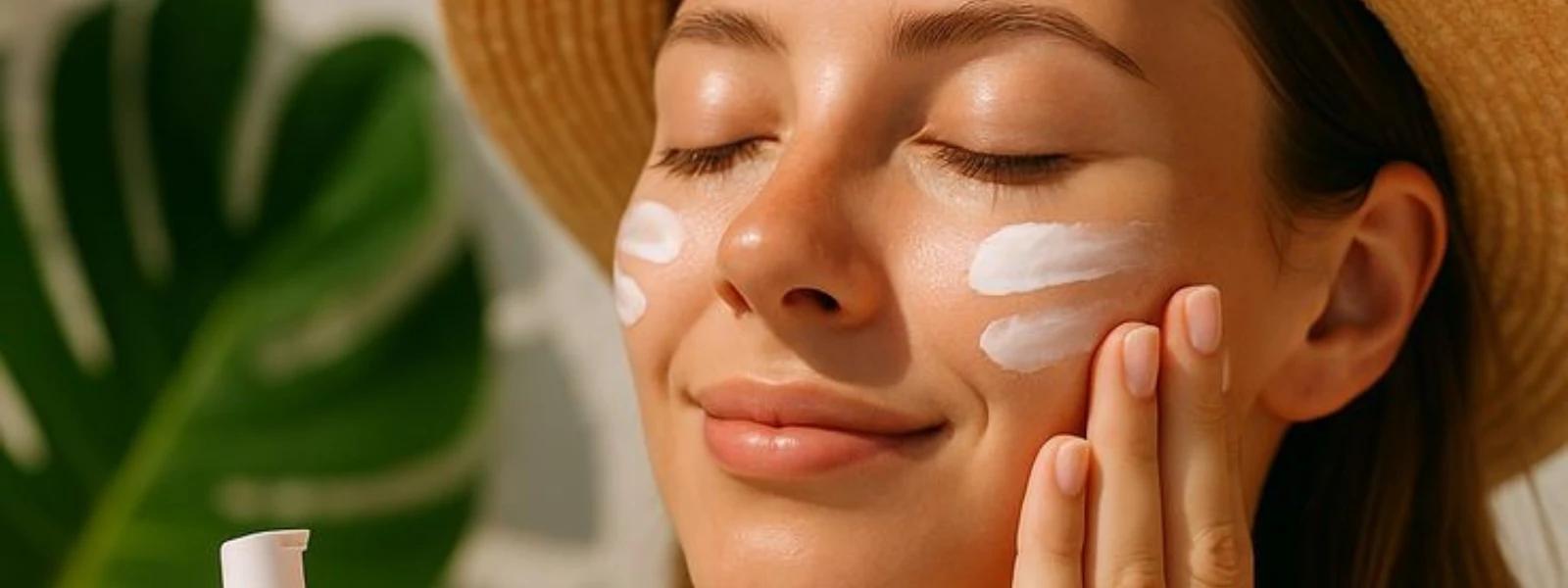
The three-finger rule ensures adequate coverage: squeeze sunscreen along three fingers and apply to your face and neck. Most people apply only 25-50% of the recommended amount, significantly reducing protection. Apply sunscreen 15-30 minutes before sun exposure, and don't forget often-missed areas like ears, feet, and the back of your neck. Reapplication every two hours is crucial, regardless of SPF level.

SPF 50 Sunscreen for Pigmentation | Lightweight, Non-Greasy, No White Cast | Fades Dark Spot & Acne Marks | For All Skin Types | 50g
Your sun damage prevention strategy should align with your daily routine. Whether you're primarily indoors or love outdoor activities, understanding your specific UV exposure helps you protect skin from sun damage more effectively.
Even if you work indoors, UV exposure during commuting, lunch breaks, and near windows adds up over time. Car windows block most UVB rays but allow UVA rays through, explaining why many people develop more sun damage on their left side (the driver's side). Apply sunscreen as part of your morning routine, and consider keeping a travel-size tube in your bag for reapplication.
Active lifestyles require enhanced protection strategies. Sweating and swimming reduce sunscreen effectiveness, making frequent reapplication essential. At higher altitudes, UV intensity increases by approximately 4% for every 300 metres, requiring higher SPF protection. Snow, sand, and water reflect UV rays, increasing exposure from multiple angles.
Integrating sun protection into your existing skincare routine doesn't have to complicate your morning ritual. The key is finding products that work harmoniously with your other skincare ingredients and lifestyle needs.
Morning routines should always end with sunscreen, applied after moisturiser but before makeup. If you're using active ingredients like AHAs, retinoids, or vitamin C, sun protection becomes even more critical as these can increase photosensitivity. Some ingredients, like niacinamide and peptides, actually work well in sunscreen formulations, providing additional skin benefits alongside UV protection.
Your sun protection needs change with the seasons, but UV rays remain present year-round. Winter sun reflecting off snow can be particularly intense, while air conditioning in summer can dehydrate skin, making it more vulnerable to UV damage. Adjust your SPF level and reapplication frequency based on seasonal activities and UV index levels.
Your evening routine should focus on repairing any daily UV exposure. Ingredients like vitamin C, niacinamide, and peptides help neutralise free radical damage and support skin repair overnight. Gentle exfoliation with AHAs can help fade existing sun damage, but always follow with diligent morning sun protection.

Sunscreen Spray for Body | SPF 50+ PA+++ | Sweat & Water-Resistant | Broad Spectrum UVA/UVB Protection | Clear Matte Formula | Aloe Vera | 100ml
Yes, UVA rays penetrate glass windows and can contribute to premature ageing and hyperpigmentation. If you sit near windows or have significant natural light in your workspace, daily sunscreen application is beneficial for long-term skin health.
Use approximately 1/4 teaspoon (about 1.25ml) for your face and neck. The three-finger rule—squeezing sunscreen along the length of three fingers—provides a visual guide for adequate coverage.
While makeup with SPF provides some protection, most people don't apply enough makeup to achieve the stated SPF level. Use a dedicated broad-spectrum sunscreen underneath makeup for reliable protection.
Reapply every two hours when outdoors, or immediately after swimming, sweating heavily, or towelling off. For daily indoor activities, morning application is typically sufficient unless you're spending extended time near windows.
Understanding the importance of sun protection transforms how you approach daily skincare. It's not about avoiding the sun entirely—it's about enjoying life while protecting your skin's long-term health and appearance. The investment in quality sun protection pays dividends in maintaining healthy, resilient skin that ages gracefully.
For those exploring new sun protection options, platforms like Smytten Shop offer curated selections of premium sunscreens from trusted brands, allowing you to discover formulations that work perfectly with your skin type and lifestyle. With over 28 million users finding their ideal products through trial and discovery, you can explore sun protection options with confidence, knowing you're making informed choices for your skin's future.
Your skin will thank you for every day you choose protection over exposure. Start today, stay consistent, and watch as your skin maintains its health and radiance for years to come.
