Stress and Breakouts FAQ: Your Skin and Stress Questions Answered


Target & Fade Duo for Hyperpigmentation | Even-Tone Underarms, Inner Thighs & Bum | Refines Skin Texture | For All Skin Types
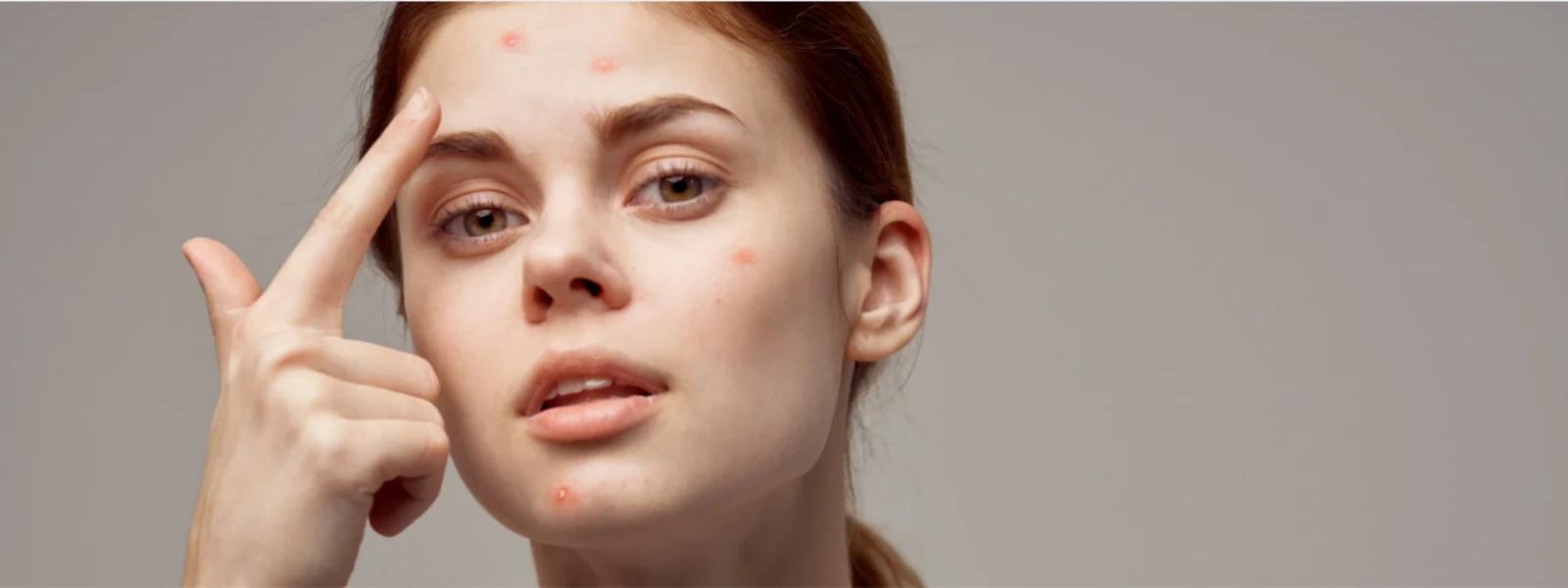
You've been managing deadlines all week, barely sleeping, and now there's a fresh crop of spots across your chin and forehead. Sound familiar? If you've ever wondered why your skin seems to rebel during stressful periods, you're not alone. The connection between stress and breakouts is real, backed by science, and affects millions of people worldwide. Understanding this relationship is the first step towards clearer, calmer skin.
When you're stressed, your body doesn't just feel it mentally—your skin feels it too. The culprit behind stress and breakouts is primarily cortisol, your body's main stress hormone. When cortisol levels spike, it triggers a cascade of reactions that directly impact your skin's health.
Here's what happens: elevated cortisol stimulates your sebaceous glands to produce more oil. This excess sebum, combined with dead skin cells, creates the perfect environment for acne-causing bacteria to thrive. Additionally, stress releases corticotropin-releasing hormone (CRH), which further stimulates oil production and increases inflammation in your skin.
Research published in dermatology journals shows a direct correlation between stress severity and acne severity. The inflammatory response triggered by stress doesn't just cause new breakouts—it makes existing skin conditions worse and slows down the healing process. This is why that spot on your chin seems to linger longer during particularly stressful periods.
Your skin also becomes more sensitive when you're stressed. The skin barrier weakens, making it more reactive to products, environmental factors, and bacteria. This increased sensitivity can turn minor skin irritations into full-blown breakouts, creating a frustrating cycle where stress causes breakouts, and breakouts cause more stress.
While stress acne and hormonal acne can look similar, understanding their differences helps you choose the right treatment approach. The key lies in timing, location, and triggers.
Stress acne typically appears on your forehead, around your mouth, and on your chin—areas where you might unconsciously touch when anxious. Hormonal acne, on the other hand, usually shows up along your jawline, lower cheeks, and neck, following the path of your lymphatic drainage.
Stress-related breakouts often coincide with major life events, work deadlines, or emotional upheaval. They can appear within 24-48 hours of a stressful event. Hormonal breakouts follow a more predictable pattern, typically flaring up around menstrual cycles or during hormonal changes like pregnancy or menopause.
Stress breakouts tend to be more inflammatory—red, angry-looking spots that feel tender to touch. They often heal faster once stress levels decrease. Hormonal breakouts are usually deeper, more cystic, and take longer to resolve even after the hormonal trigger has passed.

Mineral Sunscreen SPF 50 | Matte Finish | No White Cast | Non-Nano Zinc Oxide | Cica | Pregnancy Safe | All Skin Types | 50ml
Stress doesn't just cause traditional acne—it can trigger various skin conditions that might surprise you. Understanding these helps you recognise when stress is affecting your skin in different ways.
Stress hives appear as red, raised, itchy bumps that can show up anywhere on your body. Unlike acne, these are caused by histamine release during stress and usually disappear within hours or days once stress subsides.
If you have existing skin conditions like eczema or rosacea, stress can trigger severe flare-ups. The inflammatory response caused by cortisol makes these conditions more reactive and harder to manage.
Stress significantly slows down your skin's natural healing process. That small cut or existing breakout takes longer to heal because cortisol suppresses your immune system and reduces collagen production. This is why stress-related skin problems often feel more persistent and frustrating.
Treating stress acne requires a two-pronged approach: addressing the immediate breakouts and managing the underlying stress. The good news is that several proven treatments can help you see improvements quickly.
For immediate relief, gentle salicylic acid treatments can help unclog pores without over-drying stressed skin. Niacinamide is particularly effective for stress-related breakouts because it reduces inflammation while regulating oil production. Look for products containing 2-5% niacinamide for optimal results.
If stress breakouts persist beyond two weeks or become severely inflamed, consider seeing a dermatologist. Professional treatments like cortisone injections can quickly reduce inflammation, while prescription retinoids help prevent future breakouts by regulating skin cell turnover.
Tea tree oil (diluted to 5-10%) has antimicrobial properties that can help reduce acne-causing bacteria. Green tea extracts, either applied topically or consumed regularly, provide anti-inflammatory benefits that support stressed skin.

Salicylic Acid Face Cleanser | Deep Cleansing Formula for Breakouts | Unclogs Pores & Controls Oil | For Oily & Acne-Prone Skin | 100ml
Creating a skincare routine that can withstand stressful periods is crucial for maintaining clear skin. The key is simplicity and consistency—stress makes your skin more reactive, so fewer, gentler products work better.
Your morning routine should focus on protection. Start with a gentle, non-foaming cleanser that won't strip your skin's natural barrier. Follow with a lightweight moisturiser containing ceramides or hyaluronic acid to maintain hydration. Never skip SPF—stress makes your skin more sensitive to UV damage.
Evenings are for repair and recovery. Use the same gentle cleanser, then apply treatments like niacinamide or azelaic acid to address inflammation. Finish with a slightly richer moisturiser to support your skin's overnight repair process.
During particularly stressful times, simplify your routine even further. Avoid introducing new products or active ingredients. Instead, focus on gentle cleansing, hydration, and protection. Your skin needs stability when everything else feels chaotic.
The most effective way to prevent stress and breakouts is addressing stress at its source. This doesn't mean eliminating stress entirely—that's impossible—but developing healthy coping mechanisms that prevent cortisol spikes from wreaking havoc on your skin.
Regular exercise is one of the most effective stress-busters. It reduces cortisol levels, improves circulation, and helps your body process stress hormones more efficiently. Even a 20-minute walk can make a difference to both your mood and your skin.
Quality sleep is non-negotiable for clear skin. During sleep, your body repairs damaged skin cells and regulates hormone production. Aim for 7-9 hours of consistent sleep, and create a calming bedtime routine that signals to your body it's time to wind down.
Pay attention to stress-induced behaviours that worsen breakouts. Many people unconsciously touch their face more when anxious, transferring bacteria and oils to their skin. Keeping your hands busy with a stress ball or fidget toy can help break this habit.

Hydrating Moisturizer | Non-Comedogenic | Boosts Collagen & Hydrates Deeply | Ceramides + Niacinamide | For Normal to Dry Skin | 50g
Yes, stress can cause breakouts anywhere on your body, not just your face. Stress acne commonly appears on the chest, back, and shoulders because these areas have high concentrations of sebaceous glands. The same cortisol response that triggers facial breakouts affects oil production throughout your body.
Most stress-related breakouts begin to improve within 1-2 weeks once stress levels decrease and you maintain a consistent skincare routine. However, deeper, more inflamed breakouts may take 4-6 weeks to fully heal. The key is patience and avoiding the temptation to pick or over-treat stressed skin.
Absolutely. Stress can trigger various types of spots and skin reactions across your body, including acne on your back and chest, stress hives on your arms and torso, and even eczema flare-ups in areas like your elbows and knees. The inflammatory response from stress affects your entire body, not just your face.
Stress acne typically appears suddenly during or after stressful periods, tends to be more inflammatory, and often concentrates around areas you touch when anxious. Regular acne follows more predictable patterns based on genetics, hormones, or skincare habits, and doesn't necessarily correlate with stress levels.
While stress breakouts often improve naturally as stress levels decrease, they heal faster and more completely with proper treatment. Gentle skincare, stress management, and sometimes targeted treatments help prevent scarring and reduce the duration of breakouts.
Chronic stress can lead to persistent inflammation, delayed healing, and increased risk of scarring from breakouts. However, with proper stress management and skincare, most stress-related skin damage is reversible. The key is addressing both the stress and the skin symptoms consistently.
Understanding the connection between stress and breakouts empowers you to take control of your skin health. Remember that stress-related skin issues are temporary and treatable—you're not stuck with them forever. The combination of gentle skincare, stress management techniques, and patience usually leads to significant improvement.
Your skin journey is unique, and what works for others might need adjustment for you. Platforms like Smytten Shop make it easier to discover the right products for your stressed skin without committing to full sizes. With access to samples from premium brands and personalised recommendations, you can build a stress-resistant routine that actually works for your lifestyle. Real talk: managing stress and breakouts takes time, but with the right approach and products, clearer, calmer skin is absolutely achievable.
