Step-by-Step Guide to Sun Protection for Sensitive Skin


Target & Fade Duo for Hyperpigmentation | Even-Tone Underarms, Inner Thighs & Bum | Refines Skin Texture | For All Skin Types
You've just stepped out of the shower, applied your usual moisturiser, and reached for sunscreen—only to feel that familiar sting and see redness creeping across your cheeks. If your skin reacts to seemingly everything under the sun (literally), you're not alone. Sun protection for sensitive skin requires a completely different approach than standard skincare routines. The good news? Once you understand what your skin actually needs, protecting it becomes much simpler.
When we talk about sensitive skin, we're describing skin that reacts more intensely to environmental factors, ingredients, and yes—UV radiation. This heightened reactivity can stem from conditions like rosacea, eczema, contact dermatitis, or simply a compromised skin barrier that lets irritants penetrate more easily.
Here's what makes sun exposure particularly challenging for sensitive skin types. UV rays don't just cause the typical concerns like premature ageing and pigmentation—they can trigger inflammatory responses that leave your skin red, itchy, and uncomfortable for days. Chemical sunscreen ingredients like oxybenzone and octinoxate, which work by absorbing UV rays and converting them to heat, can be especially problematic since this heat generation can exacerbate sensitivity.
Many people with sensitive skin make the mistake of skipping sunscreen altogether because they've had bad experiences. Others layer on thick, heavy formulas thinking more protection equals better results, only to end up with clogged pores and irritation. The reality is that sensitive skin sunscreen needs to be both protective and gentle—a balance that requires understanding your specific triggers.
Signs your current sun protection isn't working include immediate stinging upon application, redness that persists beyond the first few minutes, breakouts in areas where you apply sunscreen, or skin that feels tight and uncomfortable throughout the day. If any of these sound familiar, it's time to reassess your approach.
The debate between mineral sunscreen and chemical formulas isn't just marketing—there's real science behind why one works better for reactive skin types. Mineral sunscreens contain physical UV filters like zinc oxide and titanium dioxide that sit on top of your skin and reflect UV rays away, rather than absorbing them.
This difference matters enormously for sensitive skin. Since mineral filters don't generate heat or require absorption into the skin to work, they're far less likely to cause irritation. Zinc oxide is particularly brilliant for sensitive skin because it's naturally anti-inflammatory and provides broad-spectrum protection against both UVA and UVB rays.
Chemical sunscreens work differently—they absorb UV radiation and convert it to heat, which is then released from the skin. For many people, this process is completely fine. But if your skin is already inflamed or reactive, that extra heat can trigger redness, stinging, and discomfort. Common chemical filters like avobenzone, octinoxate, and oxybenzone are frequent culprits behind sunscreen sensitivity.
When choosing between SPF levels, SPF 30 blocks about 97% of UVB rays, while SPF 50 blocks about 98%. For sensitive skin, SPF 30 is often sufficient and may contain fewer potentially irritating ingredients than higher SPF formulas. The key is consistent, proper application rather than relying on a higher number to compensate for inadequate coverage.
Finding the best sunscreen for sensitive skin starts with reading ingredient lists like a detective. Your first checkpoint should be avoiding known irritants: fragrances (even "natural" ones), alcohol, parabens, and chemical UV filters if you've had reactions before.

Mineral Sunscreen SPF 50 | Matte Finish | No White Cast | Non-Nano Zinc Oxide | Cica | Pregnancy Safe | All Skin Types | 50ml
Look for products labelled hypoallergenic sunscreen, but remember this term isn't regulated—it's more important to check the actual formulation. Non-comedogenic labels indicate the product won't clog pores, which is crucial if your sensitive skin is also acne-prone. "Dermatologist-tested" or "dermatologist-recommended" can provide additional confidence, though your own patch testing remains the gold standard.
Texture plays a huge role in how your skin tolerates a product. Gentle sunscreen formulas often come in cream form for dry, sensitive skin, providing extra moisture alongside protection. If you have oily, sensitive skin, look for gel-based or lightweight lotion textures that won't feel heavy or greasy.
For those dealing with rosacea, tinted mineral sunscreens can be particularly helpful—the iron oxides that provide colour also offer additional protection against visible light, which can trigger rosacea flares. Green-tinted formulas can help counteract redness, whilst beige tints provide light coverage.
Consider your specific skin concerns when choosing. If you have eczema, look for sunscreens with added ceramides or niacinamide to support barrier repair. For reactive skin that's also acne-prone, zinc oxide provides both sun protection and gentle antimicrobial benefits.
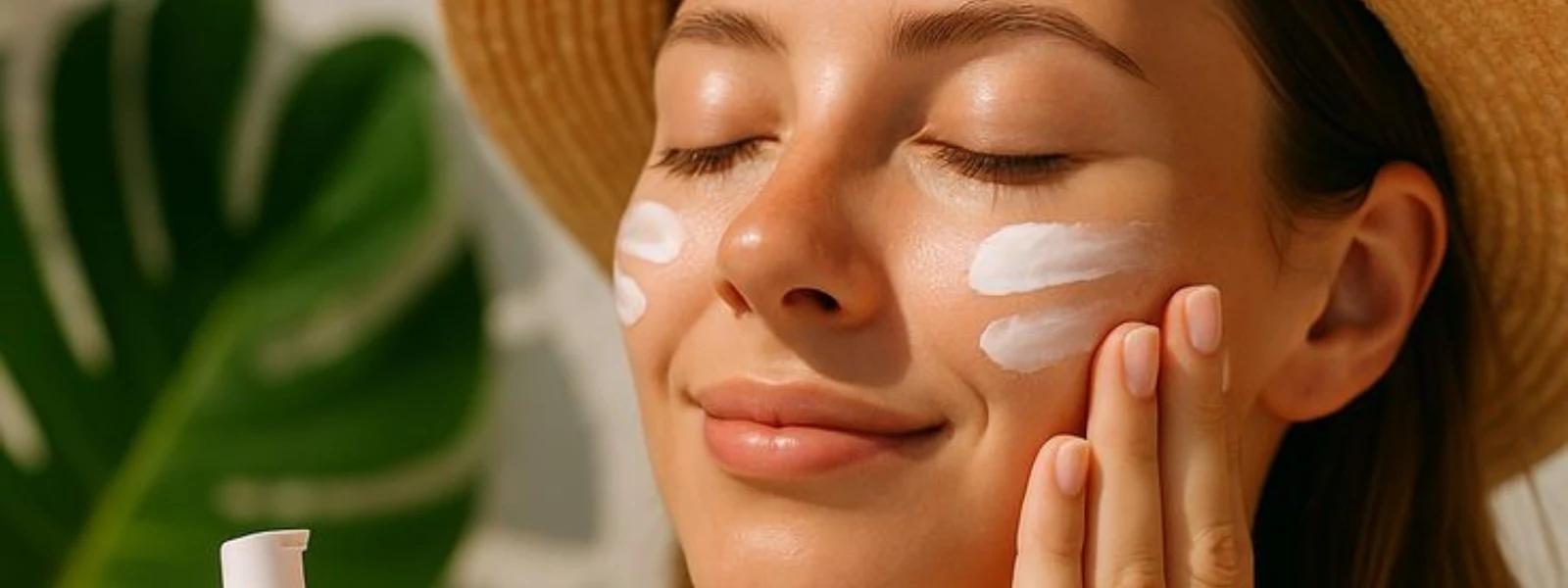
Even the most gentle sunscreen won't protect you properly if it's not applied correctly. The "two-finger rule" is your starting point for sun protection for face—squeeze sunscreen along the length of your index and middle fingers, then apply this amount to your entire face and neck.
For sensitive skin, application technique can make the difference between comfort and irritation. Start with clean, slightly damp skin—this helps the sunscreen spread more easily and reduces the need for rubbing, which can irritate reactive skin. Apply your regular moisturiser first if your skin is particularly dry, then wait a few minutes before adding sunscreen.
When layering with other skincare products, remember that non-comedogenic sunscreen should go on after serums and moisturisers but before makeup. If you're using active ingredients like retinoids or acids, apply them the night before rather than under your morning sunscreen to avoid potential reactions.
The eye area deserves special attention since the skin here is thinner and more reactive. Use a dedicated eye sunscreen or apply your facial formula very gently, avoiding the immediate lash line where product might migrate into eyes and cause stinging.
Reapplication is crucial but can be tricky with sensitive skin. If you're wearing makeup, consider a mineral powder sunscreen for touch-ups, or gently pat additional cream sunscreen over makeup rather than rubbing it in.
Building a comprehensive routine around sunscreen for rosacea or other sensitive skin conditions means thinking beyond just the SPF. Your morning routine should prepare your skin to tolerate sun protection whilst your evening routine should focus on repair and recovery.
Start your morning with a gentle, fragrance-free cleanser that won't strip your skin's natural barrier. Follow with a hydrating serum containing ingredients like hyaluronic acid or ceramides, then your moisturiser, and finally your mineral sunscreen. This layering approach ensures your skin is well-hydrated and protected before sun exposure.

Salicylic Acid Face Cleanser | Deep Cleansing Formula for Breakouts | Unclogs Pores & Controls Oil | For Oily & Acne-Prone Skin | 100ml
For those managing sunscreen for eczema, timing matters. Apply your prescribed topical medications first, allow them to absorb completely, then follow with moisturiser and sunscreen. This prevents dilution of active treatments whilst ensuring proper sun protection.
Makeup compatibility is often a concern with sensitive skin sunscreen. Look for primers specifically designed to work with mineral sunscreens, or choose tinted sunscreens that eliminate the need for foundation. Always allow your sunscreen to set for at least 10 minutes before applying makeup to prevent pilling or separation.
Your evening routine should focus on gentle removal and repair. Use a mild cleansing oil or micellar water to remove sunscreen thoroughly—leftover product can clog pores and cause irritation overnight. Follow with your regular gentle cleanser, then focus on barrier repair with ingredients like niacinamide, ceramides, or gentle peptides.
When dermatologists recommend sun protection for sensitive skin, certain ingredients consistently top their lists. Zinc oxide remains the gold standard—it's broad-spectrum, anti-inflammatory, and suitable for even the most reactive skin types. Titanium dioxide is another excellent choice, particularly for those who find zinc oxide too heavy or white-casting.
Beyond the UV filters themselves, look for supporting ingredients that benefit sensitive skin. Niacinamide helps strengthen the skin barrier and reduce inflammation. Ceramides support barrier function and moisture retention. Allantoin provides soothing, anti-inflammatory benefits. These ingredients work synergistically with mineral UV filters to provide protection whilst actually improving your skin's tolerance over time.
On the flip side, certain ingredients are red flags for sensitive skin sunscreen. Fragrances, even those labelled as "natural," can trigger reactions. Alcohol denat can be overly drying and irritating. Essential oils like lavender or citrus might seem gentle but are common sensitisers. Chemical UV filters like oxybenzone, octinoxate, and avobenzone frequently cause stinging and redness in reactive skin.
The texture-enhancing ingredients in sunscreens can also be problematic. Silicones aren't inherently bad, but if you're sensitive to them, they can cause breakouts or irritation. Some people react to common emulsifiers or preservatives, which is why patch testing new products is so important.
For those exploring natural sunscreen options, remember that "natural" doesn't automatically mean "gentle." Many natural ingredients can be highly sensitising. Stick to products with minimal, recognisable ingredient lists and always patch test, regardless of how natural or gentle a product claims to be.
The best sunscreen for sensitive skin typically contains zinc oxide or titanium dioxide as the primary UV filters, avoids fragrances and alcohol, and includes barrier-supporting ingredients like ceramides or niacinamide. Popular dermatologist-recommended options include formulas from brands that specialise in sensitive skin care, though individual tolerance varies significantly.

Hydrating Moisturizer | Non-Comedogenic | Boosts Collagen & Hydrates Deeply | Ceramides + Niacinamide | For Normal to Dry Skin | 50g
Highly sensitive skin often responds best to simple, minimal-ingredient formulas. Look for sunscreens with only zinc oxide as the UV filter, no fragrances or essential oils, and the shortest possible ingredient list. Cream formulations tend to be gentler than gels or sprays for very reactive skin types.
Beyond sunscreen for sensitive skin, comprehensive protection includes seeking shade during peak hours (10am-4pm), wearing protective clothing and wide-brimmed hats, and using UV-blocking window films. Antioxidant serums containing vitamin C or E can provide additional protection when applied under sunscreen.
Baby sunscreens are often formulated to be extra gentle and typically use mineral sunscreen ingredients, making them suitable for sensitive adult skin. However, they may not provide the cosmetic elegance that adults prefer, and some contain ingredients like beeswax that could clog pores in acne-prone individuals.
The standard recommendation of reapplying every two hours applies to sensitive skin as well. However, if you're swimming, sweating, or touching your face frequently, reapplication should be more frequent. For very reactive skin, gentle patting rather than rubbing during reapplication can minimise irritation.
Higher SPF doesn't necessarily mean better for sensitive skin. SPF 100 formulas often contain higher concentrations of UV filters and additional ingredients that can increase irritation risk. SPF 30-50 provides excellent protection when applied properly and is often better tolerated by reactive skin types.
Mastering sun protection for sensitive skin is about finding the right balance between effective protection and skin comfort. The key lies in understanding your specific triggers, choosing appropriate formulations, and applying products correctly rather than simply avoiding sun protection altogether.
Remember that finding your perfect sensitive skin sunscreen might take some trial and error. What works beautifully for your friend's rosacea might not suit your eczema-prone skin, and that's completely normal. The investment in finding the right products pays off in comfortable, protected skin that doesn't rebel against your daily routine.
For those exploring new options, platforms like Smytten Shop offer the opportunity to try products before committing to full sizes—particularly valuable when you're dealing with reactive skin that might not tolerate every formula. With over 28 million users discovering products that actually work for their unique needs, finding your ideal sun protection becomes less of a guessing game and more of an informed choice.
Your skin's sensitivity isn't a limitation—it's simply information that helps you make better choices. With the right approach, consistent protection, and products that truly suit your skin, you can enjoy the sun safely whilst keeping your sensitive skin happy and healthy.
