Spots on Face FAQ: Your Guide to Skin Discoloration Treatment


Target & Fade Duo for Hyperpigmentation | Even-Tone Underarms, Inner Thighs & Bum | Refines Skin Texture | For All Skin Types
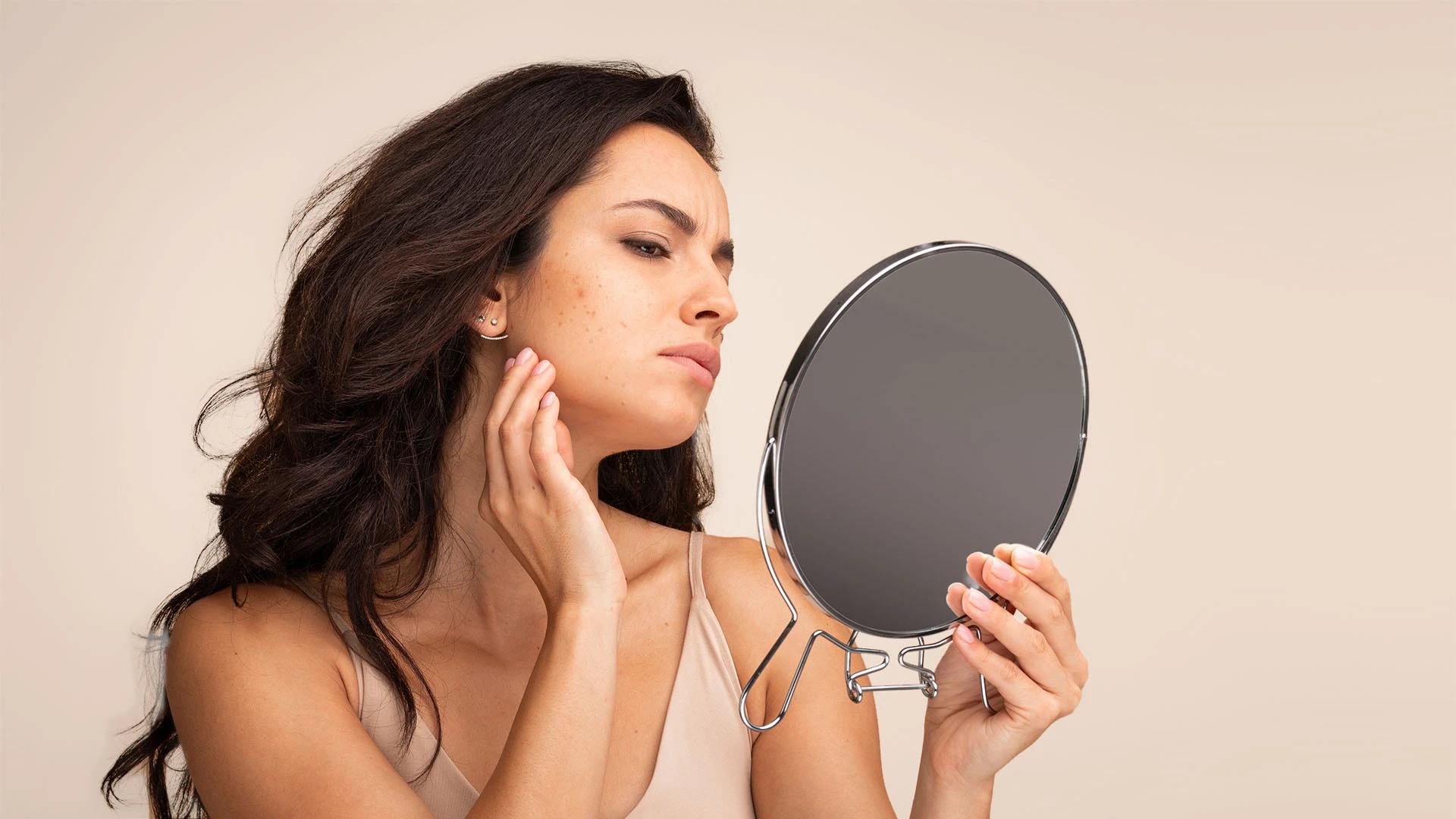
You know that moment when you catch your reflection and notice those stubborn dark marks where a pimple used to be? Or perhaps you've spotted new patches of discolouration that seem to have appeared overnight? Spots on face are incredibly common, yet they can feel so personal and frustrating. Whether it's post-acne marks, sun damage, or hormonal changes showing up on your skin, the good news is that effective spot removal is absolutely possible with the right approach and a bit of patience.
Before diving into treatments, it's worth understanding what you're actually dealing with. Not all spots on face are created equal, and different types respond better to specific treatments. This knowledge helps you choose the most effective skin discoloration treatment for your particular concern.
Post-inflammatory hyperpigmentation (PIH) is probably the most common culprit behind those dark marks that linger after breakouts. When your skin experiences inflammation from acne, it produces excess melanin as part of the healing process. These marks typically appear brown or black on deeper skin tones and red or purple on lighter complexions. The encouraging news? PIH is entirely treatable, though it requires consistency and patience.
Years of sun exposure can lead to uneven pigmentation, often called age spots or solar lentigines. These tend to appear as flat, brown patches on areas that see the most sun exposure - your face, hands, and décolletage. Unlike PIH, these spots develop gradually over time and are directly linked to UV damage.
Melasma presents as symmetrical patches of brown discolouration, often triggered by hormonal changes during pregnancy or from contraceptive use. This type of hyperpigmentation can be particularly stubborn and often requires professional guidance for effective treatment.
When it comes to learning how to remove spots effectively, the key lies in understanding that different approaches work for different people. Your skin type, the depth of pigmentation, and the underlying cause all influence which treatments will work best for you.
Topical treatments are often the first line of defence and can be remarkably effective when used consistently. The most researched ingredients for dark spot removal include vitamin C, retinoids, hydroquinone, kojic acid, and azelaic acid. Each works through different mechanisms to help fade spots and promote even skin tone.

Mineral Sunscreen SPF 50 | Matte Finish | No White Cast | Non-Nano Zinc Oxide | Cica | Pregnancy Safe | All Skin Types | 50ml
Vitamin C is a powerhouse antioxidant that not only protects against future damage but also helps fade spots by inhibiting melanin production. Look for stable forms like magnesium ascorbyl phosphate or L-ascorbic acid in concentrations between 10-20%. Apply in the morning under your SPF for maximum benefit.
Retinoids work by accelerating cell turnover, helping to bring newer, more evenly pigmented skin to the surface whilst encouraging the fading of existing spots. Start with a low concentration retinol or speak to a dermatologist about prescription options like tretinoin for more stubborn hyperpigmentation.
Many people wonder how to remove spots from face naturally, and whilst natural ingredients can be helpful, it's important to have realistic expectations. Natural doesn't always mean gentler, and some ingredients can actually cause irritation or increased sensitivity.
Niacinamide is one of the most gentle yet effective natural-derived ingredients for skin brightening. This form of vitamin B3 helps regulate melanin transfer and can significantly improve the appearance of dark spots over time. It's suitable for all skin types and plays well with other active ingredients.
AHAs like glycolic acid and lactic acid work by gently exfoliating the skin's surface, helping to remove dark spots by encouraging the shedding of pigmented skin cells. Lactic acid, derived from fermented milk, is particularly gentle and suitable for sensitive skin types.
Both kojic acid (derived from fungi) and arbutin (from bearberry plants) work by inhibiting tyrosinase, the enzyme responsible for melanin production. These ingredients are particularly effective for treating sun damage and can help achieve more even skin tone over time.
Sometimes, at-home treatments aren't enough, particularly for deeper or more extensive hyperpigmentation. Professional treatments can offer more dramatic results, though they typically require multiple sessions and proper aftercare.

Salicylic Acid Face Cleanser | Deep Cleansing Formula for Breakouts | Unclogs Pores & Controls Oil | For Oily & Acne-Prone Skin | 100ml
Chemical peels use higher concentrations of acids to remove the top layers of skin, revealing fresher, more evenly pigmented skin underneath. Superficial peels with glycolic or salicic acid can be done regularly, whilst deeper peels require more downtime but offer more dramatic results for spot removal.
Laser treatments and intense pulsed light (IPL) can target specific pigmented areas with precision. These treatments work by breaking up melanin deposits, which are then naturally eliminated by your body's immune system. Results can be quite dramatic, but sun protection is absolutely crucial during the healing process.
The most effective approach to achieving clear skin combines the right active ingredients with consistent application and proper sun protection. Your routine doesn't need to be complicated, but it does need to be consistent.
Start with a gentle cleanser that won't strip your skin's natural barrier. Follow with a vitamin C serum in the morning for antioxidant protection and skin brightening benefits. In the evening, alternate between a retinoid product and an AHA treatment, depending on your skin's tolerance.
No skin discoloration treatment will be truly effective without proper sun protection. UV exposure not only causes new spots to form but can also darken existing pigmentation, undoing months of treatment progress. Use a broad-spectrum SPF of at least 30 every day, regardless of the weather.
Most people begin to notice improvements in skin discoloration after 4-6 weeks of consistent treatment. However, significant results typically take 3-6 months, depending on the depth of pigmentation and the treatment method used. Surface-level spots from recent breakouts may fade more quickly, whilst deeper pigmentation from sun damage or melasma can take longer to improve.

Hydrating Moisturizer | Non-Comedogenic | Boosts Collagen & Hydrates Deeply | Ceramides + Niacinamide | For Normal to Dry Skin | 50g
Yes, but it's important to introduce them gradually and pay attention to how your skin responds. Start with one active ingredient and add others slowly. Some combinations work particularly well together - for example, niacinamide and vitamin C can be used in the same routine. However, avoid using multiple strong acids simultaneously, as this can lead to irritation and potentially worsen hyperpigmentation.
Avoid harsh scrubs or over-exfoliation, which can worsen post-inflammatory hyperpigmentation. Be cautious with DIY remedies involving lemon juice or other citrus fruits, as these can cause photosensitivity and actually darken spots when exposed to sunlight. Always patch test new ingredients and discontinue use if you experience irritation.
This is actually quite normal when starting certain treatments, particularly retinoids or chemical exfoliants. As these ingredients increase cell turnover, they can initially bring deeper pigmentation to the surface, making spots appear darker temporarily. This process, sometimes called 'purging,' typically resolves within 4-6 weeks of consistent use.
Hormonal hyperpigmentation, particularly melasma, can be more challenging to treat than post-acne marks. Whilst many of the same ingredients are helpful, hormonal spots often require more patience and may benefit from professional treatment. It's also important to address the underlying hormonal triggers when possible.
Absolutely. The depth of pigmentation, your skin type, and the original cause of the spot all influence how quickly it will respond to treatment. Spots on thinner skin areas like around the eyes may fade more quickly, whilst those on thicker skin areas might take longer. Some people also naturally have faster cell turnover rates, which can speed up the spot removal process.
Achieving clear skin and even skin tone is absolutely possible with the right approach and realistic expectations. The most effective strategy combines proven active ingredients like vitamin C, retinoids, and AHAs with consistent application and diligent sun protection. Remember that skin brightening is a gradual process - most people see initial improvements within 4-6 weeks, but significant results typically take 3-6 months.
For those exploring new products and treatments, platforms like Smytten Shop offer an excellent way to discover effective spot removal products from premium brands without the commitment of full-size purchases. With access to samples from over 28 million users' favourite products, you can find the perfect skin discoloration treatment for your specific needs whilst earning cashback on your skincare journey.
Your skin's journey to clarity is unique, and what works for others might need adjustment for you. Be patient with the process, consistent with your routine, and don't hesitate to seek professional guidance when needed. With time and the right approach, those stubborn spots can become a thing of the past.
