Smelly Underarms FAQ: Your Armpit Hygiene Questions Answered


Salicylic Acid Face Cleanser | Deep Cleansing Formula for Breakouts | Unclogs Pores & Controls Oil | For Oily & Acne-Prone Skin | 100ml
You've tried everything. The fancy deodorants, the clinical-strength formulas, even that natural crystal thing your friend swore by. Yet here you are, catching a whiff of something less than fresh during your morning commute or that important meeting. Underarm odor isn't just embarrassing—it's genuinely puzzling when you're doing everything 'right.' The truth is, effective armpit hygiene goes far beyond slapping on deodorant and hoping for the best. Let's sort through the science, the myths, and the real solutions that actually work for lasting freshness.
Before diving into solutions, it's worth understanding what's actually happening under your arms. Body odor isn't caused by sweat itself—it's the result of bacteria breaking down proteins in your sweat. Your underarms house two types of sweat glands: eccrine glands that produce mostly water and salt, and apocrine glands that release proteins and lipids. When bacteria feast on these proteins, they create the compounds responsible for that distinctive smell.
Your skin's natural pH balance plays a crucial role in underarm odor control. Healthy skin maintains a slightly acidic pH of around 5.5, which helps keep odor-causing bacteria in check. When this balance shifts due to harsh soaps, overwashing, or certain products, bacteria can multiply more freely. The skin microbiome—the collection of beneficial bacteria living on your skin—also influences odor production. Disrupting this delicate ecosystem can actually make odor worse, not better.
Hormonal changes significantly impact sweat production and composition. During puberty, menstruation, pregnancy, or menopause, your apocrine glands become more active, producing the protein-rich sweat that bacteria love. Excessive sweating (hyperhidrosis) can compound the problem by creating a constantly moist environment where bacteria thrive.
Your diet matters more than you might think. Foods high in sulfur compounds—like garlic, onions, and cruciferous vegetables—can alter your sweat's composition. Spicy foods, alcohol, and processed foods can also intensify body odor. Even your clothing choices play a role: synthetic fabrics trap moisture and bacteria, whilst natural fibres like cotton allow better airflow.
Creating an effective routine requires consistency and the right approach for your specific needs. This isn't about harsh scrubbing or expensive products—it's about understanding what your skin needs and delivering it systematically.
Step 1: Cleanse with antibacterial soap to remove overnight bacteria buildup. Choose a gentle formula that won't strip your skin's natural oils. Step 2: Gentle exfoliation 2-3 times weekly helps eliminate dead skin cells where bacteria can hide. Use a soft cloth or mild scrub—nothing too abrasive. Step 3: Pat dry completely before applying any products. Moisture trapped under deodorant creates the perfect breeding ground for bacteria. Step 4: Apply your chosen antiperspirant or deodorant to completely dry skin for maximum effectiveness.

Even Tone Underarm Mist | Brightening Spray for Dark Underarms | 48H Odour Protection | 7% Glycolic + 3% Lactic Acid | Pack of 2 | 100ml
Step 5: Deep cleanse after workouts or particularly sweaty days. A benzoyl peroxide wash can help reduce bacteria levels without being too harsh for daily use. Step 6: Moisturise intermittently—not every night, but when your skin feels tight or irritated. This helps maintain your skin barrier. Step 7: Proper shaving technique reduces irritation and ingrown hairs that can trap bacteria. Step 8: Weekly armpit detox helps reset your skin's microbiome and remove product buildup.
The deodorant aisle can feel overwhelming, but understanding the difference between products helps you choose what's right for your situation. Antiperspirants contain aluminum salts that temporarily block sweat ducts, reducing moisture. Deodorants focus on neutralising odor-causing bacteria without stopping sweat production.
Aluminum-based antiperspirants remain the most effective option for excessive sweating and persistent odor. Clinical-strength formulations contain higher concentrations of active ingredients and work best when applied to completely dry skin before bed. For those avoiding aluminum, look for natural deodorant options containing baking soda, zinc oxide, or magnesium hydroxide—these ingredients help neutralise odor-causing bacteria.
The key is matching the product to your needs. Light sweaters might do well with natural options, whilst those dealing with hyperhidrosis typically need aluminum-based formulas. Don't be afraid to try different products—what works for your friend might not work for you.
Sensitive skin doesn't mean you have to suffer through odor. Prescription-strength treatments are available for severe cases, including topical solutions and oral medications. Some people find success with natural deodorant alternatives like milk of magnesia (yes, the antacid) applied with a cotton pad, or DIY formulas using coconut oil and baking soda.
When standard approaches aren't enough, several advanced options can provide longer-lasting relief. These solutions address the root causes rather than just masking symptoms.
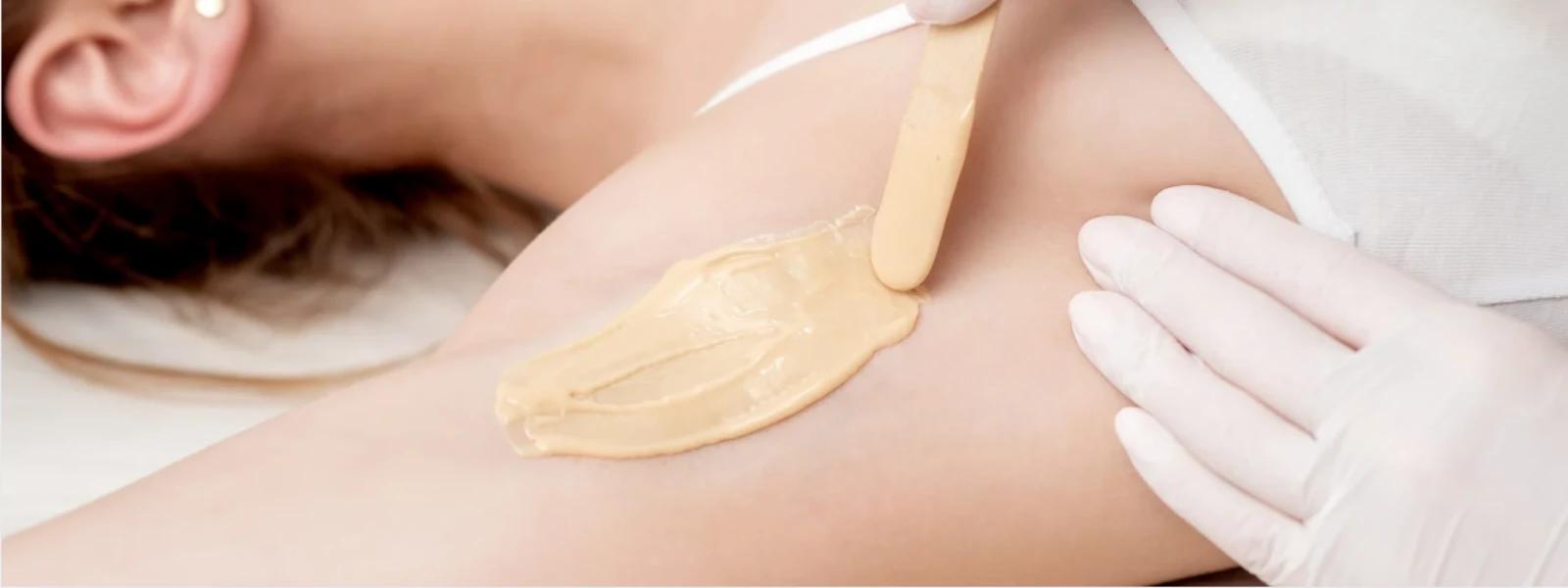
For persistent excessive sweating, medical treatments offer more permanent solutions. MiraDry uses microwave energy to eliminate sweat glands permanently—results are immediate and lasting. Botox injections temporarily paralyse sweat glands for 6-12 months, providing significant relief for hyperhidrosis sufferers. Laser hair removal can also help by eliminating the hair that traps bacteria and moisture.

Target & Fade Duo for Hyperpigmentation | Even-Tone Underarms, Inner Thighs & Bum | Refines Skin Texture | For All Skin Types
An armpit detox using bentonite clay, apple cider vinegar, and water can help reset your skin's bacterial balance. Mix equal parts clay and vinegar with enough water to form a paste, apply for 10-15 minutes, then rinse thoroughly. This helps remove deodorant buildup and rebalance your skin's pH.
Dietary changes can provide internal odor control. Increasing chlorophyll-rich foods like leafy greens, reducing processed foods, and staying well-hydrated all help improve your body's natural scent. Some people find success with probiotic supplements that support overall skin health.
Your clothing choices significantly impact underarm odor. Natural fibres like cotton, linen, and merino wool allow better airflow and moisture wicking compared to synthetic materials. When you do wear synthetics, choose moisture-wicking athletic fabrics designed to move sweat away from skin.
Proper laundering removes odor-causing bacteria from clothes. Add white vinegar to your wash cycle occasionally to break down deodorant buildup and neutralise odors. Consider undershirts as a barrier between your skin and outer clothing—they're easier to replace than expensive shirts with permanent stains.
What you eat directly affects how you smell. Foods high in sulfur compounds, excessive caffeine, and alcohol can intensify body odor. Staying properly hydrated dilutes the concentration of odor-causing compounds in your sweat. Some people find that zinc supplements help reduce body odor, though results vary.
The most effective routine includes daily cleansing with antibacterial soap, complete drying, regular gentle exfoliation, and consistent antiperspirant or deodorant application. Evening cleansing after sweaty activities and weekly detox treatments help maintain long-term freshness. Consistency matters more than expensive products.
Permanent solutions include professional treatments like MiraDry or Botox for excessive sweating, lifestyle changes including diet modifications, proper hygiene routines, and addressing underlying health conditions. Most people see significant improvement with consistent care rather than one-time fixes.

Mineral Sunscreen SPF 50 | Matte Finish | No White Cast | Non-Nano Zinc Oxide | Cica | Pregnancy Safe | All Skin Types | 50ml
Natural solutions include baking soda scrubs, apple cider vinegar toners, bentonite clay detox masks, dietary changes emphasising chlorophyll-rich foods, proper hydration, and aluminum-free deodorants containing zinc oxide or magnesium hydroxide. Probiotic supplements may also support skin health.
Most people notice improvements within 1-2 weeks of consistent routine implementation. When switching to natural deodorant, expect a 2-4 week adjustment period where odor may temporarily increase as your skin rebalances. Professional treatments show immediate results.
Yes, foods high in sulfur compounds (garlic, onions, cruciferous vegetables), spices, alcohol, caffeine, and processed foods can intensify body odor. Red meat and dairy may also contribute to stronger body odor in some people. Staying hydrated and eating chlorophyll-rich foods can help counteract these effects.
Breakthrough odor can occur due to product buildup, hormonal changes, stress, diet, or needing a stronger formulation. If your usual deodorant stops working, try switching products, doing an armpit detox, or consulting a dermatologist about prescription options.
Choose based on your primary concern. Antiperspirants reduce sweating and work best for excessive sweating, whilst deodorants focus on odor control without stopping sweat. Many people use antiperspirant during the day and deodorant for lighter activities or sensitive skin days.
Gentle exfoliation 2-3 times weekly helps remove dead skin cells and product buildup without irritating sensitive underarm skin. Use a soft cloth or mild scrub—over-exfoliating can cause irritation and actually worsen odor by disrupting your skin barrier.
Effective armpit hygiene isn't about perfection—it's about finding what works for your unique situation and sticking with it. Whether you're dealing with excessive sweating, transitioning to natural deodorant, or simply want better odor control, the key is understanding your skin's needs and responding accordingly.
Remember that managing underarm odor is often a combination of good hygiene, the right products, and lifestyle adjustments. What works brilliantly for one person might not suit another, so don't get discouraged if your first attempt isn't perfect. With platforms like Smytten Shop, you can explore different brands and formulations through samples before committing to full-sized products—particularly helpful when finding your ideal deodorant or trying new skincare approaches.
Your skin will thank you for the consistent care, and you'll feel more confident knowing you've addressed the root causes rather than just masking symptoms. Trust the process, be patient with your skin's adjustment period, and remember that good armpit hygiene is just another part of taking care of yourself.
