Skincare for Dark Spots FAQ: Your Guide to Hyperpigmentation Treatment


10% Vitamin C Face Serum | Brightens Dull, Uneven Skin & Boosts Glow | With 5% Niacinamide | Beginner-Friendly | For All Skin Types | 30ml
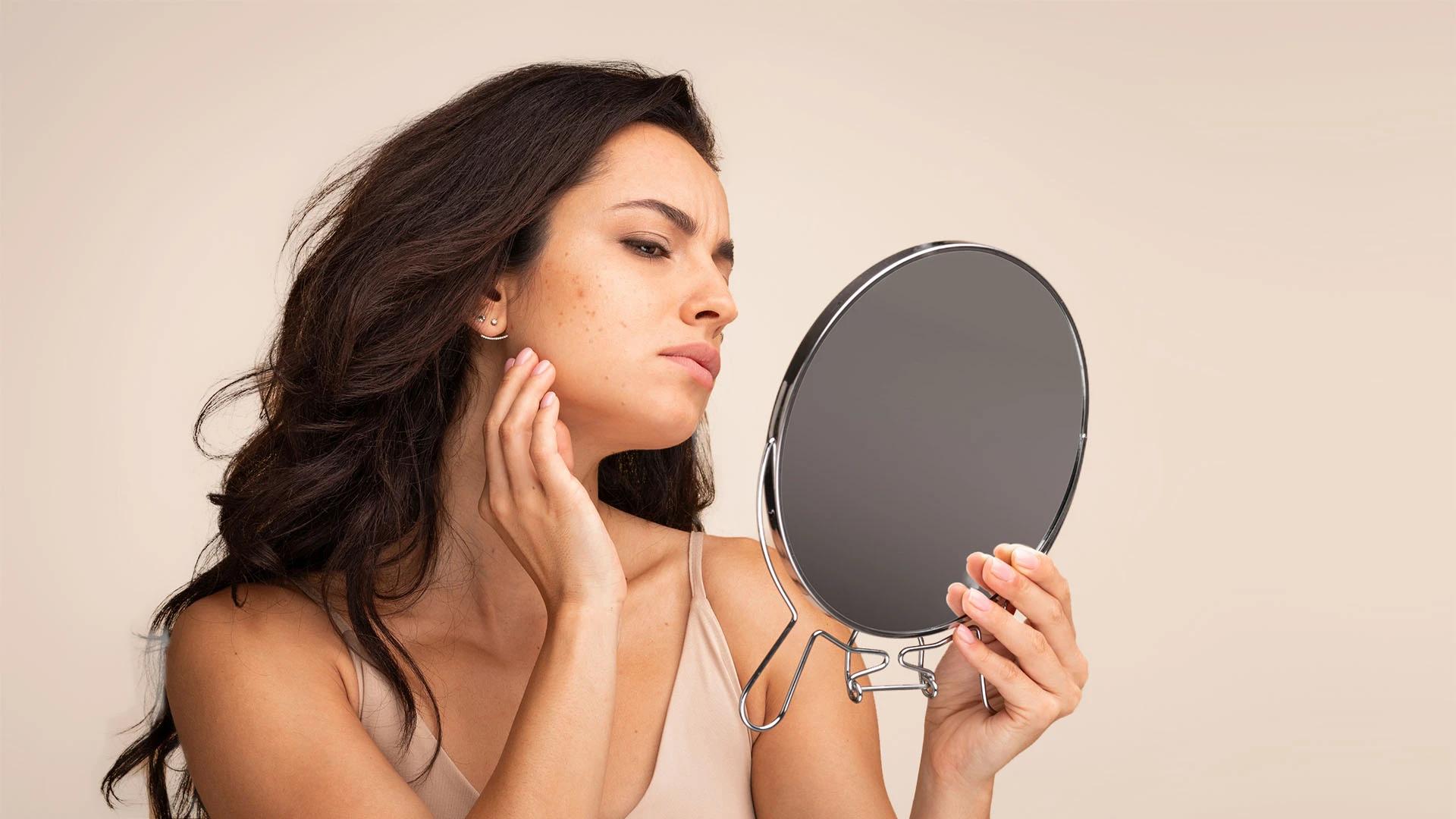
You've been diligently applying that vitamin C serum for weeks, yet those stubborn dark spots from last summer's breakouts seem determined to overstay their welcome. Sound familiar? You're not alone in this journey. Hyperpigmentation affects nearly everyone at some point, whether it's from hormonal changes, sun exposure, or post-acne marks that refuse to fade. The good news? With the right knowledge and consistent approach, you can effectively address uneven skin tone and work towards clearer, more radiant skin. Let's dive into the most common questions about skincare for dark spots and uncover the science-backed solutions that actually work.
Dark spots, medically known as hyperpigmentation, occur when your skin produces excess melanin in specific areas. Think of melanin as your skin's natural defence mechanism – it's what gives your skin its colour and protects against UV damage. However, when this system goes into overdrive, you end up with those frustrating patches of uneven skin tone.
Several factors trigger this overproduction of melanin. Sun exposure remains the primary culprit, causing age spots and sun damage that can take years to develop. Hormonal fluctuations, particularly during pregnancy or whilst taking contraceptives, can lead to melasma – those symmetrical patches often appearing on the cheeks and forehead. Post-inflammatory hyperpigmentation (PIH) develops after skin trauma, whether from acne, cuts, or even aggressive skincare treatments.
Genetics also play a significant role in how prone you are to developing dark spots. Those with deeper skin tones naturally produce more melanin and may be more susceptible to PIH, whilst fair skin types often struggle more with sun-induced age spots. Understanding your skin's particular tendencies helps you choose the most effective hyperpigmentation treatment approach.
The world of dark spot correctors can feel overwhelming, but certain ingredients have proven track records for addressing melanin reduction and promoting more even skin tone. Let's break down the most effective options and how they work.
Vitamin C stands as one of the most researched and beloved ingredients for brightening skin. As a potent antioxidant, it not only helps fade existing spots but also prevents new ones from forming by neutralising free radicals. Look for stable forms like magnesium ascorbyl phosphate or sodium ascorbyl phosphate if you have sensitive skin.
Niacinamide, a form of vitamin B3, works differently by regulating melanin transfer within skin cells. It's particularly brilliant for those dealing with both dark spots and acne, as it also controls oil production and reduces inflammation. Most people tolerate concentrations between 5-10% beautifully.
Kojic acid and azelaic acid offer gentler alternatives for sensitive skin types. Kojic acid, derived from fungi, inhibits the enzyme responsible for melanin production, whilst azelaic acid provides anti-inflammatory benefits alongside its brightening effects.
Glycolic acid, the smallest alpha hydroxy acid (AHA), penetrates deeply to accelerate cell turnover and reveal brighter skin underneath. It's particularly effective for surface-level dark spots and can show results within 4-6 weeks of consistent use.
Salicylic acid excels for those dealing with acne scars treatment, as it penetrates oil-filled pores whilst gently exfoliating the surface. This beta hydroxy acid (BHA) is oil-soluble, making it ideal for combination and oily skin types.
When incorporating exfoliating acids into your routine, start slowly – perhaps twice weekly – and always follow with SPF during the day, as these ingredients can increase photosensitivity.

Target & Fade Duo for Hyperpigmentation | Even-Tone Underarms, Inner Thighs & Bum | Refines Skin Texture | For All Skin Types
Creating an effective routine for skincare for dark spots requires strategic layering and consistent application. The key lies in combining prevention with active treatment whilst maintaining your skin's barrier function.
Your morning routine should focus on protection and gentle brightening. Start with a mild cleanser that won't strip your skin's natural oils. Follow with a vitamin C serum – this powerhouse ingredient works best in the morning when it can provide antioxidant protection throughout the day.
Layer a lightweight moisturiser containing ingredients like hyaluronic acid or ceramides to maintain hydration. The most crucial step? Broad-spectrum SPF 30 or higher. This isn't negotiable if you're serious about preventing new dark spots and allowing existing treatments to work effectively.
Evenings are when your skin repairs itself, making it the perfect time for more potent treatments. Double cleansing ensures you've removed all traces of sunscreen and environmental pollutants. This is when you can introduce stronger actives like retinoids or exfoliating acids.
If you're using multiple actives, alternate them on different nights to prevent irritation. For instance, use glycolic acid on Monday and Wednesday, then apply a retinoid on Friday. Always finish with a nourishing moisturiser to support your skin barrier.
Once or twice weekly, consider incorporating a gentle chemical peel or brightening mask. These concentrated treatments can accelerate results when used consistently. However, remember that more isn't always better – over-exfoliation can actually worsen hyperpigmentation by causing inflammation.
Not all skin brightening products work the same way for everyone. Your skin type, sensitivity level, and specific concerns should guide your ingredient choices.
If your skin tends to react to new products, start with gentler options like azelaic acid or low-concentration vitamin C. These ingredients provide brightening benefits without the irritation potential of stronger acids. Always patch test new products on your inner arm for 24-48 hours before applying to your face.
Those dealing with both active breakouts and dark spots benefit from ingredients that address multiple concerns. Salicylic acid excels here, providing gentle exfoliation whilst keeping pores clear. Niacinamide also works brilliantly for this skin type, regulating oil production whilst fading post-acne marks.

Mineral Sunscreen SPF 50 | Matte Finish | No White Cast | Non-Nano Zinc Oxide | Cica | Pregnancy Safe | All Skin Types | 50ml
Mature skin often benefits from ingredients that provide both anti-ageing and brightening benefits. Look for formulations that combine brightening actives with hydrating ingredients like hyaluronic acid or peptides. This approach addresses dark spots whilst maintaining skin plumpness and reducing fine lines.
When considering beauty treatments for spots, you'll find options ranging from in-office procedures to sophisticated at-home devices. Understanding the benefits and limitations of each helps you make informed decisions about your hyperpigmentation treatment journey.
Professional treatments often deliver faster, more dramatic results. Chemical peels using higher concentrations of glycolic or TCA can significantly improve dark spots within 2-4 sessions. Laser treatments like IPL (Intense Pulsed Light) target melanin directly, breaking up pigmented areas for the body to naturally eliminate.
These procedures typically cost between ₹3,000-₹15,000 per session, with most people requiring 3-6 treatments for optimal results. Downtime varies from minimal (for light peels) to 7-10 days (for deeper treatments).
High-quality serums and treatments available for home use have become increasingly sophisticated. Many contain professional-grade concentrations of proven ingredients like vitamin C, retinoids, and AHAs. Whilst results may take longer than professional treatments, consistent use of quality products can achieve impressive improvements over 3-6 months.
The cost-effectiveness of at-home treatments makes them accessible for long-term maintenance. A good vitamin C serum might cost ₹1,500-₹4,000 and last 2-3 months, making it a budget-friendly option for sustained results.
Patience becomes your best friend when working to fade dark spots. Realistic expectations help maintain motivation during the treatment process. Most people begin noticing subtle improvements after 4-6 weeks of consistent use, with more significant changes becoming apparent after 8-12 weeks.
Several factors influence how quickly you'll see results. Newer spots typically respond faster than those that have been present for years. Surface-level pigmentation fades more quickly than deeper melasma or post-inflammatory hyperpigmentation. Your skin's natural cell turnover rate, which slows with age, also affects treatment speed.
The type of treatment you're using matters too. Exfoliating acids may show initial results within 2-4 weeks, whilst ingredients like vitamin C or niacinamide often require 6-8 weeks for noticeable improvement. Professional treatments typically show faster initial results but may require multiple sessions for complete correction.
Even with the best intentions, certain habits can sabotage your progress in treating uneven skin tone. Avoiding these common pitfalls helps ensure your efforts yield the best possible results.
Skipping sunscreen remains the biggest mistake people make when treating dark spots. UV exposure not only creates new pigmentation but also darkens existing spots, undoing months of treatment progress. Even on cloudy days or when staying indoors near windows, UV rays can penetrate and affect your skin.

Salicylic Acid Face Cleanser | Deep Cleansing Formula for Breakouts | Unclogs Pores & Controls Oil | For Oily & Acne-Prone Skin | 100ml
Over-exfoliation represents another common error. Using multiple exfoliating acids simultaneously or applying them too frequently can cause irritation and inflammation, potentially worsening hyperpigmentation. Your skin needs time to adjust and repair between treatments.
Inconsistent application undermines even the most effective products. Skincare for dark spots requires dedication – using products sporadically won't deliver the cumulative benefits needed for significant improvement. Set realistic routines you can maintain long-term rather than complex regimens you'll abandon after a few weeks.
The most effective skincare for dark spots combines proven brightening ingredients with consistent sun protection. Look for products containing vitamin C, niacinamide, or gentle exfoliating acids like glycolic or lactic acid. The "best" product depends on your skin type and tolerance level – sensitive skin benefits from azelaic acid or low-concentration vitamin C, whilst oily skin often responds well to salicylic acid or niacinamide. Remember that consistency matters more than using the most expensive product.
Professional treatments like chemical peels or laser therapy typically provide the fastest results for hyperpigmentation treatment, often showing improvement within 2-4 weeks. For at-home care, combining a vitamin C serum with gentle exfoliating acids and religious SPF use can show results in 4-8 weeks. However, "fastest" doesn't always mean best – aggressive treatments can sometimes worsen pigmentation if your skin isn't ready. Gradual, consistent treatment often provides more sustainable results.
Many dark spots can be significantly faded or completely removed with proper treatment, but "permanent" removal depends on the type and depth of pigmentation. Surface-level sun spots and post-acne marks often respond excellently to treatment. However, deeper pigmentation like melasma may require ongoing maintenance to prevent recurrence. The key lies in prevention – consistent sun protection and gentle skincare help maintain results long-term.
Price doesn't always correlate with effectiveness in dark spot correctors. Many affordable products contain the same active ingredients as premium versions, just in different concentrations or formulations. However, expensive products often offer better stability, elegant textures, and additional beneficial ingredients. Focus on ingredient lists rather than price tags – a well-formulated drugstore vitamin C serum can be just as effective as a luxury version.
Prevention centres on consistent sun protection and gentle skincare practices. Use broad-spectrum SPF 30+ daily, even indoors, and reapply every 2 hours when outdoors. Avoid picking at blemishes or irritating your skin, as inflammation can trigger post-inflammatory hyperpigmentation. Incorporate antioxidants like vitamin C into your routine to neutralise free radicals, and maintain a gentle approach to exfoliation to avoid triggering inflammatory responses.
Yes, but introduce them gradually and strategically. Combining complementary ingredients like vitamin C (morning) and retinoids (evening) can enhance results. However, avoid using multiple exfoliating acids simultaneously, as this can cause irritation and worsen pigmentation. Start with one active ingredient, allow your skin to adjust for 2-4 weeks, then gradually introduce additional treatments. Always maintain consistent moisturising and sun protection when using multiple actives.
Addressing skincare for dark spots requires patience, consistency, and the right combination of ingredients for your unique skin needs. Whether you're dealing with post-acne marks, sun damage, or hormonal pigmentation, effective solutions exist – it's about finding the approach that works best for your skin type and lifestyle.
Remember that successful hyperpigmentation treatment isn't just about the products you use, but how consistently you use them. The most expensive serum won't work if it sits unused on your shelf, whilst a simple routine followed religiously can deliver remarkable results over time.
For those looking to explore new skin brightening products without committing to full sizes, platforms like Smytten offer an excellent way to trial different formulations and find what works for your skin. With access to premium brands and the ability to test before investing, you can build an effective routine that fits both your skin's needs and your budget. The journey to clearer, more even-toned skin starts with understanding your options – and now you're well-equipped to make informed choices that will serve your skin for years to come.
