Skin Pigmentation Treatment Guide: Your Questions Answered


Target & Fade Duo for Hyperpigmentation | Even-Tone Underarms, Inner Thighs & Bum | Refines Skin Texture | For All Skin Types
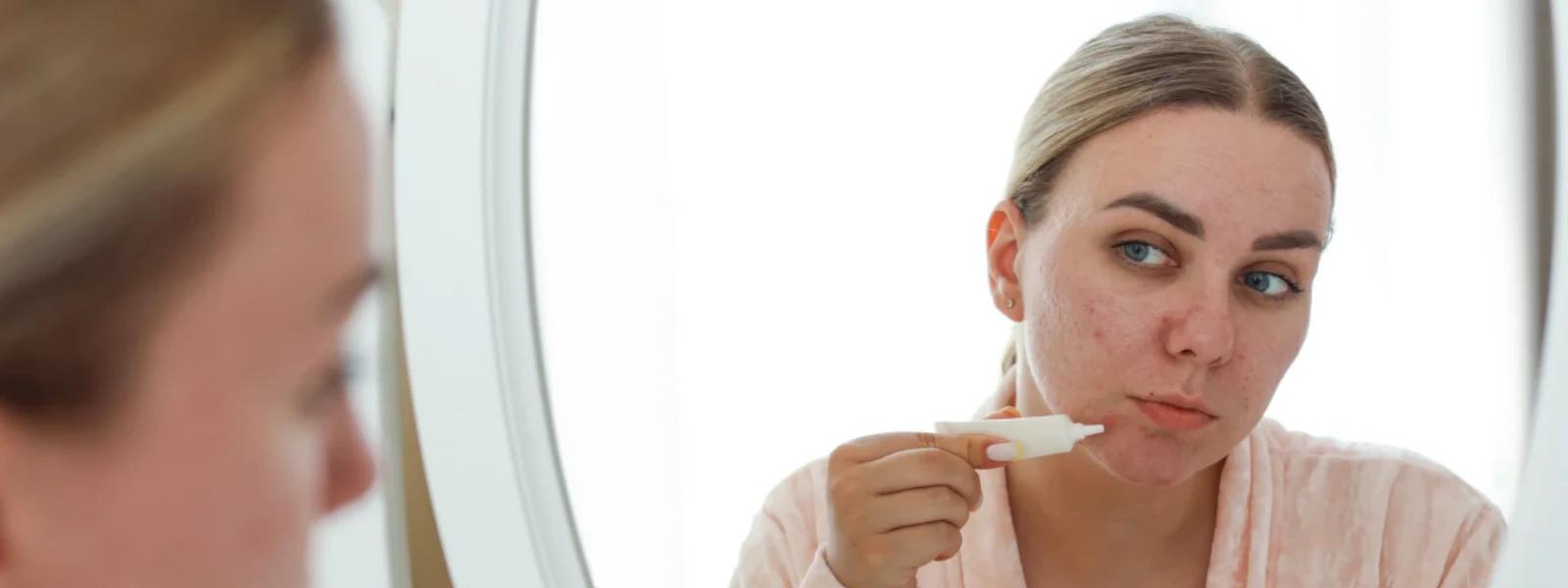
Staring at your reflection and wondering why those stubborn dark patches just won't budge? You're not alone. Whether it's melasma from pregnancy, acne scars that overstayed their welcome, or sun spots that appeared seemingly overnight, dealing with uneven skin tone can feel overwhelming. The good news? There are proven treatments that actually work, from gentle natural approaches to professional procedures that deliver real results. Let's dive into everything you need to know about tackling pigmentation issues head-on.
Before jumping into treatments, it's worth understanding what's actually happening beneath your skin's surface. Hyperpigmentation occurs when your skin produces too much melanin in certain areas, creating those frustrating dark patches that seem impossible to shift.
Think of melanin as your skin's natural defence system. When functioning normally, it gives your skin its colour and protects against UV damage. However, various triggers can send melanin production into overdrive, resulting in uneven skin tone and visible dark spots on face areas. This overproduction doesn't happen randomly – it's usually your skin's response to inflammation, hormonal changes, or sun exposure.
Melasma typically appears as symmetrical brown patches across your cheeks, forehead, or upper lip. It's often triggered by hormonal fluctuations during pregnancy or from contraceptive use, earning it the nickname "pregnancy mask." Post-inflammatory hyperpigmentation (PIH) develops after acne, cuts, or other skin injuries heal, leaving behind dark marks that can persist for months. Age spots, meanwhile, are the result of cumulative sun damage over years, usually appearing on areas that see the most sun exposure like your face, hands, and shoulders.
UV exposure remains the biggest culprit behind most pigmentation issues. Even brief, unprotected sun exposure can trigger melanin production that leads to lasting discolouration. Hormonal fluctuations, particularly during pregnancy or menopause, can activate melanocytes in ways that create persistent dark patches. Acne and other inflammatory skin conditions often leave behind PIH, especially if you've picked at spots or experienced severe breakouts.
When over-the-counter products aren't cutting it, professional treatments offer more targeted and often faster results. Understanding your options helps you make informed decisions about what might work best for your specific concerns.
Hydroquinone remains the gold standard for treating stubborn pigmentation. This prescription-strength ingredient works by inhibiting tyrosinase, the enzyme responsible for melanin production. Retinoids accelerate cellular turnover, helping pigmented cells shed more quickly whilst preventing new dark spots from forming. Azelaic acid offers a gentler approach, particularly suitable for sensitive skin types, whilst kojic acid provides natural lightening properties derived from fungi. Tranexamic acid has gained popularity for treating particularly stubborn melasma that doesn't respond to other treatments.
Chemical peels use controlled acids to remove pigmented skin layers, revealing fresher skin underneath. Glycolic and salicylic acid peels work well for surface-level pigmentation, whilst deeper peels can address more stubborn discolouration. Laser therapy and IPL (Intense Pulsed Light) treatments target melanin directly, breaking up pigmented cells so your body can naturally eliminate them. These procedures often require multiple sessions but can deliver dramatic results for the right candidates.

Mineral Sunscreen SPF 50 | Matte Finish | No White Cast | Non-Nano Zinc Oxide | Cica | Pregnancy Safe | All Skin Types | 50ml
If your pigmentation covers large areas, appears suddenly, or doesn't respond to consistent at-home treatment after three months, it's time for professional assessment. A dermatologist can determine whether your pigmentation is purely cosmetic or might indicate an underlying condition requiring medical attention. They can also prescribe stronger treatments and monitor your progress safely.
Not everyone needs prescription-strength treatments. For mild pigmentation or as part of a maintenance routine, natural approaches can deliver genuine improvements with patience and consistency.
Vitamin C works as both a treatment and preventive measure, inhibiting melanin production whilst providing antioxidant protection. Look for stable forms like magnesium ascorbyl phosphate or sodium ascorbyl phosphate in concentrations between 10-20%. Niacinamide reduces melanin transfer from melanocytes to skin cells, helping fade existing spots whilst preventing new ones. Licorice root extract contains glabridin, which naturally inhibits tyrosinase activity without the potential irritation of stronger actives.
Aloe vera gel applied nightly can provide gentle lightening effects, particularly if it contains natural aloin compounds. Gentle exfoliation using AHAs like lactic acid helps remove pigmented skin cells more quickly, though consistency matters more than intensity. Remember that sun protection isn't just treatment – it's essential prevention that stops existing pigmentation from darkening further.
Natural treatments typically require 8-12 weeks of consistent use before you'll notice significant changes. They work best for mild pigmentation and as maintenance after professional treatments. Whilst gentler than prescription options, they're also slower to show results and may not be effective for deeper or more stubborn pigmentation.
Your skin type and tone significantly influence which treatments will work safely and effectively. What works brilliantly for one person might cause irritation or even worsen pigmentation for another.
Darker skin tones are more prone to post-inflammatory hyperpigmentation, making gentle approaches crucial. Aggressive treatments can trigger more pigmentation, creating a frustrating cycle. Start with lower concentrations of active ingredients and increase gradually. Ingredients like azelaic acid and niacinamide tend to be better tolerated than hydroquinone or high-strength retinoids initially.
Sensitive skin requires a cautious approach to avoid triggering inflammation that could worsen pigmentation. Begin with gentle ingredients like vitamin C or low-concentration niacinamide. Always patch test new products on a small area first, and introduce one new treatment at a time. Consider using treatments every other night initially to build tolerance.

Salicylic Acid Face Cleanser | Deep Cleansing Formula for Breakouts | Unclogs Pores & Controls Oil | For Oily & Acne-Prone Skin | 100ml
Body skin is typically thicker and less sensitive than facial skin, allowing for stronger treatments. However, areas like the neck and décolletage require the same gentle approach as your face. Body pigmentation often responds well to glycolic acid treatments and stronger vitamin C formulations that might be too intense for facial use.
Success with pigmentation treatment lies in consistency and proper layering of products. A well-structured routine maximises ingredient effectiveness whilst minimising irritation.
Start with a gentle cleanser that won't strip your skin's protective barrier. Apply vitamin C serum to clean skin, allowing it to absorb for 10-15 minutes before layering other products. Follow with a lightweight moisturiser, then finish with broad-spectrum SPF 30 or higher. Reapply sunscreen every two hours when outdoors – this step is non-negotiable for preventing further pigmentation.
Double cleansing ensures complete removal of sunscreen and daily buildup. Apply your treatment products (retinoids, hydroquinone, or acids) to clean, dry skin. Wait 20-30 minutes before applying moisturiser to maximise absorption. If using multiple actives, alternate nights to prevent irritation – retinoids one night, acids the next.
Most people notice initial improvements around the 6-8 week mark with consistent use. Significant changes typically require 2-3 months of dedicated treatment. Remember that pigmentation didn't appear overnight, and it won't disappear overnight either. Patience and consistency are your best allies in this journey.
Prevention is always easier than treatment. Once you've addressed existing pigmentation, maintaining clear, even skin requires ongoing attention to the factors that caused the problem initially.
Choose broad-spectrum sunscreen with at least SPF 30, applying a full teaspoon to your face and neck. Physical sunscreens containing zinc oxide or titanium dioxide provide immediate protection, whilst chemical sunscreens need 20 minutes to become effective. Don't forget often-missed areas like your ears, hairline, and the back of your neck.
Chronic stress can worsen hormonal fluctuations that trigger melasma and other pigmentation issues. Regular exercise, adequate sleep, and stress management techniques all support healthy skin function. A diet rich in antioxidants from colourful fruits and vegetables provides internal protection against free radical damage that can worsen pigmentation.

Hydrating Moisturizer | Non-Comedogenic | Boosts Collagen & Hydrates Deeply | Ceramides + Niacinamide | For Normal to Dry Skin | 50g
Once you've achieved your desired results, don't abandon your routine entirely. Reduce treatment frequency rather than stopping completely – perhaps using active ingredients 2-3 times weekly instead of daily. Continue with vitamin C and sunscreen daily, and consider periodic professional treatments to maintain results.
The most effective approach typically combines professional treatments with consistent at-home care. Hydroquinone remains the gold standard for stubborn pigmentation, often paired with retinoids and vitamin C for enhanced results. For milder cases, consistent use of niacinamide, vitamin C, and gentle acids can deliver significant improvements over time.
Whilst significant improvement is definitely possible, complete permanent removal depends on the type and underlying cause of your pigmentation. Melasma, for instance, may return with hormonal changes or sun exposure even after successful treatment. The key is ongoing maintenance and strict sun protection to prevent recurrence.
Real talk – there's no safe way to remove established pigmentation in just one week. Whilst some gentle improvements might be visible with consistent use of vitamin C or aloe vera, realistic results require 6-8 weeks minimum. Be wary of any treatment promising dramatic results in days, as these often cause more harm than good.
The best treatment depends on your specific type of pigmentation, skin type, and tolerance level. For most people, a combination approach works best: professional assessment to determine the right prescription treatments, paired with consistent at-home care using proven ingredients like vitamin C, niacinamide, and gentle acids.
Natural ingredients like vitamin C, niacinamide, and licorice root extract can be genuinely effective for mild to moderate pigmentation. They're gentler than prescription options but require more patience – typically 8-12 weeks for noticeable results. They work best as part of a comprehensive routine that includes sun protection.
Most people notice initial improvements around 6-8 weeks with consistent treatment. Significant changes typically require 2-3 months, whilst complete results may take 6 months or longer for stubborn pigmentation. Professional treatments often show faster results than at-home options, but both require patience and consistency.
Dealing with pigmentation can feel like a marathon, not a sprint, but the right approach really does deliver results. Whether you opt for professional treatments, natural remedies, or a combination of both, consistency and patience are your best allies. Remember that what works for your friend might not work for you – skin is beautifully individual, and finding your perfect routine often requires some experimentation.
The beauty community on Smytten Shop understands this journey well. With access to curated skincare from trusted brands and the ability to try products before committing to full sizes, you can explore different approaches without the fear of wasting money on products that don't suit your skin. Whether you're looking for gentle vitamin C serums, effective niacinamide treatments, or professional-grade acids, having the option to test products first makes building your perfect pigmentation-fighting routine so much easier.
Your skin's journey is unique, and there's no shame in taking time to find what works. Be patient with the process, protect your skin religiously from further damage, and celebrate the small improvements along the way. Clear, even skin is absolutely achievable – it just takes the right combination of knowledge, products, and persistence.
