Skin Pigmentation on Face FAQ: Causes, Treatments & Prevention


Target & Fade Duo for Hyperpigmentation | Even-Tone Underarms, Inner Thighs & Bum | Refines Skin Texture | For All Skin Types
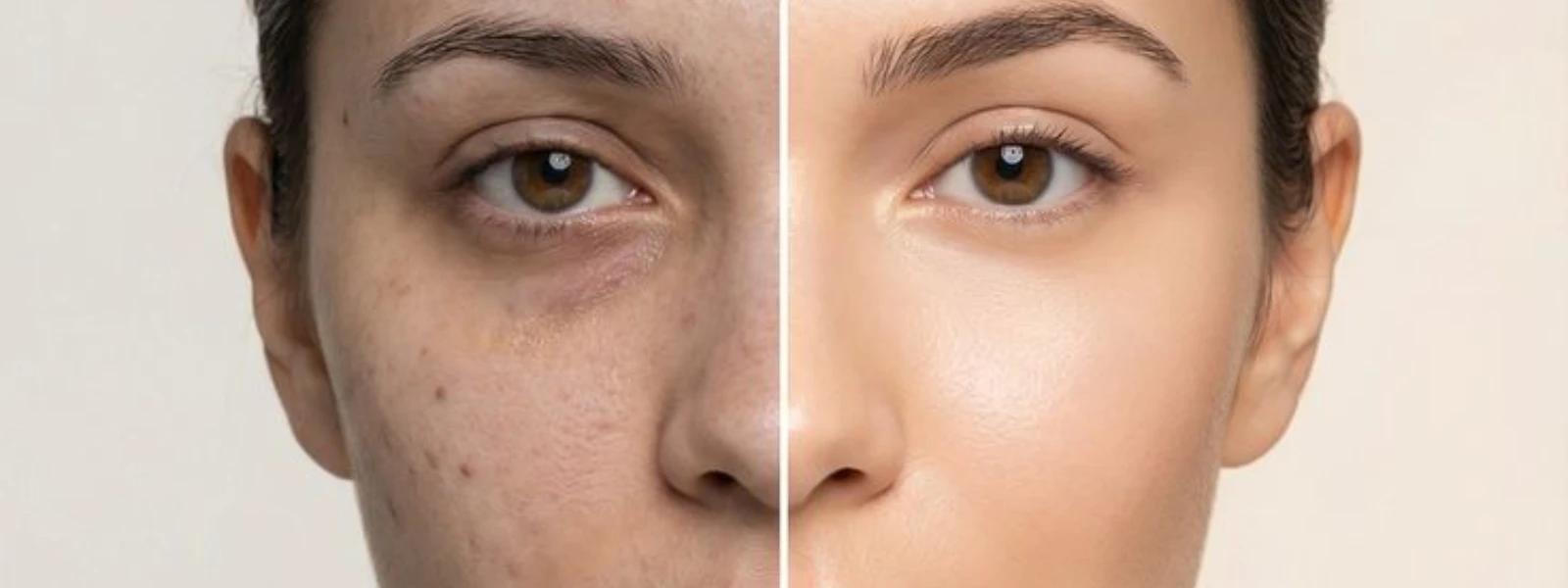
You've noticed those stubborn dark patches on your cheeks that seem to have appeared overnight, or perhaps you're dealing with lingering marks from last summer's breakouts. Skin pigmentation on face affects millions of people worldwide, creating uneven patches that can feel frustrating to manage. Whether it's melasma from hormonal changes, post-inflammatory marks from acne, or sun damage accumulating over the years, facial pigmentation is one of the most common skin concerns dermatologists encounter. The good news? Understanding what causes these dark spots on face and knowing your treatment options can help you create an effective plan for clearer, more even-toned skin.
Facial pigmentation occurs when certain areas of your skin produce excess melanin, the pigment responsible for your natural skin colour. This overproduction creates darker patches that stand out against your normal skin tone, leading to what we commonly call uneven skin tone or skin discoloration. Unlike natural variations in skin colour, pigmentation disorders create distinct patches or spots that can range from light brown to deep black.
The most commonly affected areas include your cheeks, forehead, upper lip, nose bridge, and temples. These spots typically develop gradually, though some types can appear more suddenly depending on the underlying cause. Hyperpigmentation becomes a concern when it affects your confidence or when patches change in size, colour, or texture over time.
It's worth noting that some degree of colour variation is completely normal. Your skin naturally produces different amounts of melanin in response to sun exposure, hormones, and age. The key difference lies in the concentration and persistence of these darker areas.
Understanding the specific type of pigmentation you're dealing with helps determine the most effective treatment approach. Each type has distinct characteristics, causes, and responds differently to various treatments.
Melasma appears as symmetrical brown or grey-brown patches, typically on both sides of your face in a butterfly pattern. This condition is strongly linked to hormonal fluctuations, which is why it's often called the "pregnancy mask." The patches usually develop on your cheeks, bridge of your nose, forehead, chin, and upper lip. Melasma causes include pregnancy hormones, oral contraceptives, hormone replacement therapy, and sun exposure.
PIH develops after your skin experiences inflammation or injury. If you've dealt with acne, you're likely familiar with the dark marks that linger long after the spots have healed. These marks can also result from cuts, burns, eczema, or aggressive skincare treatments. PIH appears as flat, discoloured patches that can be brown, black, or grey, depending on your natural skin tone.
Age spots and sunspots are flat, brown spots that develop from cumulative sun damage over time. They typically appear on areas most exposed to UV radiation: your face, hands, shoulders, and arms. These spots are more common after age 40, though they can develop earlier with significant sun exposure. Sunspots treatment often focuses on both removing existing spots and preventing new ones.
Drug-induced hyperpigmentation can result from certain medications, including some antibiotics and antimalarials. Café-au-lait spots are light brown birthmarks that can become more prominent with age. Seborrheic keratoses appear as raised, waxy spots that can look concerning but are typically benign.

Mineral Sunscreen SPF 50 | Matte Finish | No White Cast | Non-Nano Zinc Oxide | Cica | Pregnancy Safe | All Skin Types | 50ml
The root causes of facial pigmentation are varied, but understanding them helps you make informed decisions about treatment and prevention strategies.
Sun exposure remains the leading cause of facial pigmentation. UV radiation stimulates melanocyte cells to produce excess melanin as a protective response. Even brief, daily exposure without proper protection can accumulate over time, leading to visible spots and patches.
Hormonal fluctuations significantly impact melanin production. Pregnancy, menopause, thyroid disorders, and certain medications can trigger or worsen existing pigmentation. This explains why many women notice changes during pregnancy or when starting hormonal contraceptives.
Skin trauma from acne, cuts, burns, or aggressive treatments can leave lasting marks. Your skin's inflammatory response can trigger excess melanin production in the affected area, creating persistent dark spots long after the initial injury has healed.
Certain medications, including some antibiotics, antimalarials, and chemotherapy drugs, can increase pigmentation. Nutritional deficiencies, particularly in vitamins C and E, may affect your skin's ability to repair and protect itself. Chronic stress and poor sleep can also impact hormone levels, potentially worsening pigmentation issues.
Professional treatments offer the most dramatic and reliable results for pigmentation removal, though they require proper consultation and often multiple sessions.
Chemical peels use controlled acids to remove damaged skin layers, revealing fresher skin underneath. Glycolic acid peels work well for surface-level pigmentation, whilst deeper TCA peels can address more stubborn spots. Your dermatologist will recommend the appropriate depth based on your skin type and pigmentation severity.
Laser therapy targets pigmented cells with precise light energy. Q-switched lasers excel at breaking up concentrated pigment, whilst fractional CO2 lasers promote overall skin renewal. These treatments typically require multiple sessions spaced several weeks apart.
Intense Pulsed Light (IPL) uses broad-spectrum light to target multiple pigmentation issues simultaneously. It's particularly effective for sun damage and can improve overall skin texture alongside pigmentation concerns.
Hydroquinone remains the gold standard for pigmentation treatment, working by inhibiting melanin production. Prescription strengths (typically 4%) are more effective than over-the-counter versions but require medical supervision due to potential side effects.
Tretinoin and other retinoids accelerate cell turnover, helping fade existing pigmentation whilst preventing new spots from forming. These treatments often work synergistically with other lightening agents for enhanced results.

Salicylic Acid Face Cleanser | Deep Cleansing Formula for Breakouts | Unclogs Pores & Controls Oil | For Oily & Acne-Prone Skin | 100ml
Whilst professional treatments offer faster results, consistent home care can significantly improve skin brightening over time, especially for mild to moderate pigmentation.
Vitamin C serums provide antioxidant protection whilst gradually lightening existing spots. Look for stable forms like magnesium ascorbyl phosphate or sodium ascorbyl phosphate, which are less likely to irritate sensitive skin.
Niacinamide works by inhibiting melanin transfer from melanocytes to skin cells, effectively reducing the appearance of dark spots over time. It's well-tolerated by most skin types and can be used alongside other active ingredients.
Alpha hydroxy acids like glycolic and lactic acid provide gentle exfoliation, helping fade surface pigmentation whilst improving overall skin texture. Start with lower concentrations to build tolerance.
Licorice extract contains glabridin, which helps inhibit melanin production. Arbutin, derived from bearberry plants, offers gentle lightening effects. Mulberry extract provides antioxidant benefits whilst supporting natural skin brightening processes.
Prevention remains your most powerful tool against dark spots on face. Consistent protective measures can prevent new pigmentation whilst supporting treatment of existing spots.
Daily SPF 30+ broad-spectrum sunscreen is non-negotiable, regardless of weather or season. Physical sunscreens containing zinc oxide or titanium dioxide provide reliable protection without potential irritation from chemical filters. Reapply every two hours, or more frequently if you're outdoors or sweating.
Additional protective measures include wide-brimmed hats, UV-blocking sunglasses, and seeking shade during peak sun hours (10 AM to 4 PM). Remember that UV rays can penetrate clouds and reflect off surfaces like water and concrete.
Gentle cleansing prevents unnecessary irritation that could trigger post-inflammatory pigmentation. Avoid harsh scrubbing or picking at spots, which can worsen existing pigmentation or create new marks.
Proper acne management helps prevent the inflammatory response that leads to PIH. If you're dealing with persistent breakouts, consider consulting a dermatologist for appropriate treatment rather than attempting aggressive home remedies.

Hydrating Moisturizer | Non-Comedogenic | Boosts Collagen & Hydrates Deeply | Ceramides + Niacinamide | For Normal to Dry Skin | 50g
Some types of pigmentation can fade significantly or disappear completely with proper treatment, whilst others may require ongoing management. Post-inflammatory hyperpigmentation often fades naturally over 6-12 months, though treatment can accelerate this process. Sun spots and age spots typically require active treatment to fade but can be effectively lightened with consistent care. Melasma tends to be more persistent and may require long-term management, especially if hormonal triggers remain active.
Treatment timelines vary significantly based on the type and severity of pigmentation. Mild surface pigmentation may show improvement in 4-6 weeks with consistent treatment, whilst deeper or more stubborn spots can take 3-6 months or longer. Professional treatments typically show faster results, with some laser treatments providing noticeable improvement after just one session. However, most conditions require multiple treatments spaced over several months for optimal results.
Most facial pigmentation is cosmetic rather than medical, but it's important to monitor any changes in size, colour, or texture. Consult a dermatologist if spots appear suddenly, have irregular borders, multiple colours within one spot, or if they bleed or become raised. These could indicate more serious conditions requiring medical attention. Regular skin checks help distinguish between benign pigmentation and potentially concerning changes.
Professional treatments like chemical peels, laser therapy, or IPL typically provide the fastest results for stubborn pigmentation. However, these treatments require proper consultation and may not be suitable for all skin types. For at-home care, combining vitamin C, niacinamide, and gentle exfoliation with religious sun protection can provide noticeable improvement within 6-8 weeks. The key is consistency rather than aggressive treatment, which can sometimes worsen pigmentation.
Avoid harsh scrubs, high concentrations of acids without proper introduction, and any products that cause irritation or inflammation. Fragrance and essential oils can sometimes trigger sensitivity, potentially worsening pigmentation. Be cautious with DIY remedies using lemon juice or other citrus, which can cause photosensitivity and paradoxically worsen pigmentation when combined with sun exposure.
Heavy, comedogenic makeup can contribute to acne, which may lead to post-inflammatory hyperpigmentation. However, quality makeup with SPF protection can actually help shield your skin from UV damage. Choose non-comedogenic products and always remove makeup thoroughly at the end of the day. Some tinted moisturisers and BB creams with SPF can provide coverage whilst offering protection.
Managing skin pigmentation on face requires patience, consistency, and often a combination of approaches. Understanding your specific type of pigmentation helps you choose the most effective treatments, whether that's professional procedures, prescription medications, or carefully selected skincare ingredients. Remember that prevention through diligent sun protection remains your most powerful tool against future pigmentation.
The journey to more even-toned skin isn't always linear, and what works for one person may not work for another. This is where platforms like Smytten Shop become invaluable, offering you the chance to try different skin brightening products and treatments before committing to full sizes. With access to premium skincare brands and the ability to test formulations on your unique skin, you can build a personalised routine that addresses your specific pigmentation concerns without the guesswork.
Your skin's story is unique, and finding the right combination of treatments takes time. Whether you're dealing with stubborn melasma, post-acne marks, or sun damage, remember that improvement is possible with the right approach and realistic expectations. Trust the process, protect your skin daily, and don't hesitate to seek professional guidance when needed.
