Skin Irritation from Sweat Marks: Your FAQ Answered


D-Tan Face Wash | Reduces Tan & Dullness | Removes Excess Oil & Impurities | Glycolic Acid + Hyaluronic Acid | For All Skin Types | 100g
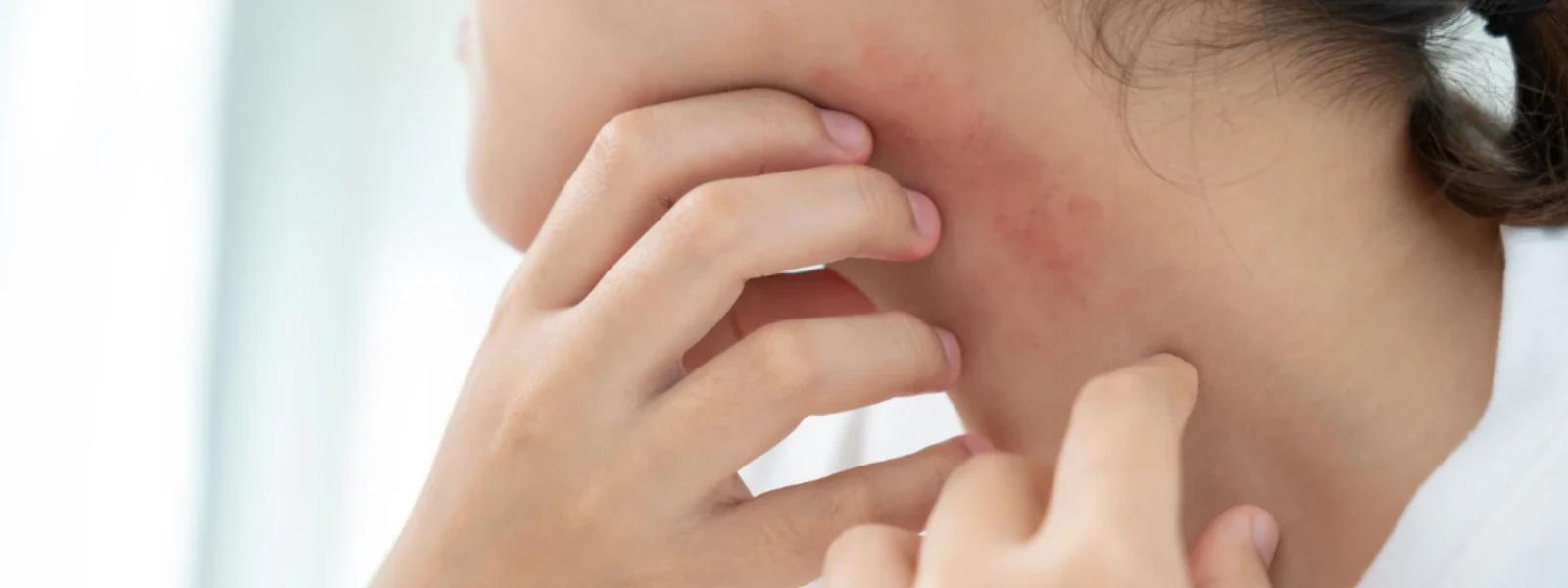
That familiar sting when you peel off your gym clothes. The angry red patches where your bra sits after a long day. The uncomfortable itch that follows every summer walk. If you've ever wondered why your skin seems to rebel against your own sweat, you're not alone. Skin irritation from sweat marks affects millions of people, especially during India's humid months, yet most of us simply accept the discomfort as inevitable. Real talk: it doesn't have to be this way.
Your skin's relationship with sweat is more complex than you might think. When everything works perfectly, sweat evaporates from your skin's surface, cooling you down without any drama. But when sweat gets trapped, that's when the trouble begins.
Picture your sweat ducts as tiny tunnels leading from deep within your skin to the surface. When these ducts become blocked by dead skin cells, bacteria, or even the products you use, sweat has nowhere to go. Instead of reaching the surface where it can evaporate, it pools beneath your skin, creating those painful, itchy bumps we call heat rash or prickly heat. The trapped moisture creates the perfect environment for irritation, and your skin responds with inflammation, redness, and that maddening itch that makes you want to scratch until you bleed.
Sweat rash comes in several forms, each with its own personality. Miliaria crystallina appears as tiny, clear blisters that look like dewdrops on your skin. Miliaria rubra, the most common type, shows up as red, inflamed bumps that itch intensely. Then there's skin chafing, which happens when sweat combines with friction from clothing or skin-on-skin contact, creating raw, painful patches. Underarm rash deserves special mention because this area traps sweat, deals with deodorant chemicals, and faces constant friction from arm movement.
Some people seem to glide through summer without a single irritated patch, whilst others break out at the first hint of warmth. Your genetics play a role, but so do your choices. Synthetic fabrics trap heat and moisture against your skin, creating a greenhouse effect. Tight clothing restricts airflow and increases friction. Even your skincare routine matters—heavy creams and oils can block sweat ducts, whilst harsh soaps can strip your skin's protective barrier, making it more vulnerable to irritation.
Not all skin redness and irritation from sweat looks the same. Learning to identify what you're dealing with helps you choose the right treatment approach.
Classic heat rash appears as clusters of small, red bumps, often with a sandpaper-like texture when you run your fingers over them. The affected area feels warm and may be slightly swollen. Itchy skin is almost always present, ranging from mild tingling to intense burning. If you see tiny fluid-filled blisters, you're likely dealing with a more severe form that needs gentle care and possibly medical attention.
Most sweat-related skin issues resolve on their own with proper care, but sometimes they escalate. Watch for signs of infection: increasing pain, warmth that spreads beyond the original area, pus or yellow discharge, and red streaks extending from the rash. A true sweat allergy is rare but possible—if you develop hives, difficulty breathing, or widespread reactions after sweating, seek immediate medical attention. Sweat dermatitis that persists for weeks or keeps returning might indicate an underlying skin condition that needs professional evaluation.

Moisturizer for Oily Skin | Hyaluronic Acid, Ceramides & Cica | Controls Sebum & Unclogs Pores | For Oily, Combination & Acne-Prone Skin | 50g
Your body has sweat hotspots where irritation loves to develop. The underarms, groin, and beneath the breasts are prime real estate for sweat rash because they're naturally warm, moist, and often covered by clothing. Your back, especially where bra straps sit, and the area where your neck meets your collar are also frequent trouble spots. Don't forget your feet—trapped in shoes all day, they're particularly vulnerable to fungal infections that thrive in sweaty conditions.
When skin irritation from sweat marks strikes, your first instinct might be to scrub the area clean or apply heavy creams. Resist both urges—they'll likely make things worse.
Cool is your friend when dealing with angry, inflamed skin. Take a lukewarm shower or bath—hot water will increase inflammation and make the itching worse. Gently pat your skin dry with a clean towel; never rub or scrub. If you're out and about when irritation strikes, find the nearest air-conditioned space and remove any tight or synthetic clothing if possible. Cool, damp cloths applied to the affected area can provide immediate relief whilst you plan your next steps.
Calamine lotion isn't just for childhood chickenpox—it's brilliant for drying out weepy heat rash and reducing inflammation. Look for products containing zinc oxide, which creates a protective barrier whilst allowing your skin to breathe. Cornstarch-based powders can absorb excess moisture, but avoid talc-based products in areas where you might inhale particles. Hydrocortisone cream can calm severe inflammation, but use it sparingly and not for more than a few days without consulting a healthcare provider.
Most sweat-related skin irritation improves within a few days of proper care, but some situations require professional attention. If your symptoms worsen after three days of treatment, if you develop fever alongside your rash, or if the affected area becomes increasingly painful rather than gradually improving, it's time to see a doctor. Persistent itchy skin that disrupts your sleep or daily activities also warrants medical evaluation.
Your kitchen and bathroom cupboards likely contain several effective treatments for sweat dermatitis and related irritation.
Oatmeal baths have been soothing irritated skin for centuries, and science backs up this traditional remedy. Colloidal oatmeal contains compounds called avenanthramides that reduce inflammation and itching. Grind plain oats in a blender until they form a fine powder, then add to cool bathwater. Soak for 15-20 minutes, then gently pat dry. Aloe vera gel straight from the plant or a high-quality commercial preparation can provide instant cooling relief—keep it in the refrigerator for an extra cooling boost.
Baking soda creates an alkaline environment that's hostile to the bacteria and fungi that can complicate sweat rash. Mix a small amount with water to create a paste, apply to affected areas, leave for 10 minutes, then rinse gently. Tea tree oil has antimicrobial properties, but it's potent—always dilute it with a carrier oil like coconut oil before applying to skin. A few drops in your bath water can help prevent secondary infections without direct skin contact.

Salicylic Acid Face Cleanser | Deep Cleansing Formula for Breakouts | Unclogs Pores & Controls Oil | For Oily & Acne-Prone Skin | 100ml
Witch hazel acts as a natural astringent, helping to dry excess moisture whilst reducing inflammation. Apply with a cotton pad to clean, dry skin before getting dressed. Apple cider vinegar, diluted with equal parts water, can help restore your skin's natural pH balance and create an environment less friendly to harmful bacteria. Never apply undiluted vinegar to broken or severely irritated skin.
The best treatment for skin irritation from sweat marks is preventing it from happening in the first place. Small changes to your daily routine can make a massive difference.
Natural fibres like cotton, linen, and bamboo allow air to circulate around your skin, helping sweat evaporate before it can cause problems. Moisture-wicking synthetic fabrics designed for athletic wear can also be excellent choices for active days. The key is avoiding clothes that trap heat and moisture against your skin. Loose-fitting garments reduce friction and allow better airflow, preventing the skin chafing that often accompanies sweaty conditions.
Showering after sweating is important, but over-washing can strip your skin's protective oils, making it more vulnerable to irritation. Use lukewarm water and gentle, fragrance-free cleansers. Pat dry thoroughly, paying special attention to skin folds where moisture loves to hide. Managing body odour doesn't require harsh products—often, proper drying and breathable clothing are more effective than strong antiperspirants that can clog pores.
When possible, schedule outdoor activities for cooler parts of the day. Use fans to improve air circulation in your home and workplace. If you're prone to heat rash, consider keeping a change of clothes at work for particularly humid days. Sleep with minimal clothing and use breathable bedding materials to prevent overnight irritation.
Understanding what to expect during healing helps you stay patient with the process and know when something isn't progressing normally.
Mild sweat rash often improves within 24-48 hours once you remove the triggering factors and keep the area cool and dry. Moderate cases with more inflammation and itchy skin typically resolve within 3-7 days with proper care. Severe sweat dermatitis with deep inflammation or secondary infection can take 2-3 weeks to fully heal, and may leave temporary darkening of the skin that fades over several months.
Your skin's healing ability depends on several factors. Age, overall health, and skin sensitivity all play roles. Continued exposure to heat and moisture will slow healing significantly, which is why prevention strategies are so important even during treatment. Some people find that stress affects their skin's ability to heal, whilst others notice that certain foods or hormonal changes influence their susceptibility to sweat-related skin irritation.

Target & Fade Duo for Hyperpigmentation | Even-Tone Underarms, Inner Thighs & Bum | Refines Skin Texture | For All Skin Types
Gradually exposing your skin to warmer conditions can help build tolerance, but this should be done slowly and carefully. Maintaining your skin's barrier function with gentle moisturising and avoiding harsh products helps prevent future episodes. Consider keeping a skincare diary to identify your personal triggers—you might discover that certain fabrics, activities, or even foods make you more prone to irritation.
Yes, heat rash is typically very itchy due to inflammation and trapped sweat irritating nerve endings. To safely manage the itch without damaging your skin, try cool compresses, calamine lotion, or oatmeal baths. Avoid scratching, which can lead to infection and scarring. If the itch is severe, over-the-counter antihistamines may help.
Fungal infections often appear as red patches with distinct, scaly edges and may have a slightly different odour. Unlike typical heat rash which appears as small bumps, fungal rashes tend to be more patch-like with clear borders. They also tend to persist longer and may worsen with moisture rather than improving when kept dry.
Most sweat rash resolves naturally within a few days once the triggering conditions are removed. However, leaving it untreated whilst continuing to sweat in the same conditions can lead to worsening inflammation and potential secondary infection. It's always better to take active steps to keep the area cool and dry.
Whilst sweating is completely normal, significant skin irritation from sweat marks isn't something you have to accept. Some people are more sensitive than others, but persistent problems often indicate that changes to clothing, skincare routine, or environment could help. True sweat allergy is rare, but sweat sensitivity is quite common and manageable.
Absolutely. Look for aluminium-free, gentle formulations that won't clog pores. Apply deodorant to completely clean, dry skin, and consider switching to natural alternatives if commercial products consistently cause irritation. Some people find that applying a thin layer of cornstarch before deodorant helps prevent underarm rash.
Recurring sweat dermatitis usually indicates that the underlying triggers haven't been addressed. This might be clothing choices, workplace environment, skincare products, or even underlying health conditions that affect sweating. Keeping a diary of when flare-ups occur can help identify patterns and triggers.
Managing skin irritation from sweat marks is about understanding your skin's unique needs and making thoughtful adjustments to support its health. Whether you're dealing with occasional summer breakouts or chronic sensitivity, the right combination of prevention strategies and gentle treatment can make a significant difference to your comfort and confidence.
Remember that healthy skin starts with quality products that work with your body's natural processes rather than against them. Smytten's curated selection of gentle, effective skincare solutions helps you discover what works for your unique skin needs without the guesswork of full-size purchases. With over 28 million users trusting the platform for their beauty discoveries, you can explore dermatologist-recommended brands and soothing formulations designed for sensitive, irritation-prone skin. Your skin deserves products that understand its challenges—and with Smytten's try-before-you-buy approach, you can find them without the risk.
