Red Skin Spots FAQ: Causes, Treatments, and Prevention


Target & Fade Duo for Hyperpigmentation | Even-Tone Underarms, Inner Thighs & Bum | Refines Skin Texture | For All Skin Types
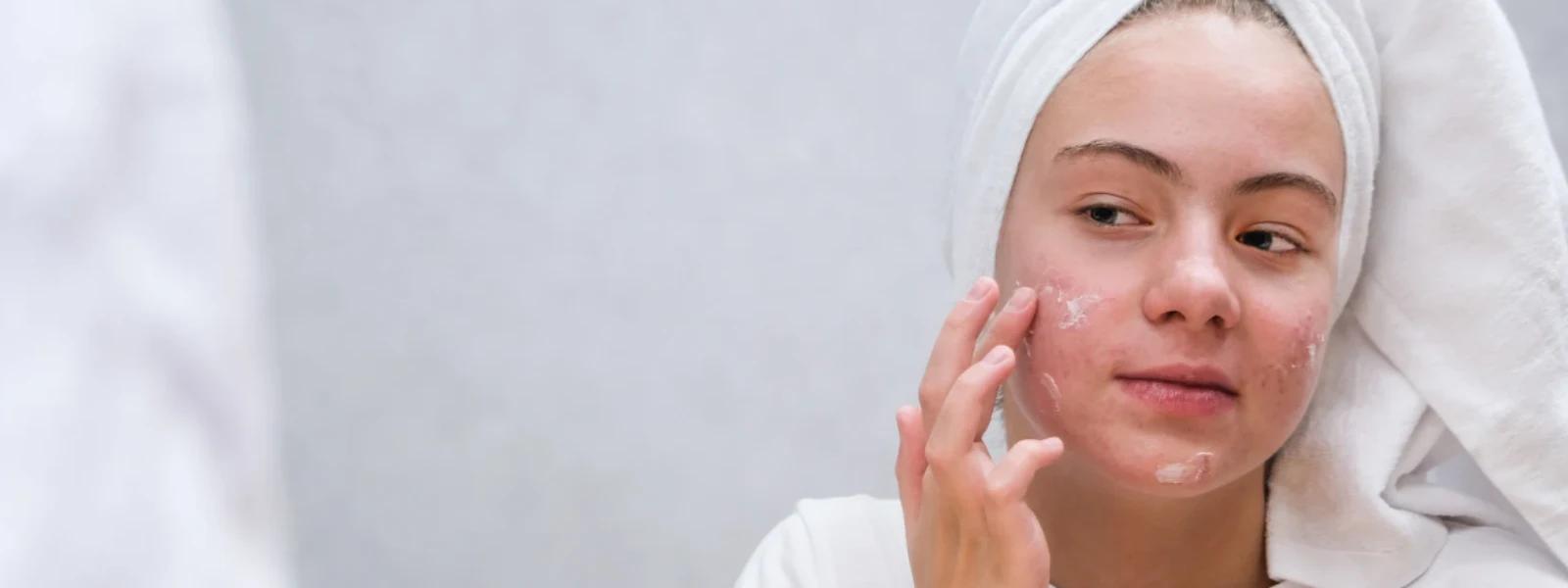
You notice them in the mirror one morning – small red spots scattered across your skin that weren't there yesterday. Whether they're itchy, raised, or completely flat, red skin spots can appear suddenly and leave you wondering what's happening beneath the surface. From harmless cherry angiomas to more concerning skin conditions, these crimson marks tell different stories about your skin's health. Understanding what causes them, when to worry, and how to treat them properly can save you both stress and unnecessary trips to the dermatologist.
Red skin spots are areas of skin that appear redder than the surrounding tissue due to increased blood flow, inflammation, or blood vessel changes. These spots can range from tiny pinprick-sized dots to larger patches, and their appearance often provides clues about their underlying cause.
The key differences lie in their characteristics. Flat red spots on skin typically indicate broken capillaries, allergic reactions, or certain infections. Raised red bumps on skin suggest inflammation, blocked pores, or skin conditions like eczema. Patches of redness often point to broader skin inflammation from conditions like dermatitis or psoriasis.
Location matters too. Red spots on the face might indicate rosacea or acne, whilst those on the torso could suggest heat rash or viral infections. Skin discoloration that appears symmetrically often has systemic causes, whereas random patterns typically indicate localised skin irritation or contact reactions.
Understanding what triggers red spots helps you identify whether you're dealing with a temporary annoyance or something requiring medical attention. Here are the most frequent culprits behind those mysterious crimson marks.
Contact dermatitis ranks among the top causes of sudden red spots. Your skin might react to new laundry detergent, skincare products, jewellery metals, or even plants like poison ivy. This type of skin rash typically appears within hours to days of contact and often follows the pattern of whatever touched your skin.
Hot, humid weather can trap sweat in your pores, creating small red bumps on skin known as heat rash or prickly heat. These spots commonly appear in areas where clothing rubs against skin or where sweat accumulates – think underarms, chest, and back.
Chronic skin conditions often manifest as persistent red spots. Eczema creates itchy red spots that may weep or crust over. Folliculitis appears as red bumps around hair follicles, whilst psoriasis typically shows up as raised, scaly red patches.

Mineral Sunscreen SPF 50 | Matte Finish | No White Cast | Non-Nano Zinc Oxide | Cica | Pregnancy Safe | All Skin Types | 50ml
Various infections can cause distinctive red spot patterns. Viral infections like chickenpox create fluid-filled spots, bacterial infections might cause warm, tender red areas, and fungal infections often appear as circular red patches with clearer centres.
These bright red, dome-shaped spots are completely harmless blood vessel growths that become more common with age. Cherry angiomas typically appear after age 30 and don't itch or cause discomfort.
Tiny red or purple spots called petechiae result from broken capillaries under the skin. They don't blanch when pressed and can indicate anything from minor trauma to more serious blood disorders.
Non-itchy red spots often indicate vascular issues like cherry angiomas, broken blood vessels, or certain infections. Itchy red spots, however, typically signal allergic reactions, eczema, or other inflammatory conditions where your immune system is actively responding to perceived threats.
Most red spots are harmless, but certain symptoms warrant immediate medical attention. Seek emergency care if red spots appear alongside fever, difficulty breathing, dizziness, or rapid spreading across your body – these could indicate serious allergic reactions or systemic infections.
Schedule a routine dermatologist appointment if spots persist beyond two weeks, change in size or colour, bleed easily, or appear asymmetrical with irregular borders. Additionally, if you're wondering about red spots on body symptoms of which disease, a healthcare provider can properly evaluate concerning patterns.
Pay particular attention to spots that feel warm to touch, have pus-filled centres, or are accompanied by swollen lymph nodes. These signs often indicate bacterial infections requiring antibiotic treatment.
Treatment approaches vary dramatically depending on the underlying cause of your red spots. The key is matching the right treatment to the specific type of skin inflammation or condition you're experiencing.

Salicylic Acid Face Cleanser | Deep Cleansing Formula for Breakouts | Unclogs Pores & Controls Oil | For Oily & Acne-Prone Skin | 100ml
For allergic skin rash and mild inflammation, antihistamines like cetirizine or loratadine can reduce itching and redness. Topical hydrocortisone cream helps calm localised skin irritation, whilst cooling gels containing aloe vera or menthol provide relief for heat-related red spots.
Persistent or severe red spots often require prescription interventions. Stronger topical corticosteroids can address stubborn dermatitis, whilst oral antibiotics tackle bacterial infections. For chronic conditions like psoriasis or severe eczema, dermatologists might prescribe immunosuppressive medications or biologics.
Cool compresses can soothe inflamed skin, whilst oatmeal baths help calm widespread itchy red spots. However, avoid home remedies that might worsen skin irritation – skip essential oils, harsh scrubs, or unproven treatments that could trigger additional reactions.
Prevention often proves more effective than treatment when it comes to red spots. Start by identifying your personal triggers through careful observation of when and where spots appear.
Maintain a gentle skincare routine using fragrance-free, hypoallergenic products to minimise skin irritation. Choose breathable fabrics, especially during hot weather, to prevent heat-related red bumps. Sun protection remains crucial – UV damage can trigger various types of skin discoloration and worsen existing conditions.
Keep a skin diary noting new products, foods, or environmental exposures before red spots appear. This detective work often reveals patterns that help you avoid future flare-ups. Additionally, managing stress through adequate sleep, regular exercise, and relaxation techniques can prevent stress-related skin reactions.
Sudden red spots typically result from allergic reactions, new skincare products, environmental changes, or viral infections. Consider any recent changes in your routine, diet, or environment. Heat, stress, and hormonal fluctuations can also trigger sudden spot appearances.
Most small red dots are harmless, especially if they don't itch, spread rapidly, or cause pain. Cherry angiomas and minor broken capillaries are common and benign. However, consult a doctor if dots appear with fever, breathing difficulties, or rapid spreading.

Hydrating Moisturizer | Non-Comedogenic | Boosts Collagen & Hydrates Deeply | Ceramides + Niacinamide | For Normal to Dry Skin | 50g
Cherry angiomas are small, bright red spots caused by dilated blood vessels. They're completely harmless and become more common with age. These dome-shaped spots typically measure 1-4mm and don't require treatment unless they bleed frequently or bother you cosmetically.
Most red spots aren't cancerous, but certain characteristics warrant evaluation. See a dermatologist if spots are asymmetrical, have irregular borders, change colour, grow larger than 6mm, or evolve in appearance. Early detection of skin cancer significantly improves treatment outcomes.
Serious red spots often have accompanying symptoms like fever, rapid spreading, difficulty breathing, or severe pain. Spots that bleed easily, feel very warm, have irregular shapes, or persist beyond two weeks should be evaluated by a healthcare provider.
A rash typically covers a larger area with widespread redness or bumps, whilst red spots are usually discrete, individual marks. Rashes often indicate systemic reactions or skin conditions, whereas isolated spots might result from localised issues like broken blood vessels or minor infections.
Duration varies by cause. Allergic reaction spots may fade within days to weeks, viral infection spots typically resolve in 1-2 weeks, whilst chronic condition spots might persist or recur. Cherry angiomas and age-related spots are usually permanent unless treated.
Yes, stress can trigger or worsen various skin conditions that cause red spots. Stress affects your immune system and can lead to eczema flare-ups, hives, or psoriasis outbreaks. Managing stress through proper sleep, exercise, and relaxation techniques often improves skin health.
Red skin spots might feel alarming when they first appear, but understanding their common causes empowers you to respond appropriately. Most spots are harmless and resolve on their own or with simple treatments. The key lies in recognising when professional evaluation is necessary versus when you can safely monitor and treat at home.
Remember that your skin reflects your overall health and lifestyle. Maintaining gentle skincare habits, avoiding known triggers, and managing stress can prevent many types of red spots from appearing. When you do need skincare products to address irritation or inflammation, platforms like Smytten Shop offer curated selections from trusted brands, allowing you to try products before committing to full sizes – particularly helpful when dealing with sensitive, reactive skin.
Trust your instincts about your skin. If something feels wrong or spots behave unusually, seeking professional advice provides peace of mind and ensures proper treatment. Your skin deserves the same attention and care you give to other aspects of your health.
