Recommended Sun Protection Factor for Indian Sunlight: FAQ


Tinted Sunscreen SPF 50 | Makeup-Friendly | No White Cast | Niacinamide + Titanium Dioxide | For Oily, Combination & Acne-Prone Skin | 40ml
Ever stood in the sunscreen aisle, staring at bottles marked SPF 30, 50, or even 100, wondering which one will actually protect your skin from India's intense sun? With UV levels that can reach extreme highs across most Indian cities, choosing the right sun protection factor isn't just about preventing sunburn—it's about protecting your skin from long-term damage, hyperpigmentation, and premature ageing. The truth is, India's unique climate conditions, from Mumbai's humid coastlines to Delhi's dry heat, require a more thoughtful approach to sun protection than the standard global recommendations.
India's geographical position near the equator means we experience some of the world's highest UV radiation levels year-round. Unlike temperate countries where UV intensity varies dramatically with seasons, most Indian cities maintain moderate to high UV levels even during winter months. This constant exposure makes understanding SPF crucial for daily skincare routines.
The sun protection factor measures how well a sunscreen protects against UVB rays—the ones responsible for sunburn and a significant contributor to skin cancer. But here's what many don't realise: SPF only tells part of the story. For comprehensive protection in Indian conditions, you need broad spectrum sunscreen that shields against both UVA and UVB radiation.
Indian sunlight carries unique challenges that affect how we should approach sun protection. The UV index across major Indian cities regularly reaches 8-11 (very high to extreme), compared to 3-6 in many European cities. Cities like Chennai, Bangalore, and Hyderabad often record UV indices above 10 during peak hours, whilst northern cities like Delhi experience intense dry heat that can make sun damage more severe.
Pollution adds another layer of complexity. Whilst atmospheric pollution can slightly reduce UV penetration, it also creates ground-level ozone that can increase skin sensitivity. This means your skin might react more strongly to sun exposure in polluted urban environments, making consistent sunscreen application even more critical.
SPF 30 blocks approximately 97% of UVB rays, whilst SPF 50 blocks about 98%. That 1% difference might seem minimal, but in India's high UV environment, it translates to significantly longer protection time. SPF 50 provides roughly 50% more protection time than SPF 30, which matters when you're commuting during peak sun hours or spending extended time outdoors.
However, real-world protection often falls short of laboratory conditions. Most people apply only 25-50% of the recommended amount, which can reduce a SPF 50 sunscreen's effectiveness to SPF 15-25. In Indian conditions, this under-application can leave your skin vulnerable to damage within minutes of sun exposure.
Indian dermatologists consistently recommend higher SPF levels than global standards, and for good reason. Dr. Rashmi Shetty, a leading Mumbai-based dermatologist, advocates for minimum SPF 50 for daily use across all Indian skin tones, with SPF 30 as an absolute minimum for darker skin types who may have some natural protection.
The key lies in understanding that whilst melanin provides some natural UV protection, it's not sufficient against India's intense sun exposure. Even the darkest Indian skin tones can experience sun damage, particularly in the form of uneven pigmentation and premature ageing.
SPF 30 can work for brief outdoor exposure or indoor days with minimal sun contact. It's suitable for darker skin tones during lower UV periods, such as early morning or late evening outdoor activities. However, for most Indian conditions, SPF 30 requires religious reapplication every 2 hours to maintain protection.
SPF 50 provides more robust protection for Indian conditions. It's particularly crucial for fair to medium skin tones, anyone with a history of hyperpigmentation, or those spending more than 30 minutes outdoors daily. The extra protection time means your skin stays safer even if you're slightly late with reapplication.

Fluid SPF 50 Sunscreen for Oily Skin | No White Cast | Matte, Ultra-Light & Non-Greasy | Niacinamide + Vitamin C | 50ml
For fair to medium Indian skin tones, SPF 50+ is non-negotiable for daily use. These skin types burn quickly and are prone to developing dark spots and uneven pigmentation with minimal sun exposure. Look for formulations with zinc oxide or titanium dioxide for gentle, effective protection.
Darker skin tones can use SPF 30 as a minimum, but SPF 50 is still preferable, especially if you're dealing with post-inflammatory hyperpigmentation from acne or other skin concerns. The goal isn't just preventing burns—it's maintaining even skin tone and preventing premature ageing.
India's diverse climate zones require tailored approaches to sun protection. Coastal cities like Mumbai and Chennai face high humidity that can make heavy sunscreens feel uncomfortable, whilst northern plains experience dry heat that can make skin more vulnerable to UV damage.
During monsoon season, many assume sun protection becomes less critical. Real talk: clouds don't block UV rays effectively. Up to 80% of UV radiation can penetrate cloud cover, meaning your skin needs protection even on overcast days. This is particularly important in cities like Bangalore, where pleasant weather can create a false sense of security.
Your daily routine should dictate your SPF choice. For daily indoor/outdoor commute, SPF 30-50 applied generously in the morning with midday reapplication works well. Choose lightweight, fast-absorbing formulations that won't feel heavy under masks or in AC environments.
For extended outdoor activities—whether it's weekend cricket, morning walks, or outdoor work—SPF 50+ becomes essential. Look for water-resistant formulations that can handle sweat and humidity without compromising protection.
Indian summers mean sweat, and lots of it. Water-resistant sunscreens maintain their SPF rating for 40-80 minutes of sweating or swimming, making them ideal for humid conditions or active lifestyles. However, 'water-resistant' doesn't mean waterproof—reapplication remains crucial.
Choosing the right sunscreen for Indian skin goes beyond SPF numbers. The formulation needs to work with India's climate while addressing your specific skin concerns. Gel-based sunscreens excel in humid conditions, absorbing quickly without leaving a greasy residue that attracts dust and pollution.
For dry climates or winter months, cream-based formulations provide additional moisture while delivering sun protection. Tinted sunscreens offer the dual benefit of coverage and protection, particularly useful for those dealing with uneven skin tone or hyperpigmentation.
Broad spectrum protection is non-negotiable for Indian conditions. UVA rays penetrate deeper into skin, causing long-term damage like premature ageing and dark spots, whilst UVB rays cause immediate burning. Indian sunscreens should display both SPF ratings and PA ratings (PA+, PA++, PA+++) indicating UVA protection levels.

Sunscreen Spray for Body | SPF 50+ PA+++ | Sweat & Water-Resistant | Broad Spectrum UVA/UVB Protection | Clear Matte Formula | Aloe Vera | 100ml
Look for sunscreens containing zinc oxide, titanium dioxide, or modern chemical filters like avobenzone and octinoxate. Physical sunscreens (zinc oxide, titanium dioxide) work immediately upon application and are less likely to cause irritation, making them ideal for sensitive skin.
Indian weather demands specific formulation considerations. Gel-based sunscreens work brilliantly in Mumbai's humidity, drying to a matte finish that doesn't interfere with makeup. Cream formulations suit Delhi's dry winters, providing hydration alongside protection.
For oily or acne-prone skin, look for non-comedogenic formulations with niacinamide or salicylic acid that provide sun protection whilst addressing skin concerns. These ingredients can help control oil production and prevent the clogged pores that often result from heavy sunscreen use in humid conditions.
Even the highest SPF sunscreen fails without proper application. The standard recommendation is 2mg per square centimetre of skin—roughly 1/4 teaspoon for your face and neck, and about 35ml for your entire body. Most people apply far less, reducing their protection significantly.
For your face, think of a generous layer that covers all exposed areas, including often-missed spots like ears, hairline, and around the eyes. Don't forget your neck and the back of your hands—areas that show sun damage quickly but are frequently overlooked.
Apply sunscreen 15-30 minutes before sun exposure to allow proper absorption. Chemical sunscreens need this time to bind with your skin, whilst physical sunscreens work immediately but benefit from even distribution.
Reapplication every 2 hours is crucial, regardless of SPF level. In Indian conditions—with high temperatures, humidity, and pollution—reapplication might be needed more frequently. Keep a travel-size sunscreen for midday touch-ups, especially if you're outdoors during peak UV hours (10 AM to 4 PM).
Sunscreen should be the final step in your morning skincare routine, applied after moisturiser but before makeup. If you're using active ingredients like retinol or AHAs in your routine, sun protection becomes even more critical as these ingredients can increase photosensitivity.
Making sunscreen a daily habit requires finding formulations you actually enjoy using. This might mean trying different textures—lightweight gels for summer, hydrating creams for winter, or tinted formulations that double as base makeup.
Consider your lifestyle when building a sun protection routine. If you're frequently in air-conditioned environments, you might prefer a more hydrating formula. If you exercise outdoors, water-resistant formulations become essential.

SPF 50 Sunscreen for Pigmentation | Lightweight, Non-Greasy, No White Cast | Fades Dark Spot & Acne Marks | For All Skin Types | 50g
Whilst sunscreen forms the foundation of sun protection, it works best as part of a comprehensive strategy. Seek shade during peak UV hours when possible, wear protective clothing with tight weaves, and don't forget accessories like wide-brimmed hats and UV-blocking sunglasses.
In Indian urban environments, this might mean timing your outdoor activities for early morning or late evening, using covered walkways when available, and keeping sun-protective accessories handy for unexpected outdoor exposure.
SPF 30 can work for minimal sun exposure or darker skin tones, but most dermatologists recommend SPF 50 for Indian conditions. The intense UV levels across most Indian cities mean SPF 30 requires very diligent reapplication every 2 hours to maintain protection. For fair to medium skin tones or anyone with a history of pigmentation issues, SPF 50+ provides more reliable protection.
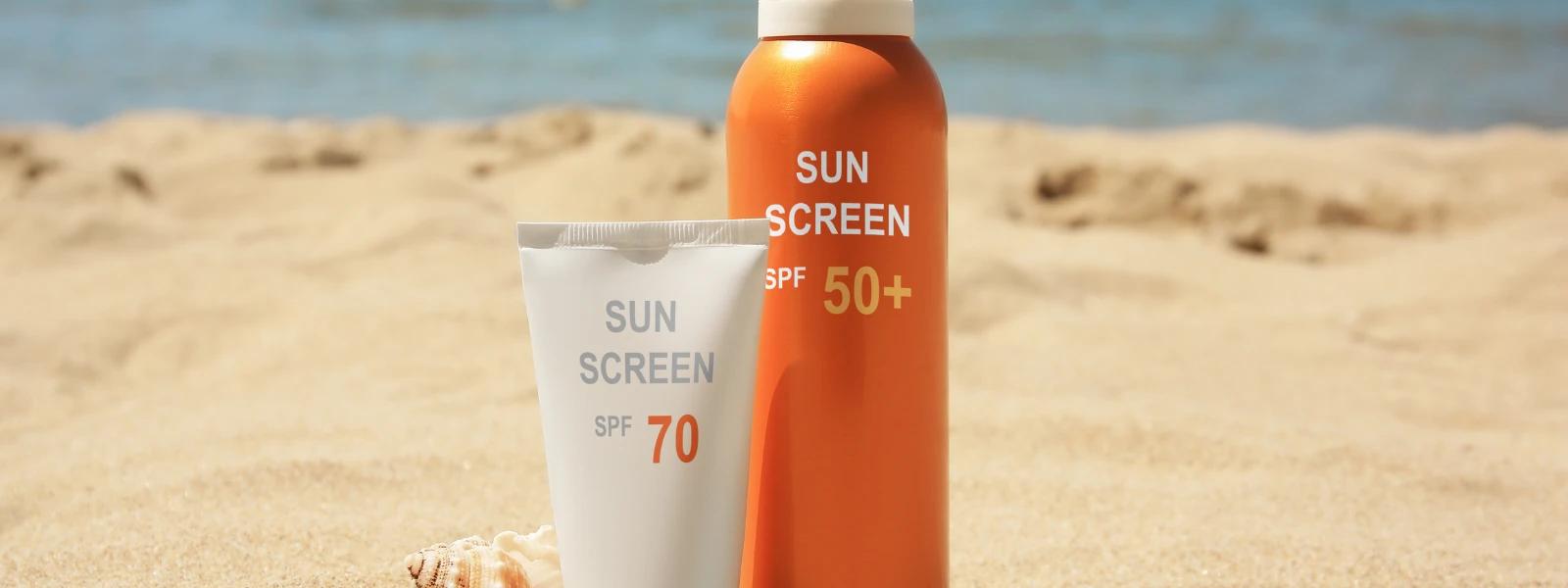
SPF 70 provides excellent protection for Indian conditions, though the difference between SPF 50 and SPF 70 is minimal (98.3% vs 98.6% UVB protection). The key is consistent application and reapplication rather than relying on higher SPF numbers alone. SPF 70 can be beneficial for extended outdoor activities or very fair skin types.
SPF 50 represents the sweet spot for most Indian skin types and conditions. It provides robust protection without the diminishing returns seen with higher SPF levels. Choose broad spectrum formulations with PA+++ rating for comprehensive UVA/UVB protection. The best SPF is one you'll use consistently—prioritise comfortable formulations you enjoy applying daily.
Early morning sunlight (6-8 AM) does provide vitamin D synthesis with lower UV intensity, making it safer for brief exposure. However, even morning sun in India can be intense, particularly in summer months. For vitamin D, 10-15 minutes of early morning sun exposure on arms and legs can be beneficial, but always protect your face and apply sunscreen for longer exposure.
Yes, particularly if you're near windows. UVA rays penetrate glass and can contribute to premature ageing and pigmentation over time. If you work near windows or spend significant time in well-lit indoor spaces, a lightweight SPF 30 provides adequate protection for indoor use.
You can use the same SPF level year-round, but you might want to adjust formulations seasonally. Lighter, gel-based formulations work well in summer humidity, whilst cream-based sunscreens provide additional moisture during winter months. The SPF 50 recommendation remains consistent regardless of season.
Choosing the right sun protection factor for Indian conditions isn't just about picking the highest number on the shelf. It's about understanding your skin type, lifestyle, and the unique challenges of India's intense UV environment. SPF 50 broad spectrum sunscreen, applied generously and reapplied consistently, provides the foundation for healthy skin in Indian conditions.
Remember, the best sunscreen is the one you'll use every day. Whether you prefer lightweight gels, hydrating creams, or tinted formulations, consistency matters more than perfection. Your skin will thank you for the daily protection, showing fewer signs of premature ageing, hyperpigmentation, and sun damage over time.
For those looking to explore different sunscreen formulations and find what works best for their skin, platforms like Smytten Shop offer curated selections from trusted brands, allowing you to try products before committing to full sizes. With over 28 million users discovering their perfect skincare matches, finding the right sun protection for your Indian lifestyle becomes much more manageable.
