Preventing Pollution Dark Marks FAQ: Your Questions Answered


Target & Fade Duo for Hyperpigmentation | Even-Tone Underarms, Inner Thighs & Bum | Refines Skin Texture | For All Skin Types
Ever noticed how your skin looks duller after a particularly smoggy day? Or how those stubborn dark spots seem to multiply during peak pollution season? You're not imagining it. Environmental pollutants are silently wreaking havoc on our skin, triggering hyperpigmentation and leaving behind persistent dark marks that can take months to fade. The good news? Understanding how pollution affects your skin is the first step towards preventing pollution dark marks and achieving that radiant skin you've been after.
Pollution doesn't just make the air dirty—it actively damages your skin at a cellular level. When microscopic pollutants settle on your skin, they trigger a cascade of reactions that lead to environmental skin damage and unwanted pigmentation.
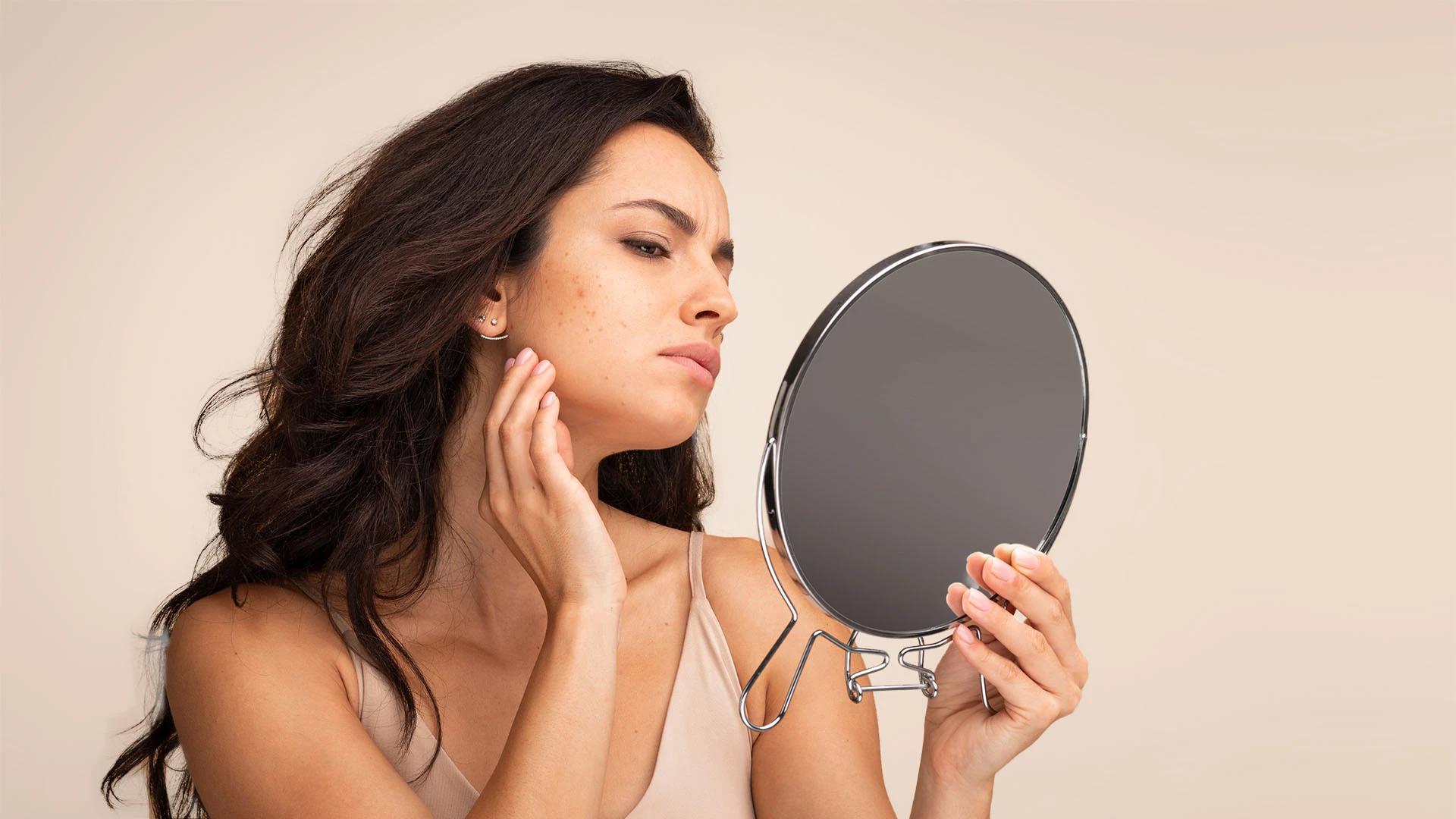
Pollution dark marks are patches of skin discolouration that develop when environmental toxins penetrate your skin barrier. Unlike acne marks or sun spots, these marks often appear gradually and can affect areas of your face that get the most exposure to polluted air—typically your forehead, cheeks, and around your nose. The marks range from light brown to deep grey, depending on your skin tone and the severity of exposure.
What makes pollution-induced marks particularly frustrating is their stubborn nature. They're caused by chronic exposure rather than a single incident, which means they require consistent anti-pollution skincare to prevent and treat effectively.
PM2.5 particles—those tiny pollutants smaller than 2.5 micrometers—are the main culprits behind pollution-related skin issues. These particles are so small they can penetrate deep into your pores, where they generate free radicals and trigger oxidative stress. Your skin responds by producing excess melanin as a protective mechanism, leading to uneven skin tone and persistent dark spots.
Research shows that people living in highly polluted areas have significantly higher rates of hyperpigmentation and premature ageing. The constant assault of environmental toxins weakens your skin's natural defence system, making it harder to maintain clear, even-toned skin.
Understanding exactly how pollution damages your skin helps you choose the right dark spot removal strategies and prevention methods. The process isn't immediate—it's a gradual accumulation of damage that becomes visible over time.
When pollutants land on your skin, they don't just sit there—they actively interact with your skin cells. Free radicals from pollution damage your skin's DNA and cellular structures, triggering an inflammatory response. Your body interprets this damage as a threat and ramps up melanin production to protect deeper skin layers.
This protective response is what causes the dark marks. The more pollution exposure you have, the more melanin your skin produces, leading to increasingly noticeable hyperpigmentation. Areas that get the most pollution exposure—like your T-zone—often show the most dramatic changes.

Mineral Sunscreen SPF 50 | Matte Finish | No White Cast | Non-Nano Zinc Oxide | Cica | Pregnancy Safe | All Skin Types | 50ml
Vehicle emissions are the biggest contributor to skin-damaging pollution in urban areas. Diesel exhaust particles are particularly harmful because they're small enough to penetrate your pores and sticky enough to cling to your skin throughout the day. Industrial pollutants, construction dust, and even indoor air pollution from cooking and cleaning products all contribute to environmental skin damage.
Seasonal variations also play a role. Winter months often bring higher pollution levels due to increased heating and reduced air circulation, whilst summer heat can make pollutants more reactive and damaging to your skin.
The key to preventing pollution dark marks lies in creating a robust defence system for your skin. This means both protecting against new damage and repairing existing issues.
Your morning routine should focus on creating a barrier between your skin and environmental pollutants. Start with a gentle cleanser to remove any overnight buildup, then apply a vitamin C serum for antioxidant protection. Vitamin C neutralises free radicals before they can trigger melanin production, making it one of the most effective ingredients for preventing pollution dark marks.
Follow with a moisturiser containing niacinamide, which strengthens your skin barrier and helps regulate melanin production. Finally, never skip SPF—even on cloudy days. UV radiation amplifies pollution damage, so broad-spectrum protection is essential for maintaining radiant skin.
Niacinamide is particularly effective for Indian skin tones because it works gently to regulate melanin without causing irritation. Look for concentrations between 5-10% for optimal blemish control and skin brightening effects. Alpha arbutin and kojic acid are also excellent for targeting existing dark spots whilst preventing new ones from forming.
For evening routines, consider incorporating retinoids or AHAs to accelerate cell turnover and help fade existing hyperpigmentation. These ingredients work overnight to reveal brighter, more even-toned skin over time.
When home care isn't enough, professional treatments can provide more dramatic results. Chemical peels using glycolic acid or lactic acid can help remove damaged surface layers and reveal clearer skin underneath. For stubborn marks, dermatologists might recommend laser treatments or prescription-strength lightening agents.
The key is starting with gentler options and working your way up. Many people see significant improvement with consistent use of quality skincare products before needing professional intervention.

Salicylic Acid Face Cleanser | Deep Cleansing Formula for Breakouts | Unclogs Pores & Controls Oil | For Oily & Acne-Prone Skin | 100ml
Whilst there's no magic solution for overnight dark spot removal, you can see noticeable improvement in 4-6 weeks with consistent use of targeted ingredients. Combine vitamin C in the morning with niacinamide or alpha arbutin in the evening. For faster results, consider professional treatments like chemical peels, but remember that gradual improvement is safer and more sustainable than aggressive treatments that might cause irritation.
Prevention starts with a solid anti-pollution skincare routine. Cleanse thoroughly every evening to remove pollutants, use antioxidant serums daily, and never skip SPF. Consider using a pollution-barrier cream during high-pollution days, and try to limit outdoor exposure during peak traffic hours when possible. Indoor plants can also help improve air quality at home.
Most people start seeing improvement in uneven skin tone after 4-6 weeks of consistent treatment. However, deeper hyperpigmentation can take 3-6 months to fade significantly. The key is patience and consistency—stopping and starting treatments will only slow your progress. Take photos to track your improvement, as changes are often gradual and hard to notice day-to-day.
Whilst pollution can cause significant skin discolouration, most damage is reversible with proper treatment. However, chronic exposure without protection can lead to premature ageing and stubborn pigmentation that's harder to treat. The earlier you start protecting your skin, the better your chances of maintaining clear, radiant skin long-term.
Some natural ingredients like vitamin C from kakadu plum, kojic acid from rice, and arbutin from bearberry can be effective for skin brightening. However, clinical-grade formulations often provide more consistent and faster results. The best approach combines proven actives with gentle, natural supporting ingredients for optimal blemish control.
Yes, seasonal adjustments can improve your results. During high-pollution winter months, focus on stronger antioxidant protection and more intensive evening treatments. Summer requires lighter formulations with higher SPF protection. Monsoon season calls for oil-free, quick-absorbing products that won't feel heavy in humidity whilst still providing adequate protection.
When basic routines aren't delivering the results you want, it's time to level up your approach. Advanced hyperpigmentation treatment involves understanding your specific type of pigmentation and tailoring your routine accordingly.
For stubborn marks, consider spot treatments with higher concentrations of active ingredients. Hydroquinone (available by prescription) remains the gold standard for melanin reduction, whilst tranexamic acid is showing promising results for melasma and post-inflammatory hyperpigmentation. Apply these treatments only to affected areas to avoid lightening surrounding healthy skin.

Hydrating Moisturizer | Non-Comedogenic | Boosts Collagen & Hydrates Deeply | Ceramides + Niacinamide | For Normal to Dry Skin | 50g
Layer your treatments strategically—use vitamin C in the morning for protection, and alternate between retinoids and AHAs in the evening. This approach maximises dark spot removal whilst minimising irritation.
Professional treatments work best when combined with a solid home routine. Chemical peels can jumpstart the skin brightening process, whilst your daily products maintain and enhance results. Many dermatologists recommend starting professional treatments during cooler months when sun exposure is naturally lower.
Consider treatments like microneedling with vitamin C infusion or IPL (Intense Pulsed Light) for comprehensive environmental skin damage repair. These treatments can address both surface pigmentation and deeper structural damage from pollution exposure.
The most effective anti-pollution skincare routine is one that fits your lifestyle and addresses your specific concerns. There's no one-size-fits-all solution, but there are proven principles that work for most people.
Start with a gentle cleanser that removes overnight buildup without stripping your skin. Follow with a vitamin C serum—this is non-negotiable for pollution protection. Choose a stable form like magnesium ascorbyl phosphate if you have sensitive skin, or L-ascorbic acid for maximum potency.
Your moisturiser should contain niacinamide or ceramides to strengthen your skin barrier. Finish with broad-spectrum SPF 30 or higher. On high-pollution days, consider adding a pollution-barrier primer before your SPF for extra protection.
Double cleansing is essential for removing the day's pollution buildup. Start with an oil-based cleanser to dissolve pollutants and SPF, then follow with a water-based cleanser to remove any remaining residue. This thorough cleansing ensures your treatment products can penetrate effectively.
Alternate between retinoids (for cell turnover) and AHAs (for surface exfoliation) in your evening routine. On nights when you're not using actives, focus on hydration and barrier repair with ingredients like hyaluronic acid and peptides.
Preventing pollution dark marks requires a comprehensive approach that combines protection, treatment, and lifestyle modifications. The key is consistency—results come from daily commitment to your routine, not from sporadic intensive treatments. Remember that your skin is constantly exposed to environmental stressors, so your defence needs to be equally constant.
With Smytten's curated selection of anti-pollution skincare products, you can explore different brands and formulations to find what works best for your skin. The platform's sample programme lets you test products before committing to full sizes, which is particularly valuable when building a targeted routine for hyperpigmentation treatment. Whether you're dealing with existing dark spots or focusing on prevention, the right combination of products and consistency will help you achieve the clear, radiant skin you're after.
